Lemon balm spreads fast enough to take over a bed, while aloe sits quiet on a windowsill; calendula, rosemary, sage, and motherwort fall somewhere between, and the sun your space gets will sort them out.
Rosemary and sage want 6 hours of direct sun; lemon balm and motherwort will still give you a harvest with less.
[link-whisper-related-posts]1. Lemon Balm
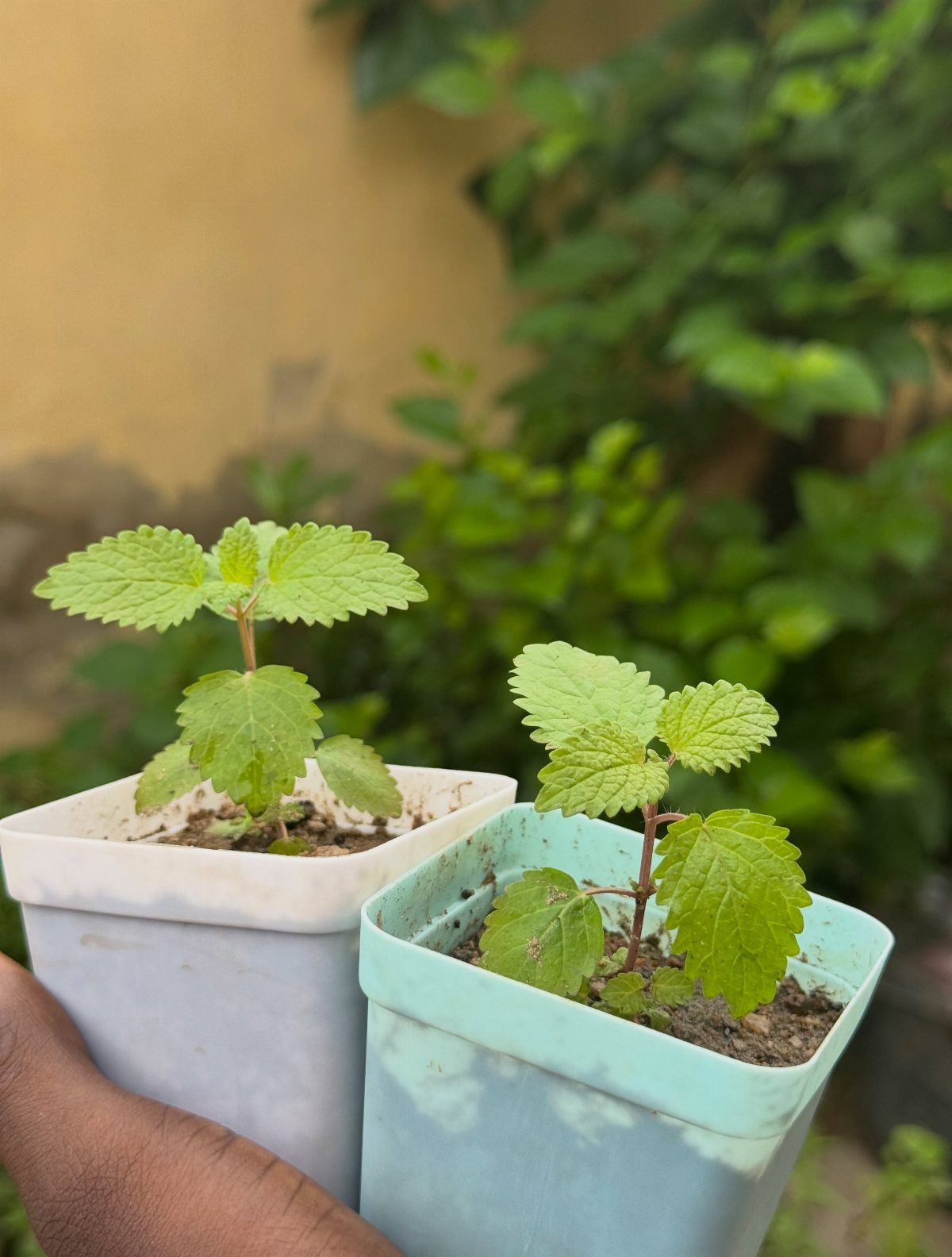
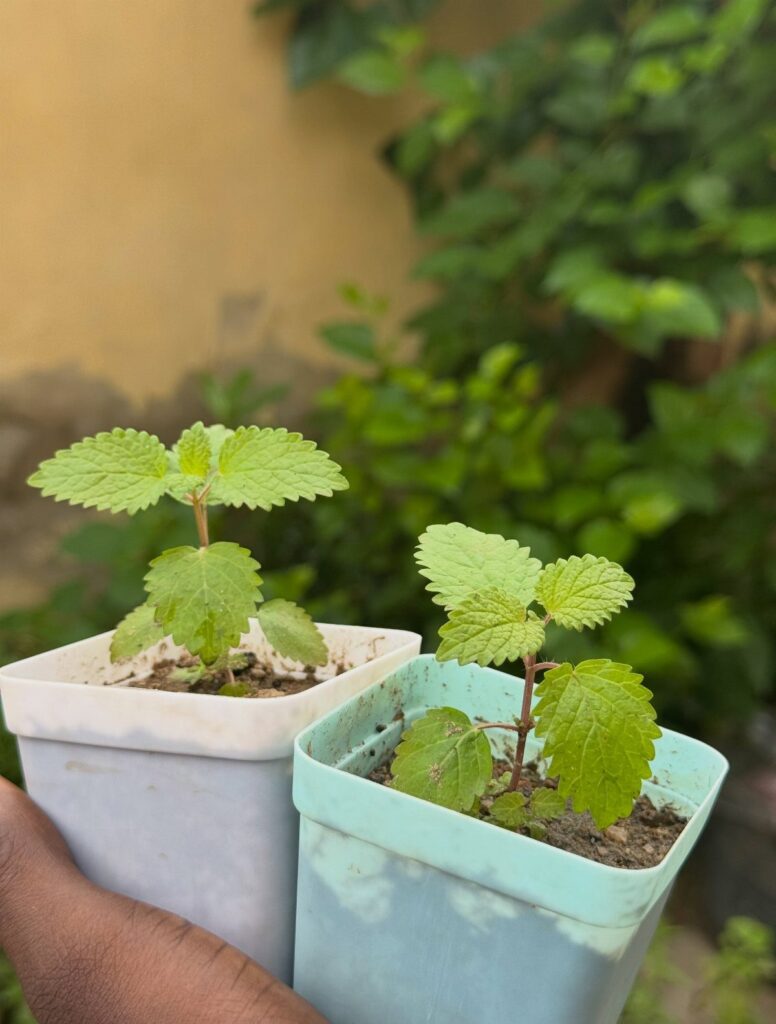
Lemon balm spreads like the mint cousin it is, so a container or a bed with borders saves you from chasing it through the yard later.
I start mine from seed in spring, scattered thin and barely covered, though cuttings in summer or dividing a mature plant in fall work too.
The leaves go fresh into water on hot days or dry for tea through winter. Some herbalists blend it with chamomile for digestion, or use it on its own for the kind of calm that does not knock you out.
Bees find it, which is a side benefit I did not plan for but now count on.
2. Calendula
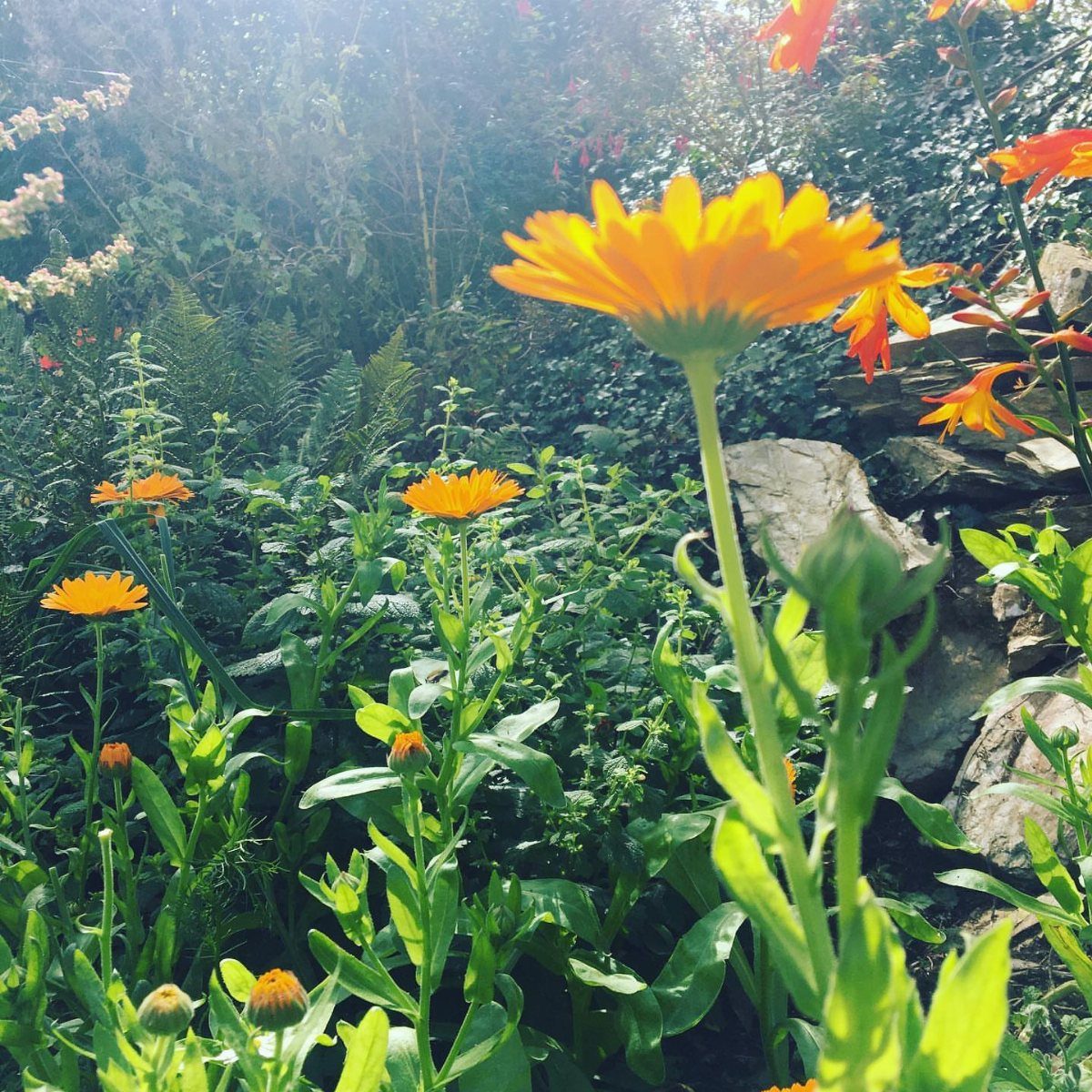
Calendula self-sows so freely that one packet of seed can outlast your original planting.
I grow it for the orange and yellow petals, which dry for salve or infuse into oil that works as face moisturizer without the department store price.
The flowers also draw syrphid flies, the kind of beneficial insect that patrols the rest of the garden for pests.
Full sun and average soil are enough; it blooms heavier in cool months and keeps going with little attention. The petals are edible in salads or as a mild tea for digestion, though I use mine mostly for skin.
3. Rosemary
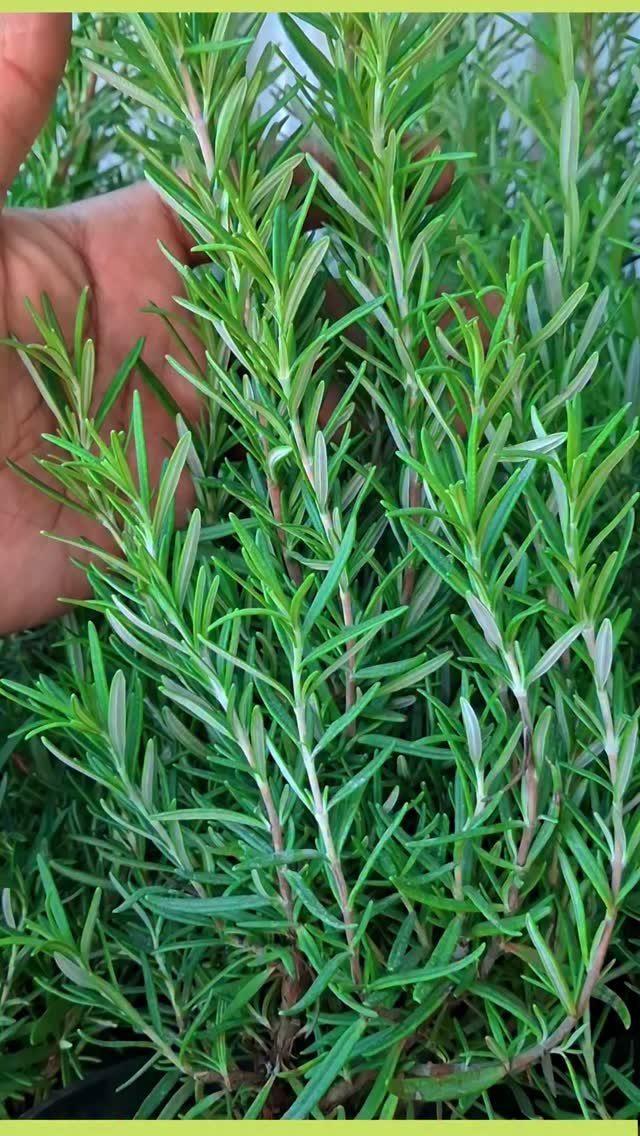
Rosemary wants the sandy, well-drained soil and full sun of its Mediterranean origin, which means checking your drainage before you plant.
Upright or creeping varieties both work, and stem cuttings are the usual way to propagate. I have planted it near sage and thyme, which share its soil preferences and help with pest management through companionship.
The needle-like leaves hold their fragrance year-round, and the light blue flowers draw pollinators. If your soil stays wet or your winters are hard, a pot you can move is the safer bet.
4. Sage
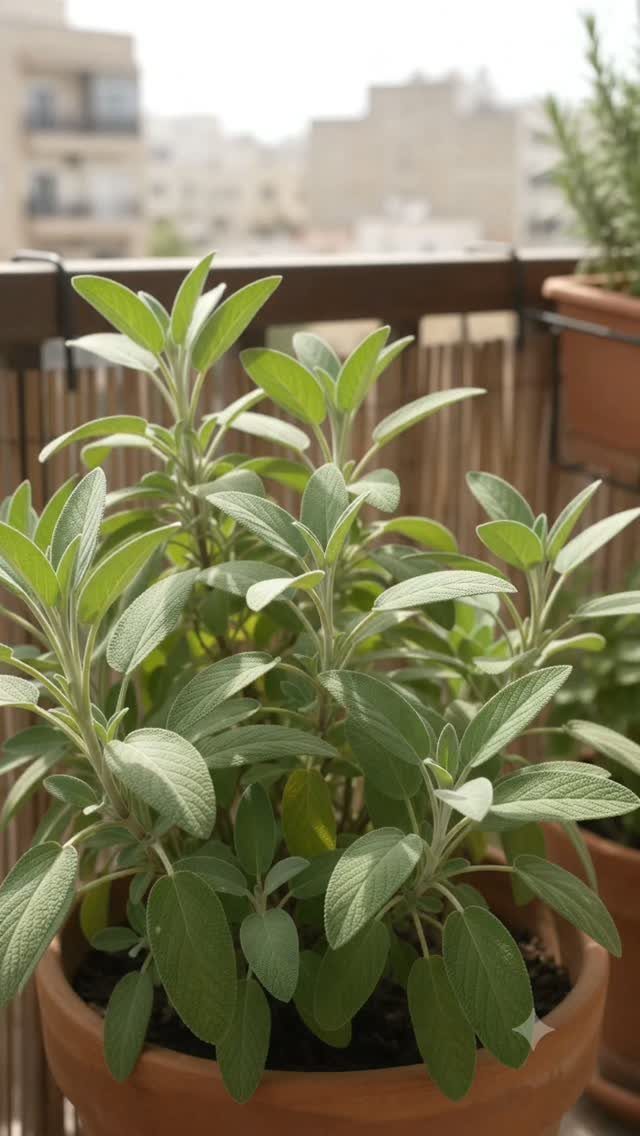
Sage survives drought once established, which makes it forgiving for gardeners who forget to water or travel on weekends.
The fuzzy grey-green leaves work fresh or dried, and a strong tea gargle eases a sore throat; the same astringency helps digestion.
I grow mine in a terracotta pot on the balcony, where full sun and drainage I can control matter more than ground space.
The Latin name comes from "to cure," and modern use still leans on it for memory and focus, for PMS or menopause symptoms, or rubbed fresh on insect bites.

Selected California sage leaves, picked in mid-October, when sage aroma and flavor are at their best.

🌿 Organic Sage Leaf (Salvia officinalis): Sourced from the pristine fields of Albania, our sage is organically grown, hand-harvested, and carefully dried to preserve its bold aroma and traditional herbal depth.
5. Motherwort
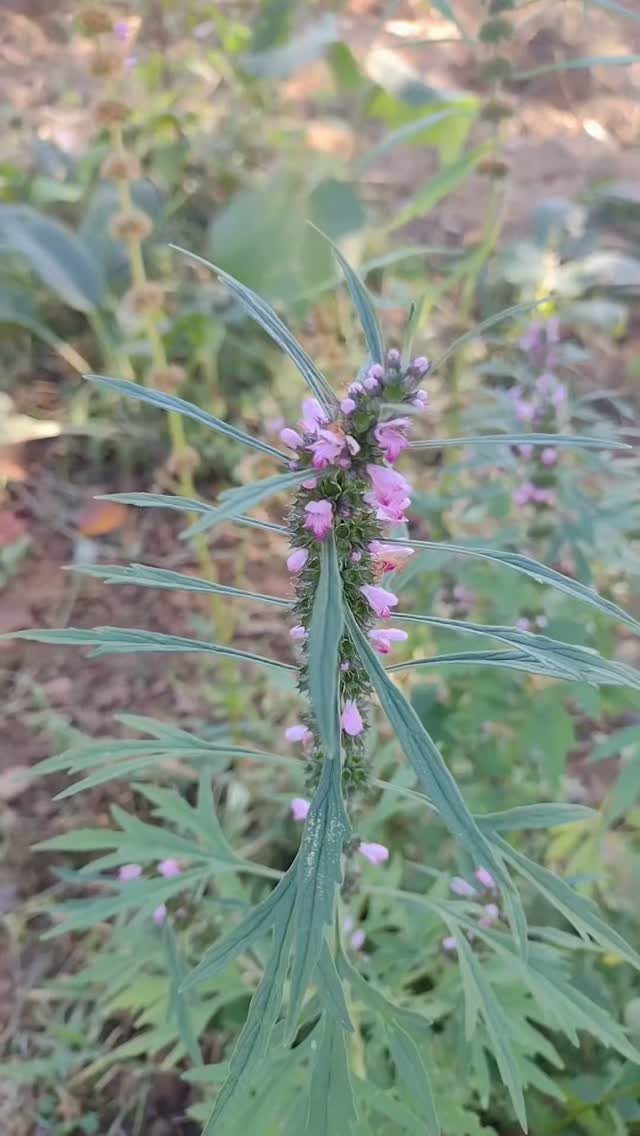
Motherwort is not pretty enough to plant for looks, but it grows in sun or partial shade with almost no attention and comes back as a short-lived perennial.
I tincture it for anxiety and stress, and herbalists have long used it for menstrual pain and labor support; the common name "mother’s little helper" is earned.
It is worth talking to a healthcare provider before using it, especially during pregnancy or with other medications. The small purple flowers and narrow leaves are plain, though tough enough for a beginner who wants utility over ornament.

Wildcrafted Motherwort Herb: Premium Leonurus cardiaca harvested from natural growing regions and cut & sifted to preserve its fresh aroma, flavor, and beneficial plant compounds

100% Premium Ingredients: We use only carefully selected motherwort herb, with no artificial additives, fillers, or preservatives. This is your pure, caffeine-free tea for a natural wellness ritual

Expertly extracted for support of the endocrine system
6. Aloe Vera
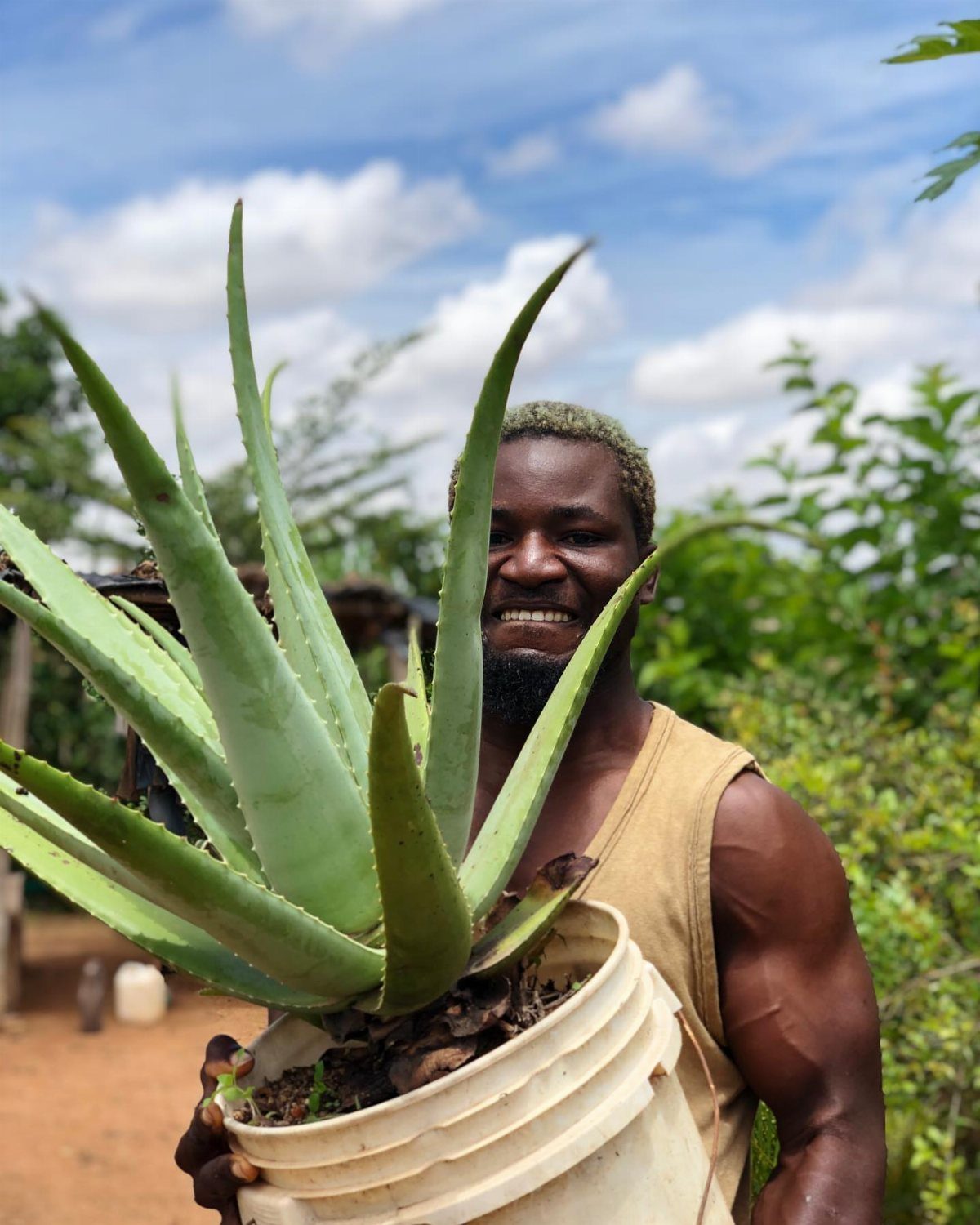
Aloe vera wants sun, dry or moist well-drained soil, and not much else. Drainage holes matter more than what the pot once held; aloe tolerates a repurposed bucket just fine.
I keep mine where it gets light without baking, and I water sparingly, since root rot from overwatering is the usual way to kill it.
The gel inside the leaves works on minor burns and skin irritation, though the taste is terrible if you are considering edible uses.

1. 🌿 100% Pure Lemon Balm Leaf – Carefully harvested Melissa officinalis, naturally dried and packed for optimal freshness and flavor.
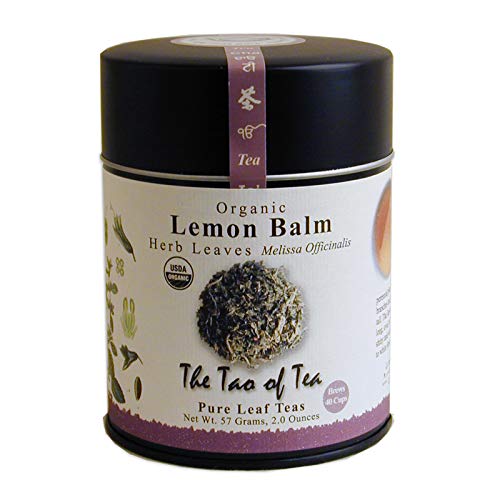
Soothing, earthy, lemon-mint flavor and aroma.
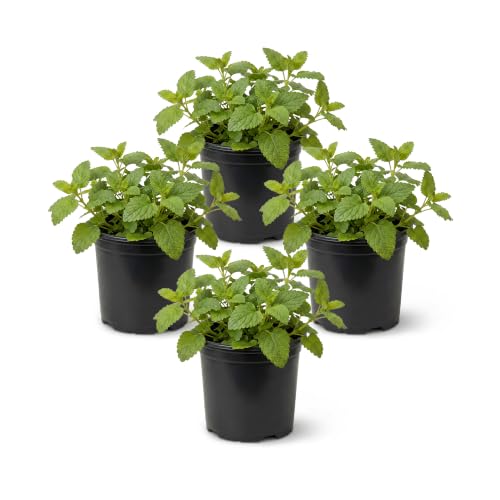
FRAGRANT & FLAVORFUL: Bright green leaves release a fresh lemon scent when touched and are prized for teas, desserts, fresh recipes, and herbal gardens.
Growing Conditions
6 hours of direct sun is the baseline for most herbs, though lemon balm and motherwort will still grow in spots that only get partial shade.
Indoors, a south-facing window gives the 4 to 6 hours herbs need, but do not assume any bright window is enough.
Plants grow tall and thin without adequate light, so rotate them and pinch back stems to keep them bushy. Growth and leaf count stay lower indoors than out.
I wait until the top inch of soil feels dry before I water again.
Moisture below that surface means waiting; overwatering blocks oxygen to roots and invites disease. Scented geraniums, patchouli, and bay cannot take cold, so pots you can move inside are the practical choice.

Cut-Flower Favorite: Calendula heirloom seeds grow 18-24 in tall with golden yellow and orange blooms in about 50 days - bright cut flower seeds for vases, flower garden beds, and borders.

Bright Double Blooms: Ball's orange calendula seeds grow 20-inch upright plants with rich 3-inch double orange flowers. Ideal flower seeds for planting in beds, borders, and cut flower gardens.
Soil Preparation
Drainage is the one thing almost every herb agrees on; sandy or loamy soil works because water moves through fast enough that the roots do not sit and rot. Clay-heavy ground needs amendment.
Work compost or organic matter into beds or pots to improve structure and fertility.
A pH between 6.0 and 7.5 is the usual range where herbs thrive; lime raises acidic soil, sulfur brings alkaline ground down. Testing before you plant beats guessing after.
Mulch helps retain even moisture and suppresses weeds that compete for the limited nutrients in poor soil.
Terracotta dries faster than plastic, which suits sage and rosemary but means checking lemon balm and calendula more often.
Harvesting Techniques
Cut foliage herbs in late morning, when essential oils peak just before flowering.
I cut individual stems about 6 inches below the buds, and I stop taking from perennials by late summer so they can store up carbohydrates to survive the winter.
Leaves that have collected dust or dirt can be rinsed in cold water and patted dry, or hosed off the day before I pick them. Seed herbs like fennel and dill are collected once seeds mature on the head.
For bushier regrowth, pinch back indoor plants and cut outdoor stems above a leaf node. Multiple cuttings per season are possible with established plants, though each harvest reduces what the roots can rebuild.
Pest Management
Regular monitoring catches problems before they spread.
Bees find lemon balm without any effort on my part, and the pollinator traffic helps neighboring plants set fruit or seed.
For herbs in containers, moving pots lets you separate a sick plant before disease travels through shared soil.
Overwatering is the most common preventable problem; root rot from wet soil kills more aloe than pests do. Letting the top inch dry between waterings keeps roots healthy and reduces fungal pressure.
Frequently Asked Questions
What herbs grow really fast?
Annual herbs like basil and dill finish their whole life cycle in a single year, so you get full growth fast.
Perennials such as lemon balm and motherwort come back from established roots, which gives you a quicker start than seeding something new.
Calendula seeds itself so aggressively that a single packet keeps coming back long after you forgot where you planted it.
What are the top medicinal plants?
Calendula, rosemary, sage, lemon balm, and aloe vera are the ones I grow and use.
Calendula petals dry for skin salve, rosemary and sage both aid memory and focus, lemon balm calms without knocking you out, and aloe gel handles minor burns.
Chamomile and lavender also show up on most lists for digestion and relaxation, though I do not grow them myself.
Which herbs are good for vasodilation?
None of the herbs in my garden are ones I count on for vasodilation.
Motherwort has traditional use for heart and circulation support, and some herbalists reach for it in that context, but I use it for anxiety and stress tinctures instead.
What are the most powerful herbs?
Power depends on what you need done. Sage earns its Latin root meaning to cure, with modern use for memory, PMS, menopause symptoms, and sore throats.
People have called motherwort mother’s little helper for centuries, reaching for it through menstrual cramps and labor. Aloe vera is the one I grab first for a minor burn.
How do I grow medicinal herbs?
Pick a spot with at least 6 hours of direct sun and soil that drains well; sandy or loamy ground works, clay needs amendment.
Start seeds in spring, or propagate from cuttings and division depending on the herb. Let the top inch of soil go dry before you water; more plants die from too much love than from bugs.