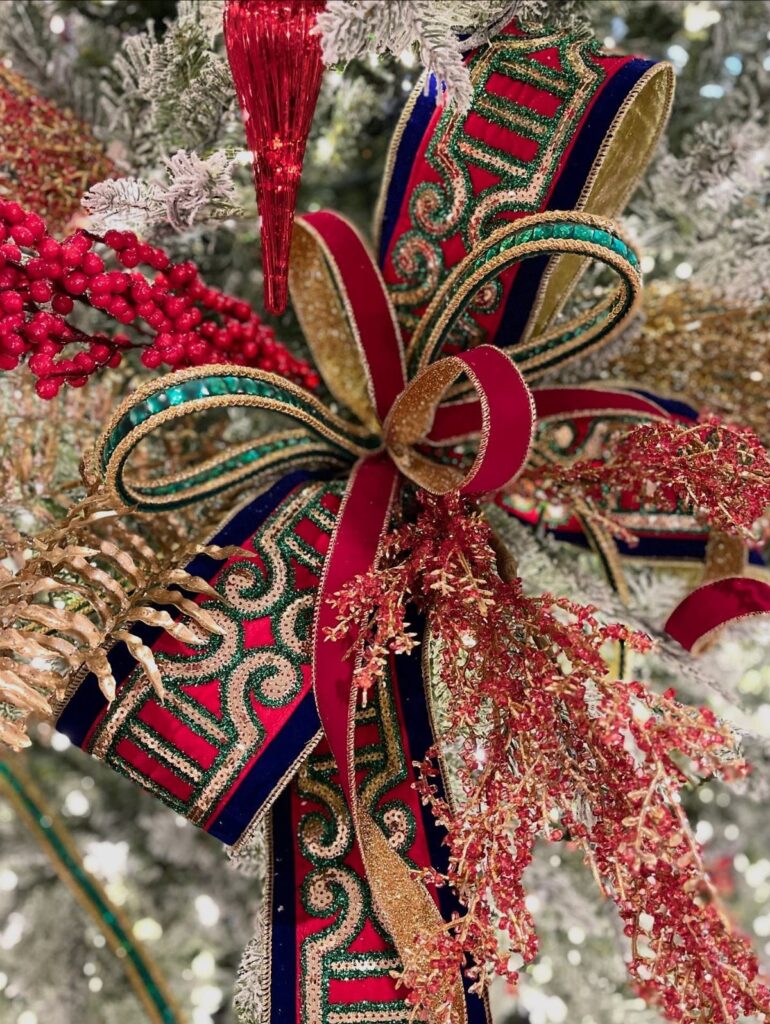
These 18 ribbon ideas start with billowy tufts you tuck in by hand and end with bows heavy enough to bend a branch, plus every width and texture between.
What separates one method from another is how much ribbon you own, how patient your fingers are, and whether you want the tree to read classic, glam, or somewhere nobody expects.
[link-whisper-related-posts]1. Billowy Tufts of Ribbon
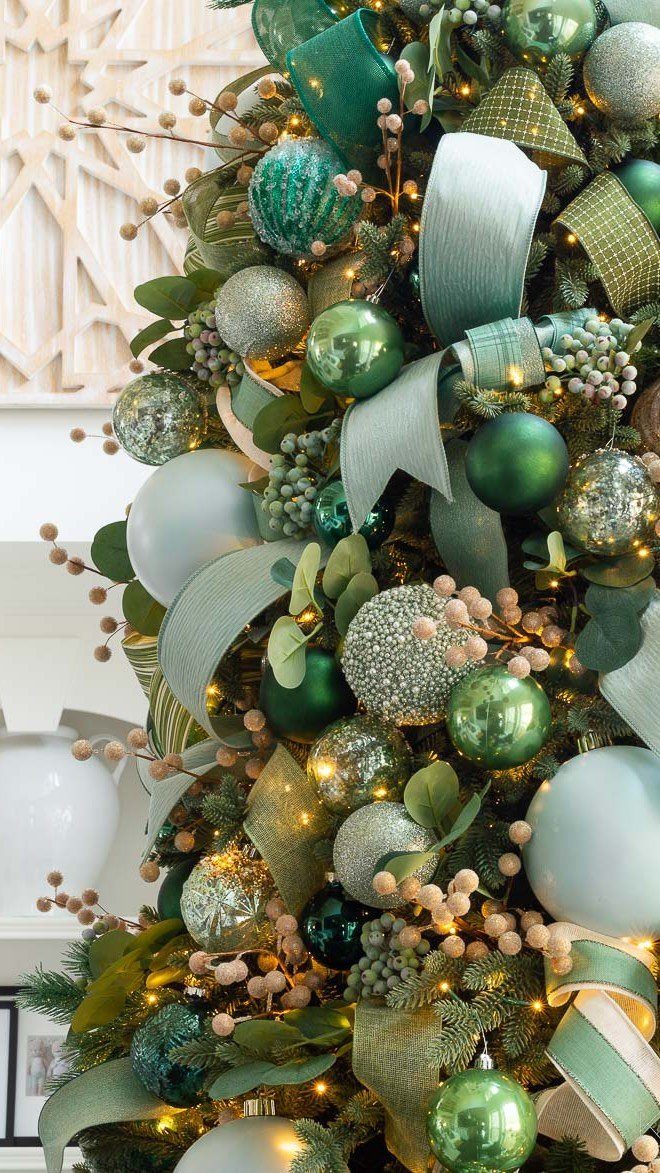
Billowy tufts turn a single ribbon into soft clouds that fill the gaps between ornaments. The loops catch light differently than strands, so the tree reads full from every angle.
Cut 12–18 inch pieces of wired ribbon. Wrap each ribbon loosely around your hand, then pull the inner end free so it falls into a natural spiral.
Tuck the top end deep into an inner branch and the tuft will hold without any visible support. The coil does the work; no twist ties needed.
This method eats ribbon faster than cascading, so buy more than you think you need and space the tufts closer than you expect. I like it best on trees with open gaps where traditional garland would look thin.

Package Includes : the package includes 6 rolls Christmas wired edge ribbon with 6 different styles in spools. One red velvet ribbon with fur edge, one Candy Cane striped ribbon with fur edge, one glitter "Merry Christmas" ribbon with fur edge, one glitter Candy Cane ribbon, one polka dot ribbon and one glitter glitter stitch linen with fur edge ribbon. Simple yet delicate, exquisite and eye-catching enough, easy to match with Candy Cane or red and white X-mas decorations.
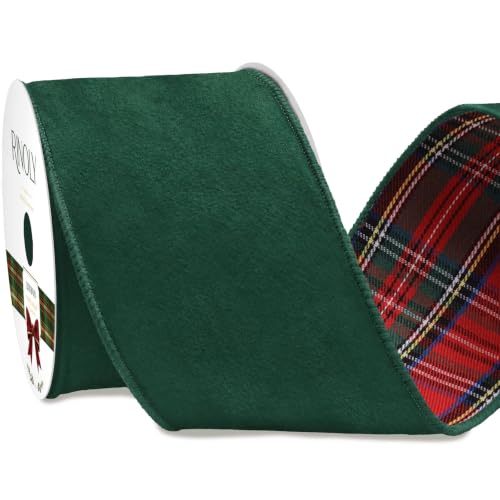
Size: Includes one 10-yard roll of forest green velvet ribbon wired with plaid on the back , 4 inches wide, in one continuous length with no splices. This Christmas ribbon is easy to loop and shape into bows for wreaths, gift wrapping and holiday decor

COLOR: Champagne Gold. The shimmery wire ribbon brings a bright and beautiful sparkly touchness to your decoration craft ideas and holiday gift wrapping. Make your decorations and crafts more attractive and add special festival feelings
2. Glittered Ribbons
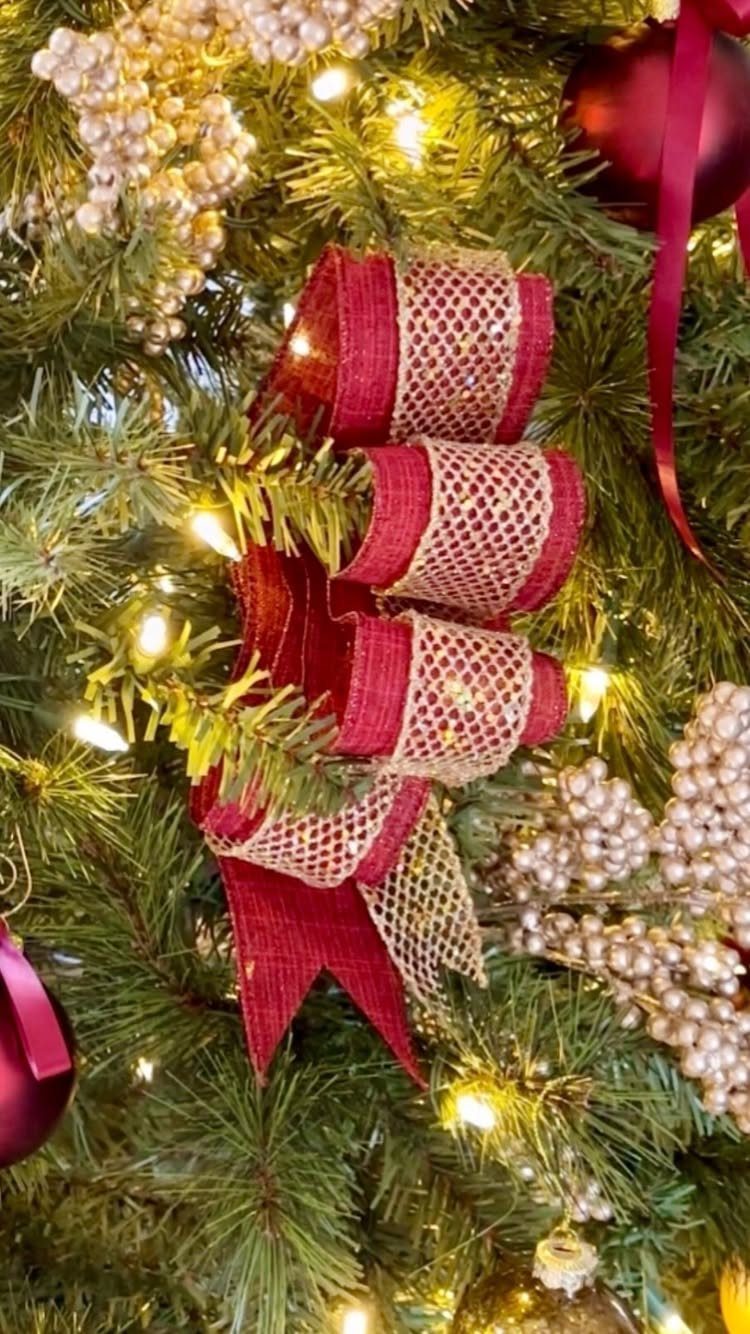
Glitter ribbon does one job: it catches the light your tree already has. Gold mesh layered over red fabric keeps the sparkle from reading as flat tinsel.
Wired glitter ribbon holds its shape through the season, but the loose stuff sheds. Work over a drop cloth, and vacuum the tree skirt before you add gifts.
Some brands seal the glitter better than others; the Raz 2.5-inch gold wired ribbon at 10 yards is enough for a standard cascade with a few loops left over.
I use glitter as the second layer, not the first.
Start with a solid velvet or satin base, then weave the glitter through where the tree lights hit. It reads as depth, not decoration.

Proper Size: our package contains a roll of metal glitter ribbon, approx. 2.5 inches/ 6.3 cm wide and 50 yards long; The sufficient length allows you to use the delicate ribbon for gift in all aspects and can meet your diverse decorative needs

[GOLD GLITTER RIBBON]- You will get 1 roll of gold wired edge ribbon with iron edge. Total length 11yards/10m, width 2.5inch/6cm. Enough to meet your various needs

Christmas Gift Ribbon Wired Christmas Ribbon for Tree / Christmas Present Ribbon: 1.5 Wire 4 PACK Sheer Xmas Ribbon w. Glitter: Organza Gift Wrap 40 yards / 10 Yd ea. Roll
3. Two Colors of Ribbon
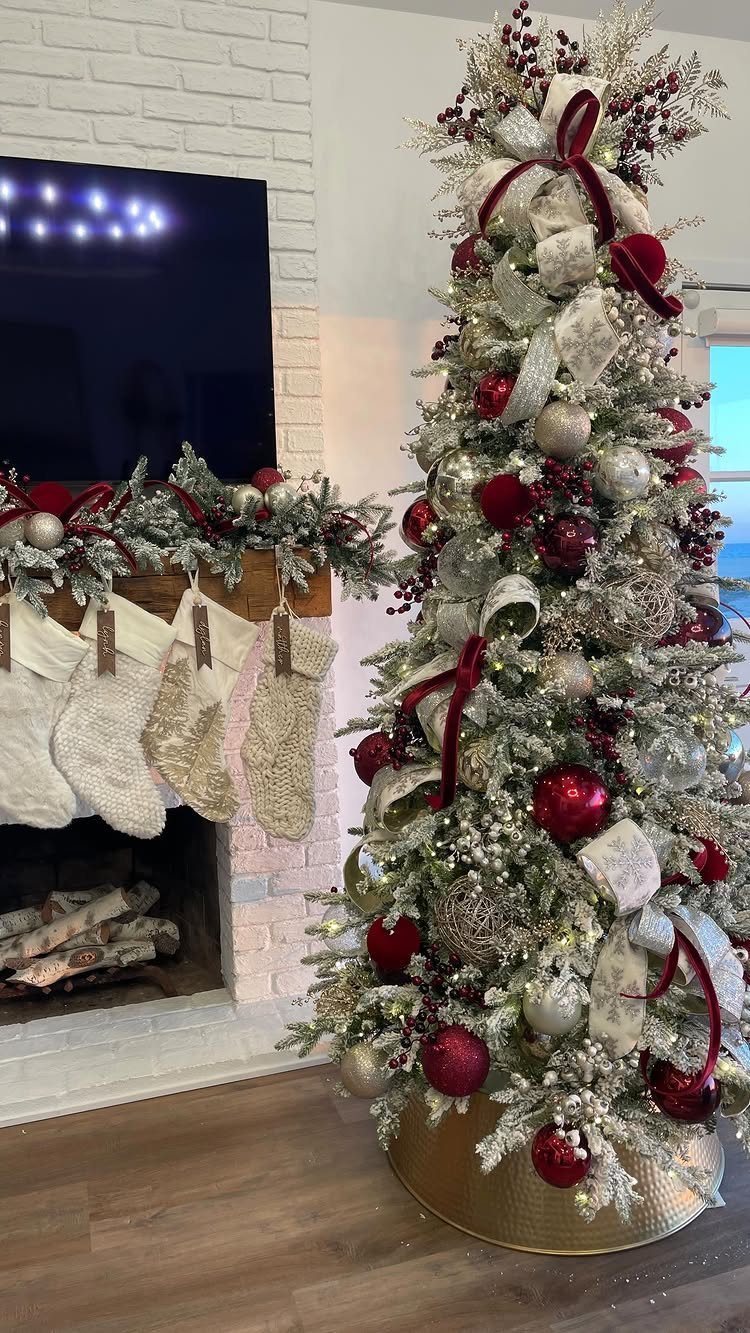
2 ribbons let you build a palette without buying ornaments in matching colors. Pairing red and silver against white flocking is easier than hunting down red, silver, and white baubles in matching sizes.
A velvet ribbon plus a textured one, like herringbone or striped, keeps the look from going flat.
Meg Young used this on a coastal tree with blue velvet and herringbone; the principle carries. One ribbon carries the main color, the other adds pattern or sheen.
Start with the wider or bolder ribbon as your base layer.
Add the second in shorter pieces, tucked higher into the branches so it reads as accent, not competition. 2 spools in different widths will layer a tree with enough left for garland ties.

A 10 inch wide, 10 yards roll of red metallic strips alternate with gold metallic strips for an ultra shiny mesh with a glam, metallic look. Great texture and sparkle that works for multiple themes. Whether you're making a wreath, a garland, or a bow, the beautifully full ruffles, curls and poofs that you fix into your design will stay that way.

A 10-inch wide, 10-yard roll of red deco mesh alternated with wide red metallic foil mesh is striped with gold foils for an ultra-shiny mesh with a glamorous, metallic look. It offers great texture and sparkle, making it suitable for a variety of themes. Whether you're creating a wreath, garland, or bow, the beautifully full ruffles, curls, and poofs that you shape into your design will maintain their form.

Abundant Quantity: you will receive 4 rolls mesh for wreaths and 100 pieces of cleaners craft chenille stems, which are very practical for making a large holiday wreath as you like
4. Christmas Tree Ribbon Bows
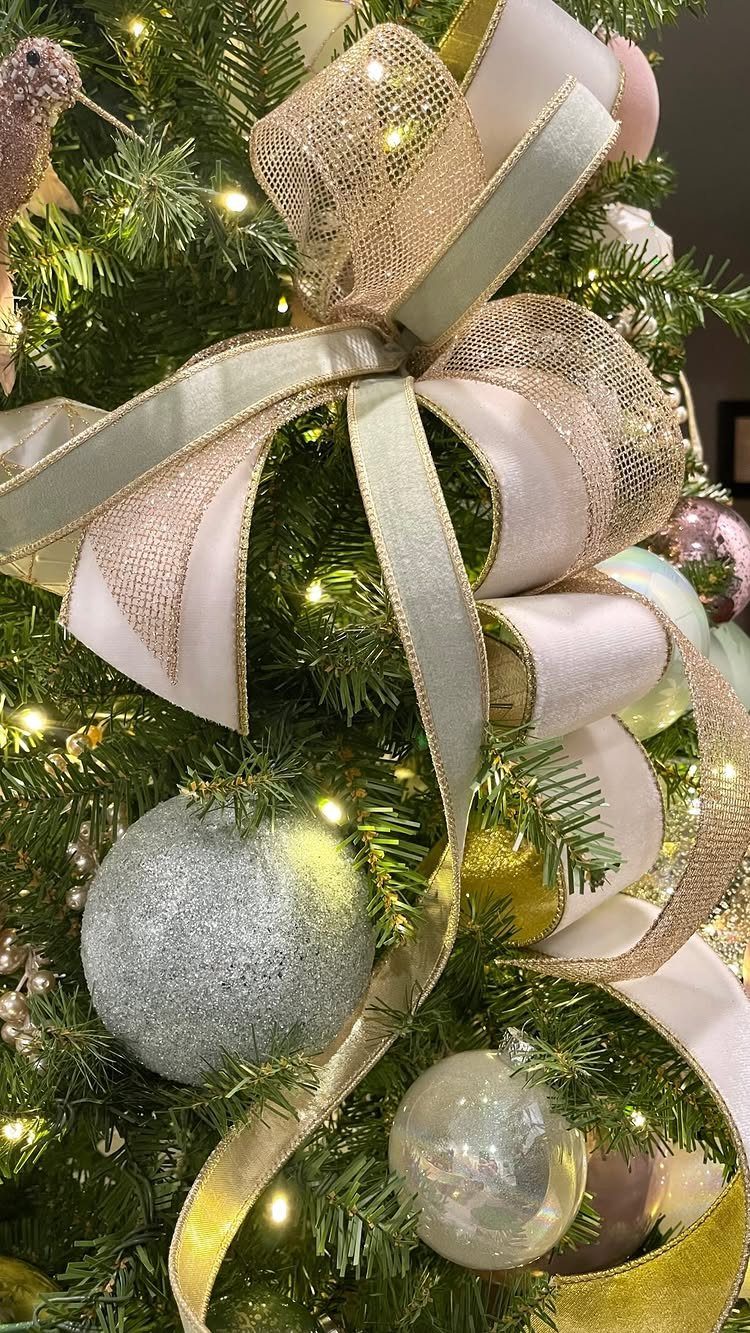
A bow this size turns a plain tree into something planned. Cream, gold mesh, and sage velvet layered into one multi-loop bow reads as ornament and ribbon both.
Wired ribbon is non-negotiable for bows that hold their shape.
Non-wired ribbon works for small branch-tip ties, but a bow this scale collapses without internal support. Cut tails long enough to drape past the branch ends; the eye reads the whole line, not just the knot.
Place one large bow at the top as a topper alternative, or scatter smaller ones at varying heights.
I make mine on a flat surface, then wire them to a branch rather than tying in place. Easier on the fingers, and the bow keeps its face forward.

Unique Material: Large christmas wreath bow is made of polyester fabric, featuring 7 distinct ribbon layers in coordinated christmas colors - Red and white. Prefect holiday decor, christmas wreath bows are reusable and not easy to break or fade

Package Includes: you will receive 12 pieces of red and black plaid bows in the package, they are handmade and specially designed for Christmas, Halloween, Thanksgiving theme decoration and gift wrapping
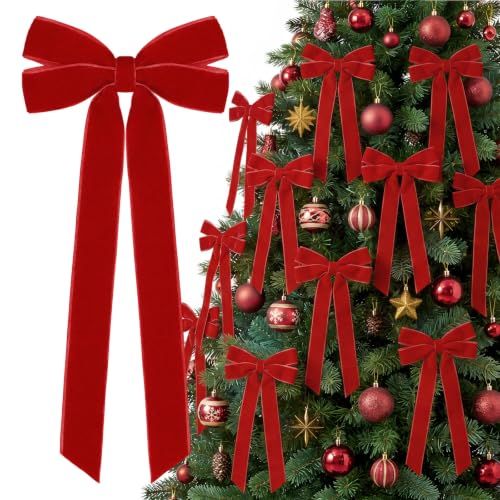
ʚɞ Unique Material: These Christmas ribbon bows are made of velvet material.Giving you a soft and smooth touch, bring a warm festive atmosphere.
5. Light Green Velvet Ribbon
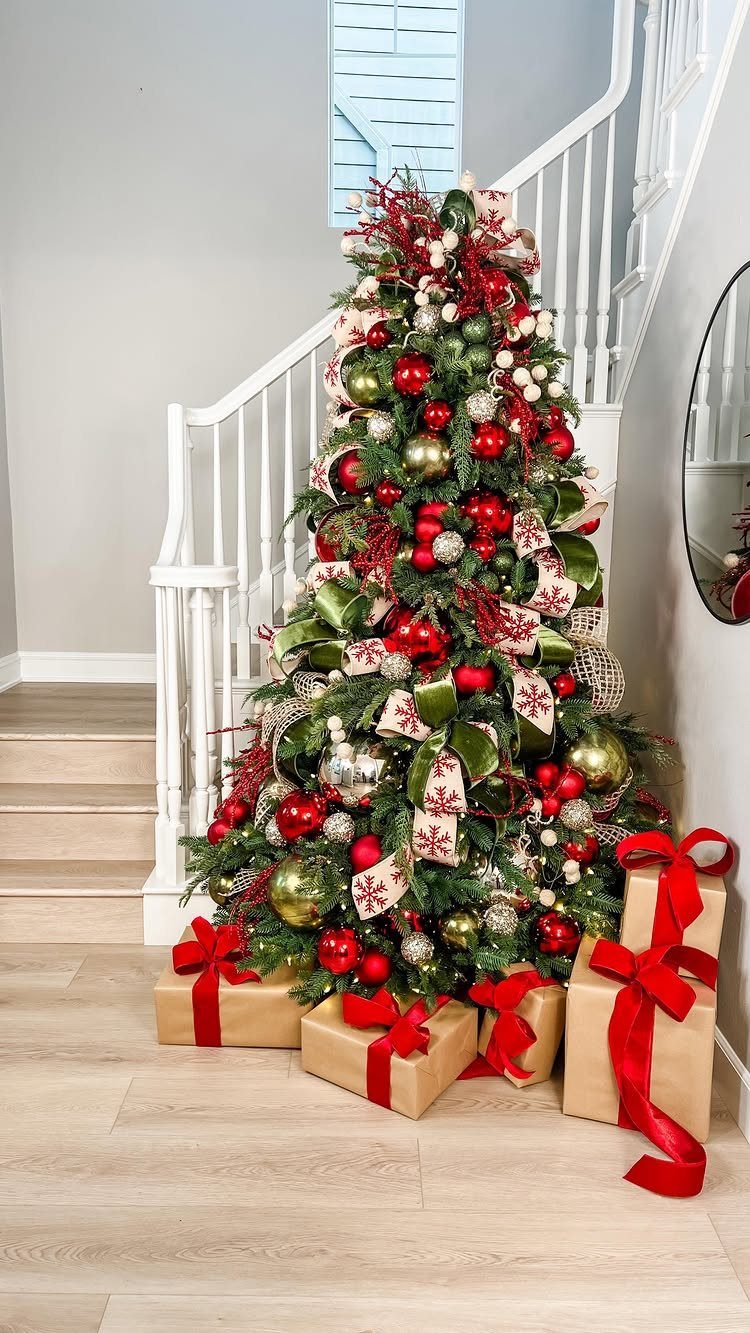
Light green velvet reads as fresh against traditional red, and softer than emerald if your ornaments already carry enough saturation. A narrow width tucks between branches without fighting for space.
Velvet has a directional pile that catches light unevenly, which is the point.
Run it in short vertical drops rather than spiraling, so the texture shows. One spool will do a tree with modest looping; double it if you want full coverage.
I like this color on flocked trees, where the white branches cool down the green.
On dark greens it can disappear unless you pair it with gold or cream ornaments that pick it up. The maker’s burgundy pairing with platinum shades works the same way: one warm, one cool, neither competing.

[ RED VELVET & SILVER JEWELED DESIGN ] This premium velvet ribbon features a rich red velvet face accented with a continuous row of faceted silver rhinestone accents through the center. The jeweled trim creates a striking band of sparkle across the ribbon, framed with metallic silver detailing for a refined finish. The reverse side features a shimmering silver silk metallic lamé fabric backing, adding a coordinated reflective look.

SIZE: Wired ribbon measures 1 inches wide and continuous 10 yards (30 feet ) per roll, providing plenty of length for multiple decorating and craft projects. The narrow width is ideal for gift wrapping, Christmas tree, wreaths, ornament bows, garland accents and other delicate projects

Our exquisite velvet Christmas ribbon features red crushed velvet on one side and a silver back on the other, creating a stunning contrast and a touch of opulence. Measuring 1 inch in width and 25 yards in length, it elevates your holiday decorations with its luxurious texture. Thanks to its wired edges, it’s perfect for crafting bows, gift wrapping, wreaths, and seasonal décor.
6. Wired Ribbon
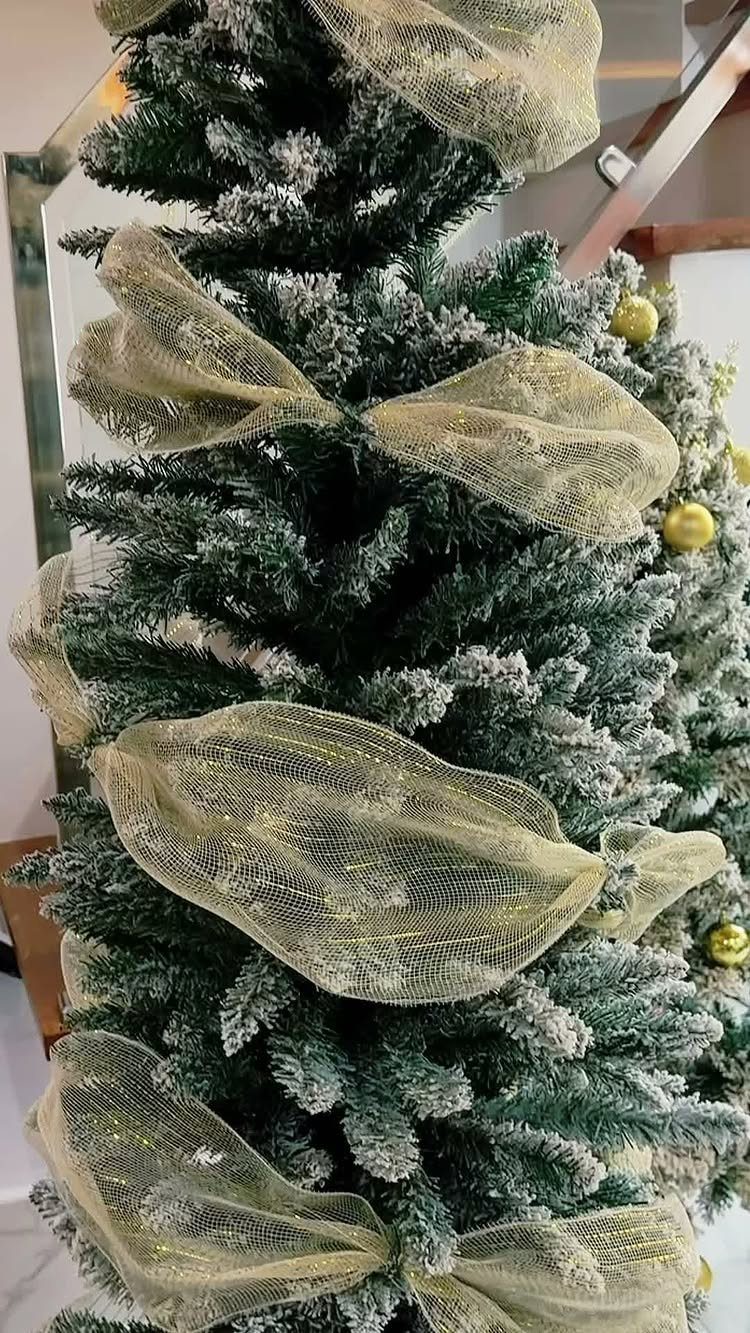
Wired ribbon is the one tool that makes amateur tree decorating look intentional. Gold mesh loops hold their puff because the wire inside lets you bend each curve against the branch.
Without wire, ribbon drapes.
That works for a loose, romantic look if you have the patience to arrange and re-arrange, but most weekend decorators do not. Wired mesh or satin will keep a loop you set in November through New Year’s.
Shape each loop by hand after you place it. The wire lets you tweak until the curve faces the room, not the wall.
I start at the top, work down in a loose spiral, and adjust the previous loop each time I add the next. The last few minutes of tweaking does more than the first hour of placing.

Size- Each roll of ribbon measure 2.5" in width and 6 yards in length, 6 rolls in a pack, 36 yards in total. Christmas ribbon is one of the most versatile and impactful accents you can add to your Christmas decor.

Size: 2-1/2 inch wide ribbon, continuous 10 yards per spool, convenient for you to use and store

Pattern Designs: Ribbon with metallic gold birch pattern on ivory faux fur ribbon, the gold and ivory color theme and faux fur material evoke a sense of elegance and cozy feel, ideal for crafting bows, decorating elegant trees
7. Choose Natural Materials
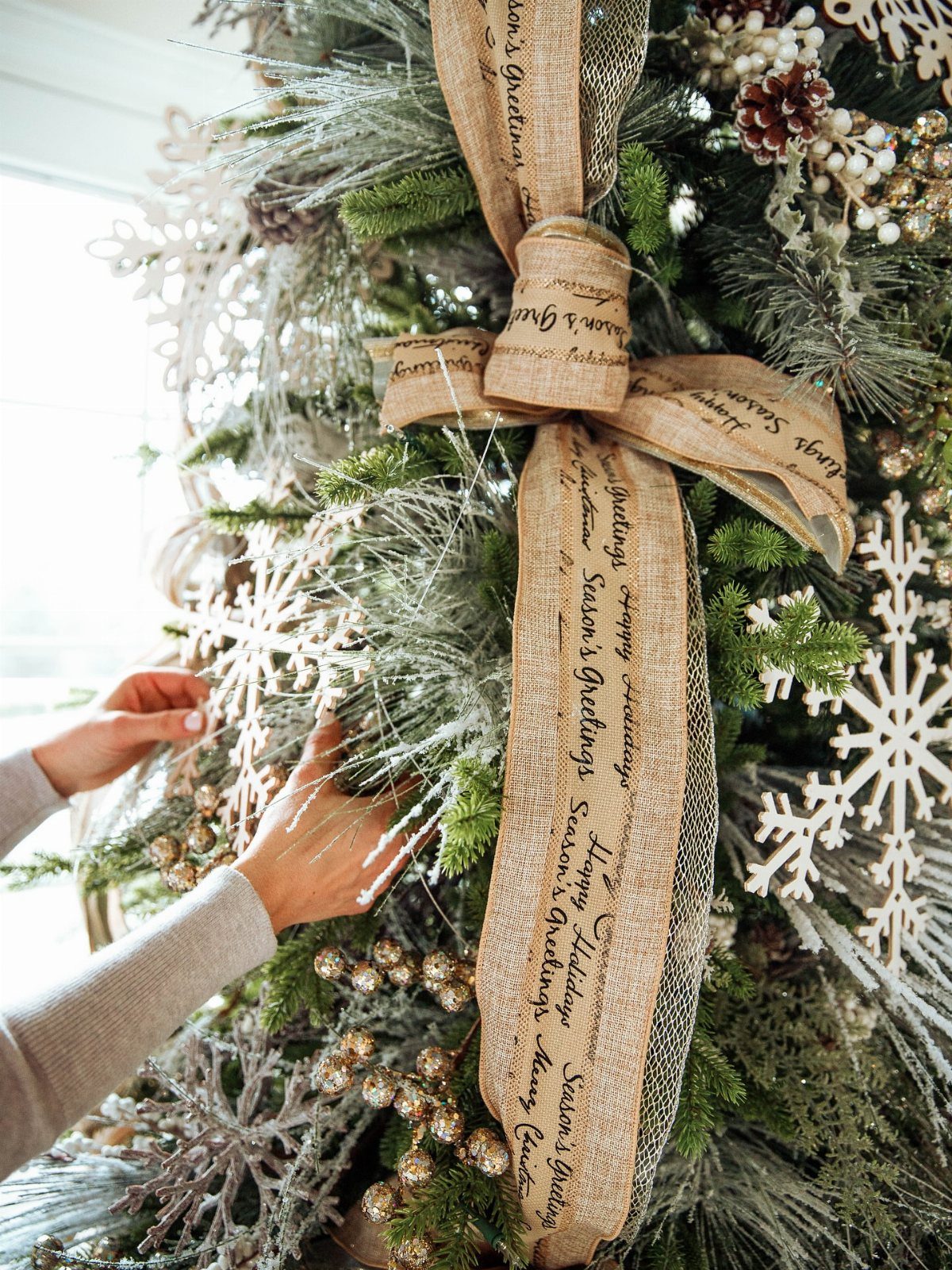
Burlap ribbon carries the grain of the fiber, so the tree reads as texture before it reads as decoration.
Script printing keeps it from going too plain; the words matter less than the irregular ink sitting on top of the weave.
The loose weave frays at the cut edge.
Seal ends with a quick pass of clear glue or fold them under before tucking into branches. Wired burlap holds a curve; non-wired drapes straight down like a scarf.
I use this when the ornaments are already busy: wooden snowflakes, berry picks, anything handmade. The ribbon steps back so the tree does not shout.

Ample for Your Various Needs: you will receive 2 rolls of ribbons for gift wrapping, each roll is about 6.4 cm/ 2.5 inches in width, 10 yards in length, total of 20 yards, allowing you to cut into different shapes and lengths, to meet your various decoration needs

[CHRISTMAS RIBBON WIRED] - Our Christmas gift ribbon is made from high-quality polyester, providing a soft and comfortable touch. Exquisite craftsmanship with metal wire stitched securely on both sides of the ribbon, making it resistant to fading and deformation. The edges of Christmas ribbon are reinforced with wire to prevent tearing and wear, ensuring durability.

Size: 2-1/2 inch wide ribbon, 5 yards per spool, 6 rolls per package, come with spool convenient for you to use and store
8. Ribbons with Holiday-Themed Patterns
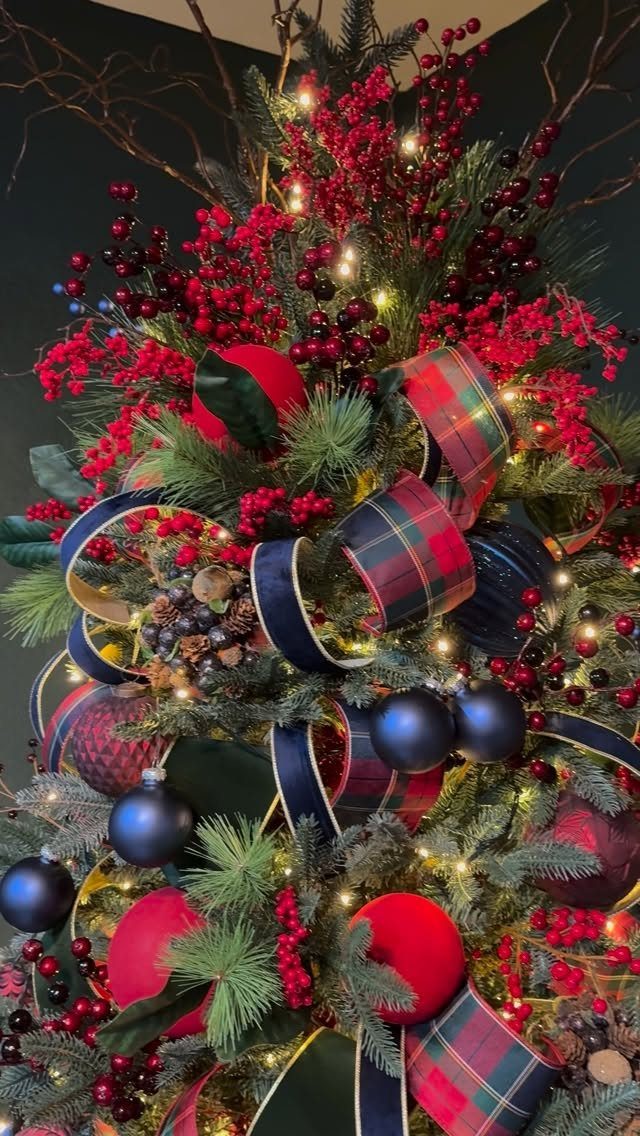
Plaid ribbon does the work of a color scheme without your having to choose one. Red and green crossing in a regular grid reads as Christmas before a single ornament goes up.
Pattern scale matters more than color.
A small check disappears on a full-size tree; an oversized check overwhelms a tabletop one. Hold the spool against your tree at arm’s length before you buy.
Cut plaid into 18–24 inch pieces and spiral them rather than tufting.
The repeating lines need to show their full run or the pattern muddies. Velvet or herringbone ribbon alongside adds solid color for rest; let the plaid carry the busy and the plain ribbon carry the calm.

Bold 2.5 Inch Width: Wide enough for statement décor, perfect for tree toppers, premium gift wrapping, chair sashes, table runners, and stage backdrops. Adds dramatic flair to holiday wreaths and event centerpieces

【Stretchable】Ribbon can be stretched from 2.5 inches to 7 inches wide, meeting your design needs.

Size & Package: 1 roll decorative mesh measures 10" wide and 30 feet (10yards) long, perfect size for your various decorative craft ideas
9. Silver Lace Ribbon
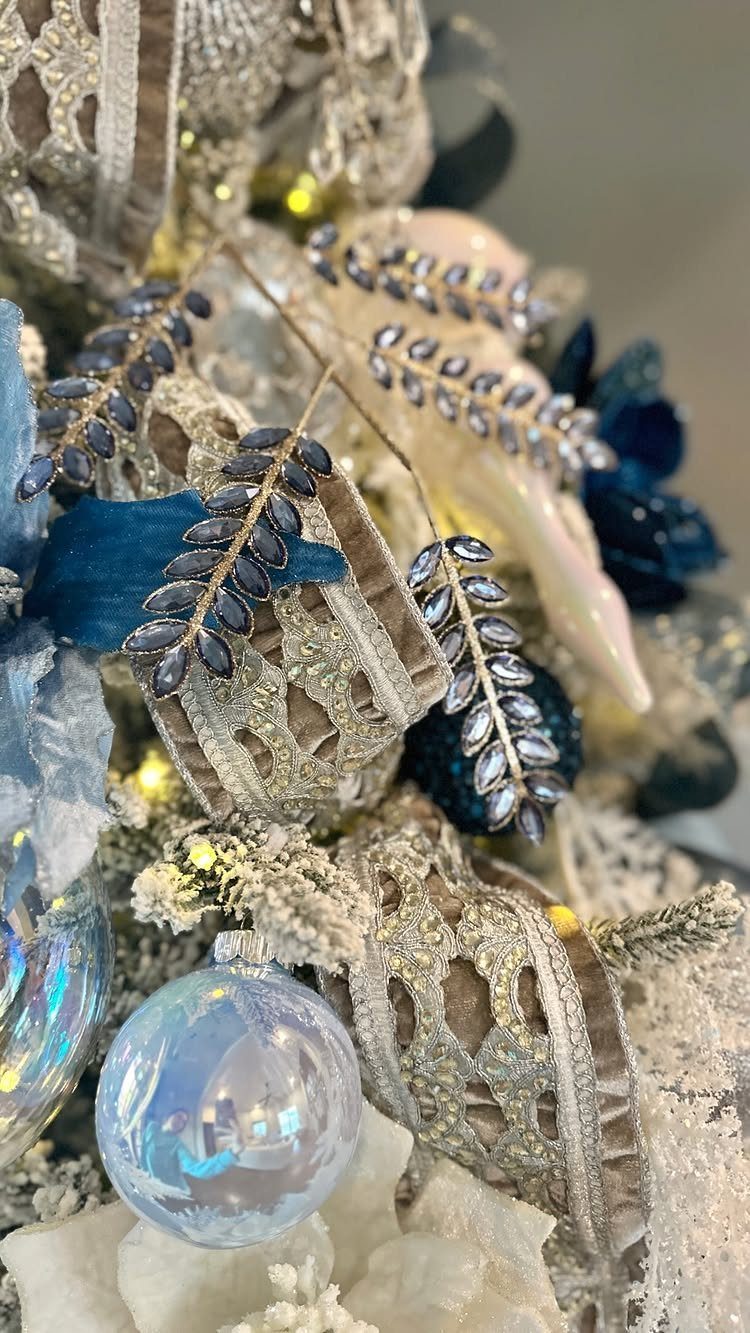
Silver lace ribbon is openwork, so it needs something behind it to read. Frosted branches or white lights give the metallic thread a surface to catch against; on dark green the lace sinks flat.
The mesh structure means it will not hold a loop without wire inside. Use it in long vertical drops from the top, where gravity does the shaping, or layer it over a solid satin ribbon that provides the body.
Jeweled picks and iridescent ornaments share the same reflective quality; too many competing finishes and the tree turns to noise.
I keep lace ribbon to one zone, the upper third where the eye travels first, and let the lower branches go simpler.

🎀 CHRISTMAS BOW EARRINGS: Bright red bow shaped Christmas earrings feature snowman, snowflake, Christmas tree, candy cane, gingerbread, holly and star motifs. The layered holiday pattern and gold tone trim create a cheerful statement design made for festive seasonal styling.

Two Large Bows: Package Includes 2 large red green white candy-pattern bows, each measuring 27 x 14 inches with 4 long swallowtail tails. Enough to top a tree and dress a wreath or mailbox

A Christmas tree in black, red and yellow layers with illustrated candles, heart ornaments, bows and a glowing star.
10. Rich Red Velvet Ribbon
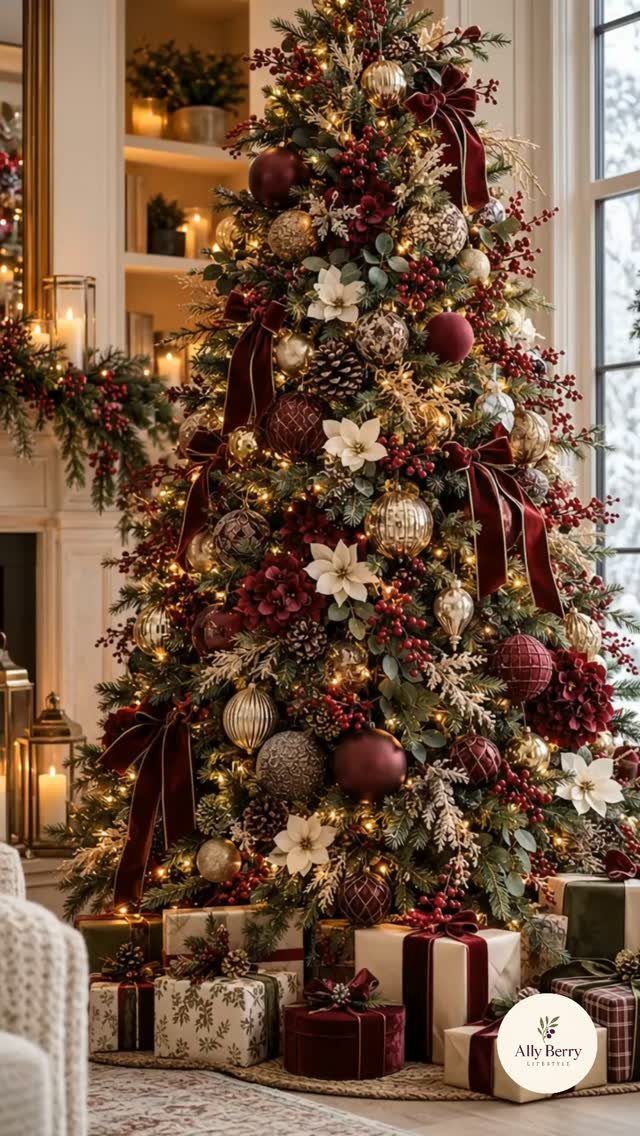
Deep red velvet carries saturation that ornaments rarely match, so it anchors a tree instead of floating above it. White flowers against that red read as deliberate contrast, not afterthought.
The pile of velvet swallows light; pair it with matte gold or cream rather than high-gloss finishes, or the ornaments will look cheap against the ribbon’s depth.
Wider ribbon makes bows that hold their own on a full-size tree; narrower widths work for looping through branches without bulk.
The eye follows the line down, so the ribbon finishes where you want attention to land.

Our exquisite velvet Christmas ribbon features red crushed velvet on one side and a silver back on the other, creating a stunning contrast and a touch of opulence. Measuring 2.5 inch in width and 10 yards in length, it elevates your holiday decorations with its luxurious texture. Thanks to its wired edges, it’s perfect for crafting bows, gift wrapping, wreaths, and seasonal décor.

Size: 4 inch wide ribbon, continuous 10 yards length without splices, 1 roll per package

✅ New Upgraded Silver Glitter Sparkle Design. We have upgraded the traditional solid-color velvet bows with exquisite silver glitter accents for a more luxurious and modern look. The delicate silver shimmer blends perfectly with the premium red velvet texture, creating a gorgeous luminous effect under light. Featuring layered and elegant gloss without being overly gaudy, this updated design combines vintage velvet texture and trendy sparkling elements, making your holiday decor more unique and eye-catching than ordinary decorative bows.
11. Cascading Waterfall Ribbon
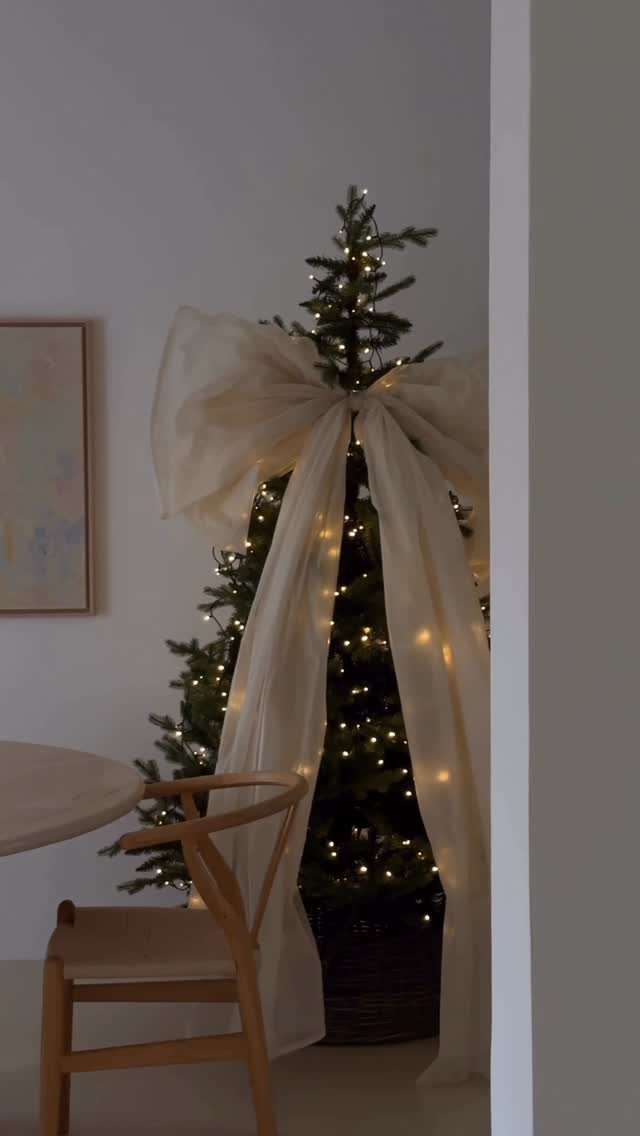
A single bow with tails that run the full height of the tree turns vertical space into decoration. Cream fabric with a slight irregularity reads as linen or heavy cotton and keeps the look from seeming store-bought.
The bow itself sits at the top, wired to the trunk or a sturdy upper branch.
Tails need weight to fall straight, so choose a wider ribbon with wired edges. Unwired fabric will billow out and lose the waterfall line.
This method uses less ribbon than spiraling but still needs a full spool for the tails alone on a standard tree. I start the tails from the bow back, not the front, so the pretty face stays clean.
12. Black and White Check Ribbon
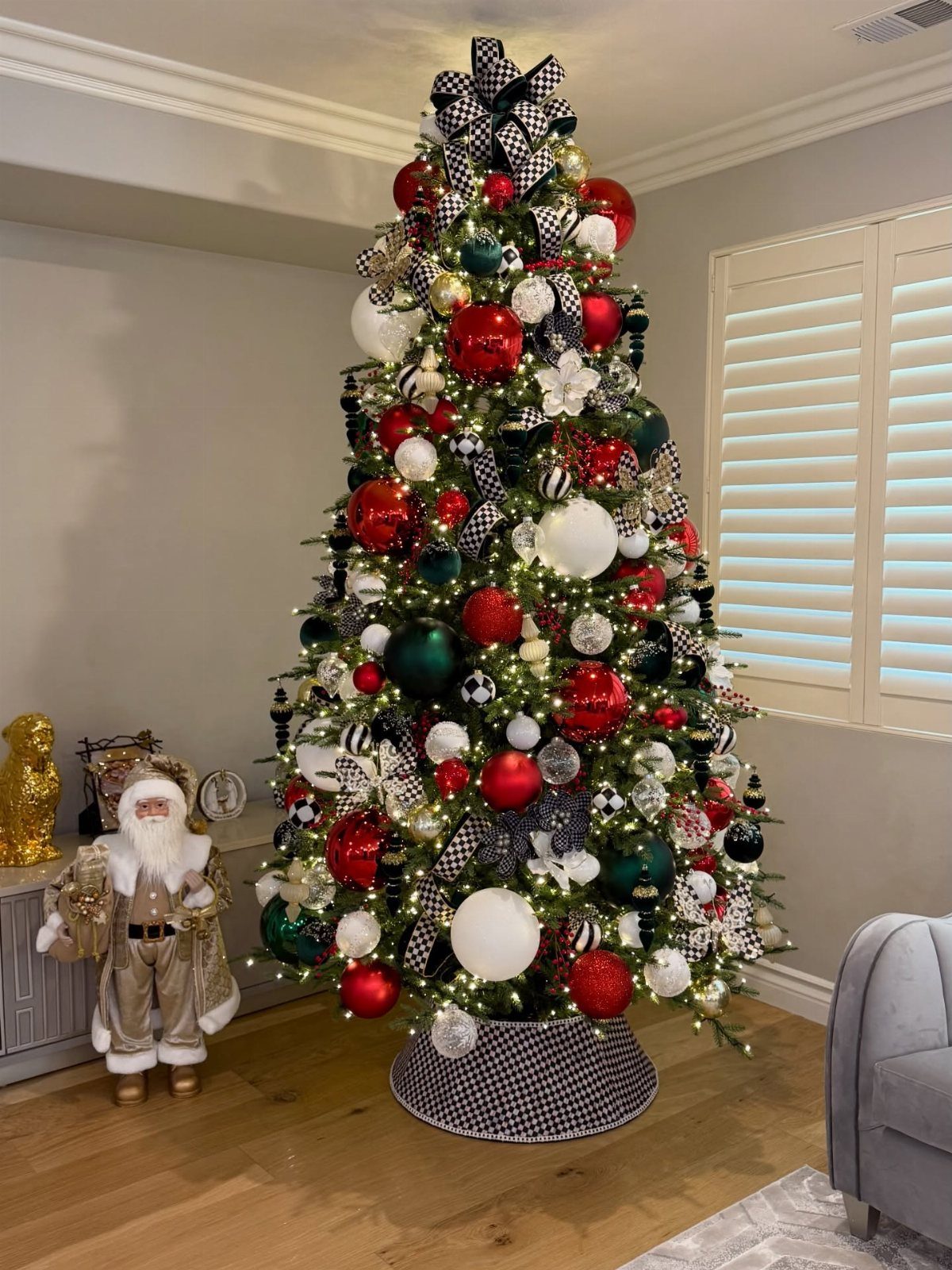
Black and white check against red and green ornaments reads as graphic, not traditional. The high contrast does the heavy lifting; the ornaments can be simple spheres and the tree still looks designed.
Checks run best as vertical strips rather than spirals.
The diagonal of a spiral fights the grid of the pattern; straight drops let the squares read as squares. Space them evenly, three or four per side on a standard tree, and let the negative space between them breathe.
A matching collar and topper turn the check into a system. Without those repeats the ribbon can look like the one bold thing you bought and did not know where else to put.
13. Champagne Velvet Ribbon
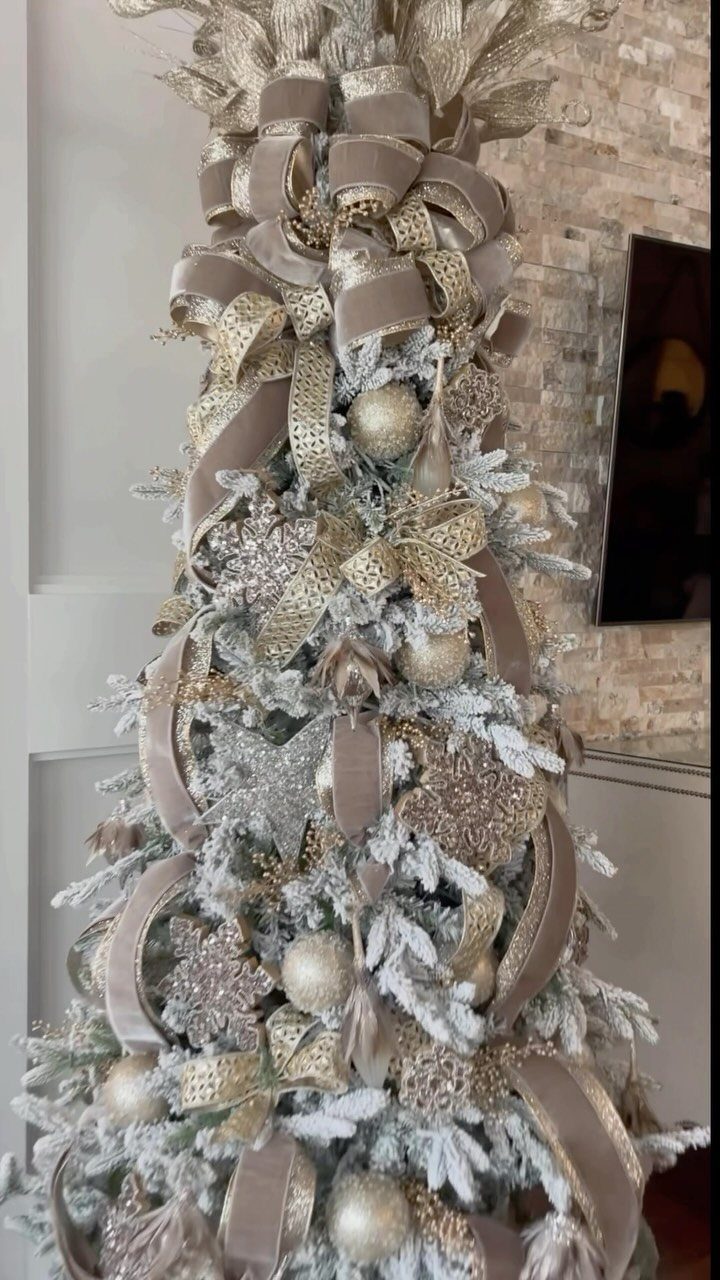
Champagne velvet warms up a flocked tree without the yellow cast that gold can bring. The color sits between metallic and neutral, so it pairs with silver, brass, or copper ornaments without clashing.
Wired edges are a must for velvet this wide; the pile is heavy and will sag otherwise.
Two and a half inches is enough to read from across the room on a standard tree, three and a half if you want the ribbon to carry the whole look.
Champagne velvet works best when the ornaments already mix matte, shiny, and metallic finishes. The ribbon unifies them by being softer than any metal but still catching light.
14. Woven Tri-Color Ribbons
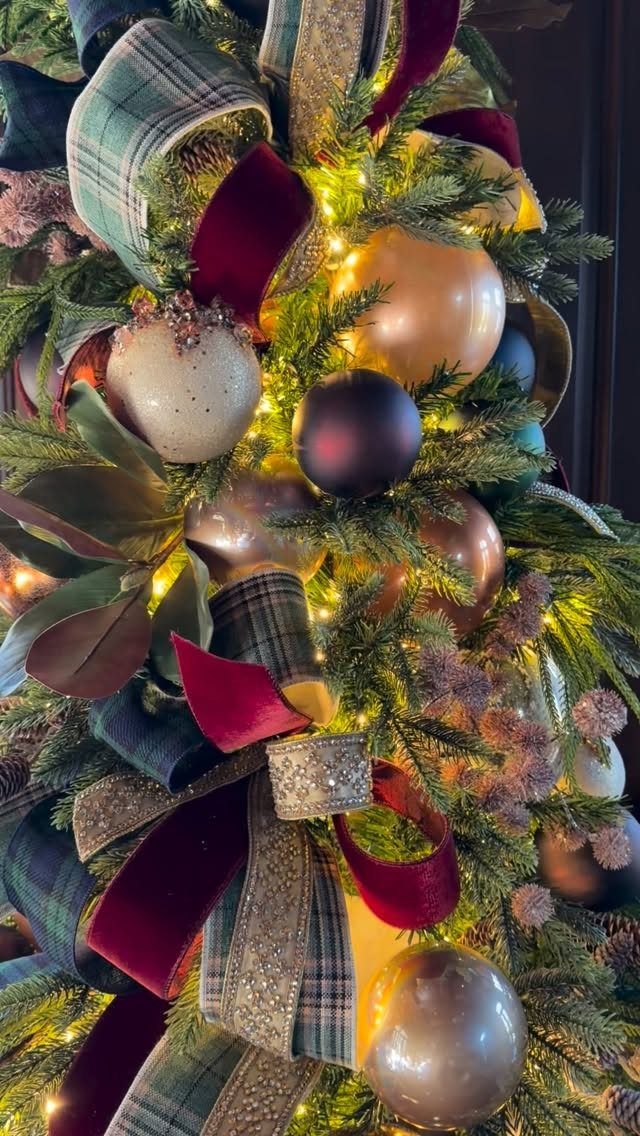
Weaving three ribbons together lets you pull in several colors without letting any one of them take over. Plaid, burgundy velvet, and a narrow embellished band each pull a different thread from the ornaments: the metallic, the matte, the handmade.
Vary the widths so the eye catches the widest first and reads the narrower ones as accents, not noise.
A wide plaid base, a medium velvet looped through it, and a thin braided cord tucked at the joints keeps each ribbon in its lane.
Unwired velvet frays but drapes softly; use it where the drape matters more than the hold.
A yard of each color at a time lets you step back and check before the next length goes in.
15. Layered Ribbons
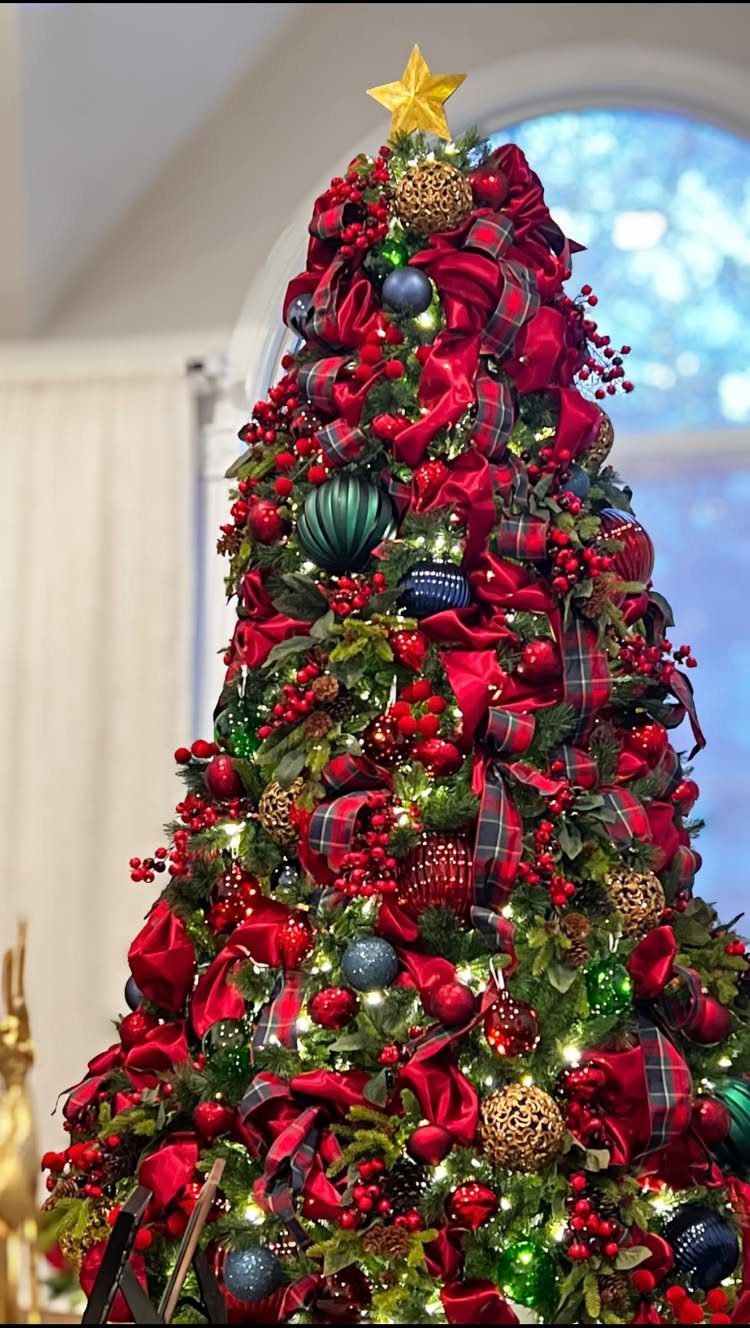
Layering ribbon is how you get depth without buying more ornaments. Red satin under plaid reads as two textures occupying the same space, not two decorations competing for it.
Tuck the second ribbon into the gaps the first leaves, at a different angle so both remain visible.
Two 18–24 inch pieces of the same length can be tufted together; wrap both around your fist, pull your hands apart, and the curl holds them as one.
Leave the tails loose and draped rather than tucked in; the movement catches light differently than a neat end. That takes more ribbon but gives a fuller, less controlled look.
16. Use Seasonal Colors
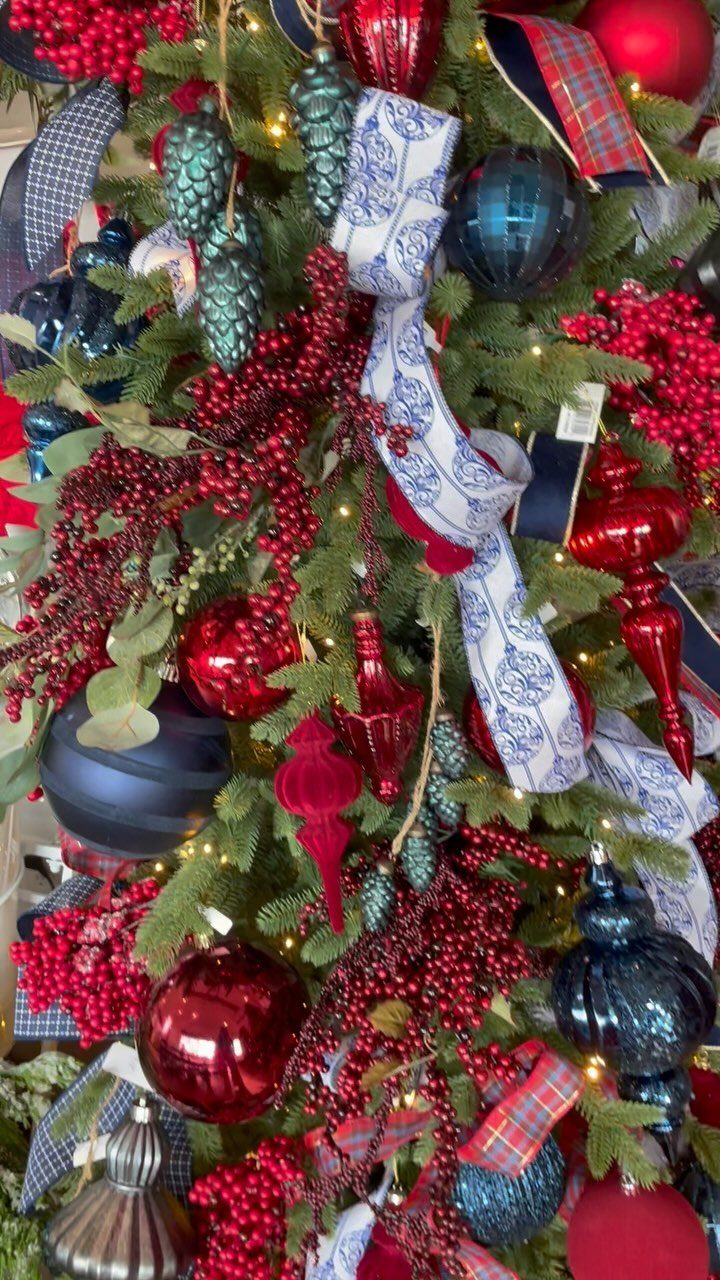
Seasonal color does not mean defaulting to red and green. A blue and white ribbon against red berries reads as winter because the palette is cool, not because it copies a Christmas card.
The ribbon needs enough contrast against the tree itself to show up. Dark green ribbon on a natural tree disappears; hold a strip across the branches and step back before you commit.
Sheer or narrow ribbon tends to vanish once the lights go on, so go wider or more opaque than your first instinct.
I think of the ribbon as the largest single color block on the tree. If it does not fit the season you are aiming for, no ornament count will save the look.
17. Oversize Christmas Tree Ribbon
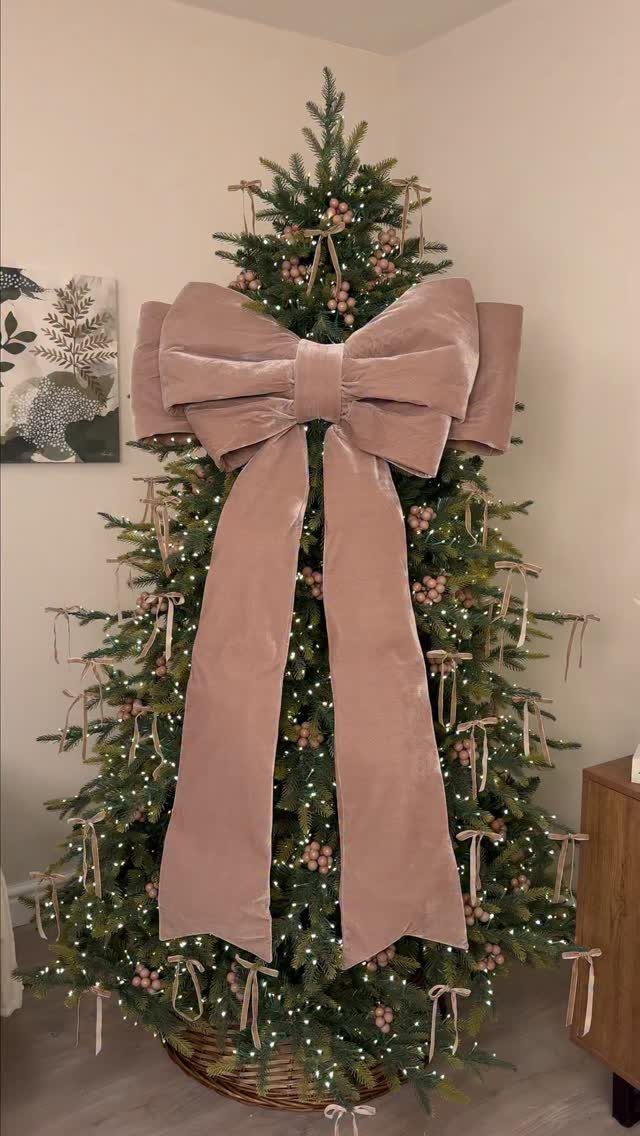
A bow the size of a wreath at the top of the tree replaces the star and the angel both. Dusty rose velvet reads as modern because the scale is unexpected, not the color.
The bow needs wired ribbon wide enough to hold its structure, with enough yardage for tails that run a good third of the tree’s height.
Wire the bow to the trunk or a sturdy branch near the peak, not to the tip, so it sits solidly and the face stays forward. Tails start from the back of the bow so the knot stays hidden.
This is the one ribbon idea that can carry the whole tree, though a few small bows tucked in do not hurt it. Let the bow dominate and keep the rest simple.
“Ribbon is the unassuming detail that can really upscale your tree,” says professional tree decorator and florist Julia Testa. “An oversize ribbon as a tree topper is not only a creative alternative to a traditional star or angel, but it gives wonderful height and drama.”
18. Use Non-Traditional Colors
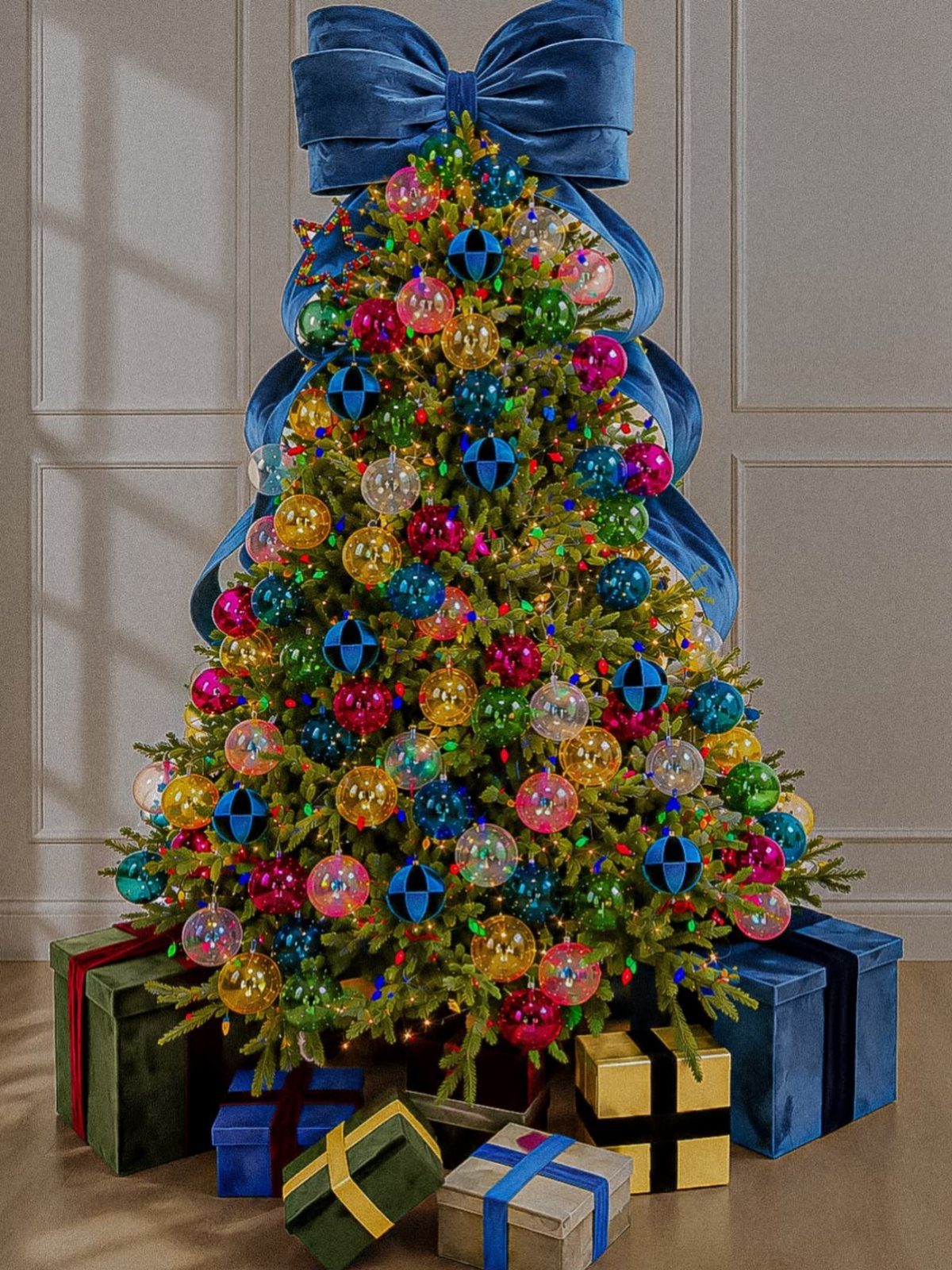
A blue velvet bow on a multicolor tree works because the ornaments already refuse tradition; the ribbon just commits to the refusal. Cobalt, teal, or a dusty slate each reads as deliberate against standard red and green.
The risk is the ribbon looking like the one thing you could not match.
Anchor it by repeating the color in at least 3 ornaments scattered through the tree, or the bow floats untethered. Wired ribbon holds the shape; a bow this size in unwired velvet collapses under its own weight.
I would check the color in daylight and in lamplight both. Blue shifts more than warm colors under artificial light, and a shade that reads sophisticated in daylight can turn cold once the lamps come on.
Choosing the Right Ribbon
Non-wired ribbon has its place: a soft drape from branch tip to branch tip, or a loose spiral that moves when someone walks past. Unwired fabric goes limp mid-season, so keeping it full takes patience and a lot of fussing.
If you find a color or texture you cannot pass up and it has no wire, plan on checking and resetting every few days, or use it only in short pieces that do not need to hold a shape.
Placement Techniques
Start every ribbon placement deep inside the tree, not at the branch tips.
Pinch the cut end and twist 2 branch tips around it; the greenery hides the anchor and the ribbon reads as growing out of the tree, not sitting on top of it.
Most artificial trees have enough tips to grip without help. If yours does not, floral wire in 22 gauge is thin enough to disappear but strong enough to hold through reshaping.
Ribbon goes on before ornaments. Once the balls and picks are in place, you are working around obstacles instead of with the structure of the branches.
The exception is a tree topper bow; that can wait until last, since it sits above everything else and needs clear sight lines from below.
Assessing Your Design
Step back after every third or fourth placement. The tree reads differently from across the room than it does with your face in the branches, and the side you are working on will always look heavier until you circle around.
Turn the tree if it is on a stand that allows it; otherwise, walk the room. The silhouette the tree cuts against the wall matters more than the perfection of any single loop.
Balance does not mean symmetry. A ribbon cascade that starts lower on one side corrects a tree that leans slightly, or a wall that catches more light on the left.
What you are checking for is empty zones, places where the eye stops because nothing leads it onward. Fill those, not the spots that already hold enough.
Using Multiple Ribbons
A 3-inch or 4-inch ribbon carries the visual weight; a narrower one layered over it adds detail without demanding its own space.
If you cannot find the wide ribbon you need, two lengths of 2.5-inch ribbon glued back-to-back, seam covered with a third narrow strip, will read as one substantial band.
Direction is not a rule you choose once and follow.
2 loops vertical, then a cut and a restart heading diagonal, keeps the eye moving. The pattern should feel found, not plotted; too regular and the tree goes mechanical.
Cut the ribbon freely. Short pieces let you place exactly where a gap needs filling, rather than fighting a continuous length around obstacles you did not see coming.