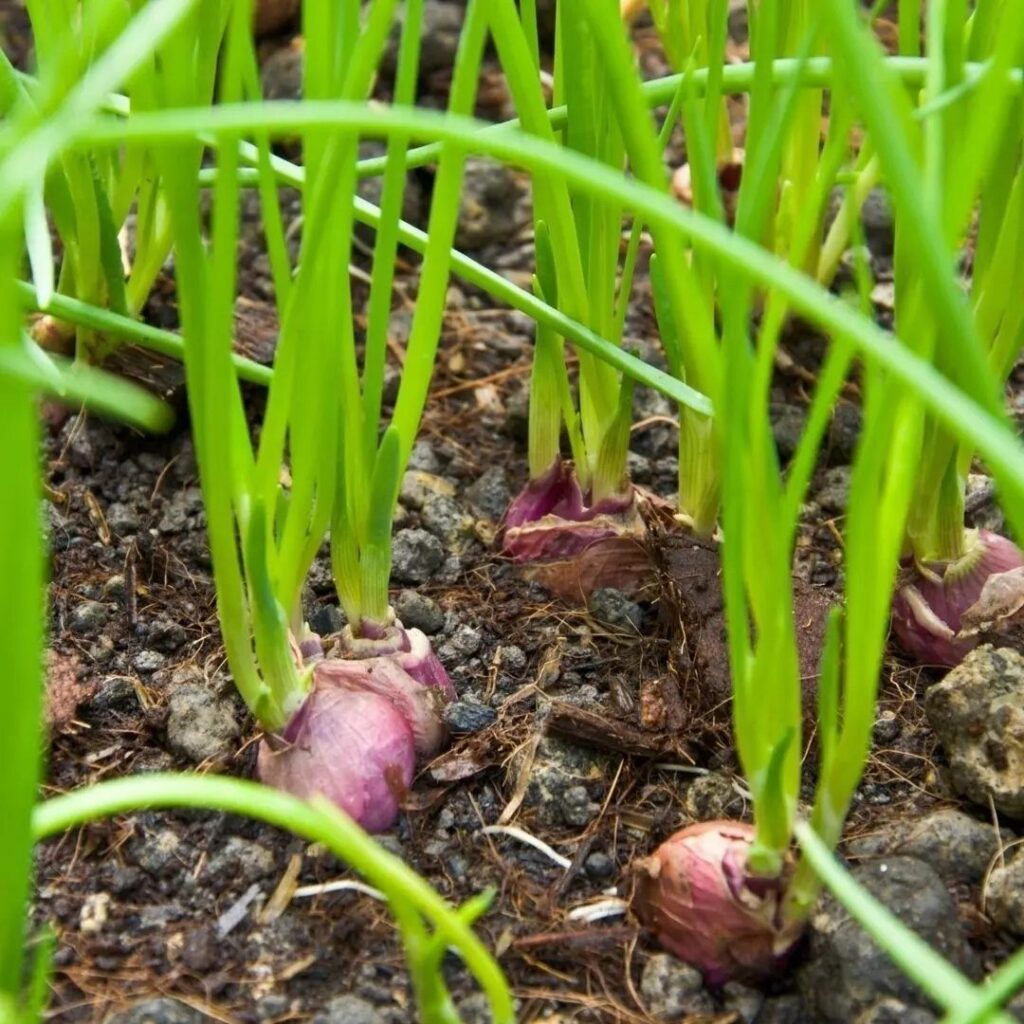
The 11 vegetables below run from radishes ready in 24 days to tomatoes that fruit until frost, and the one that belongs in your garden depends on whether you need fast satisfaction or a season-long supply.
Heat tolerance separates the reliable picks: cherry tomatoes and hot peppers handle short northern summers where sweet peppers stall green, while kale and lettuce shrug off cold that would stop zucchini or cucumbers.
A simple cage and a 5-gallon bucket will keep one cherry tomato plant producing salad tomatoes from July until the first hard frost.
[link-whisper-related-posts]1. Tomatoes
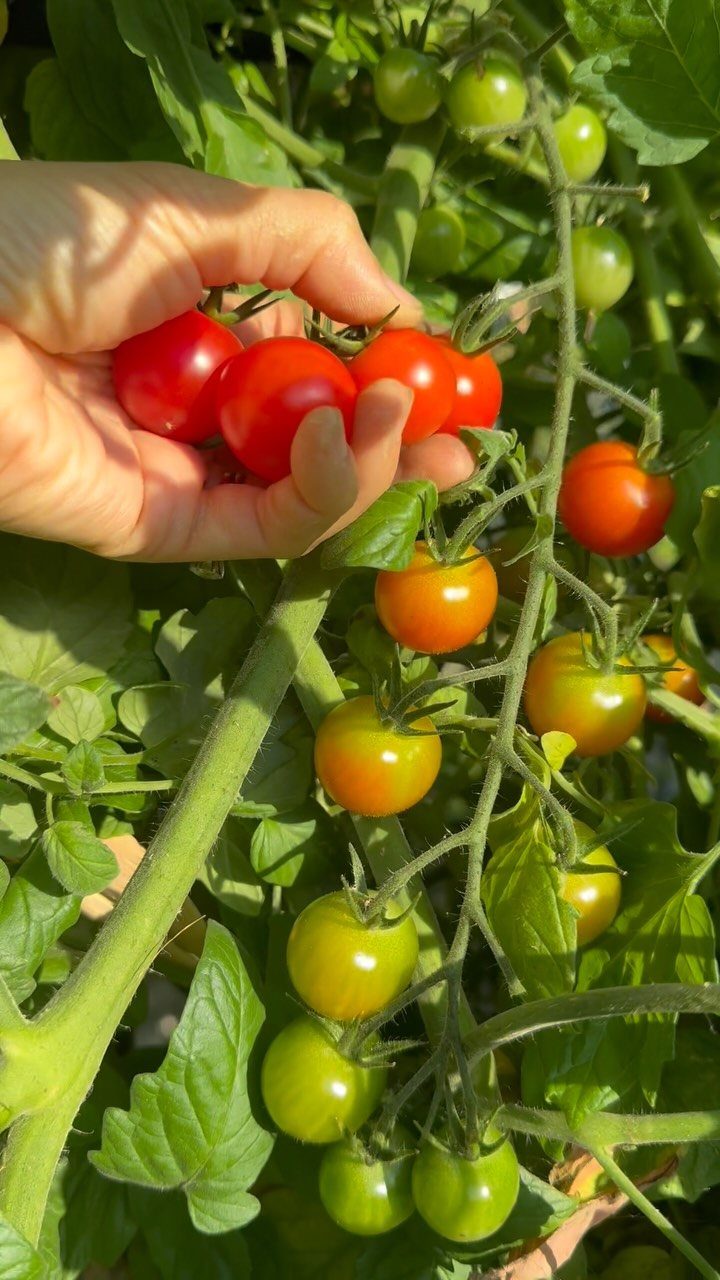
Cherry tomatoes pay back the least effort with the most fruit. One plant in a 5-gallon container on a sunny balcony will keep a small household in salad tomatoes from July until frost.
I start with determinate paste types like Roma or any cherry variety; smaller fruit ripens faster and needs less staking than beefsteaks.
A simple cage beats fussing with twine, and consistent watering prevents the blossom end rot that ruins a first-timer’s harvest.
Heat is non-negotiable.
Direct sun matters more than total hours; the more the plant gets, the heavier it fruits. In cloudy northern summers, cherry tomatoes still ripen where larger varieties stall green.
2. Zucchini
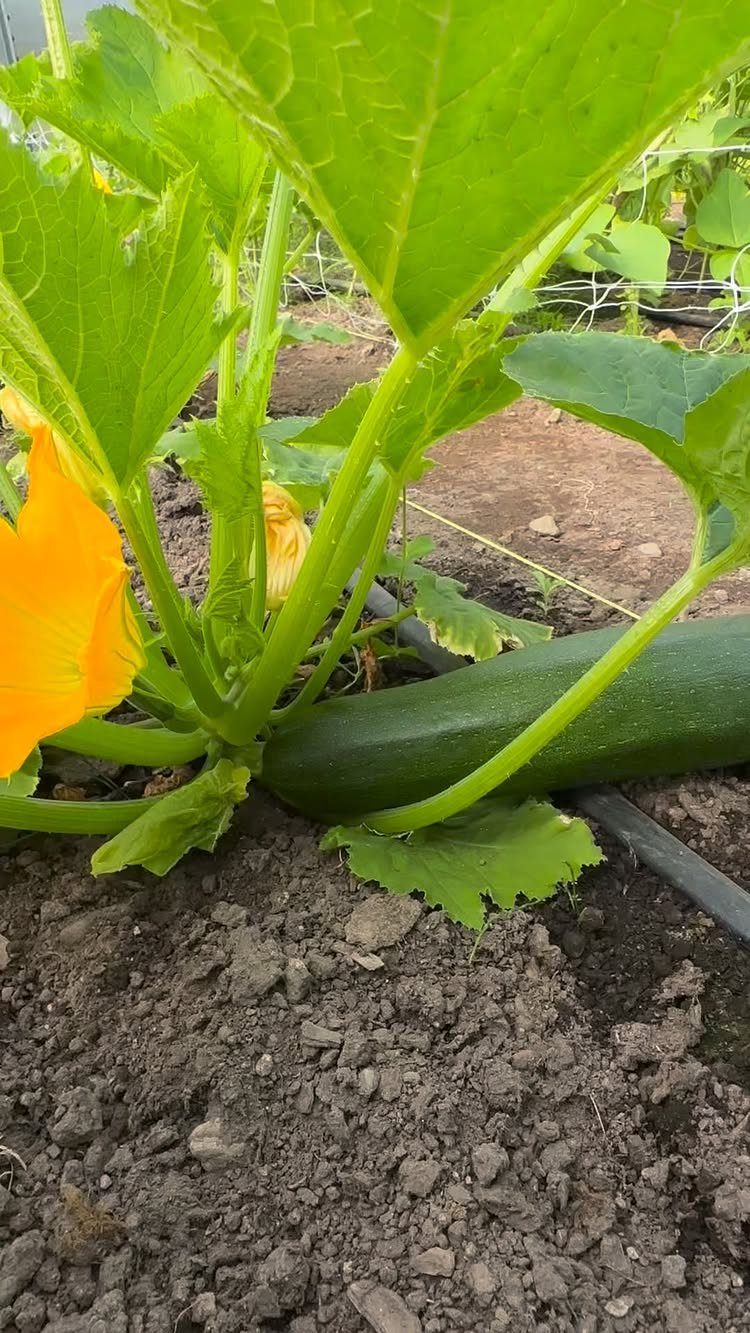
Zucchini rewards the lazy gardener with more squash than recipes. Two plants feed a family of four; three and you are leaving bags on neighbors’ porches by August.
I plant after the last frost date when soil warms, and I harvest while the skin still dents under a fingernail.
Oversized fruit turns seedy and bland fast. Yellow Crookneck or Black Beauty are forgiving starters; both handle average soil if watered regularly.
Powdery mildew hits in late summer regardless of care.
I pull plants when leaves whiten, having already frozen shredded zucchini for winter baking. The early glut is the point; this is not a crop that paces itself.
3. Cucumbers
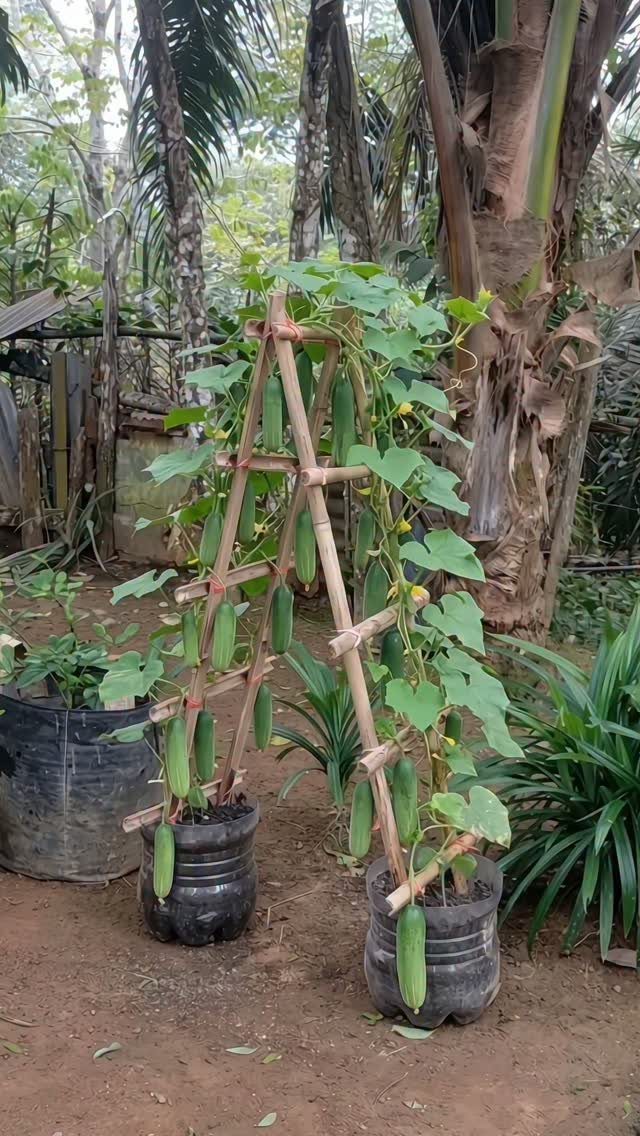
Cucumbers climb fast and harvest cleaner on a trellis. An A-frame trellis lifts fruit off damp soil, away from slugs, and exposes all sides to light so color stays even.
I choose purpose before variety: Marketmore 76 for slicing, Chicago Pickling for brine.
Vining types need room or a container with support; bush types exist but produce less. Consistent moisture matters more than perfect soil; dry spells turn them bitter overnight.
Powdery mildew arrives late season here too.
I plant where morning sun dries leaves quickly and stop expecting once vines yellow. For the effort, a trellis of cucumbers gives more crisp summer slices than I usually plan for.
4. Lettuce
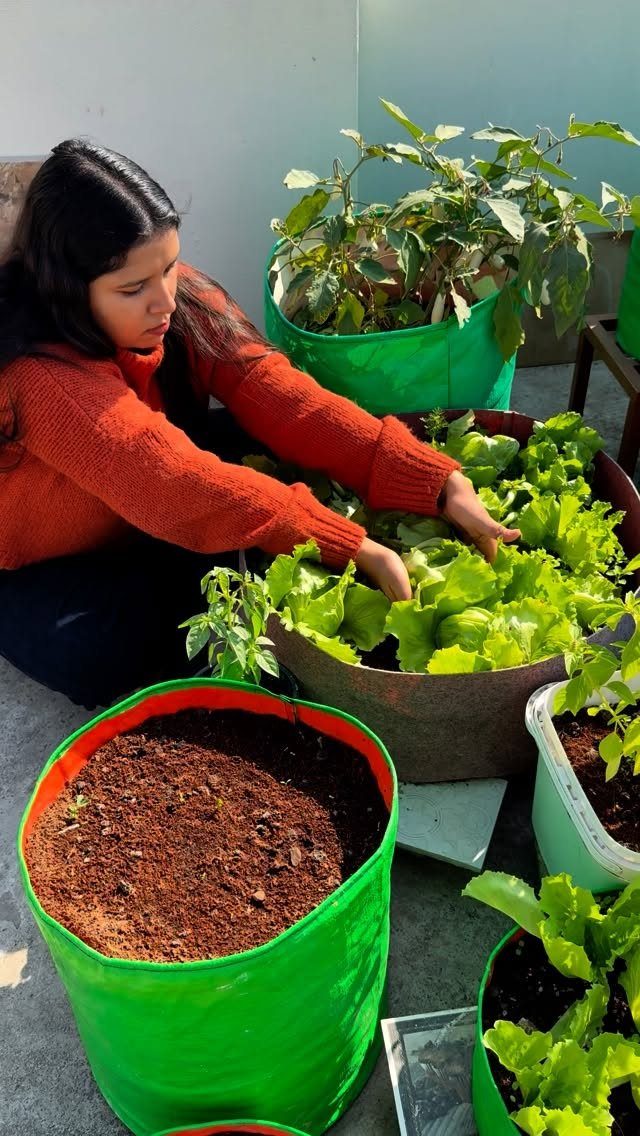
Lettle grows where other vegetables sulk. Fabric bags on a patio work fine; morning sun with afternoon shade stretches the season into summer heat.
Loose-leaf and cut-and-come-again types hold up better where summers turn hot fast. It bolts to bitterness before forming tight hearts.
Cut-and-come-again varieties planted once yield all season; snip outer leaves and the center keeps producing. Paris Island Cos handles heat better than most romaines if you must have crunch.
Succession sowing maintains supply, though I often forget and still eat for months from one planting. Moisture is the real demand; dry lettuce turns tough and draws pests it otherwise ignores.

【Rust-Resistant Material】: Cucumber trellis is constructed with high-quality galvanized steel inner pipes and an exterior plastic coating, forming a dual-layer rust-proof barrier to ensure long-lasting durability
5. Radishes
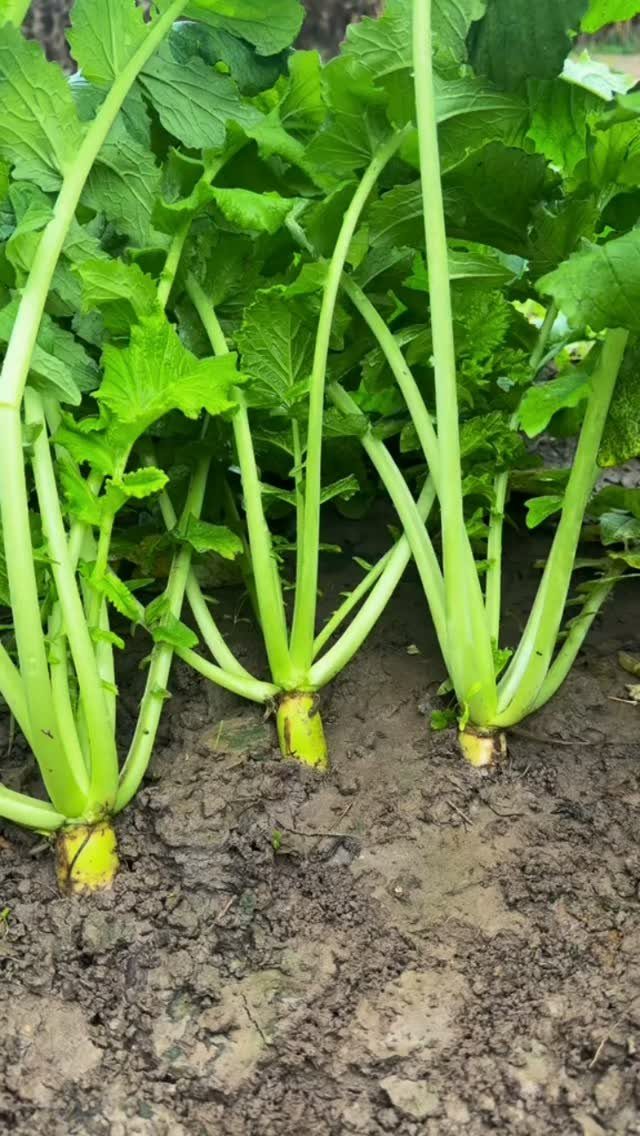
Radishes deliver the fastest edible reward in gardening. Twenty-four to thirty days from seed to harvest means a child who plants on spring break eats before school ends.
Direct sow only; they transplant badly and mature too fast to bother.
Seeds spaced 3 inches apart in any decent soil germinate without coddling. French Breakfast, Cherry Belle, or Easter Egg Blend all perform; smaller varieties finish sooner than Asian daikon types, which need fall planting for winter harvest.
I sow every two weeks for steady supply, though my family tired of them after two seasons.
The tops are edible too, if you are thorough about washing. Speed is their whole virtue; nothing else satisfies a beginner’s impatience so completely.

🥬 Winter Density Lettuce: 65 days until Maturity. Latin Name: Lactuca sativa. Open Pollinated. The plant produces heavy yields of dark green romaine lettuce. Leaves are tightly folded and have a delicious sweet flavor. Lettuce retains its crisp sweetness best when harvested in the morning.

YEAR-ROUND GARDEN FAVORITE – Dependable butterhead lettuce (Lactuca sativa) that thrives in cool or moderate weather for consistent harvests from spring through fall, even under cover in winter

CLASSIC HEIRLOOM LETTUCE SEEDS – Black-seeded Simpson lettuce (Lactuca sativa) is a beloved loose-leaf variety with light green ruffled leaves and sweet mild taste, ideal for fresh salads and easy harvests from spring through fall
6. Peppers
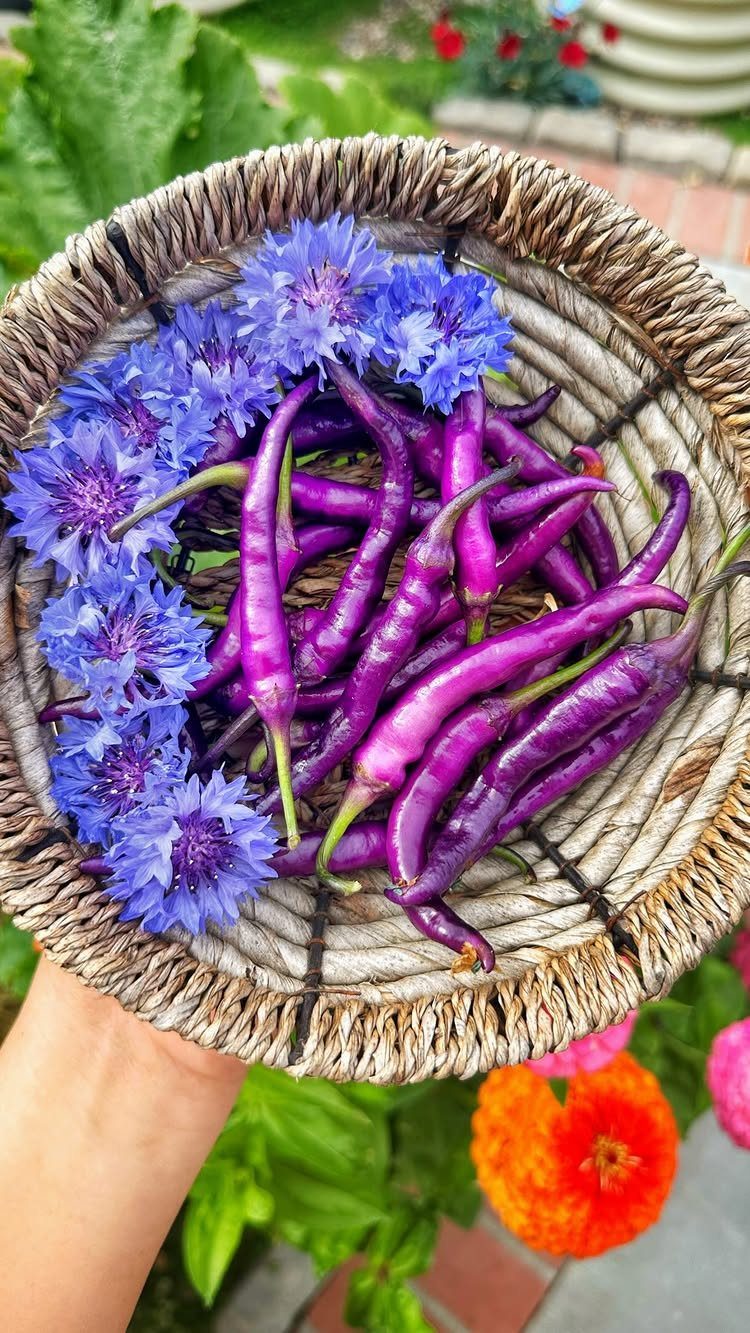
Small hot peppers outproduce sweet bells in short seasons. Jalapeños, serranos, or shishitos need no coddling beyond transplanting; a few plants supply a year’s heat.
Sweet bells demand what I cannot give: a long warm season to ripen past green into red or yellow.
North of zone 7, starting indoors in March is mandatory, and even then October frost often catches fruit still coloring. Green peppers are simply unripe; left on the plant they sweeten as they turn color.
Container growing works for either type.
Peppers need less staking than tomatoes and shrug off dry spells that would wilt other crops. For reliability and flavor I cannot buy, small hots are my choice every time.

Eco-friendly Cucumber Trellis are going to make your life a lot easier! Perfect to secure floppy plants to get the light they need.


【Heavy Duty Bird Netting】 Protect your garden, fruit trees, vegetables, blueberries, strawberries, vines, chicken coop and raised beds with this durable bird netting. It effectively keeps birds, deer, squirrels and other small animals away without hurting them.
7. Beets
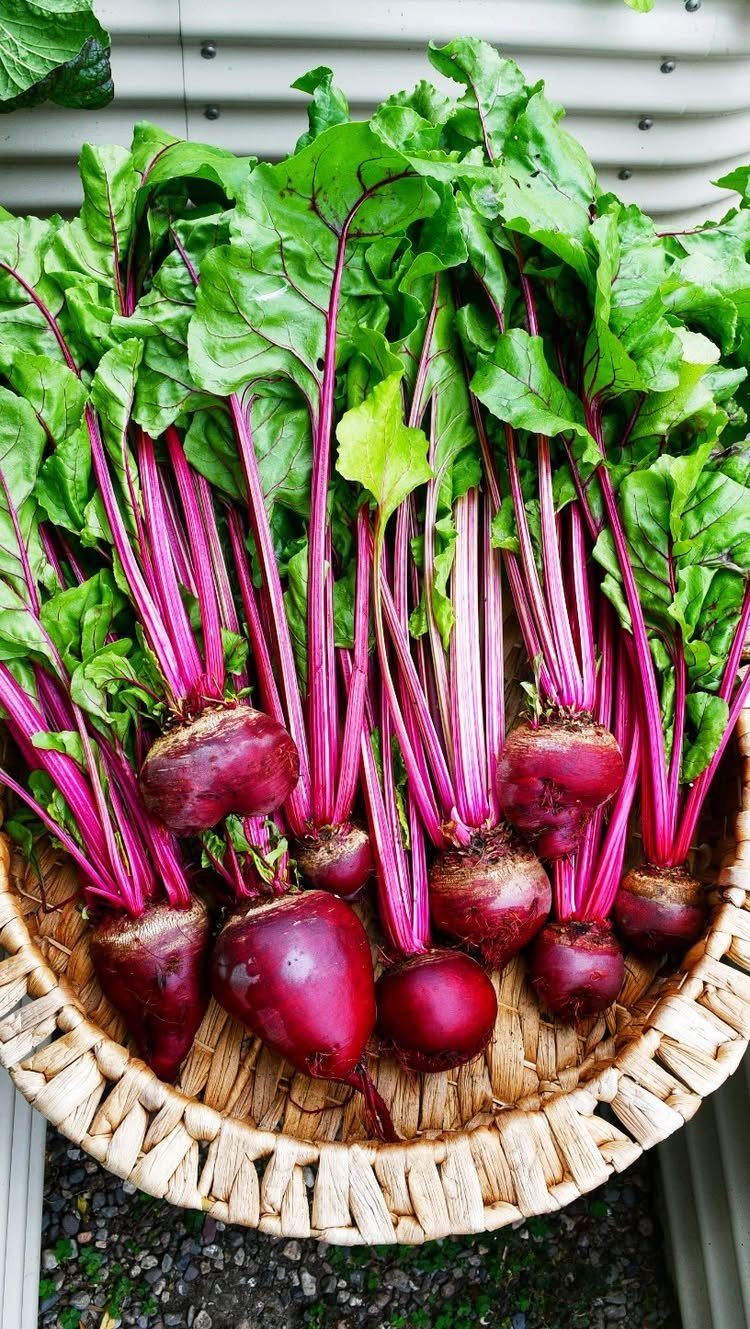
Beets ask less patience than carrots and give more back. One seed is actually a cluster, so a single planting produces several seedlings; thin to 3–6 inches apart and eat the thinnings as greens.
Both root and leaf are usable.
I roast the bulbs and wilt the tops like chard, which they resemble. Pickled beets keep for months with almost no technique.
Ready in 50–70 days, they size best at 1.5–3 inches; larger turns woody. I sow beets straight into the ground in spring, then run a second planting in fall when winters stay mild enough to pull 2 harvests from the same patch.

Built to Last - Built with Mighty Tuff quality materials, this pet food storage container is a durable, all-purpose storage option. Indoor or outdoor, it is fit for any season and guaranteed to remain rust, water, damage and corrosion-proof.

High Quality: Brand new and high quality, durable homebrew spigot, prevent NO leakage or damage!

MULTI-USE: Make storage a breeze with these multi-purpose 5-gallon buckets. Perfect for storing liquids, powders, oils, paints, fire chips, charcoal, as well as for fermenting and brining.
8. Onions
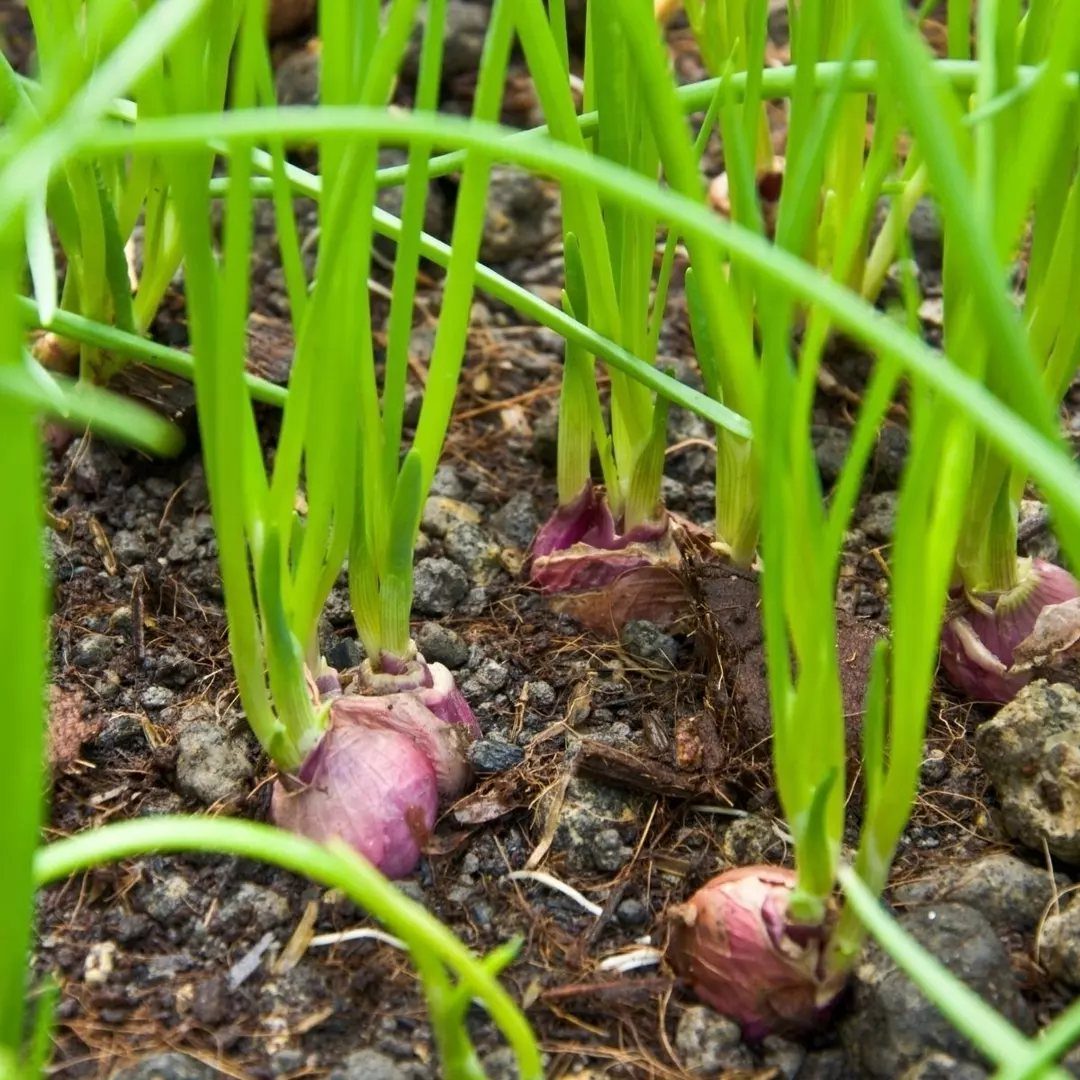
Onions fill gaps other crops leave. I tuck sets along bed edges and between taller plants, squeezing more food from the same space.
Seeds work but sets are faster; small bulbs planted shallow send up green tops in weeks.
Scallions stay perennial in mild climates, multiplying into clumps you can pull apart and replant. Seed to green onion is roughly 60 days.
I grow both storage and fresh types, switching as the season allows. Direct sowing or buying sets keeps things simple, though I have read that some gardeners transplant bare-root seedlings without trouble.

Beautiful - Large full-color packet of Round Zucchini (Cucurbita pepo) seeds. Adorable round zucchini that's perfect for stuffing or as a soup bowl. Harvest when fruit reach 3"-4" in diameter. Minimum of 3.5 g per packet (about 30 seeds).

CLASSIC ITALIAN HEIRLOOM ZUCCHINI SEEDS – Cocozelle is a traditional striped zucchini from Italy, known for tender texture, mild nutty flavor, and beautiful green-striped fruits that stand out in the garden and kitchen

Large full-color packet of Tromboncino Rampicante Squash (Cucurbita moschata 'Tromboncino') seeds. Delightful summer squash with a unique long neck and bulbous end. Sweeter than most other summer squash or zucchinis. Can be left to mature on the plant for a butternut type of winter squash. Grows on a vining plant rather than a bush. Minimum of 5 g per packet (about 40 seeds).
9. Kale
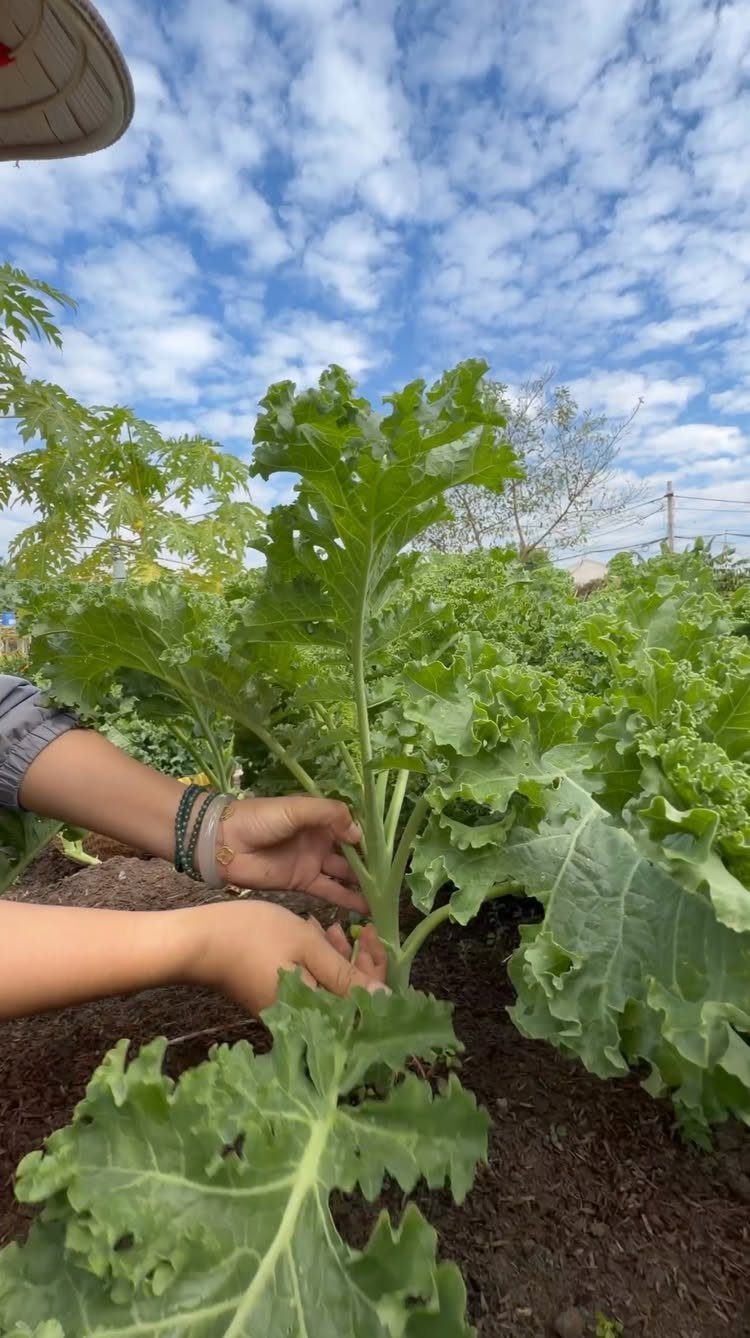
Kale outlasts seasons that kill softer greens.
Cold sweetens the leaves; heat only slows it. In containers or ground, it keeps producing for months if you harvest from the bottom up.
Lacinato, the long bumpy leaf sometimes called dinosaur kale, holds best in my summer.
Curly types bulk faster. Red Russian is the hardiest of the 3 common kinds.
Pests mostly pass it by.
I plant in early spring and again in late summer for fall-through-winter picking where frost comes. One plant feeds me longer than a whole row of lettuce.

Durable Material: Plastic outside and metal inside pole, The garden trellis are made of durable plastic-coated steel core for reliable strength, long-lasting performance. Not easy to rust or break.

【Multi-Function】 Tall Tomato Cage-Each tomato cage can be adjusted from 16inches to 47 inches in height,suit for different growth stages of plants, offering versatile supports for a wide variety of tomato plants, ensuring they grow tall and strong.

【Package included】:Crafted from robust hollow steel, this garden stakes features a fade-resistant green plastic coating, offering reliable protection against wind, rain, and rust. This Trellis for Climbing Plants Outdoor comes complete with everything you need to get started: 17pcs metal stakes, 8pcs T shape connect pipe, 2 A-shaped connectors, and a 0.9x1.8meter bird net.
10. Carrots
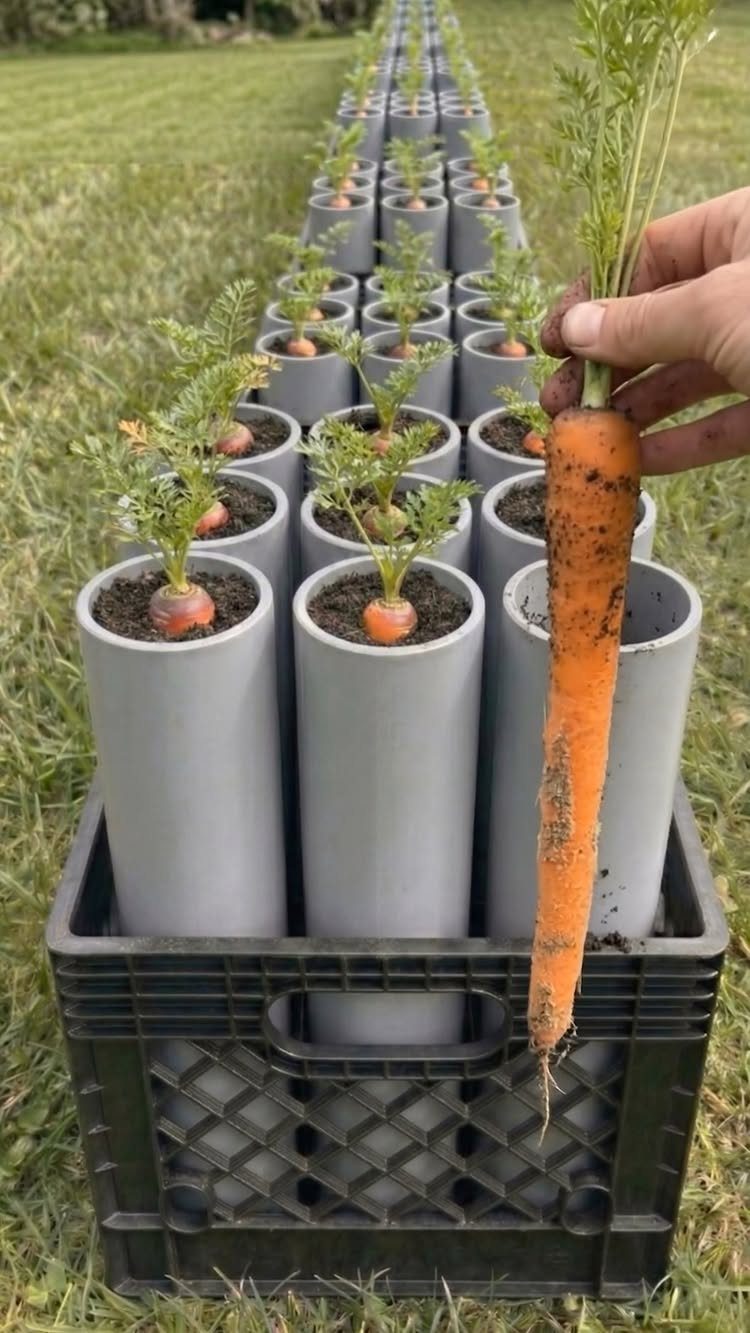
Carrots gratify when they work and frustrate when they do not. The grade-school trick of growing tops in water is not the same plant; real roots need loose, deep soil, and even then they fork in rocky ground.
PVC tubes or raised beds solve the depth problem where native soil is thin.
Keep seeds moist daily until they germinate; they are small enough to dry out in hours. Thinning is tedious and necessary, or stunted roots crowd each other into pencils.
I grow them for the pull, not the volume. Shade tolerance helps where full sun is scarce, but deep, worked soil matters more than light.

USDA Certified Organic by Oregon Tilth
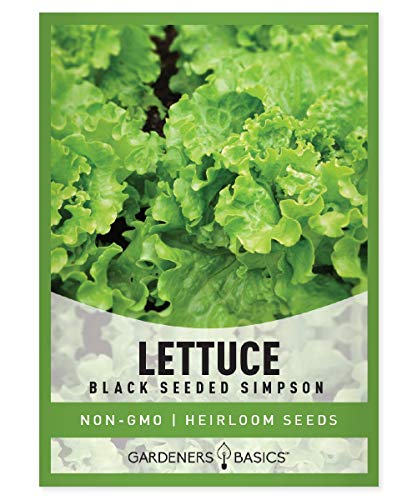
Black Seeded Simpson is a classic heirloom loose leaf lettuce with large, tender green leaves and a mild, sweet flavor. Harvest fresh leaves for salads, sandwiches, wraps, and other homegrown meals.

4 Popular Heirloom Lettuce Varieties: Includes Red Romaine, Bibb Butterhead, Black Seeded Simpson, and Green Ice lettuce seeds to grow crisp, tender, and colorful salad greens with balanced flavor, texture, and visual appeal.
11. Peas
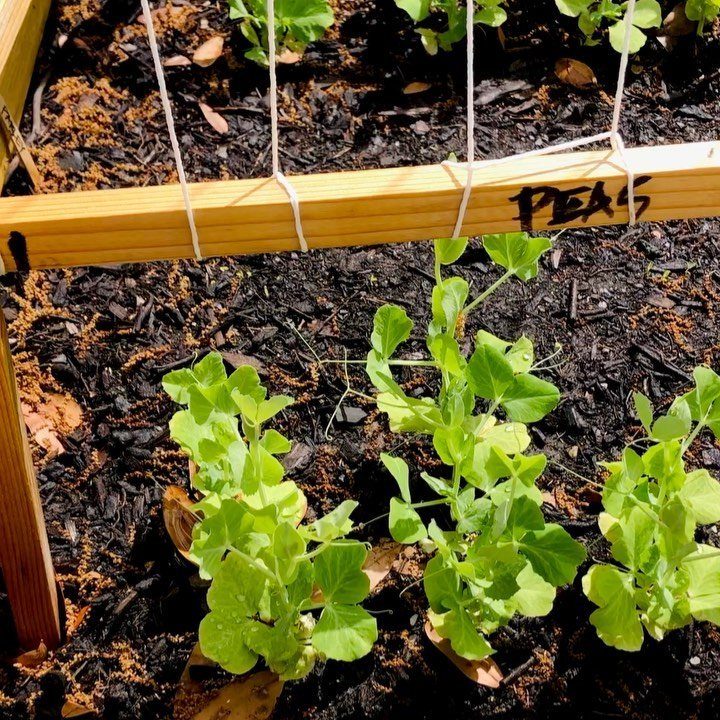
Peas mark the start of spring and end by July. They climb whatever you offer; twine on a frame keeps pods off the ground and visible for picking.
Snap, snow and shelling types all germinate fast from fat green seeds that look like what you eat. Early planting is the whole trick; they fade in heat, so sow as soon as soil can be worked.
A short season is the trade.
I freeze what I cannot eat fresh, and the trellis space reopens for beans by midsummer. The yield is brief but heavy, and the flavor of garden-fresh peas does not survive storage.
Growing Conditions
6 hours of direct sun is the floor for most vegetables, not the ceiling.
The more light they get, the faster they grow and the heavier they fruit. Morning sun that dries dew off leaves fast matters almost as much as total hours; it cuts down on mildew pressure that builds in damp shade.
Well-drained soil means roots that do not sit wet.
Tomatoes in particular will take consistent water but rot where drainage fails. Containers solve this on patios; a 5-gallon pot with drainage holes beats a soggy garden bed every time.
Indoor winter growing needs a south-facing window unobstructed by trees or fences.
Plants stretch leggy and slow until daylight lengthens, which is why a south-facing window or a cheap grow light buys you weeks in early spring. Supplemental light helps, but nothing replaces actual sun for plants that evolved outside.
Harvesting Tips
Harvesting is the part that trains the plant to keep producing.
Cut-and-come-again lettuce, climbing cucumbers, pole beans, and indeterminate tomatoes all respond to picking by setting more fruit. Skip a week and the plant shifts to seed; the season shortens.
High-yield crops justify their space.
A few cherry tomatoes, hot peppers, summer squash, or cut-and-come greens supply regular meals through the season. Low-yield vegetables like bell peppers or winter squash need either more plants or more patience to feel worth the effort.
Zucchini is the exception that proves the rule: pick small and pick often, or the plant switches to making baseball bats. The neighbor’s porch is not a harvest strategy.
There are many other vegetables that can be considered relatively easy-to-grow for novice gardeners like leaf lettuce, kale, sweet corn, winter squash, radish, and herbs like basil and cilantro.
Pest Management
Row covers are the simplest pest barrier I know. Lightweight fabric laid over hoops keeps cabbage worms off brassicas, cucumber beetles off vines, and buys time before you need anything stronger.
Some crops need less protection than others.
Kale mostly ignores pests that devastate lettuce. Radishes finish too fast for most damage to matter.
The real pest management is observation.
Soil Preparation
Compost and organic fertilizer feed the soil that feeds the plant.
Vegetables are heavy feeders; a cut-and-come-again lettuce or a loaded tomato vine strips nutrients fast. I top-dress with compost mid-season and water with soluble fertilizer when growth flags.
Root crops need depth more than richness.
Carrots fork in rocky or compacted ground; raised beds or PVC tubes give them loose soil deep enough to straighten out. Beets are more forgiving but still size best where the ground has been worked.
Soil for containers is a different mix than garden dirt.
Bagged potting mix drains better and starts cleaner; garden soil in a pot turns to concrete and invites disease. The 5-gallon tomato or pepper container wants fresh mix, not last year’s compressed remains.
Frequently Asked Questions
What vegetables can grow in 30 days?
Radishes go from seed to harvest in 24 to 30 days, which makes them the closest thing to instant gratification in a vegetable bed.
Loose-leaf lettuce planted as cut-and-come-again can yield snippable leaves almost that fast, though full heads take longer. Both germinate quickly in cool spring soil without fuss.
What are the quickest veggies to grow?
Radishes win on speed at under a month.
Lettuce sown as cut-and-come-again keeps coming back for multiple harvests off a single sowing. Zucchini and cucumbers produce fruit soon after transplanting but needed weeks of growth first; peas and beets fill the middle ground at 50–70 days.