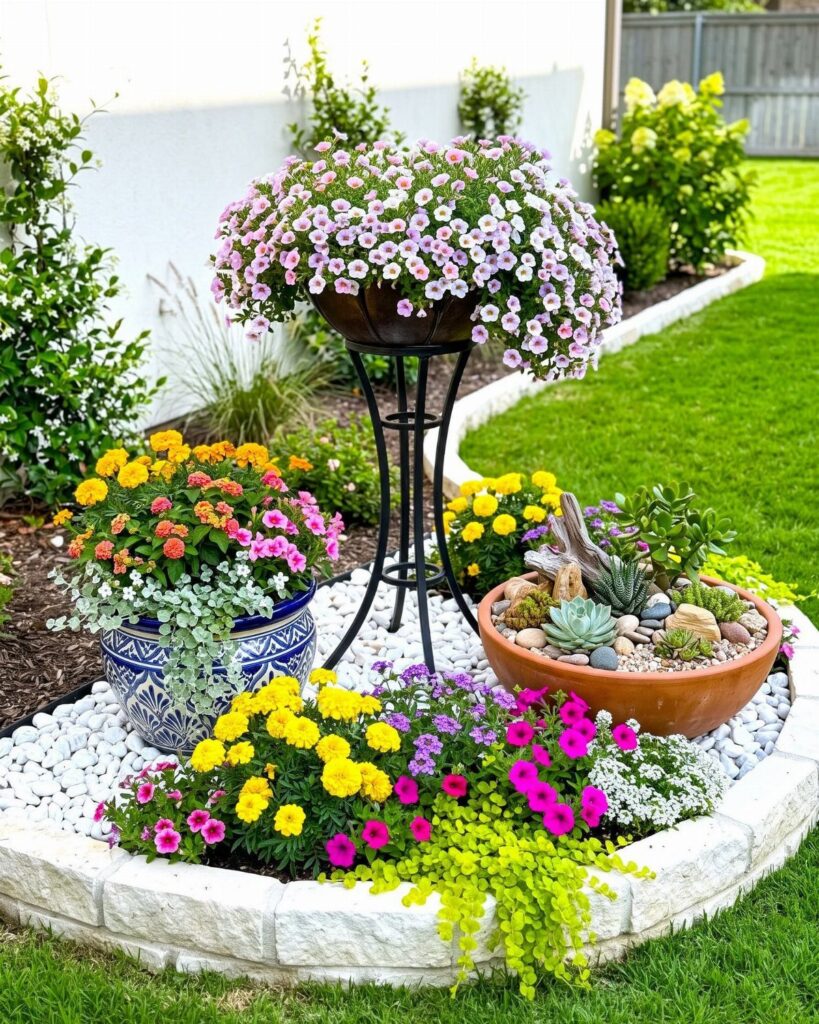
These 20 corner yard gardens run from a single afternoon with hanging baskets and a bag of potting mix to full weekends pouring concrete footings for a pergola, with most landing in the middle: a raised bed of pressure-treated 4x4s, gravel and a rented plate compactor, or bamboo in planters with the right barrier.
The one that fits depends on whether your corner is a dry dead zone against a south wall or the only angle in a small yard where you might actually sit.
A triangular timber bed against fencing where nothing but crabgrass survived is the proof this list starts from real corners, not catalog photos.
[link-whisper-related-posts]1. Raised Garden Bed
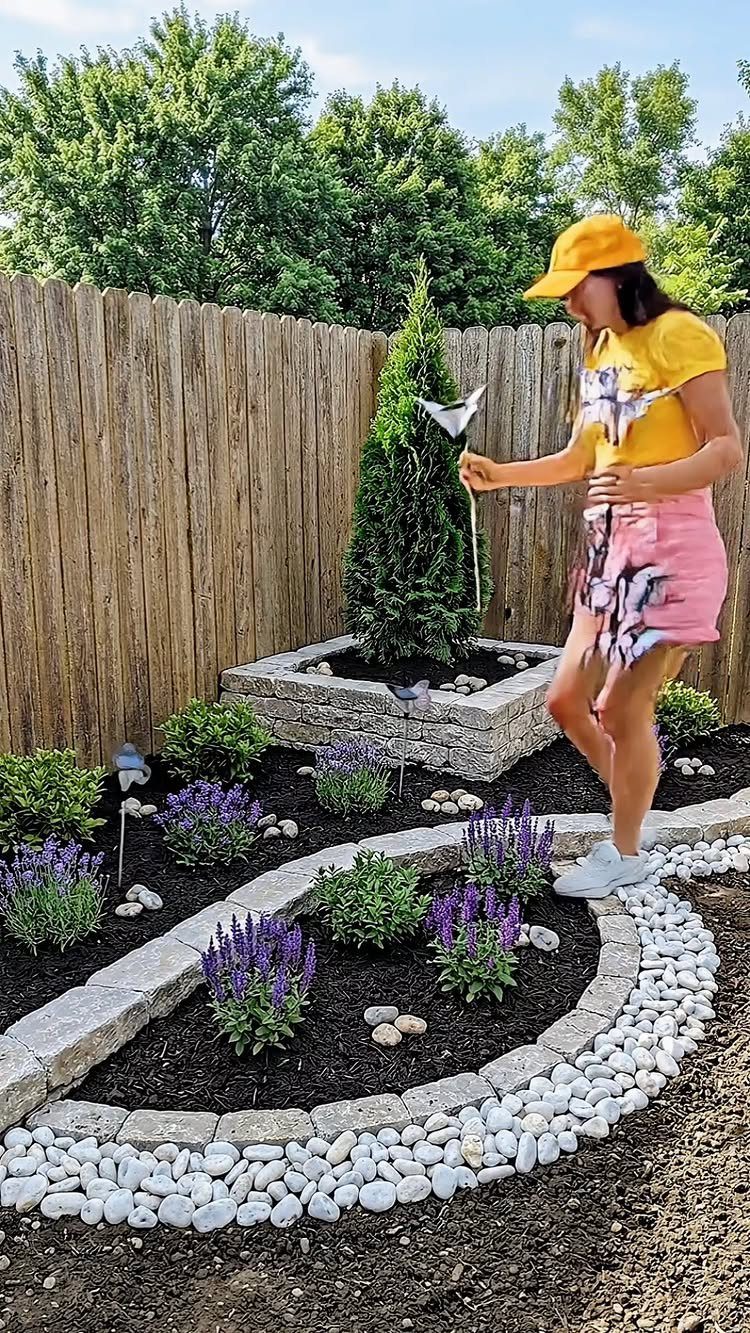
A stone-edged tiered bed tucked into a corner turns the worst soil in your yard into usable growing space. Mine went against the back fence where nothing but crabgrass had survived.
Build the frame from pressure-treated 4x4s or cedar if you want to avoid chemicals.
An L-shape or triangle uses the angle without wasting square footage you do not have. Fill with compost, not bagged topsoil alone; the raised height means the bed drains faster and the roots need the organic matter to hold moisture.
Most vegetables and herbs do fine in a raised bed with enough depth for their roots to spread and for water to stay where you put it.
This is the setup for anyone who bends over a garden and feels it in their lower back the next morning.

Heavy-Duty Steel: Made from thick powder-coated steel, these L-shaped raised bed corner brackets are rust-resistant, corrosion-proof, and provide strong support. They are durable, resistant to deformation or breakage, ensuring stable use in various outdoor environments

16" length x 3" width x 3" height x 5/16" thickness
2. Fire Pit Corner
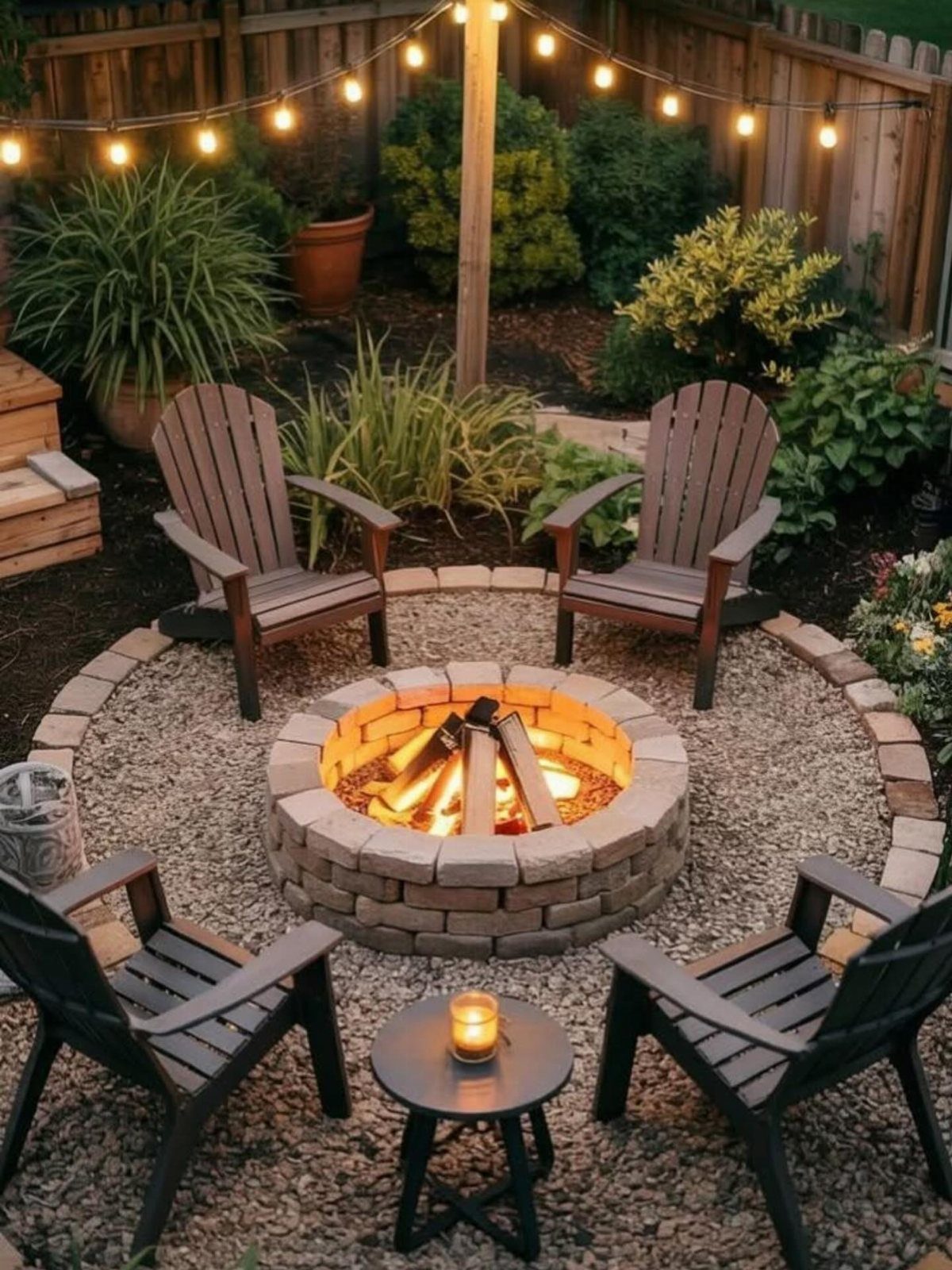
Stone and gravel under open flame need care, but the result is a corner that gets used from March through October in most climates.
Set the pit itself at least 10 feet from fencing, overhanging branches, or your house wall; compacted gravel or flagstone underfoot beats mulch, which can catch.
Seat height around knee level works without cushions, which is one less thing to drag inside when rain hits. 4 Adirondack chairs are a lighter setup if you already own them.
This idea trades growing space for gathering space.
If your yard is under 5,000 square feet, that is a real choice. My preference runs to Adirondack chairs; they make the corner feel relaxed rather than camped in.

Spacious and Practical Growing Area: With 16 square feet of planting space and a depth of 11 inches, this raised bed offers ample room for growing vegetables, herbs, and flowers. The 1-foot depth supports deep-rooted plants and promotes healthy soil conditions

Pack of 2 Raised Garden Bed- Add a new level of convenience to your gardening experience with the Galvanized Raised Garden Bed. Enjoy expanded yield and a more assembled garden layout with this garden accessory, each sized at 48 Inches x 24 Inches x 12 Inches.
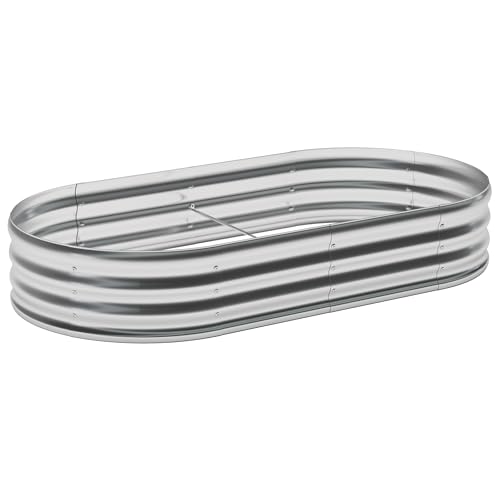
Size: 48"(L) x 18"(W) x 12"(H),Planter raised bed provide outdoor sufficient space to grow vegetables,flowers,galvanized garden bed
3. Tiered Garden Bed
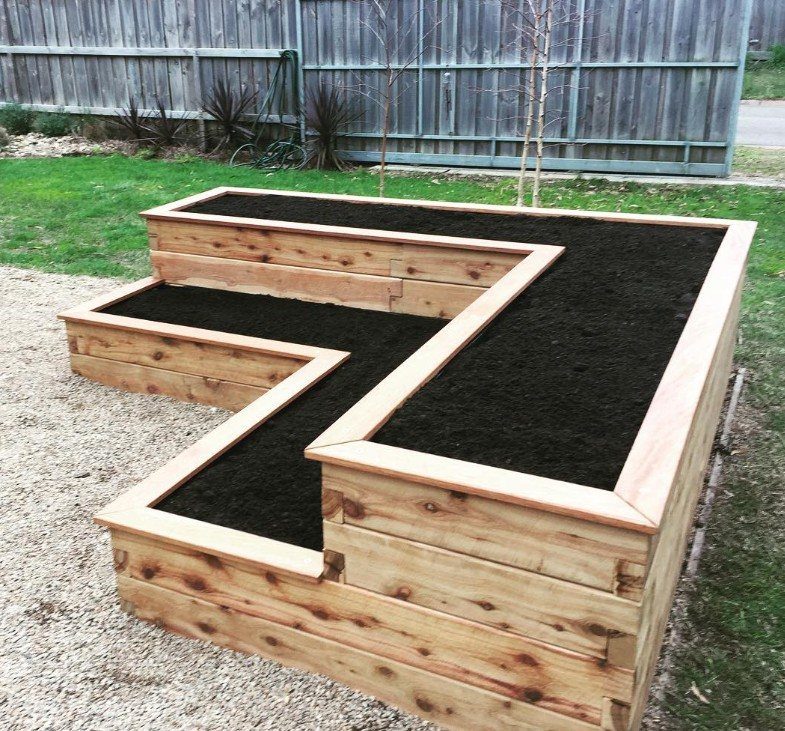
Stacking a bed in levels lets you grow deep-rooted tomatoes in the lower tier and shallow lettuces up top, all within the same footprint.
Stone works too, though it costs more and takes longer to set level. Match the material to your house if the corner is visible from the street; a modern facade reads wrong with rustic timber and vice versa.
Fill each tier with compost, and plan for drainage between levels or the upper one saturates the lower.
Access is the win here. You harvest the top tier almost standing straight.
The bottom still beats ground level by half. For anyone whose back has stiffened from years at a desk, that difference matters by late July.

SPACIOUS GROWING AREA: The generous planting space of this large garden bed provides plenty of room for nutrient-rich soil, helping vegetables, herbs, and flowers develop stronger roots and produce bigger harvests in the backyard garden. These raised beds for gardening measure 59.5 inches wide by 59.5 inches deep by 11.75 inches high, weigh 20 pounds, and have a soil capacity of 15.4 cubic feet or 115 gallons.

【SIZE】: Vertical garden planter size: 33.1*18*28.7 inches.

💎 Longer Lifespan: Made of 22-gauge 0.8mm thickness corrugated galvanized steel with multi-layer eco-friendly powder coatings. The heavy duty metal garden bed is strong enough to hold soil for decades.
4. Corner Water Feature
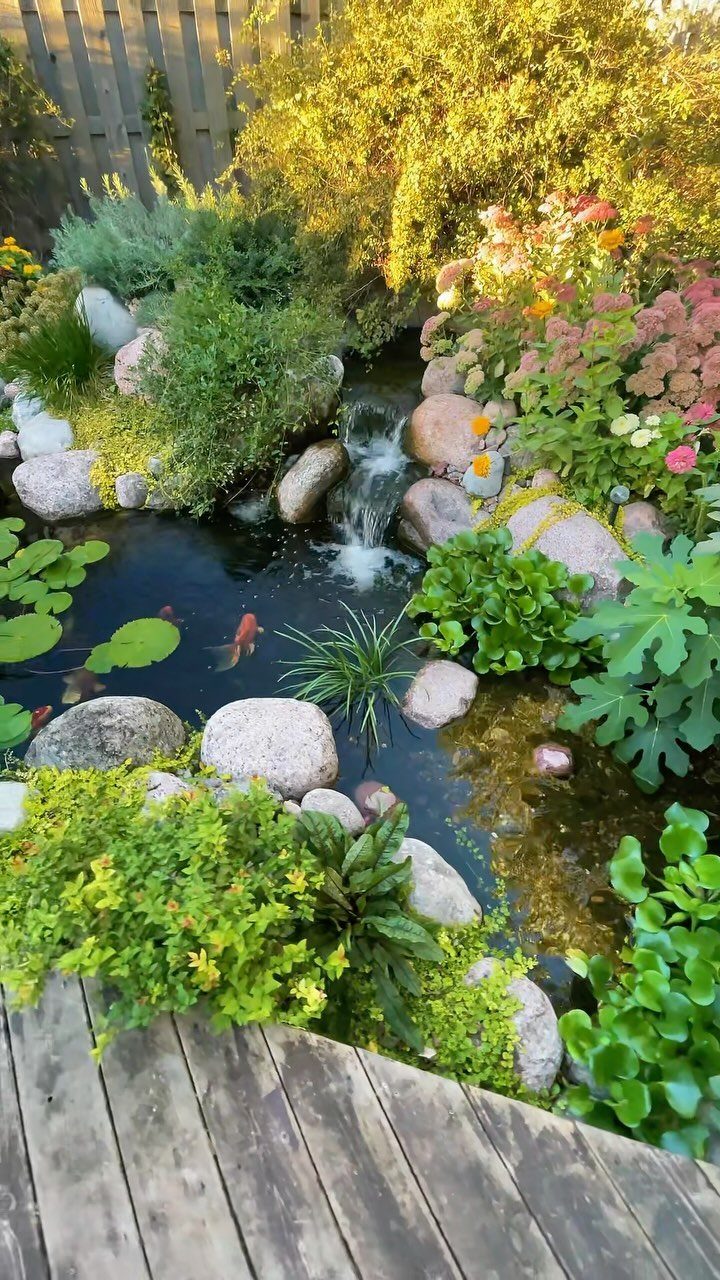
Moving water in a corner does what a fence cannot: it hides the neighbor’s garage by giving your ear something else to follow.
A stone-lined pond with a small waterfall fits where a larger water feature would not, and a pump recirculates the same water through the system.
Leave enough clearance around the base for access when the pump needs cleaning. A full pond with koi is another level of commitment: filtration, depth for winter survival, and protection from herons if you are near water.
The urn version takes an afternoon to set and plugs into a standard outdoor outlet. The sound starts immediately, and the corner stops feeling like the place leaves collect.

🍧【HEAVY DUTY】Our outdoor backless benches for fire pits are made of heavy-duty iron with a smooth, non-toxic coating. The T-shaped structure makes the fire pit benches more sturdy, with a maximum weight capacity of up to 300 lbs.

Cozy Outdoor Ambiance: Our CSA-certified propane fire pit can extend your outdoor evenings with inviting warmth. Boasting 60,000 BTUs of heat, this fire pit can transform your patio into a cozy haven. Enjoy the beauty of the outdoors while staying comfortably warm on cooler nights.
5. Pergola Garden
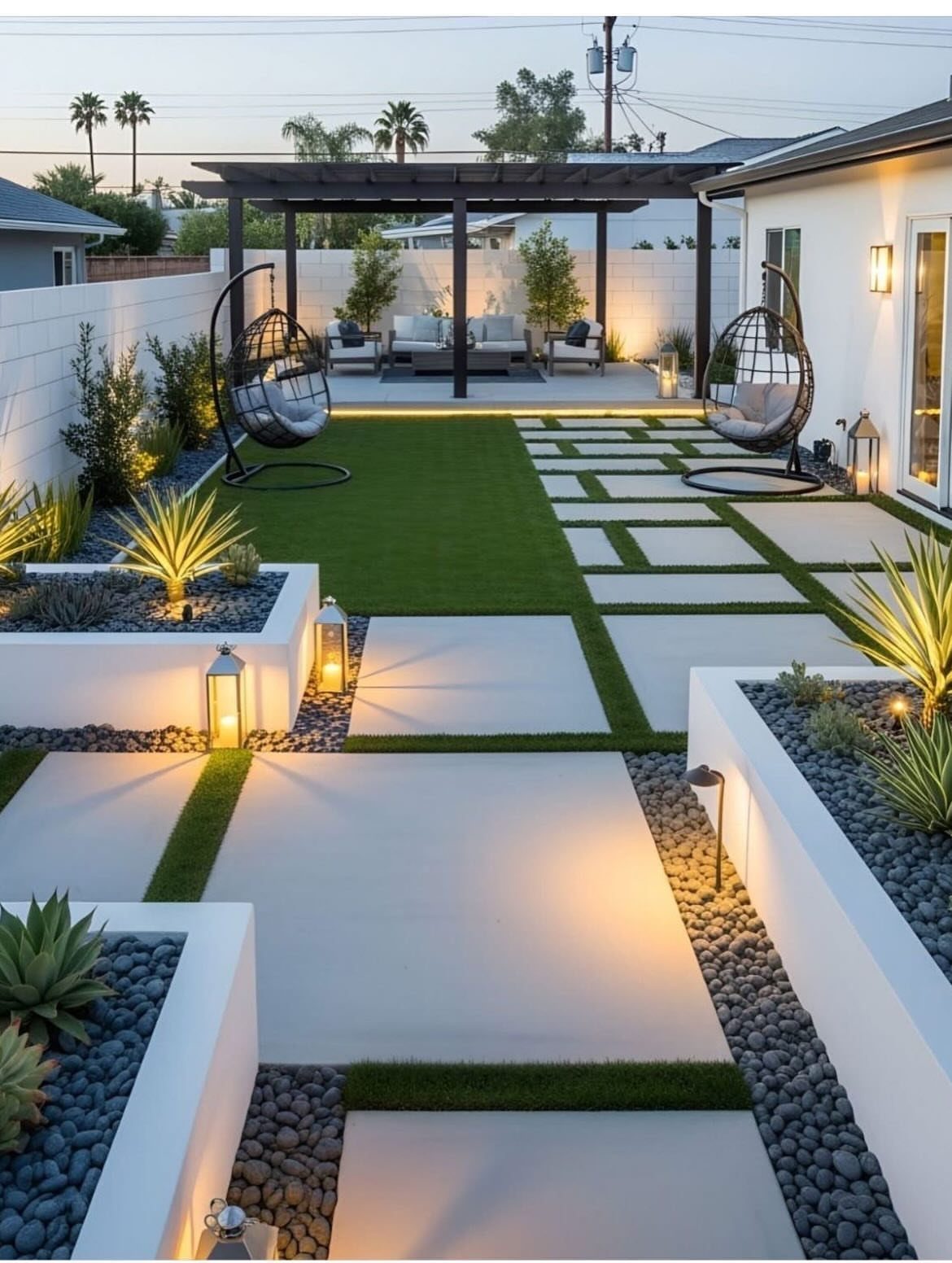
A pergola frames a corner the way a door frame marks a threshold: suddenly this spot is somewhere, not just the end of the lawn.
Set posts deep into concrete footings or the first strong wind tilts the whole thing.
Cedar costs more than pressure-treated pine but needs no chemical treatment to resist rot; for a structure you touch as you pass beneath, I would spend the extra.
Climbing vines across the top beams build shade gradually. Wisteria flowers heavy but needs discipline; Virginia creeper is less romantic and less work.
The first season is mostly stick and hope. The third is when you sit beneath it and stop noticing the sun.

Ergonomic Height: Standing at 30 inches tall, it reduces strain from bending and kneeling, promoting more comfortable gardening.

Wave Edging & Wood Grain Design: L-shape waving edging & wood grain design make your garden vegetable planter box looks more stylish and exquisite. Both functional and decorative.The brown wood grain design complements natural styles, seamlessly integrating with various garden vegetation and fence materials. It creates a harmonious and unified visual effect, enhancing overall beauty.

STURDY DURABLE:The raised bed corners brackets is made of high-quality heavy-duty carbon steel with an anti-rust coating, thick, durable, has good load-bearing capacity, is not easy to deform or break, comes with all of the hardware that you’ll need, that easy to assemble. Your flower beds will have a clean, modern look
6. Corner Vegetable Garden with Trellises
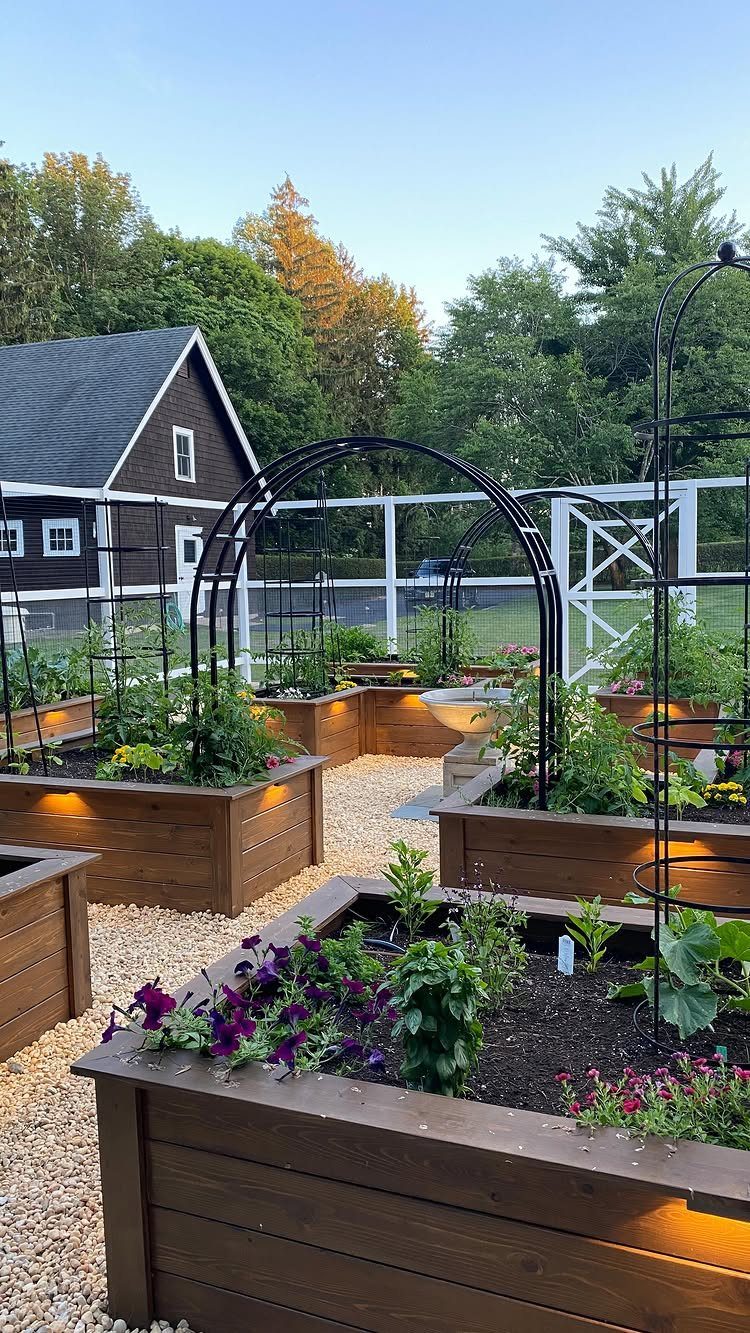
Gravel paths between raised beds keep mud off your shoes and let you work the corner after rain without sinking.
Raised boxes keep the soil contained and warm faster in spring. A deer fence in the background, wire on posts, is not decorative but it is the difference between harvesting and feeding wildlife.
Plan the box depth for what you grow: shallow for greens, mid-depth for root vegetables, and the full measure only if you are doing carrots or parsnips in quantity.
This setup suits the gardener who wants production, not just atmosphere.
The upfront work is heavier than ornamental planting. The return is tomatoes in August that you started from seed.

Heavy-Duty Steel: Made from thick powder-coated steel, these L-shaped raised bed corner brackets are rust-resistant, corrosion-proof, and provide strong support. They are durable, resistant to deformation or breakage, ensuring stable use in various outdoor environments

Heavy-Duty Steel: Made from thick powder-coated steel, these L-shaped raised bed corner brackets are rust-resistant, corrosion-proof, and provide strong support. They are durable, resistant to deformation or breakage, ensuring stable use in various outdoor environments
7. Outdoor Seating Area
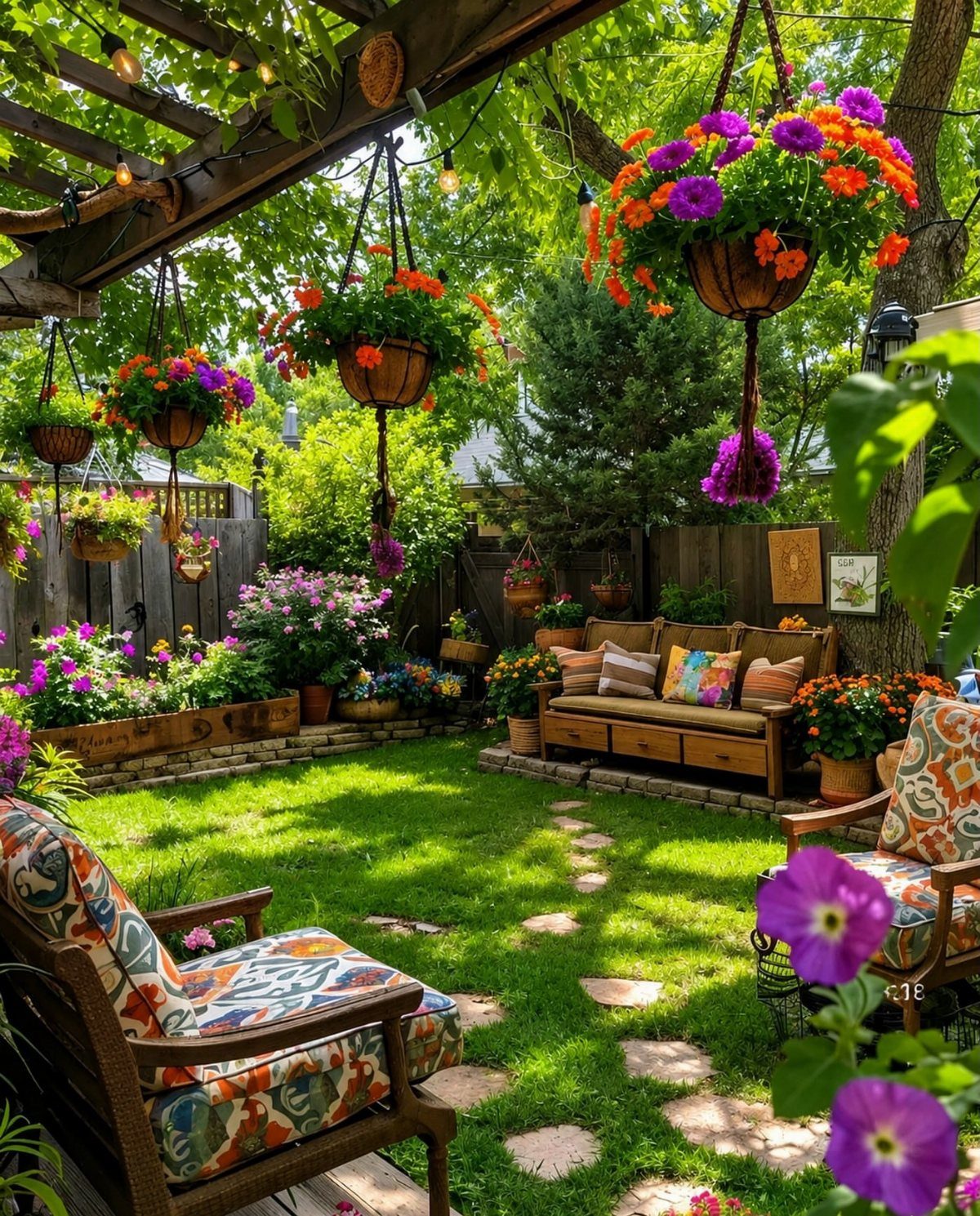
A corner bench against fencing, with planting layered tall to low around it, turns the least usable angle of the yard into the spot you actually sit in.
Cedar mulch ties the beds together. Potted plants flanking the seating let me rotate in color through the season without digging anything up.
Folding chairs suit tighter corners and store when you need the space. For permanent seating, knee height works without cushions.
Corners feel exposed until the planting fills in. The first season is anticipation.
The corners of your yard don’t have to be wasted space. With the right ideas, you can turn those corners into gorgeous garden spaces!
— Bob Vila

Raised Garden Bed - Add a new level of convenience to your gardening experience with the Galvanized Raised Garden Bed. Enjoy expanded yield and a more assembled garden layout with this garden accessory, each sized at 120 cm X 60 cm x 30 cm.
8. Wall Planters
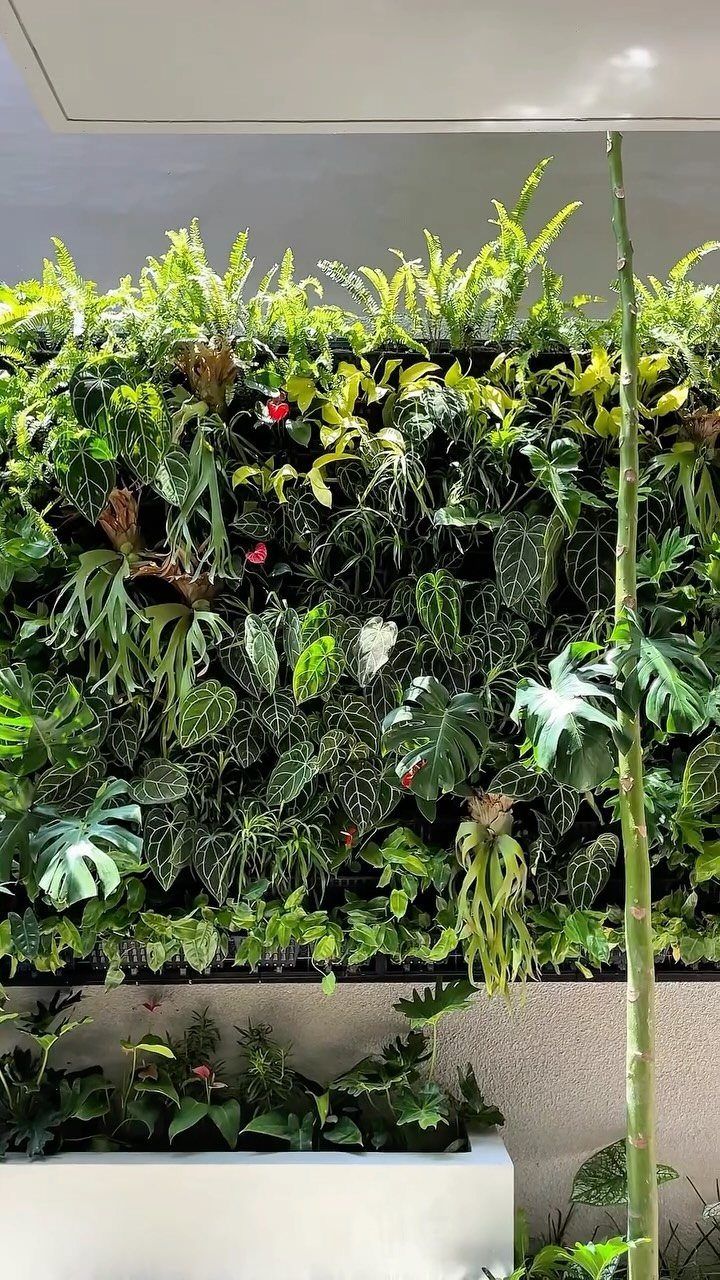
Vertical planting against a fence or house wall adds green without sacrificing the square footage you already lack.
Wall planters, mounted trellises, or pocket systems all work.
Concrete, weathering steel, or dark powder-coated metal suit contemporary spaces where timber would look apologetic. Rectangular or square planters sit cleaner against corner walls than round ones, which always seem to float awkwardly off the lines.
Climbing ivy, clematis, or sweet peas rise on their own. Herbs like thyme and oregano do well if you want the wall to earn its keep.
I stop at two or three plant types per wall planter; any more and the eye starts counting instead of resting.
9. Garden Art
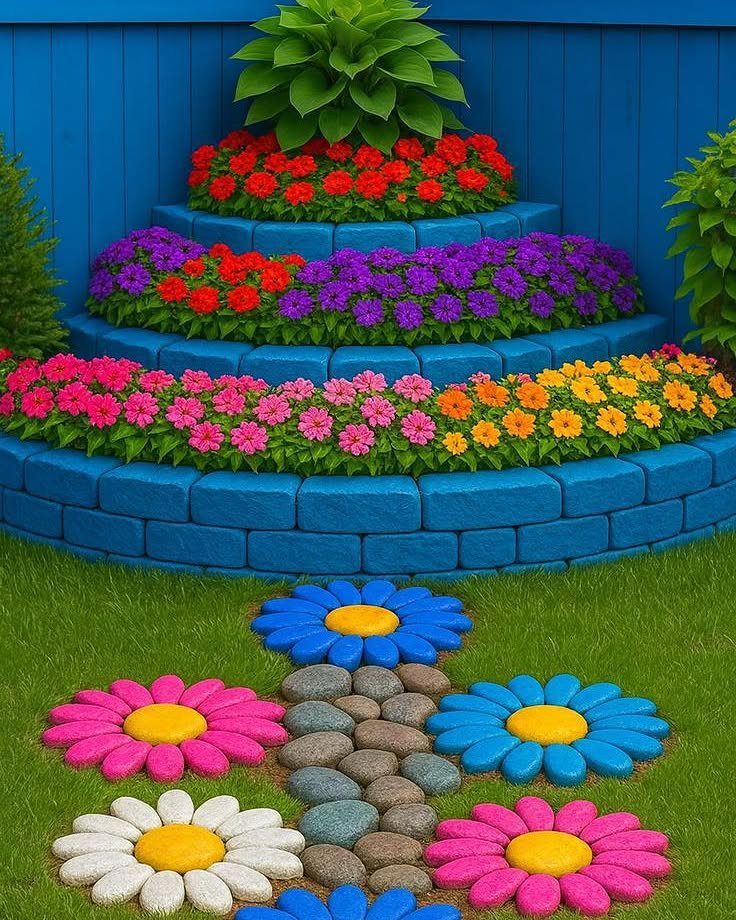
A single bold piece in a corner, a tiered planter or painted stones arranged into shapes, does what a bed of annuals cannot: it reads instantly, even from across the yard.
The surrounding area stays minimal.
Gravel or a few low plants frame the piece without competing. A collected birch easel with a flowering container set into its frame turns found material into something that holds attention.
This approach suits corners where soil is thin, shade is stubborn, or you simply want the space finished without the schedule of living plants.
The art does not wilt in August. It does not need dividing in October.
10. Brick Garden Walkway
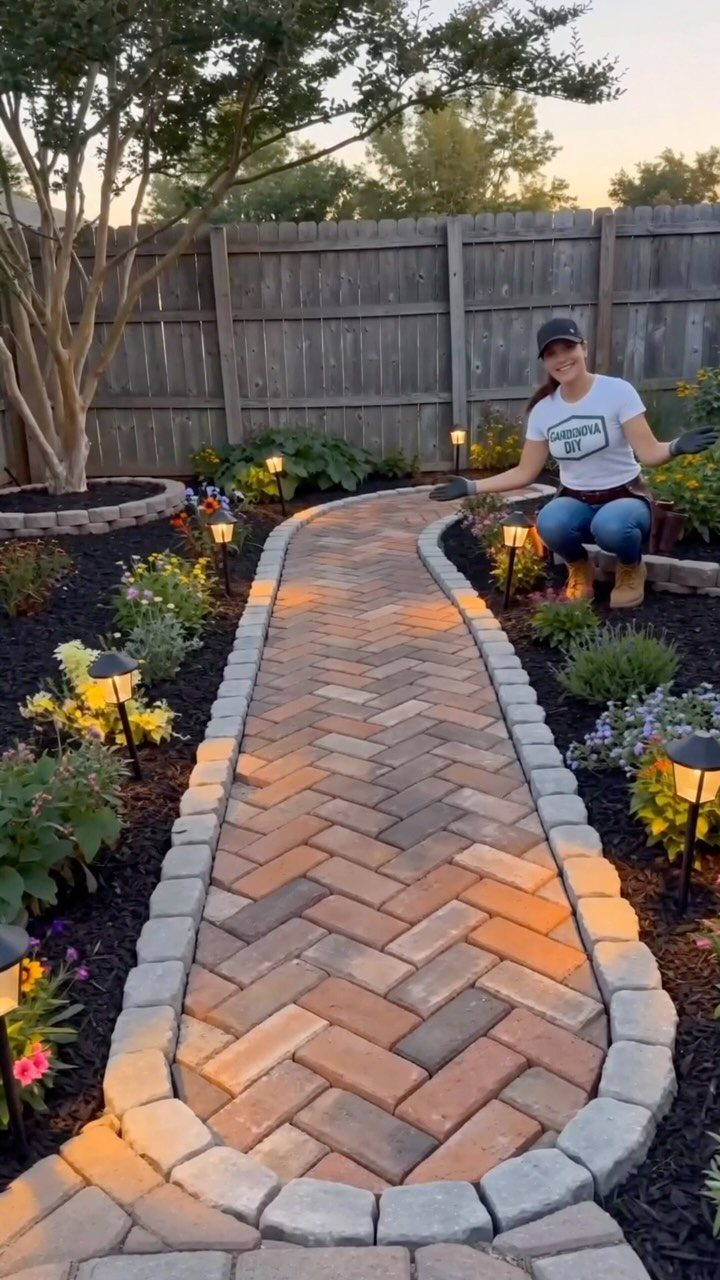
Running bricks in herringbone through a corner reads as intentional, not as leftover lawn, and the pattern carries all the visual weight you need.
A gentle arc works better than a straight shot; I leave enough gap for my natural stride and let the curve do the rest.
Fill gaps with creeping thyme or Irish moss; both tolerate light foot traffic and release scent when brushed.
A curved line reads softer than straight, especially in smaller yards where geometry can feel imposed. Stone or brick borders contain the path and separate it from beds.
This is weekend work with rented plate compactor and patience for level.
11. Corner Succulent Garden
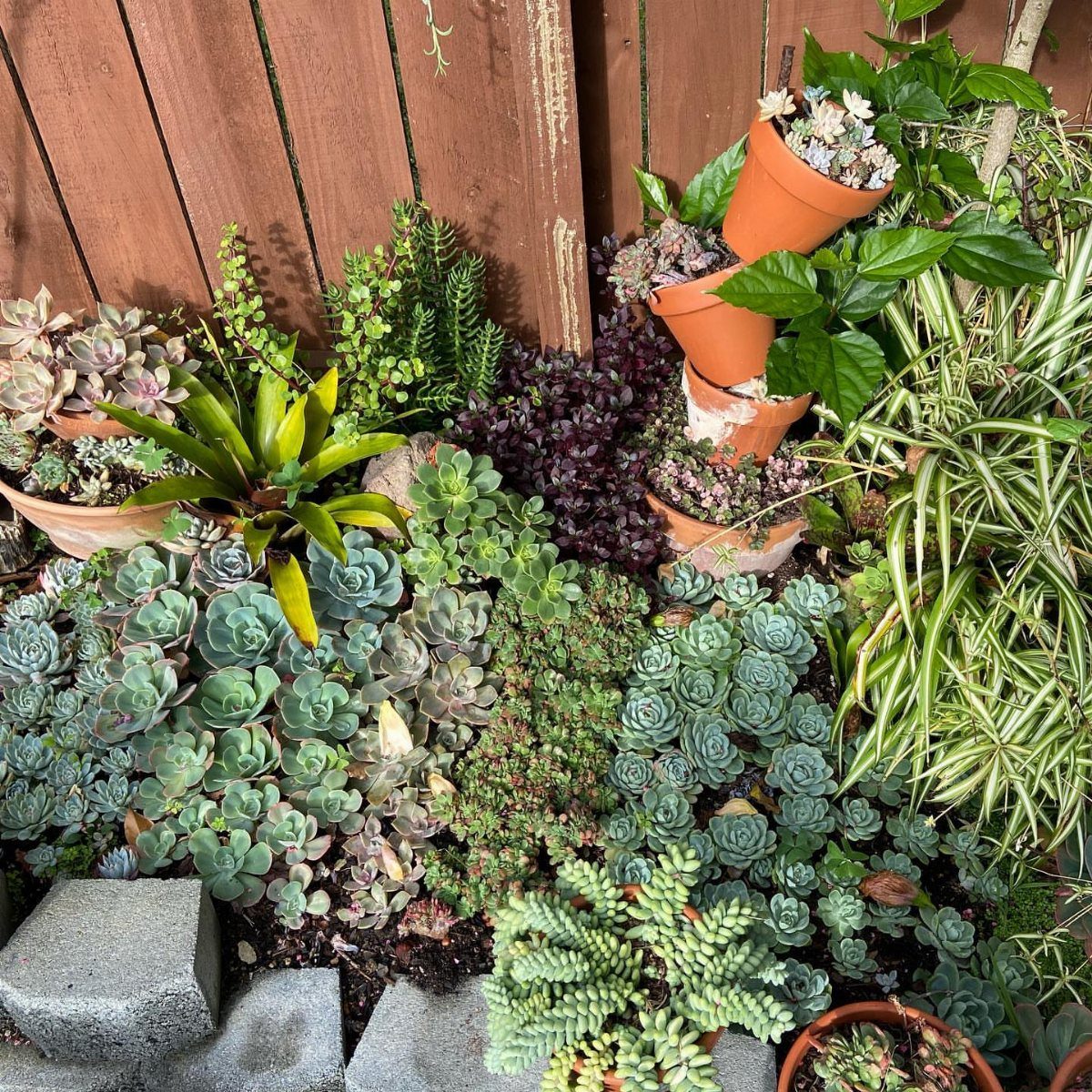
Hot, dry corners near south or west walls kill most conventional planting. Succulents turn that liability into the condition they prefer.
A layer of decomposed granite or sand-colored crushed stone gives succulents the drainage they want and the clean look the corner needs.
One or two larger boulders hold the composition down, then I work in echeveria, aloe, sedum, or low ice plant around them. I leave the gravel between plants alone; the gaps are intentional breathing room, not a problem to solve.
Vintage terracotta in varied sizes, stacked or grouped, adds height variation without the weight of stone. Once established, this corner needs water in prolonged drought and almost nothing else.
12. Gravel Relaxation Corner
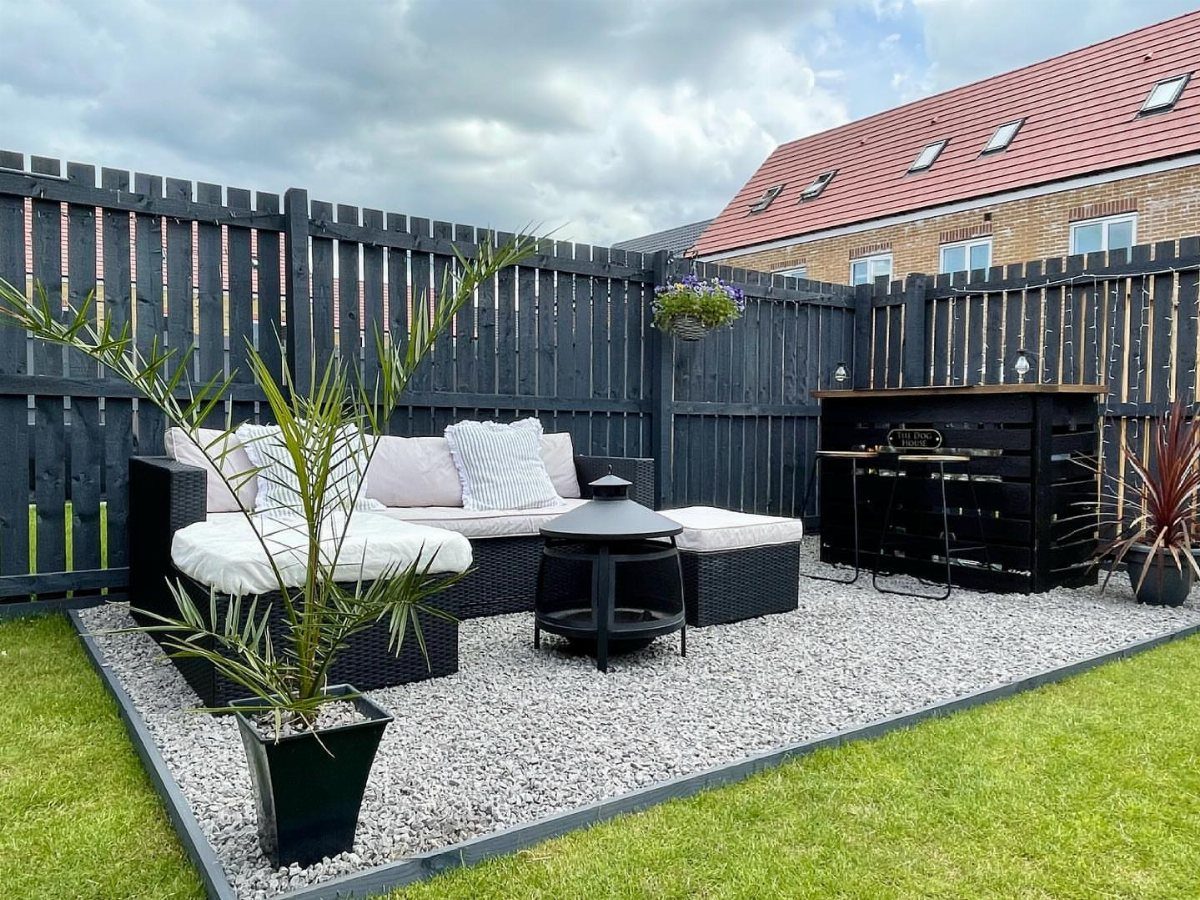
Landscape fabric under gravel eliminates mud and mowing from a corner that grass never grew well in anyway.
Decomposed granite packs down solid and stays put in rain, which pea gravel never does where runoff crosses lawn edges or slopes. A wooden border contains the area and gives it deliberate edges.
A pair of woven outdoor chairs and a small table turn the corner into somewhere I actually sit. Potted olive, lavender, or grasses warm up the stone surface without asking me to tear up and amend what is underneath.
In corners where shade or compaction already defeated lawn, that is not a loss.
13. Japanese Zen Garden
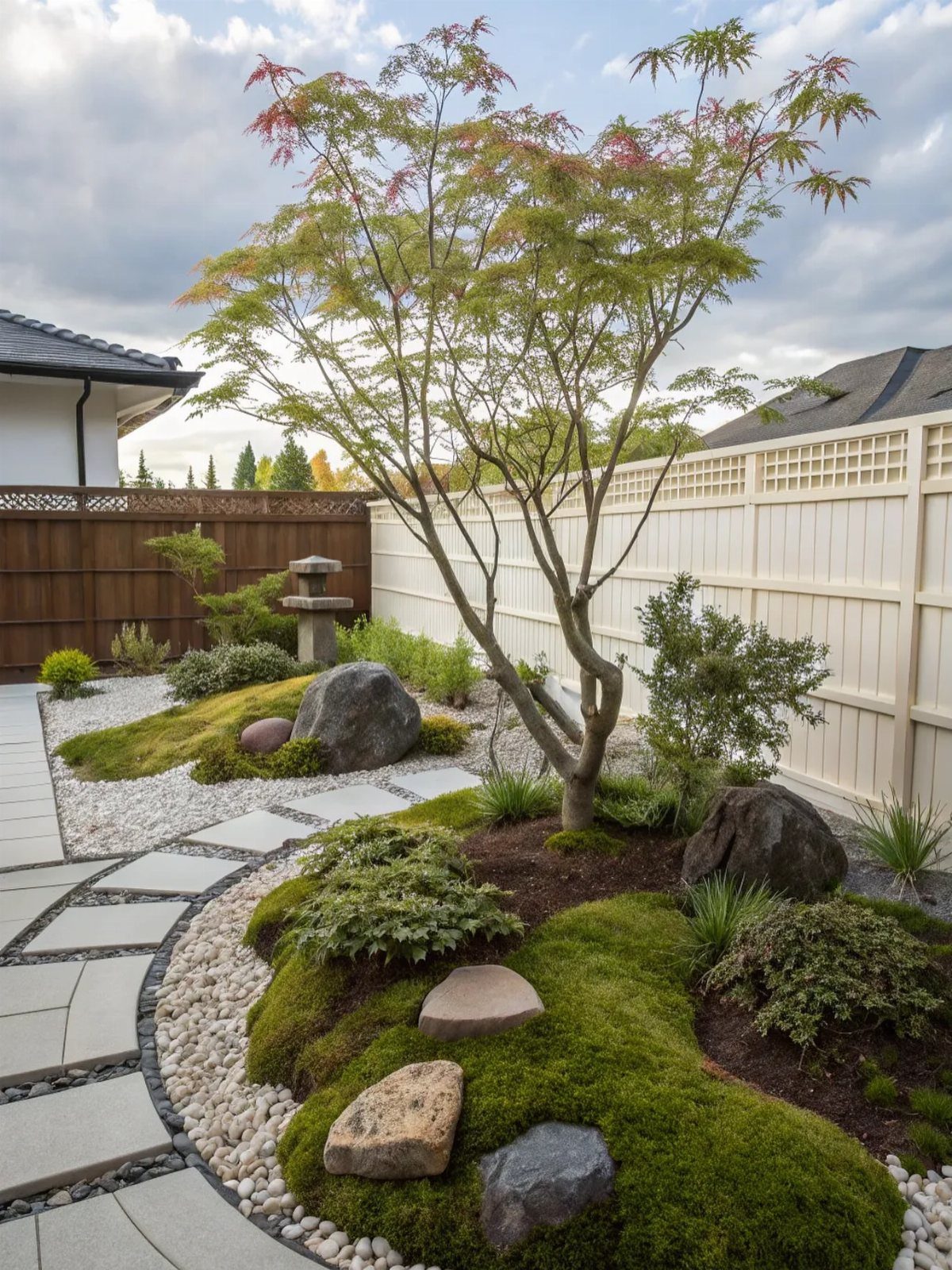
Raked white gravel around a single stone lantern gives a corner the quiet nothing else in the yard offers. The gravel itself does the work; one or two moss mounds and a Japanese maple hold the green to a minimum.
A bamboo fountain adds sound without the maintenance of standing water. River rocks and larger boulders sit where the eye lands, placed off-center so the space does not feel arranged.
This corner asks for restraint.
Every element you add beyond the essentials undoes the calm you came for. I would stop at the lantern, the maple, and the gravel, then let the raking become the habit that keeps it.
14. Hanging Baskets
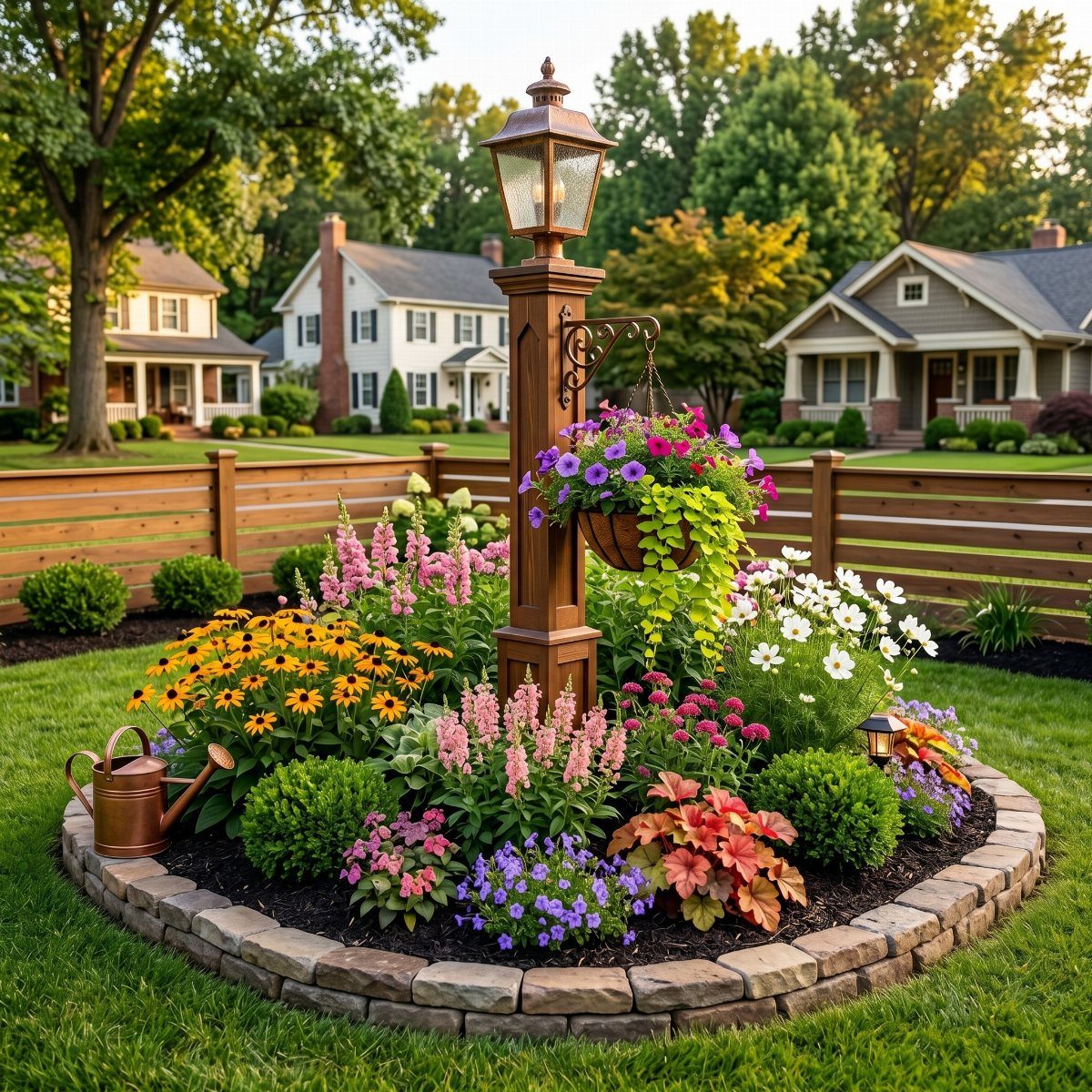
Hooks set at staggered heights along a fence or wall corner turn vertical space into layered planting without surrendering ground you do not have.
Petunias that trail, ivy, or lobelia let their stems fall over the edge and blur the sharp corners below.
Strong hardware matters more than the basket itself; a full basket in rain weighs more than it looks, and a pulled hook means a broken plant and a scuffed wall.
Fix mounting points into studs or solid fencing, not just siding.
I keep the palette simple, two or three colors across all baskets, or the layered effect becomes visual noise. Near seating, the trailing growth does what a curtain does: it makes the corner feel enclosed.
15. Corner Kitchen Garden
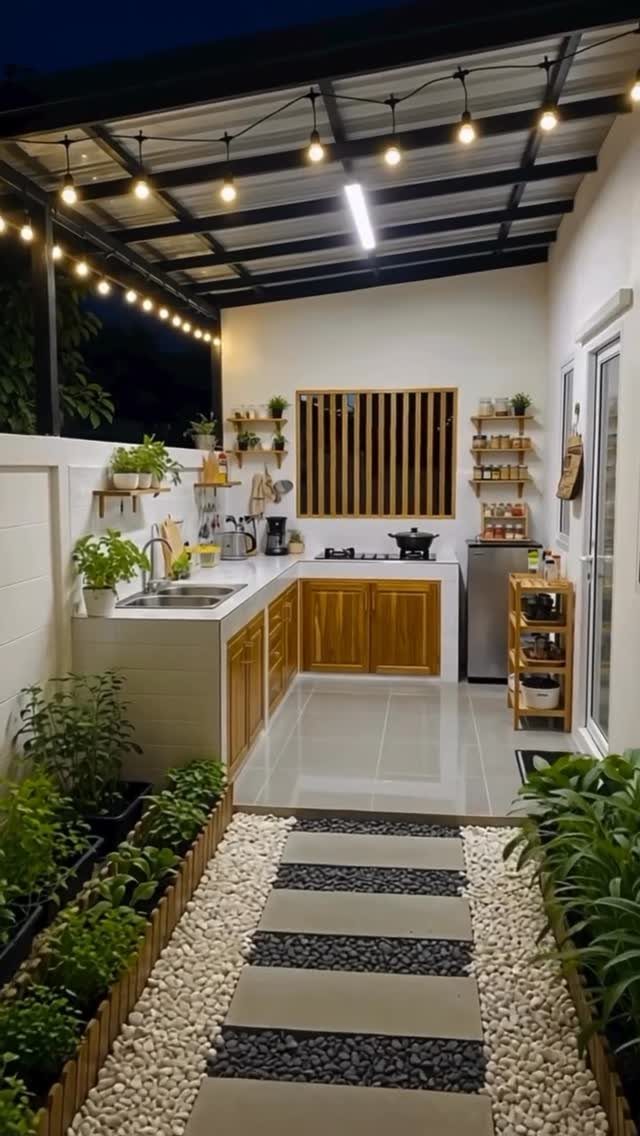
Built-in planters along a corner kitchen’s backsplash let herbs grow where you will actually cut them, not across the yard where they bolt to seed unnoticed.
Raised beds nearby keep the soil tidy and drain better than ground-level planting.
Peas climb a corner trellis; pak choi fills gaps between slower crops like garlic. The south-facing corner catches light that keeps the kitchen warm and the plants producing.
This setup trades lawn for function. The upfront build is heavier than a grill on pavers, but the return is cooking with rosemary you pinched on the way past.
16. Rock Garden with Gravel and Pebbles
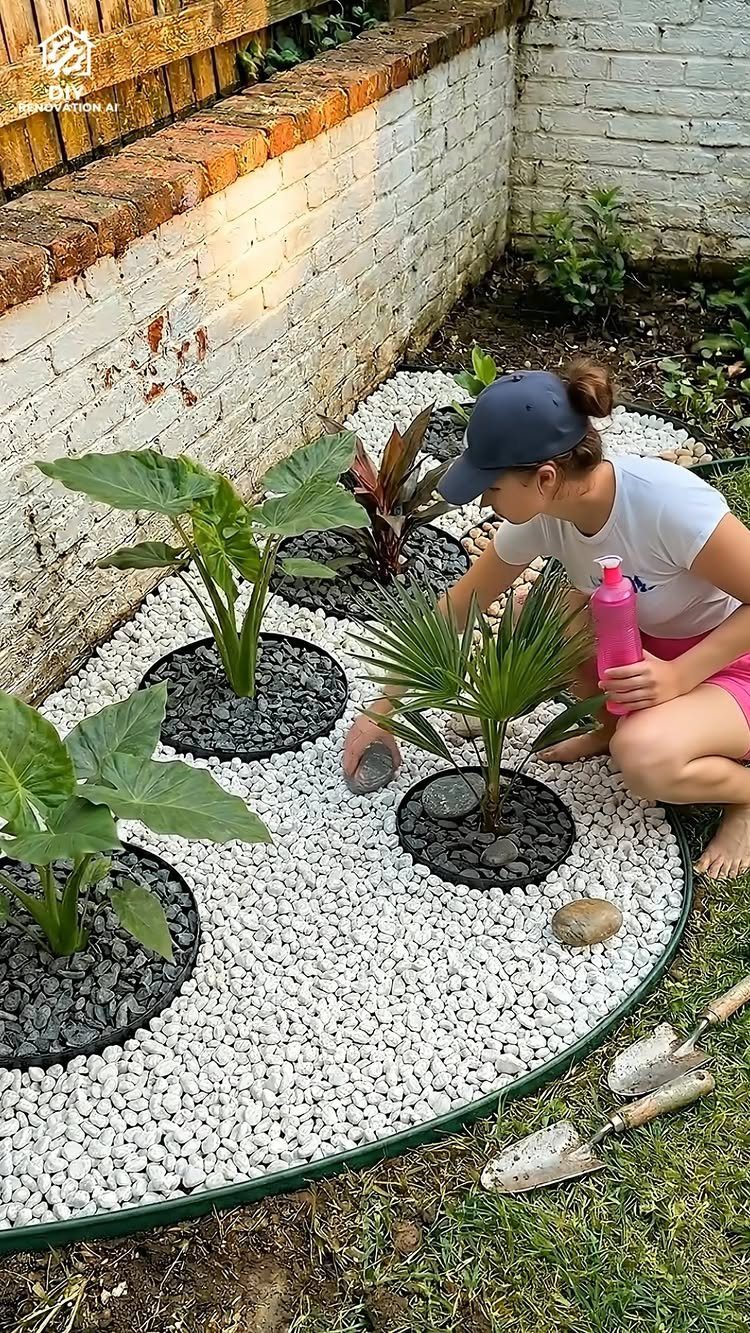
Crushed gravel or river pebbles laid over landscape fabric turn a dry corner near a walkway into something that needs no watering schedule.
Two or three larger stones placed off-center hold the composition down; sedum, lavender, or blue fescue tuck into the gaps.
Rocks store warmth through the evening, which suits these plants fine. Generous spacing between plants lets the gravel read as intentional, not as failure to fill.
A curved edge of steel or timber contains the pebbles and separates them from lawn or path. Once established, this corner survives on rainfall and occasional weeding.
17. Cottage-Style Corner Garden
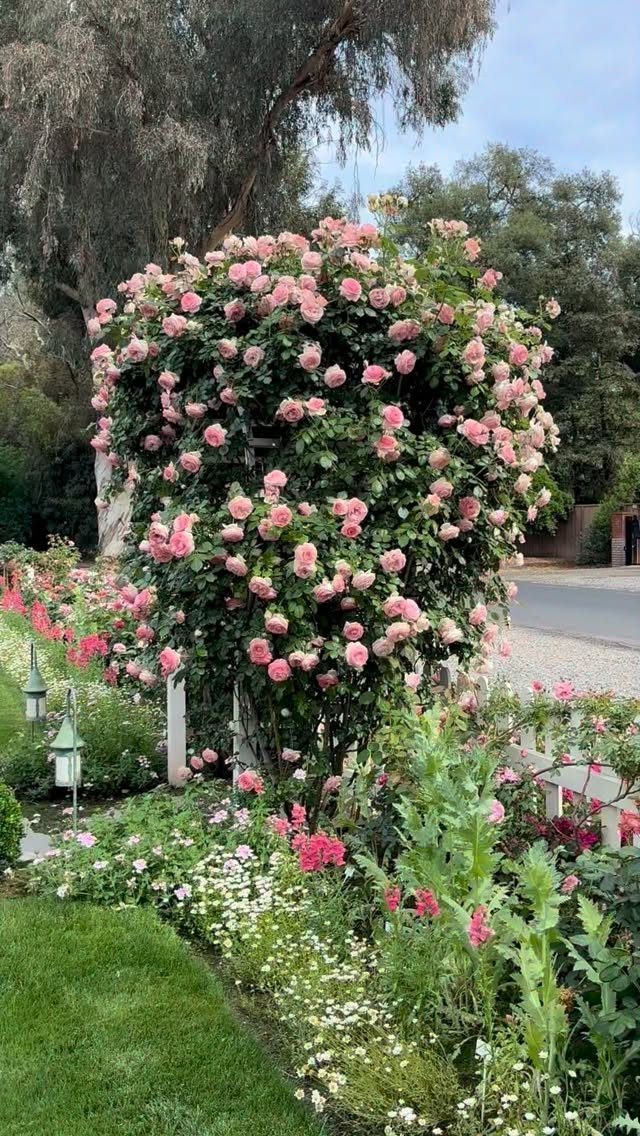
A wood or metal trellis in a fence corner, planted with clematis, jasmine, or climbing roses, gives height that the rest of the yard lacks.
Below it, foxglove, salvia, or daisies in loose drifts keep the ground layer informal; straight rows read as design, and this style depends on avoiding that.
Soft garden twine, tied loose every few weeks through spring, trains the climbers without cutting into stems. The slight disorder is the point.
This is the corner for anyone who wants color without the schedule of annual replanting. The roses return, the perennials spread, and the whole thing looks like it happened on its own.
18. Ornamental Tree in a Garden Corner
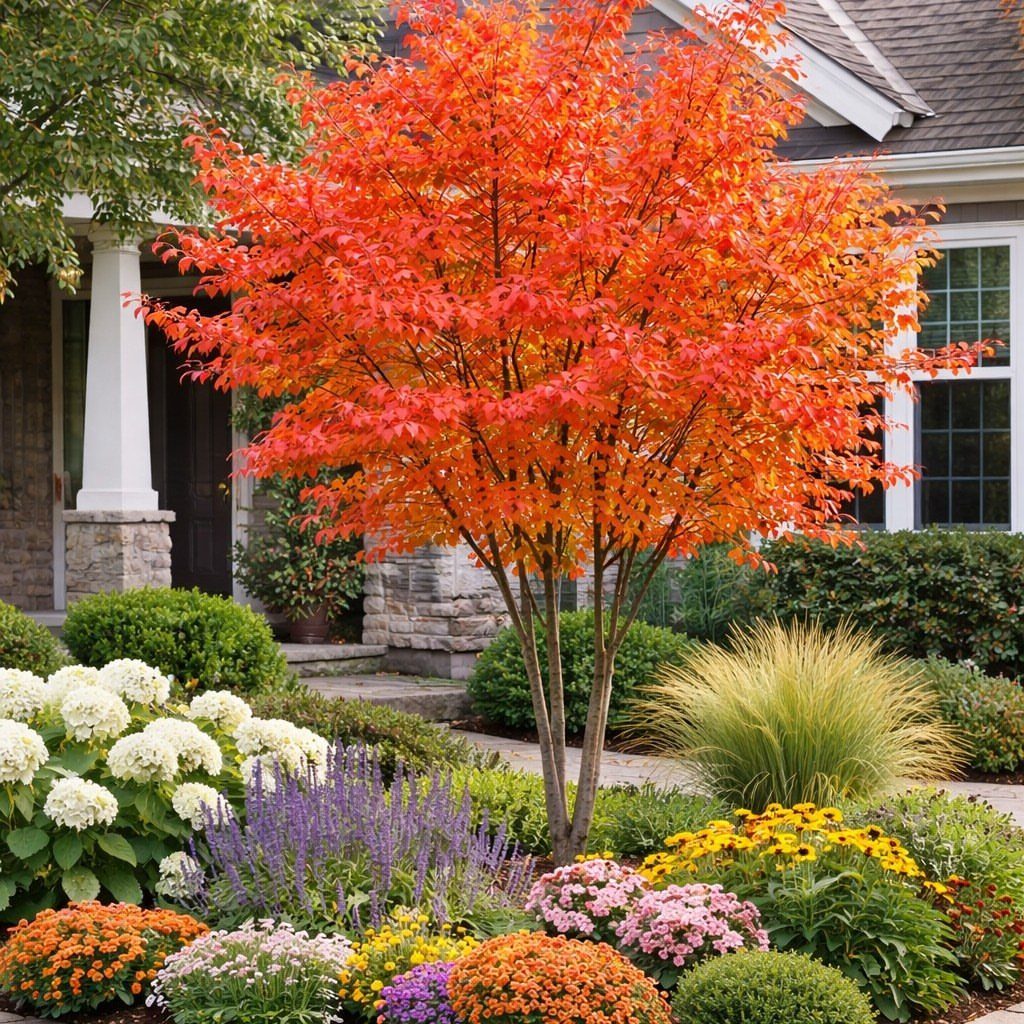
One well-chosen tree in a corner gives the yard a vertical anchor that shrubs cannot match. Japanese maple, flowering cherry, or bloodgood maple suit smaller corners; their growth stays modest and their foliage carries interest through more than one season.
Check mature height and spread against the corner’s dimensions, and match the species to your hardiness zone and light conditions. A tree that struggles is a long-term problem; one that thrives needs only mulch and occasional pruning.
I would place a bench or a pair of chairs within its eventual shade, not directly under the canopy. You want to sit beside the color, not crane your neck and miss it looking up.
19. Corner Garden Nook
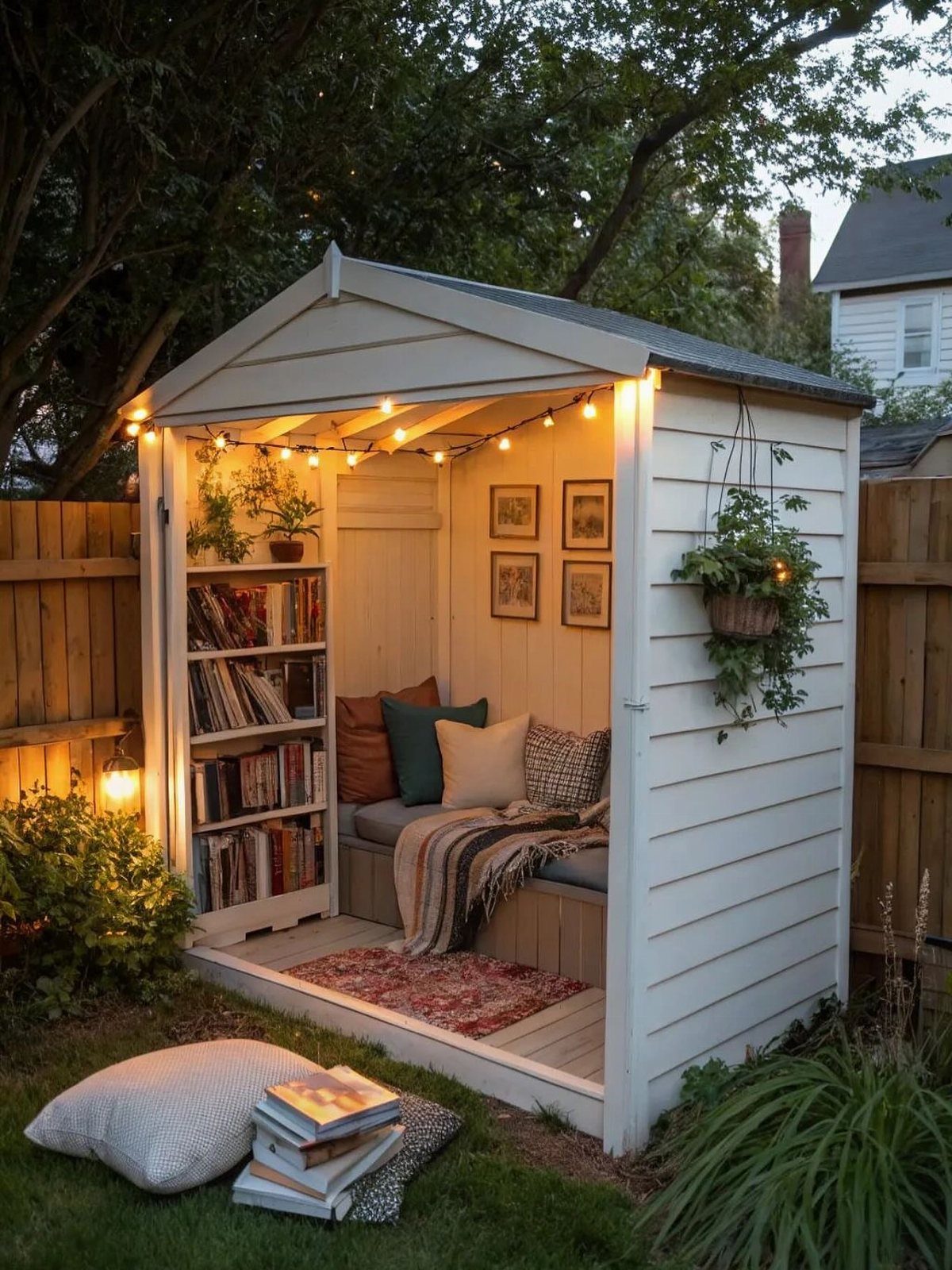
A small open-front shed or deep-set bench in a corner gives you a reading spot that planting alone cannot.
A cushion, a side table for tea, and a blanket stored in the bench turn the structure into somewhere you actually linger. String lights extend the usable hours past sunset.
Where sun is strong, a parasol mounts beside the seat rather than overhead; Glatz and Jardinico make hardware that survives wind. Lavender or jasmine planted nearby gives scent without demanding attention.
This trades ground space for stillness. In yards where every corner already grows something, that is the choice.
20. Bamboo Privacy Screen
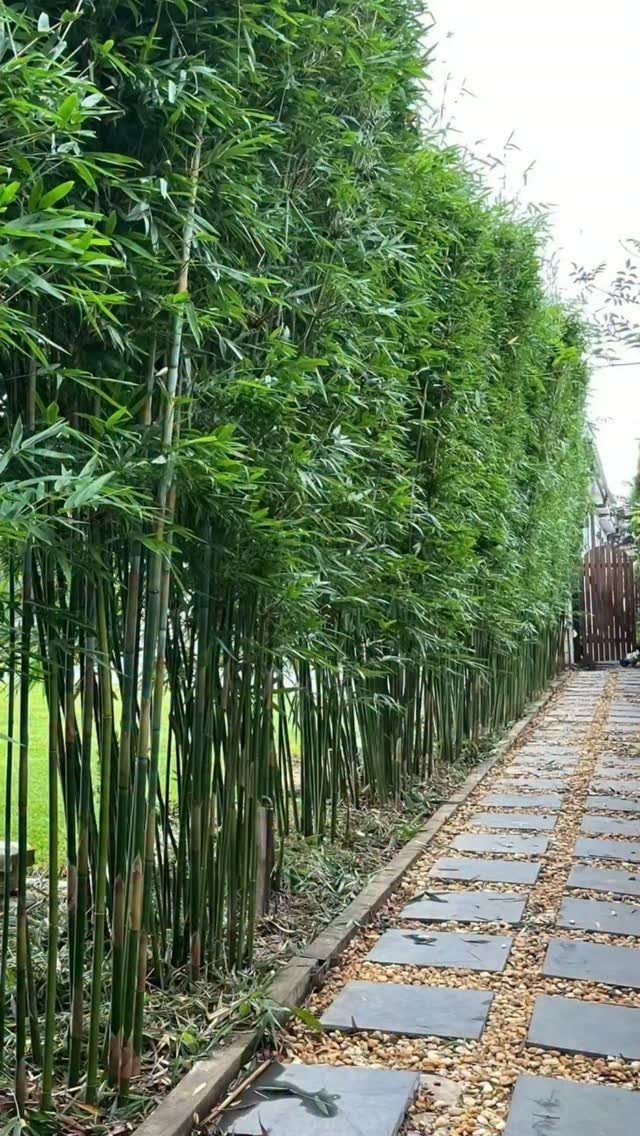
Tall bamboo in large planters lines a corner path and blocks sightlines without the deadness of a fence panel.
Two or three containers set along the angle grow dense in a season; the stalks sway rather than resist wind, which reads as garden, not barrier. Timber or stone edging contains the gravel walk and separates it from lawn.
Running bamboo needs root containment: a planter with a solid base, or a rhizome barrier sunk deep enough to block the runners if planted in ground. Clumping varieties stay put without the hardware.
This works for corners where the neighbor’s window looks straight in and a fence would feel like sealing yourself off.
Maximizing Small Spaces
Vertical space is the only kind most corner yards have in surplus.
The raised height in any tiered or wall-mounted setup changes how you work it. Harvesting at shoulder level beats bending to ground level by late summer, and the drainage means roots sit less in water after heavy rain.
In a corner measured in feet, not acres, that layering is the difference between a display and a working garden.
Creating Privacy
A corner feels exposed until something breaks the sight line. Layering height from the property line forward, shrubs behind and shorter stuff stepping down, gives the eye something to travel through instead of stopping at a single flat plane.
Rose bushes at height work too, though they need more care than shrubs. The seating sits where the fence already shields one side; the planting handles the rest.
A full enclosure is not the goal. The corner just needs to feel like somewhere you chose to be.
Low-maintenance Options
Some corners defeat ordinary planting before you start. South or west walls bake the soil dry; walkways and driveways leave patches thin on water and light.
No watering schedule, no replanting, no division in fall.
The trade is color: you get texture and form, not the bloom cycles of a cottage bed. For a corner you pass on the way to somewhere else, that is often enough.
Frequently Asked Questions
How to landscape a corner of a yard?
Work with the angle instead of against it. A triangular or L-shaped raised bed, a fire pit with bench seating, or a pergola frame all turn the corner into usable space rather than leftover lawn.
Pick one purpose, growing or gathering, and build for it rather than filling the angle with scattered plants that read as an afterthought.
What are some ideas for a corner shade garden?
Ferns, hostas, and heucheras thrive where sun-loving plants struggle, and they turn a damp, cool corner into a green pocket that needs little beyond mulch to look tidy.
A bench tucked under a mature tree turns the shaded spot into somewhere you actually stop instead of just passing through. Add bark mulch or a few stones and the corner reads as intentional, not neglected.