The list below mixes quick jobs like spreading bark mulch with bigger builds like a DIY outdoor bar, so you can match the project to the weekend you actually have.
A fire pit built from gathered rock costs next to nothing and still gives people a reason to stay outside once the sun drops.
[link-whisper-related-posts]1. Bark Mulch
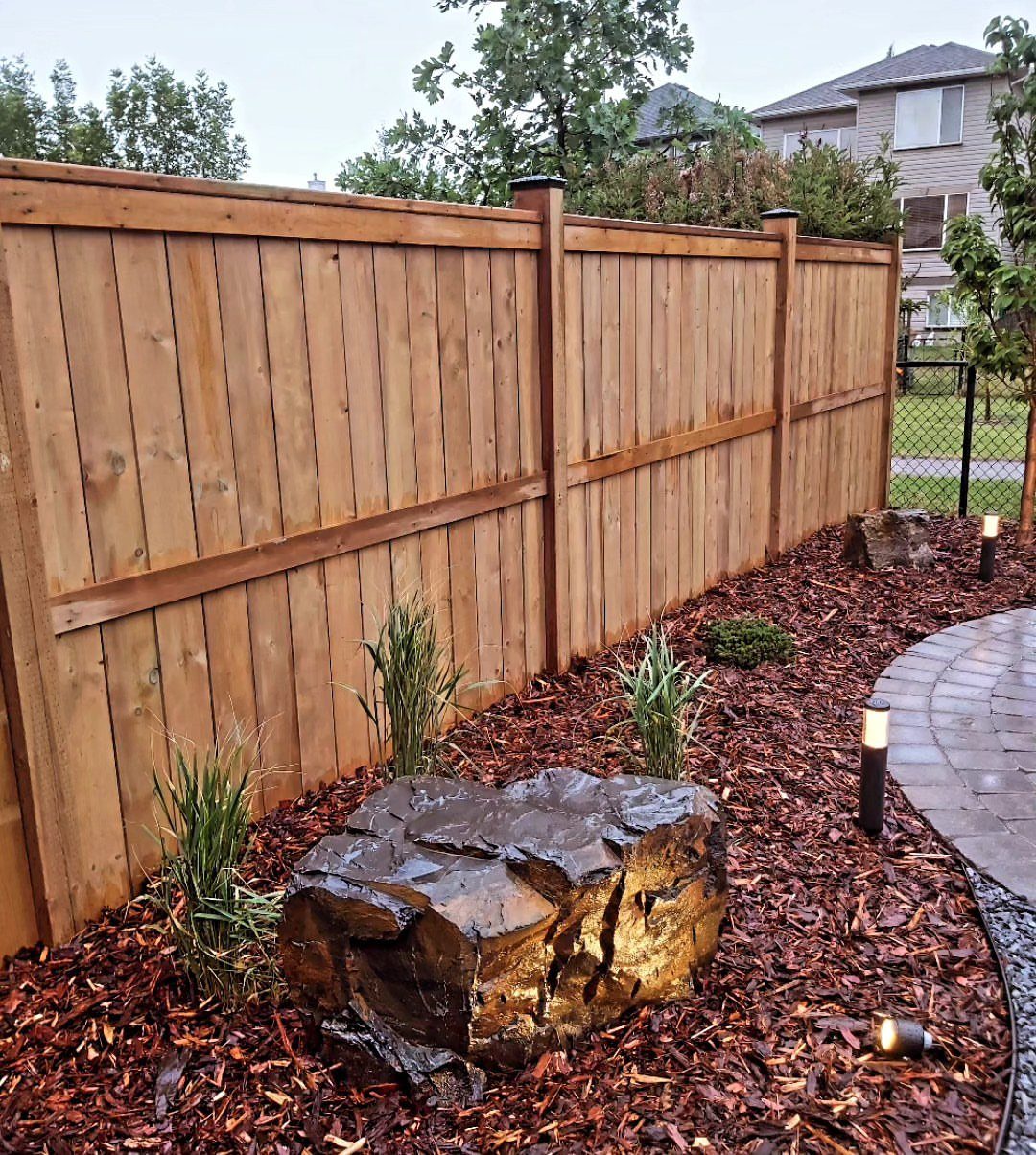
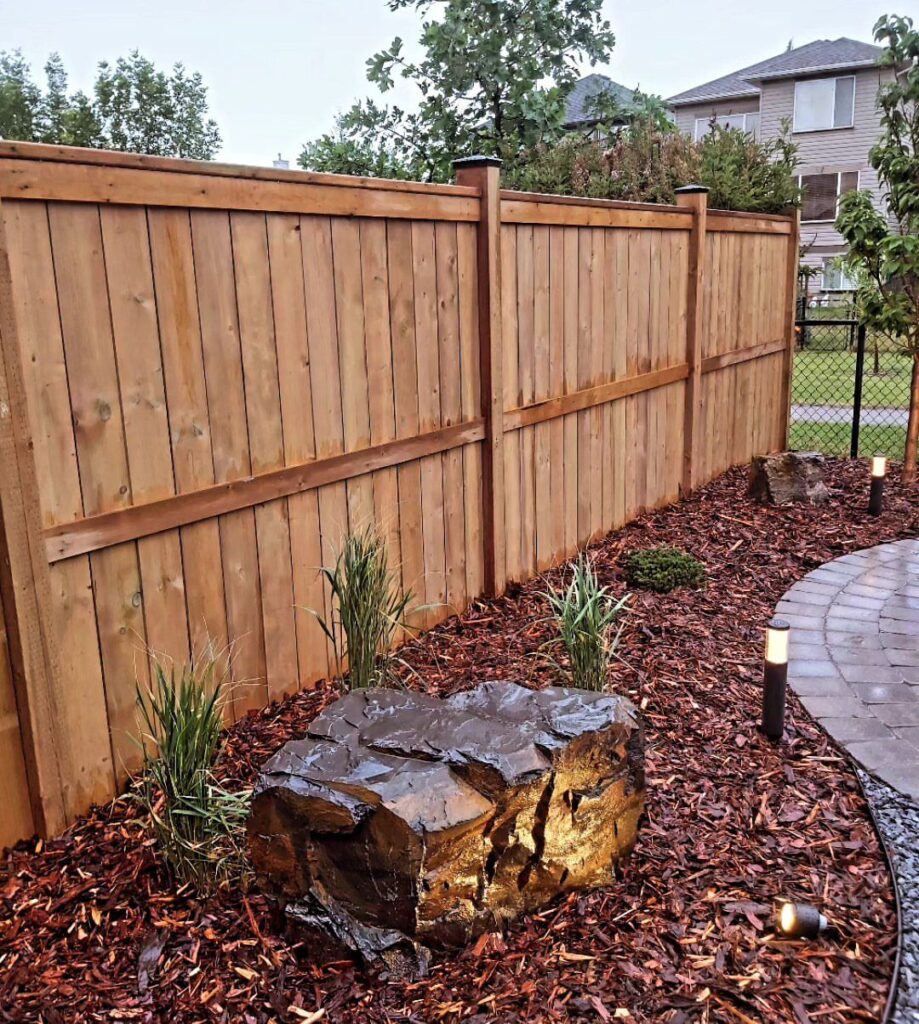
Bark mulch turns a raw garden bed into something that looks finished the same afternoon. It is the fastest way to make new plantings look intentional, and it keeps weeds down while it holds moisture in the soil.
I buy from local suppliers rather than bagged retail; the per-yard price drops, and you skip the hauling.
Wood chips or shredded bark both work. Spread it deep enough to block light from weed seeds, but keep it back from stems so moisture does not rot the base.
Recycled rubber mulch lasts longer if you want a one-time purchase, though it does nothing for soil quality.

【Note】This string light does not include a remote control; the voltage is 120V and it cannot be connected to a remote-controlled light string. If you need a spare bulb, please search: B0GWKT7LMN
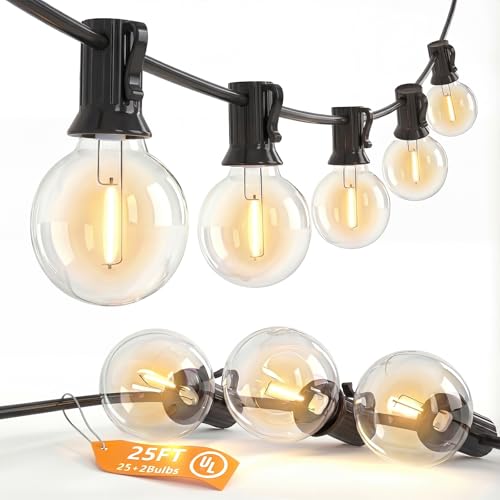
Plug-in Powered — Not Solar Powered, these G40 LED globe lights use standard household electricity and are not solar operated.
2. Create a Zen Garden
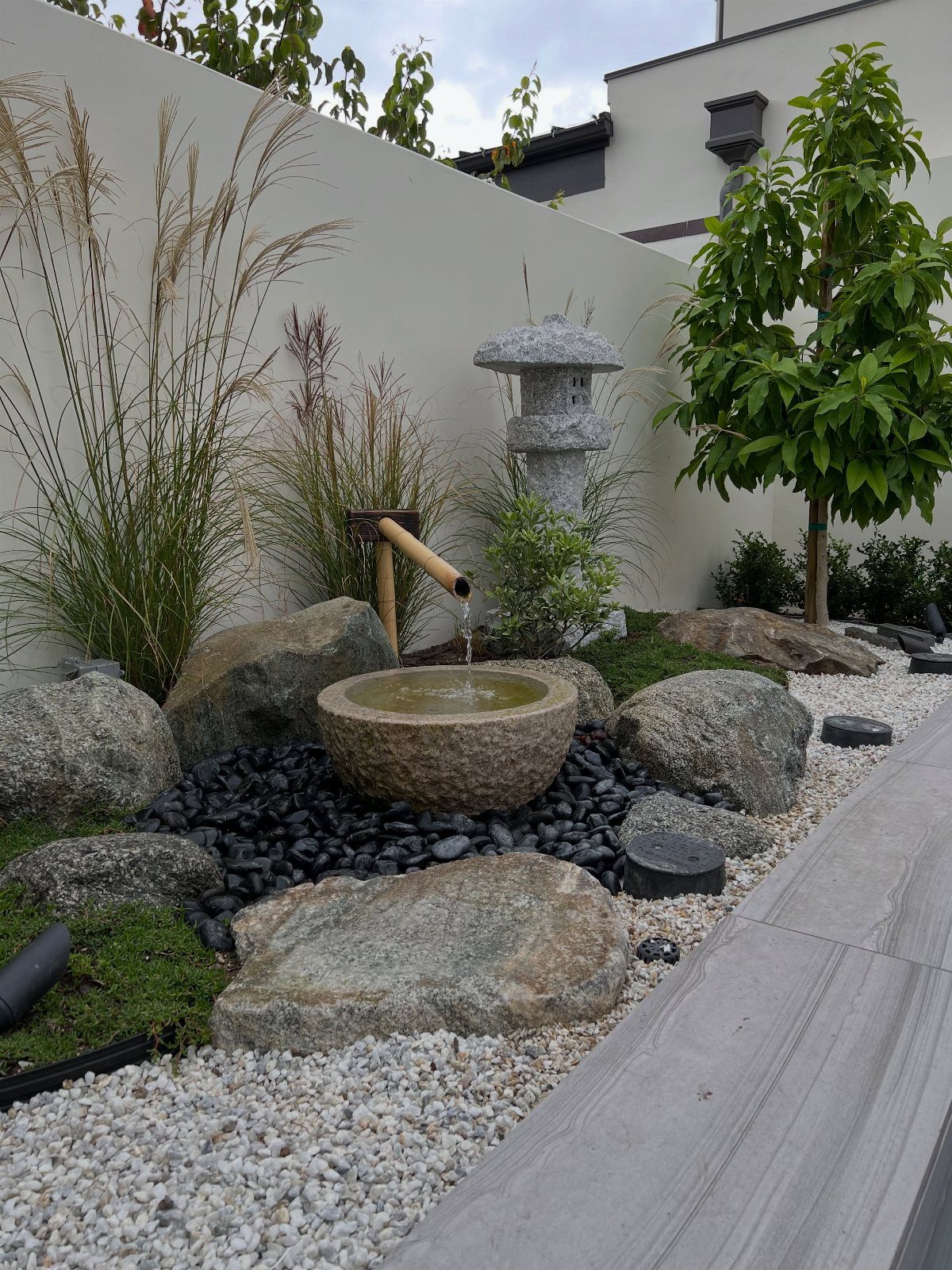
A Zen garden builds a small, calm corner from sand, flat stones, and raked gravel. The upkeep is almost none: no mowing, no watering schedule, just the occasional smoothing of patterns back into place.
Start with a cleared, level area.
Lay flat rocks as paths or seating edges, then spread fine gravel or sand over the rest. Raking lines into it becomes part of the maintenance, not extra work.
Vegetation is optional; a few low grasses or a small maple add green without demanding much space. A bamboo fountain into a stone basin is a separate project you can add later if the sound of water matters to you.

8 Lighting Modes: This solar christmas lights outdoor have 8 different lighting modes, including Combination, Waves, Sequential, Slo-glo, Chasing/Flash, Slow Fade, Twinkle/Flash and Steady-on. You can adjust different lighting modes according to different situations and mood

Durable LED Solar Powered Outdoor String Lights: 48 ft long Christmas string lights with 15 LED lights and detachable solar panel with on/off switch located on the back. 3' between bulbs and between the solar panel and first bulb. The lit portion is 42 feet. LED bulbs last 20,000 hours and solar panel is rated at 1,000 charge lifespan (can last approximately 2.5 years). Direct sunlight is best for a full charge, though you can get some use from charging in indirect light.

High-Efficiency Solar Panel: Our Solar String Lights Orange are equipped with an advanced solar panel that efficiently converts sunlight into energy, ensuring your Halloween decorations shine brightly all night long without any electricity cost.
3. Hang String Lights
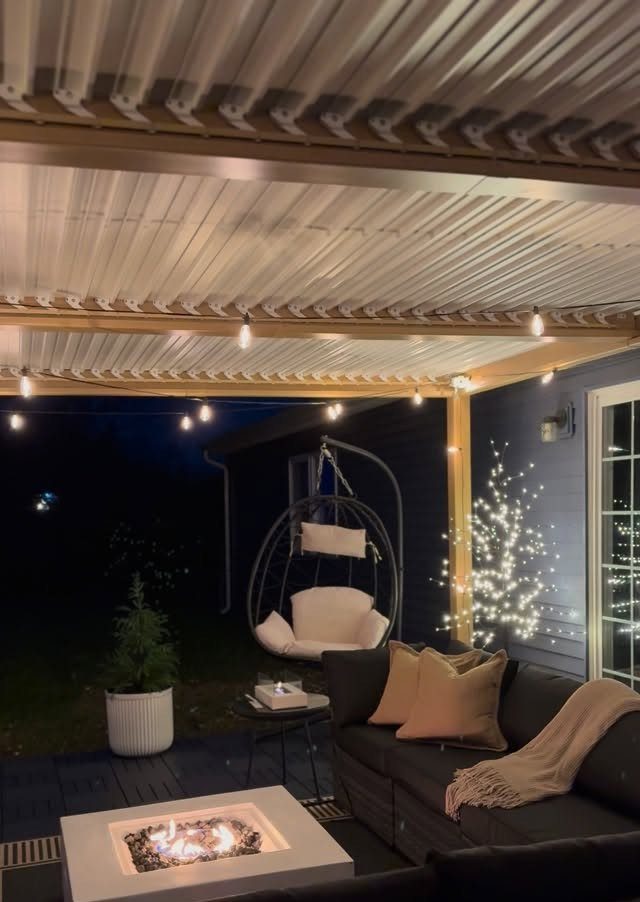
String lights change a yard from invisible at night to the place everyone gathers.
String lights hung from a corrugated roof over a sectional and fire pit give the same effect between trees, along a fence, or over any open corner.
Buy weather-resistant LED or solar-powered strands; solar skips the extension cord entirely.
LED bulbs run cooler and last longer than incandescent. Hang the wire first, then screw in bulbs last, since the glass is fragile and the wire tangles if you unpack everything at once.
Warm white, around 2700K, looks cozy; cooler temperatures read more modern. Zigzag or canopy patterns both work, so arrange for what your space allows.
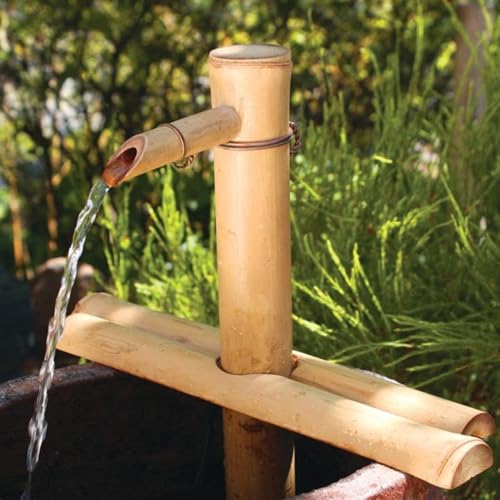
DRAMATIC WATERFALL SOUND & MOVEMENT – Designed to create a pronounced waterfall effect with water falling a greater distance, producing stronger water sounds and more visible movement than stream-style bamboo fountain designs.
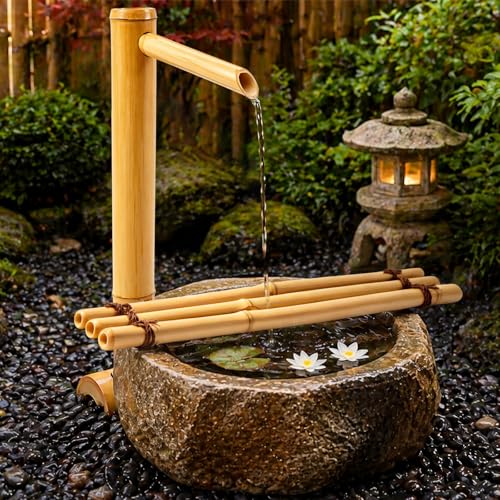
Natural Bamboo Build: crafted from sustainably harvested natural bamboo, this fountain retains original texture and warm hue; It brings a classic Japanese aesthetic to patios, fish ponds, and meditation spaces, elevating visual depth of outdoor environments while integrating seamlessly with surrounding greenery and stone elements; This bamboo fountain kit serves as a tranquil water feature that complements a range of landscape styles
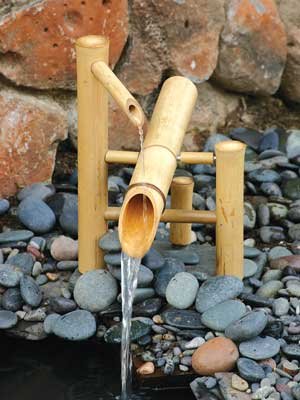
Designed for a Stable Outdoor Base — This rocking fountain is made to sit beside a pond, buried basin, or wide stone surface; it is not intended for balancing on bowl edges or small containers.
4. Plant Perennials
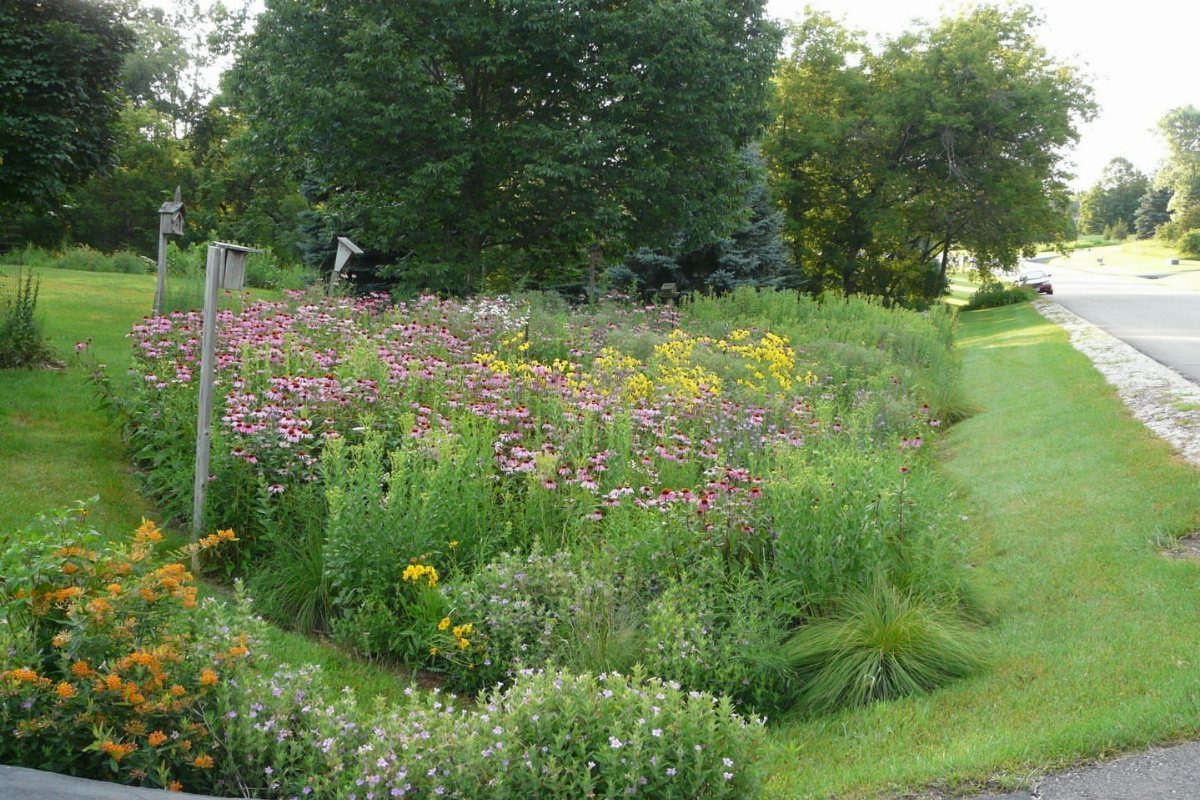
Perennials pay back their cost starting in year two, when they return without another trip to the nursery. Black-eyed Susans, coneflowers, lavender, daylilies, and sedum all handle neglect and still bloom.
Check what grows locally before you buy. A drive through your neighborhood in July shows which plants thrive in your actual soil and sun, not the tag’s optimism.
Space them for mature width so you are not dividing or transplanting in year three. By the third summer they should hit full size and fill their allotted spot with little help.

COVERAGE: 20,000 seeds of creeping thyme (Thymus Serpyllum) provide extensive ground coverage for gardens, pathways, and landscaping areas

16,000 Premium Purple Creeping Thyme Seeds: Non-GMO with high germination rate, easily cultivating dense and lush ground cover to inject natural vitality into your garden.

Cold-Hardy Perennial: These creeping thyme seeds grow into resilient perennial plants that thrive in USDA hardiness zones 5-9, returning year after year to provide continuous ground coverage through varying seasonal temperatures and weather conditions
5. Create Flower Beds
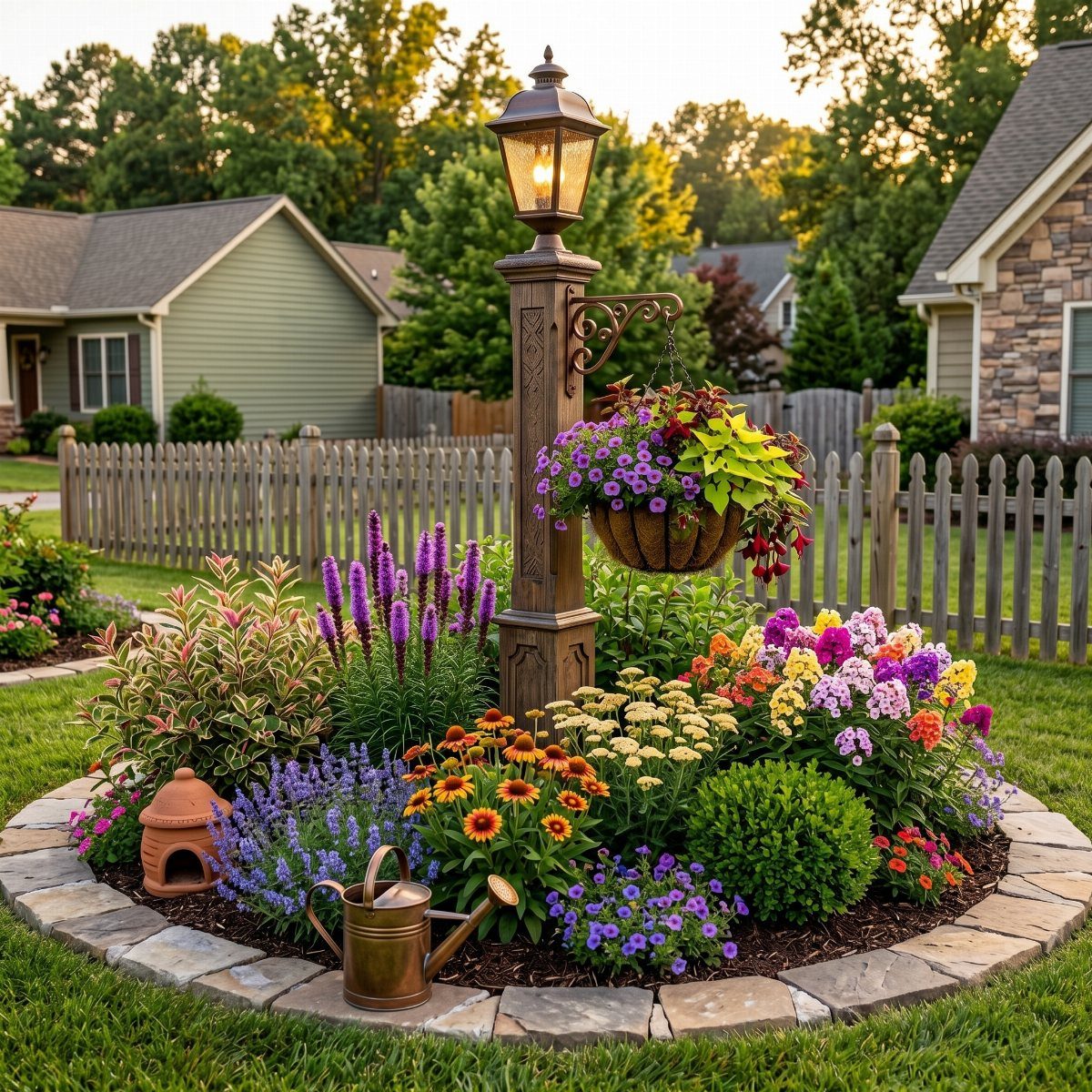
Flower beds add color where there was only lawn before. A circular stone-edged bed wrapping a lamp post works the same way along a foundation, driveway, or tree base.
Pick blooms for your sunlight hours, not just your color preference. Full-sun choices wilt in shade; shade lovers crisp in afternoon exposure.
Stone or brick edging contains the soil and signals that this patch is intentional, not a dug-up accident. Old watering cans, wheelbarrows, or wooden boxes can stand in for bought planters if you want height variation without the garden-center price.
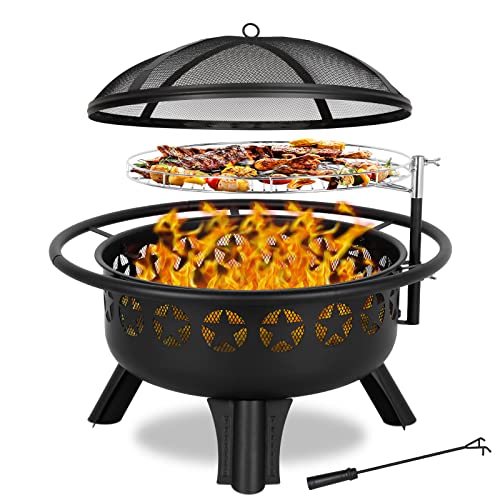
【2 in 1 Outdoor fire pit with grill】: 31” Dia x 24” H, this wood burning fire pit features a multi-functional design ideal for outdoor heating or grilling. The fire pit with cooking grate is designed with an outer ring around the central fire area allowing for easy movement. The creative pentagram vents help increase airflow for the firewood and brings a brighter flame. Air circulation burns longer and vigorously, and a mesh cover can prevent from flying sparks.
6. Use Gravel for Hardscaping
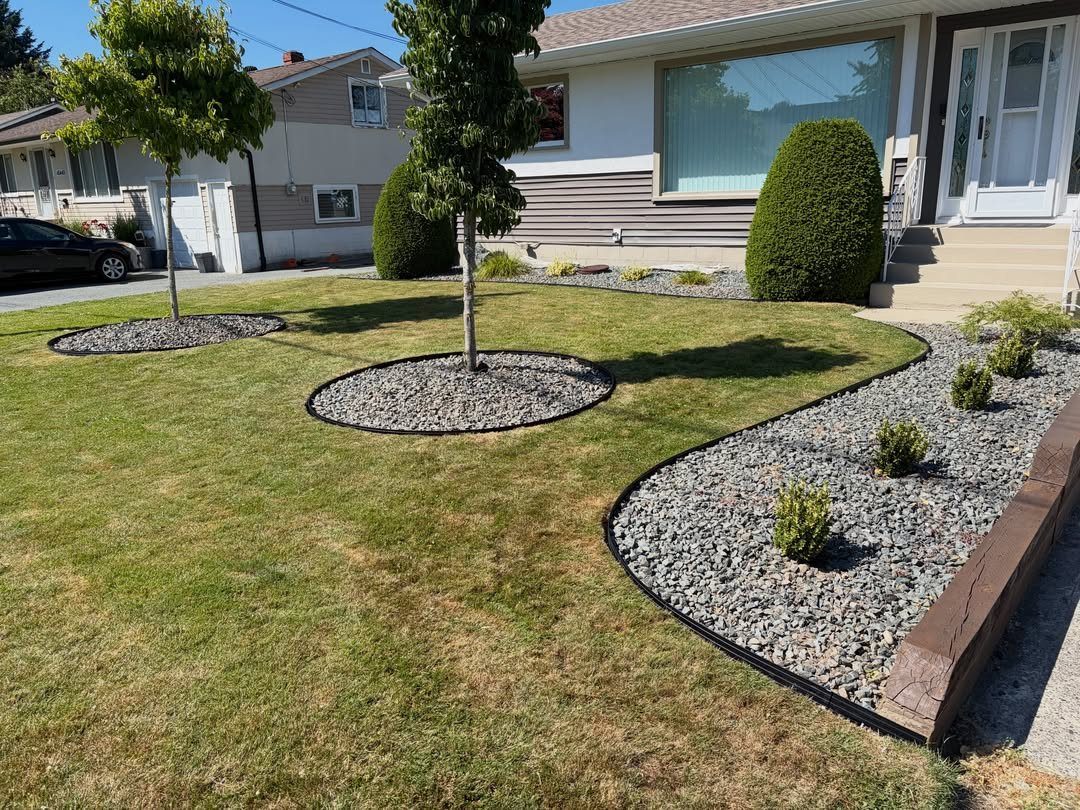
Gravel covers ground for less than concrete, pavers, or sod, and it drains immediately after rain. Gray gravel with black edging against a lawn is one starting point; stone size and color vary enough to match most house styles.
Strip grass first, roll out landscape fabric to block weeds, then spread enough gravel to stay put and drain.
Compact the base if you will walk on it; decorative beds can stay looser. Pea gravel underfoot feels like a beach; larger crushed stone locks firmer for paths.
Mix sizes or colors for texture, or keep it single-source for a quieter look. Local landscape suppliers sell bulk for less than bagged retail, and most deliver.
7. Build a Rock Garden
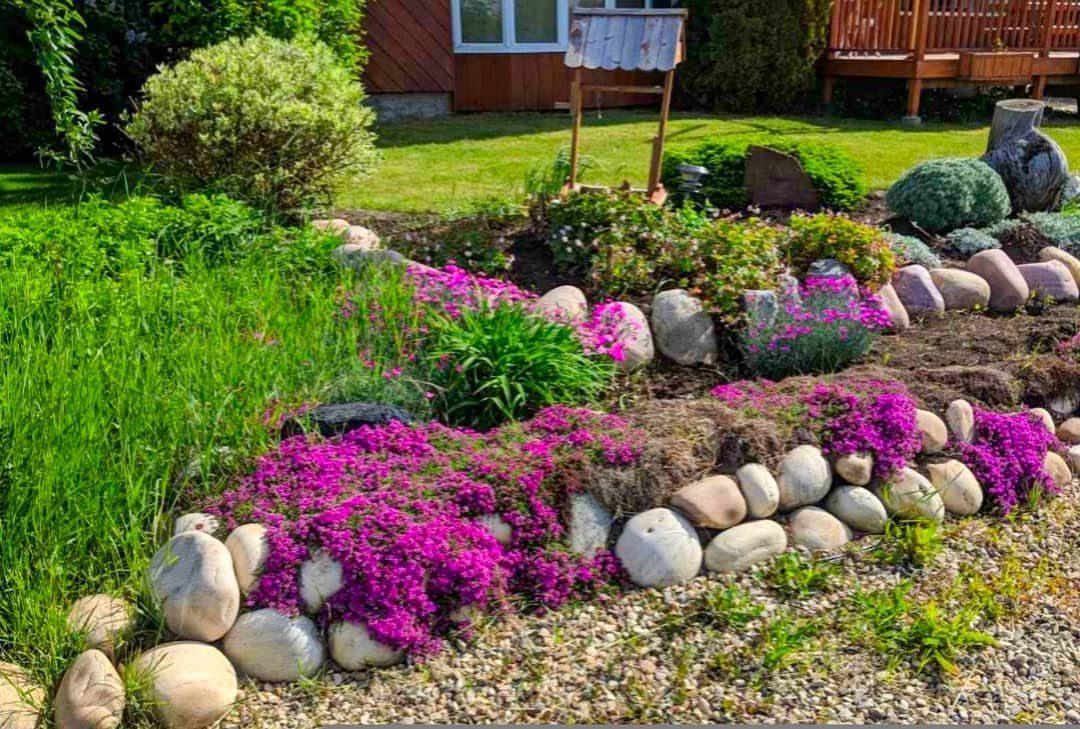
Rock gardens work with slopes that fight grass, not against them. Large stones anchor the soil, prevent runoff, and cost little if you haul from a local quarry or ask a contractor where they dump extras.
Fill gaps with sedum, yarrow, or thyme; all handle drought once established.
Flat designs suit level ground, while terraced stones guide the eye uphill and add depth. Set each rock so it will not shift before you plant around it.
8. Shed Window Boxes
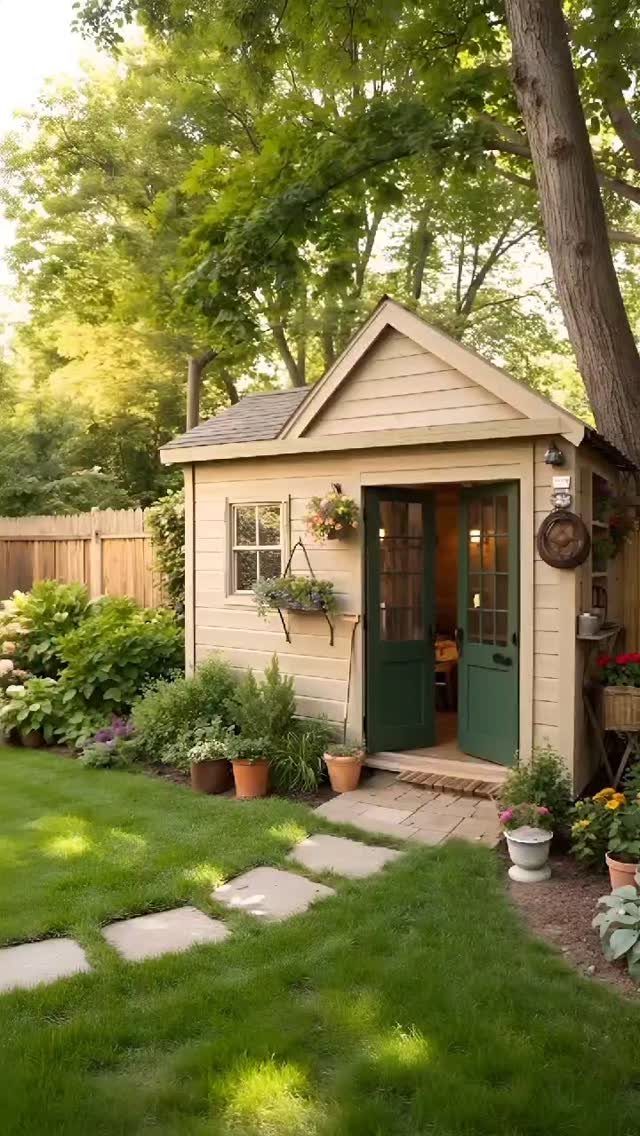
A shed with a flower box beneath its window stops being storage and starts reading as a garden building. Paint the exterior to match or contrast your house, then mount a simple box with trailing plants or annuals.
The interior can shift to whatever your yard lacks: a potting station, a quiet desk, or a small retreat.
The window box is the signal that the space is finished, not leftover. Match the trim color to other yard woodwork so the shed belongs where it sits.
9. Install Stepping Stones
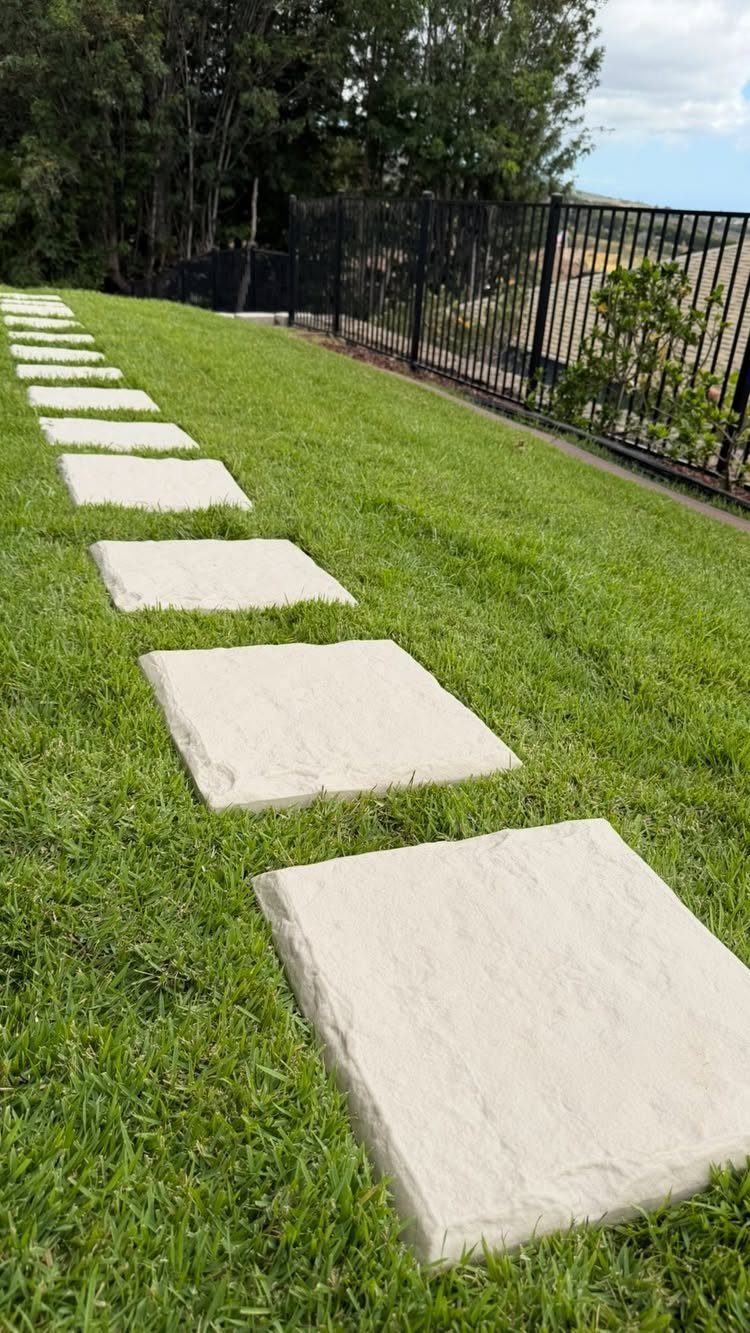
Stepping stones keep foot traffic off grass and give a yard deliberate paths where none existed. Concrete pavers run $1 to $15 each at home improvement stores; natural stone or polyresin both work for muddy spots.
Set them into the lawn with their tops flush to the blade height, or lay them in gravel for firmer footing.
Moss or low plants between stones soften the line. Pour your own in concrete if you want embedded pebbles, sea glass, or pressed leaves; the personalization costs only the mold and the cure time.

PREMIUM DROUGHT TOLERANT WILDFLOWER MIX: A carefully curated blend of hardy wildflowers selected to thrive in hot, dry, and low-water conditions. Suitable for xeriscaping, water-wise gardens, low-water landscapes, and challenging growing environments across the continental USA


10. Fire Pits
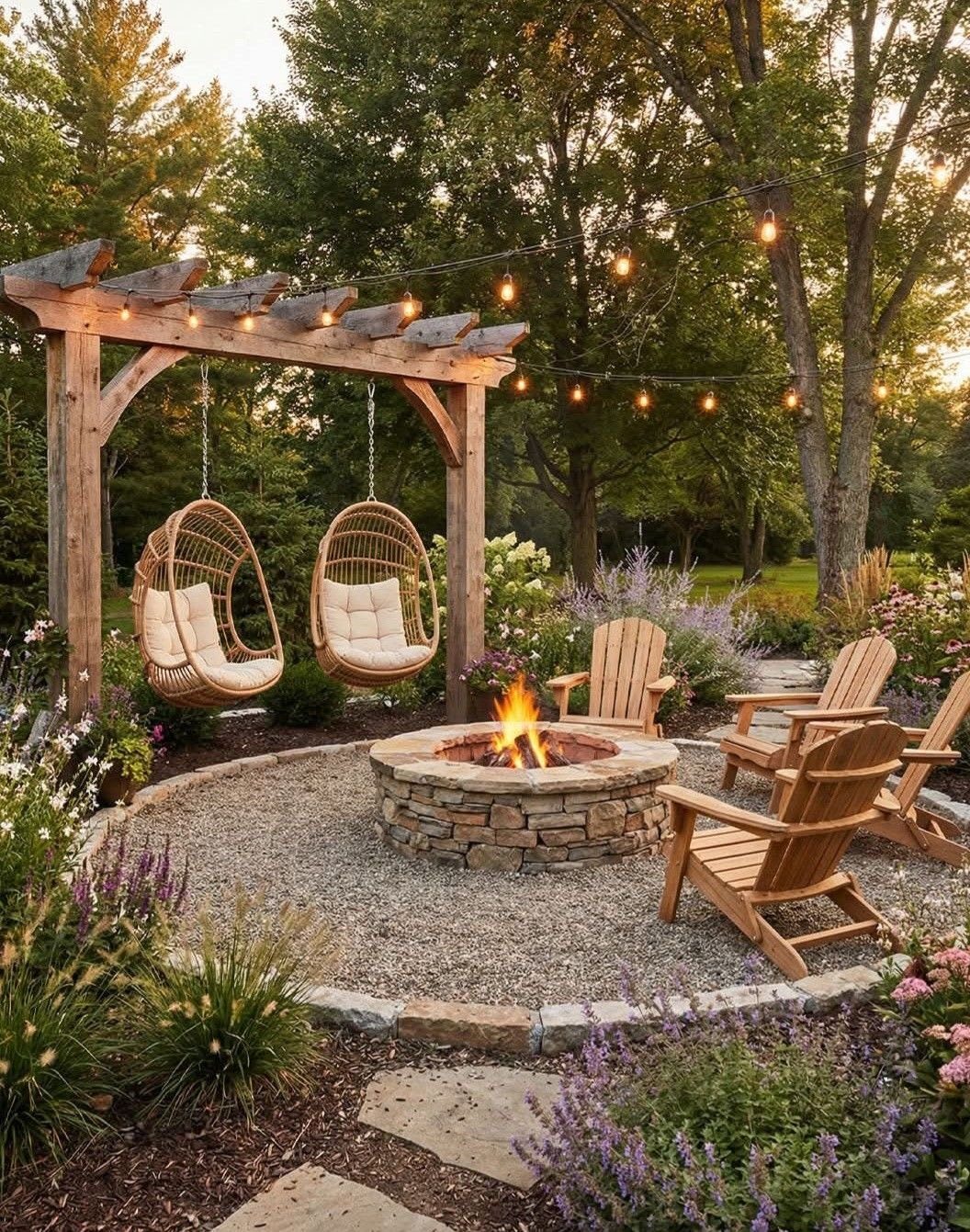
A fire pit turns evening yard time into something people linger for. Local stone, recycled brick, or concrete blocks all build the ring; the cheapest method is gathered natural rock stacked to contain the flame.
Check local regulations before you dig. Clear the spot, level the ground, and lay gravel underneath so water drains and the base stays put.
A circular ring seats conversation naturally; a stone-edged gravel area around it gives chairs firm ground. The project takes a weekend, and the return is s’mores and conversations that last past dark.

Superior Strength Meets Premium Craftsmanship (Utility Patent Pending): This 36"heavy-duty steel fire pit ring is built tougher and thicker than standard models and other smokeless fire pit ring—delivering long-lasting durability and more impressive, smokeless flames. This 36"heavy-duty metal fire pit ring is a high-end centerpiece designed to elevate every outdoor gathering. [Utility Patent Pending]

Premium Pit-Proven Performance: We source our genuine volcanic rocks from the Far East, so they'll bring a touch of exotic authenticity to your fire pit; And our fire pit rocks are made with extreme heat resistance

Heat Resistant: This natural lava rocks stone resists extreme temperatures without chipping and remains heat resistant for long periods of time
11. Repurposed Benches
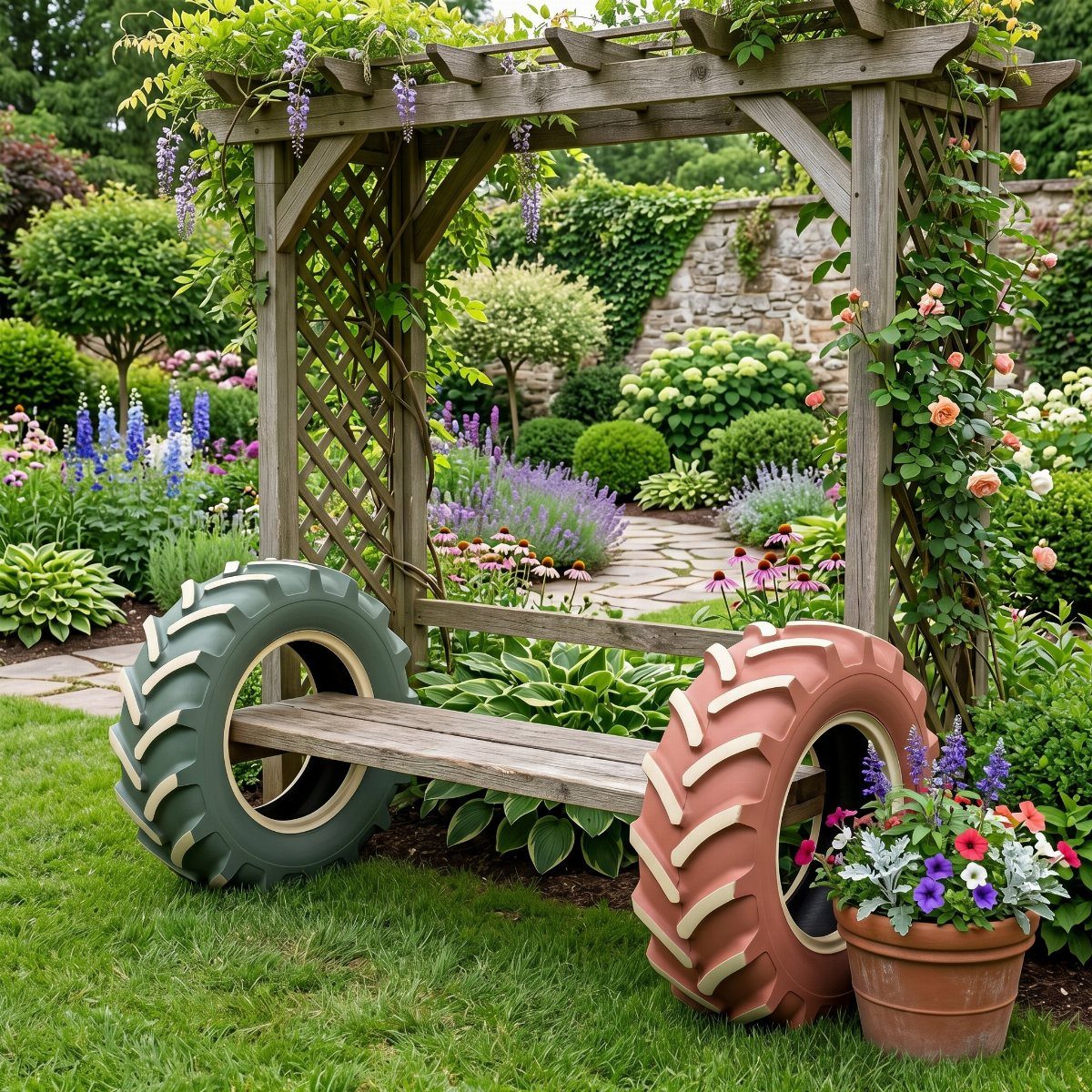
Reclaimed wood, pallet lumber, or any weather-resistant plank works for the seat; the tires hold it at sitting height and will not rot.
Built-in storage, modular pieces, or fixed landscape seating are options if you want more function than a single bench provides. Structural integrity matters more with repurposed materials: check that the base is stable and the finish handles rain.
12. Flowering Shrubs
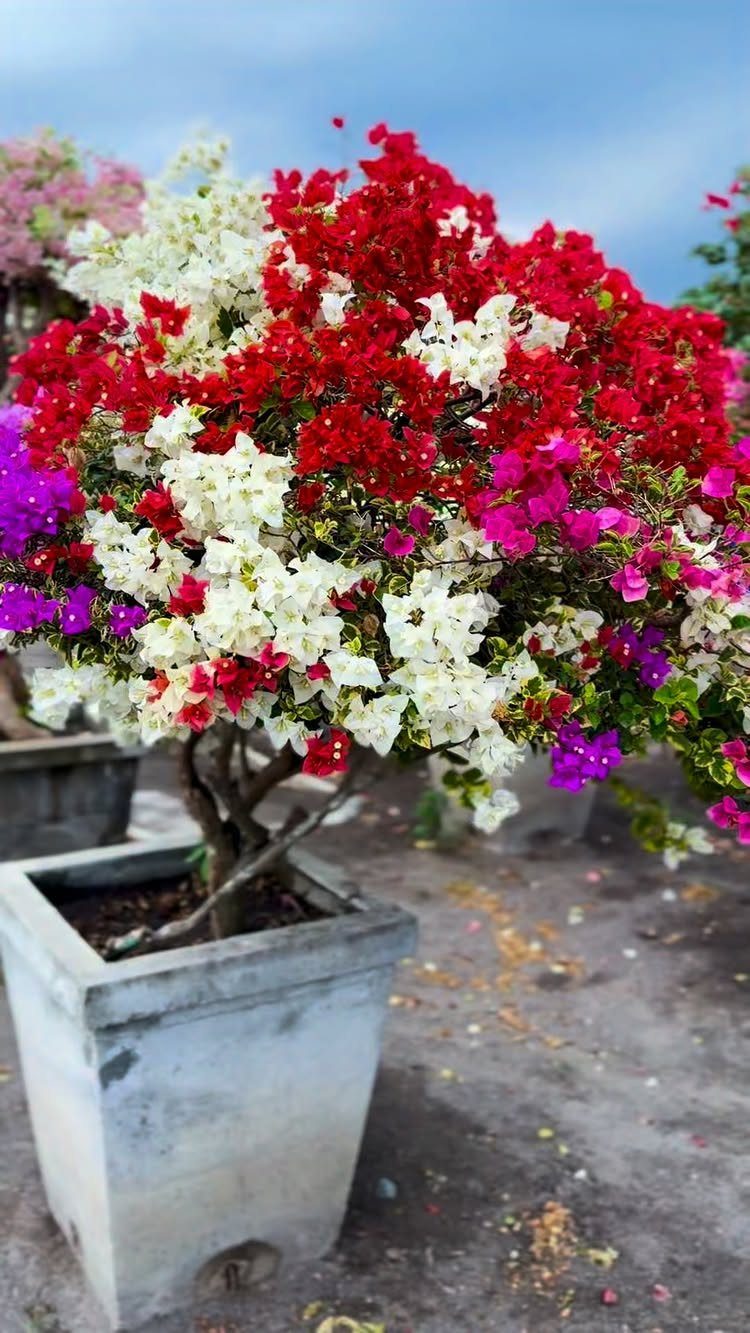
Flowering shrubs like hydrangeas, lavender, or roses give color and fragrance without the yearly replanting that annuals demand. A single shrub in a concrete planter works on patios or paved areas where beds are not an option.
Check mature size before you buy; a plant that fills a planter fast will crowd a bed.
Sun hours matter as much as with perennials: lavender wants full exposure, hydrangeas tolerate more shade. Container shrubs need water more often than ground-planted ones, but they move if you change your layout.
13. Painted Outdoor Furniture
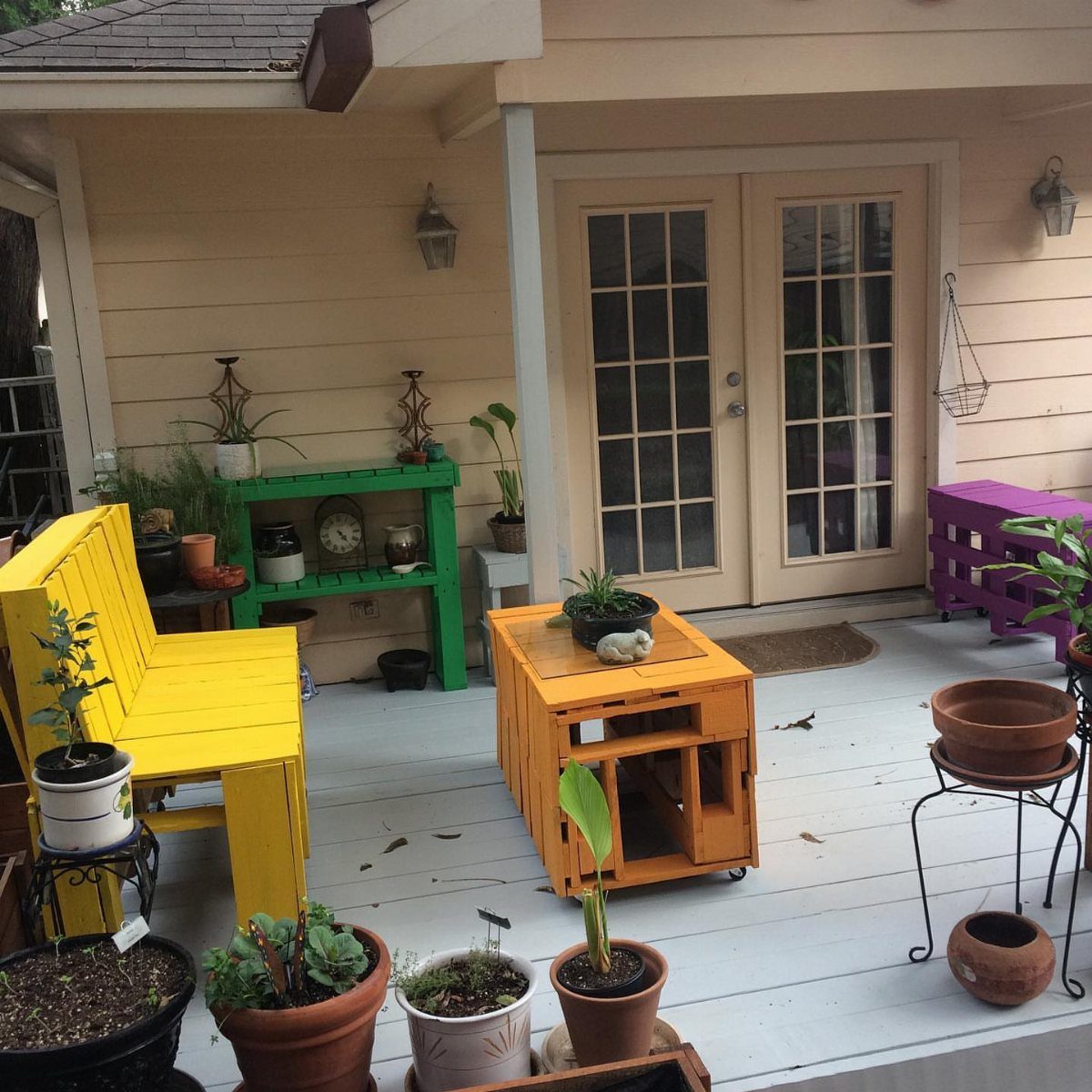
Painted outdoor furniture lets you keep old pieces instead of replacing them. Exterior-grade paint made for wood, metal, or wicker handles rain and sun without the chalking and peeling that interior formulas give you.
Prep is where the work lives: strip loose paint, sand smooth, prime, then paint.
The color is the cheap part. Paint the pieces in colors that read right against your plants and siding.
Check HOA rules if you have them; some limit palette choices. A painted bench or table reads as intentional yard furniture, not salvage.
14. Install Solar Lights
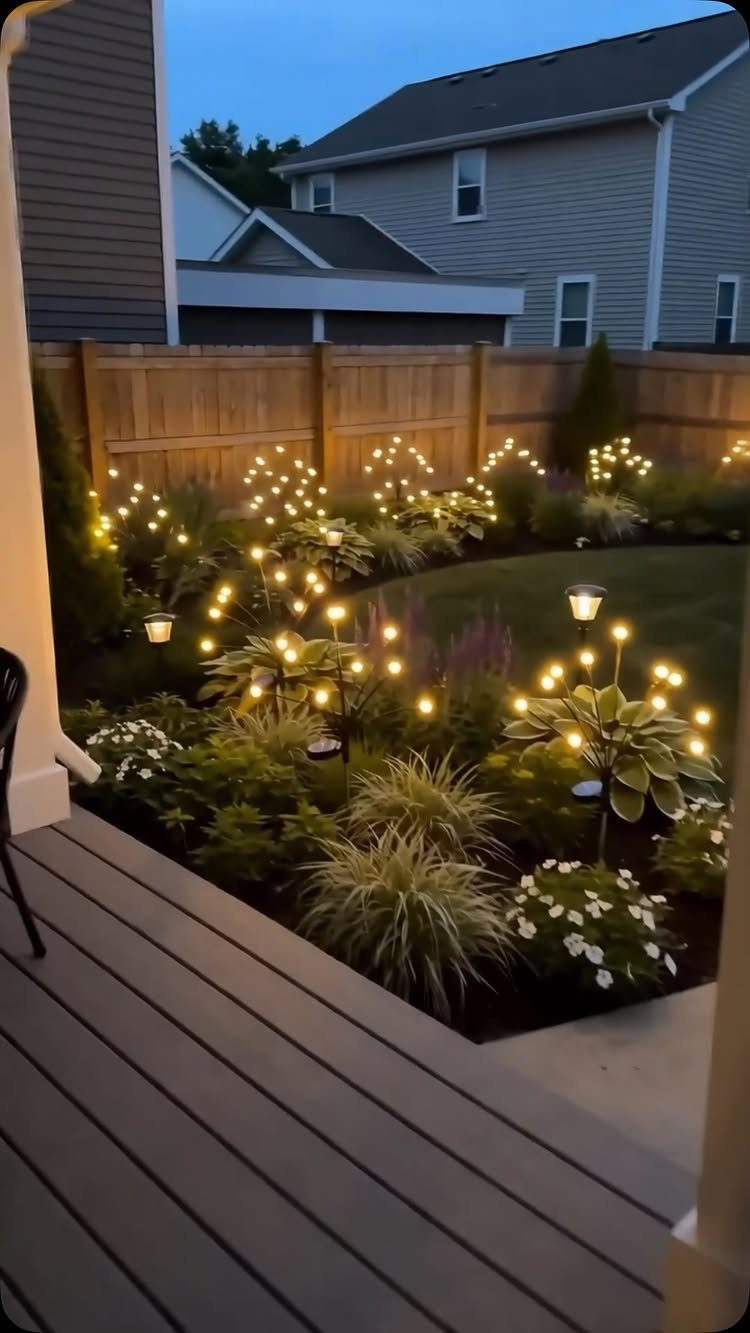
Solar lights charge through the day and glow after dark with no wiring and no bill increase. Panels need direct sun for most of the day; fence lines and garden edges both work once that is sorted.
Shade from overhangs, dense shrubs, or north-facing placement will leave them dim before the night is half over.
Test your spot before buying a full set. Pathway lights stake in fast; string versions need something to hang from.
Warm white matches most yards, though some solar panels give a bluer cast than wired LED. Check that the housing is weather-sealed, not just water-resistant.
15. DIY Outdoor Bar
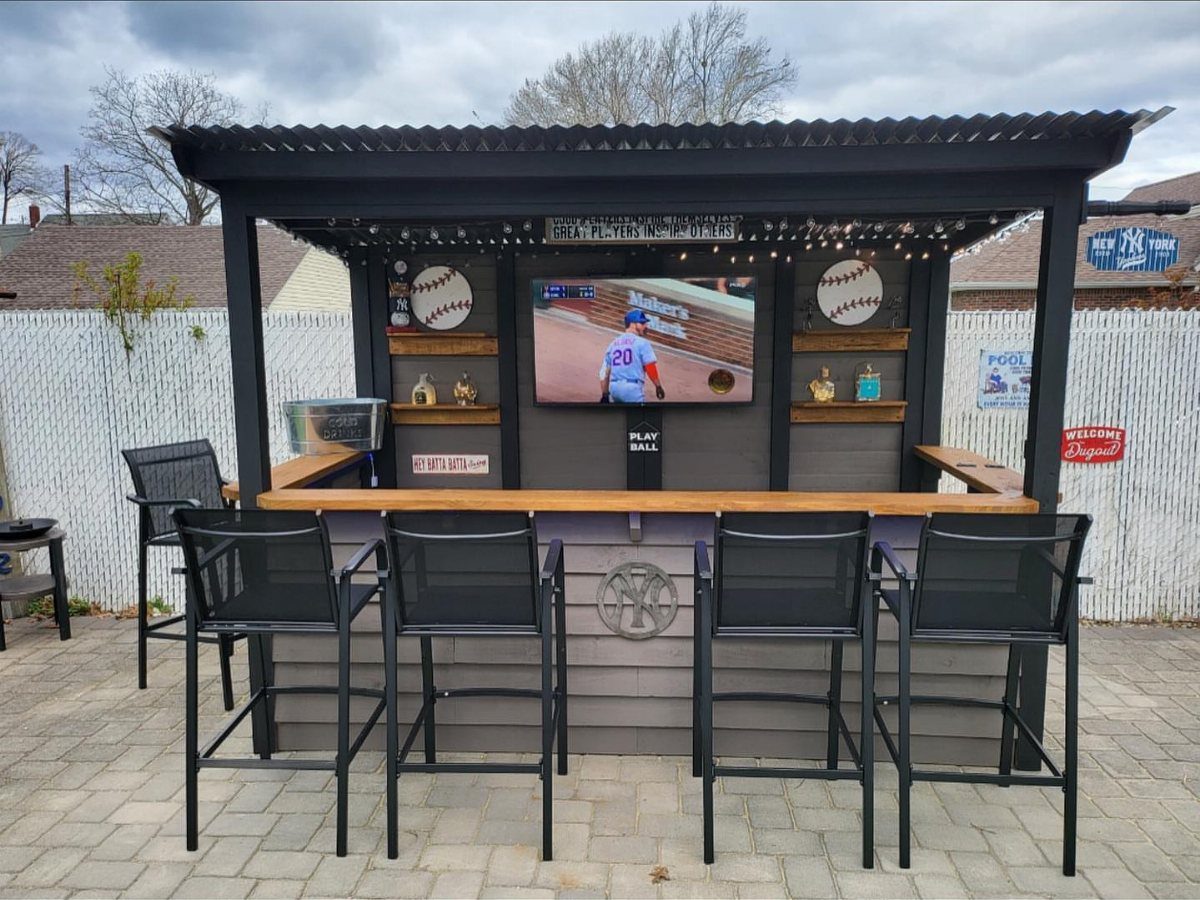
A DIY outdoor bar gives guests a place to mix drinks without you running inside for ice.
A fixed, roofed, wired-for-TV version is one end of the range. A potting bench cleared off for the evening works at the other.
Reclaimed wood or pallet lumber keeps cost down. Build in storage for bottles and glasses, or keep it portable with a folding design you can wheel away.
Weather resistance matters: seal the counter, use exterior fasteners, and plan a cover or a spot in the garage for winter. Basic carpentry is enough; precise cuts matter more than fancy joints.
16. Standout Plant Focal Point
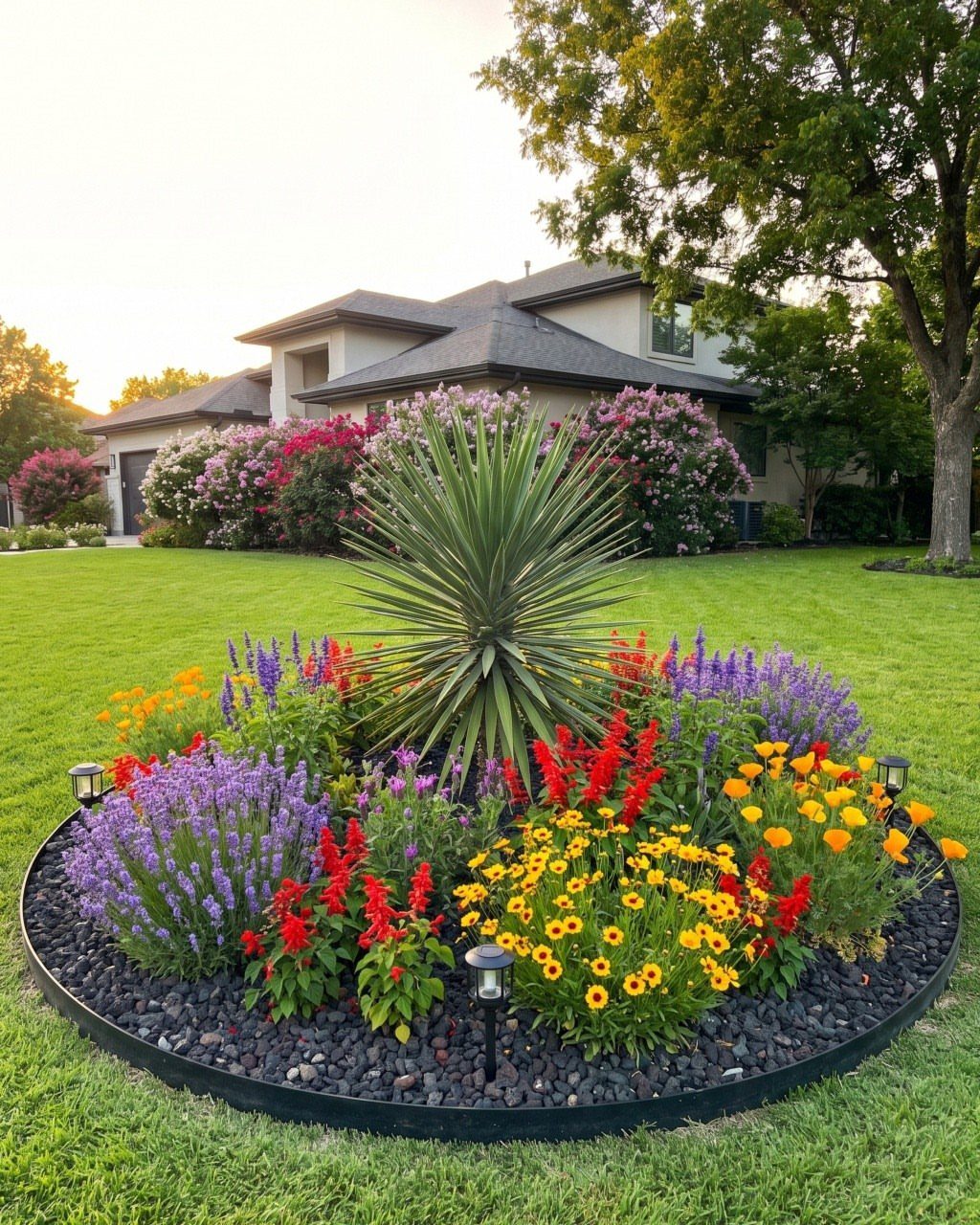
One standout plant in a simple bed draws the eye better than scattered color everywhere. A spiky yucca centered in a circle of low flowers and dark mulch is the clearest example: the structure reads as designed, not accidental.
Pick a plant with form or height the surrounding bed lacks.
Succulents, grasses, or a small specimen tree all work. Keep the bed shape clean, edge it, and mulch dark so the plant pops.
Solar lights at the perimeter turn it into a night feature too. The rest of the yard can stay plain; this one spot does the work.
17. Wooden Pallet Porch Swing
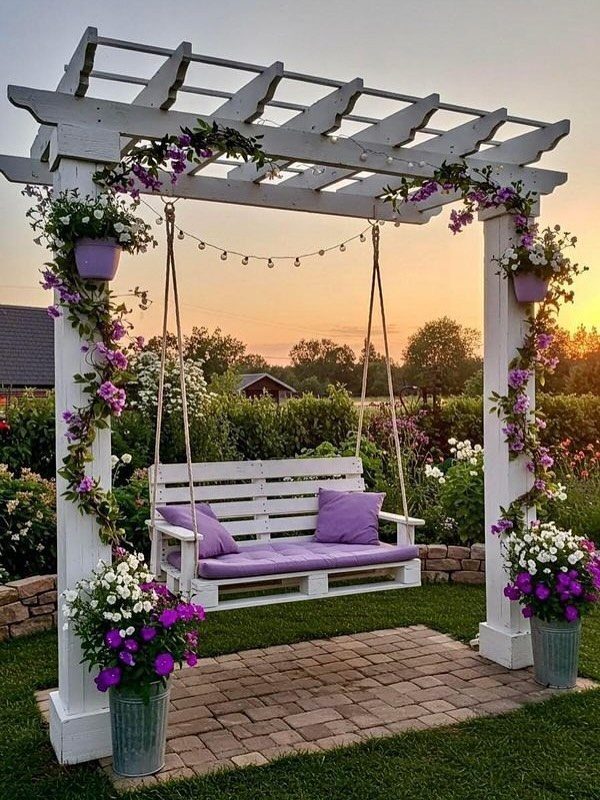
A pallet swing turns a pergola or sturdy beam into a seat that moves.
Marine-grade hardware resists rust; standard deck screws will weaken and fail. Sand every surface smooth, especially where arms and legs rest, then stain or seal for weather protection.
A pergola gives you shade sail potential if you lack a roof. Test the support before anyone sits: a beam that holds a hanging plant may not hold 2 adults.
Purple cushions add color you can swap by season. Reclaimed lumber works if pallets feel too rough; either way, check for rot and split grain before you build.
Budget Planning
Divide your cheap yard ideas budget into two parts: one for materials and one for unexpected costs. That split keeps the project from swallowing the budget halfway through.
Clearance racks at the back of garden centers, piles on the curb after a weekend of pruning, and swaps with the neighbor who grows too much zucchini: these are where my budget doubles.
Each of those sources has given me quality materials for little or nothing.
Local nurseries mark down stock on a rhythm you can learn; someone behind the counter will tell you which day if you ask. Repurposing what is already in your yard or garage costs only the time to move it.
Seasonal Considerations
Drought-resistant varieties need less water and fewer replacements over time.
I drive through neighborhoods in July to see what thrives in local soil and sun before I buy anything.
Maintenance Tips
Regular weeding, debris removal, and trimming dead growth keep small problems from becoming expensive ones.
Refresh mulch before it thins enough to let light through to weed seeds; that layer also holds soil moisture through hot months, which cuts watering frequency.
Composting yard waste turns leaves and clippings into soil amendment, so you buy less fertilizer.
In fall I run the mower over leaves and let them lie as mulch, or pile them in a bin to cook down; either way, the paper bags stay in the garage. That one shift saves money and labor twice.
Sourcing Materials
Secondhand materials cut cost without cutting quality.
I watch curbside giveaways, neighborhood plant swaps, and community gardening groups for stone, lumber, and divided perennials. Clearance racks at garden centers move stock that is perfectly viable if you plant it promptly.
Seasonal sales run on predictable schedules; nursery staff will tell you when to show up.
Frequently Asked Questions
How to make a yard look nice for cheap?
DIY projects, repurposed materials, and low-maintenance plants stretch a small budget farthest. I build from what I already own or find free, then fill gaps with perennials that come back on their own.
Gravel paths, mulch beds, and string lights are the kind of projects that run on pocket change and still look pulled together by Sunday night.
Mulch is the easiest win: some cities have programs where tree trimmers will drop off their chipped loads for free.
Perennials cost more upfront than annuals but come back year after year, so the math works out over time. A fire pit built from local stone and a free evening of stacking beats anything that ships in a box.
What are some cheap and affordable ideas for a backyard without grass?
Gravel patios, stone pathways, and flower beds with perennials replace lawn without the mowing bill.
Pea gravel spread over landscape fabric makes a patio for the cost of bulk stone; local suppliers deliver for less than bagged retail. Rock gardens handle slopes where grass struggles, and sedum or thyme fill gaps without watering schedules.
What is the cheapest landscaping?
Bark mulch, perennials, and repurposed materials cost least over time. Mulch finishes a bed the same afternoon and blocks weeds for a season; perennials pay back starting year two when they return free.