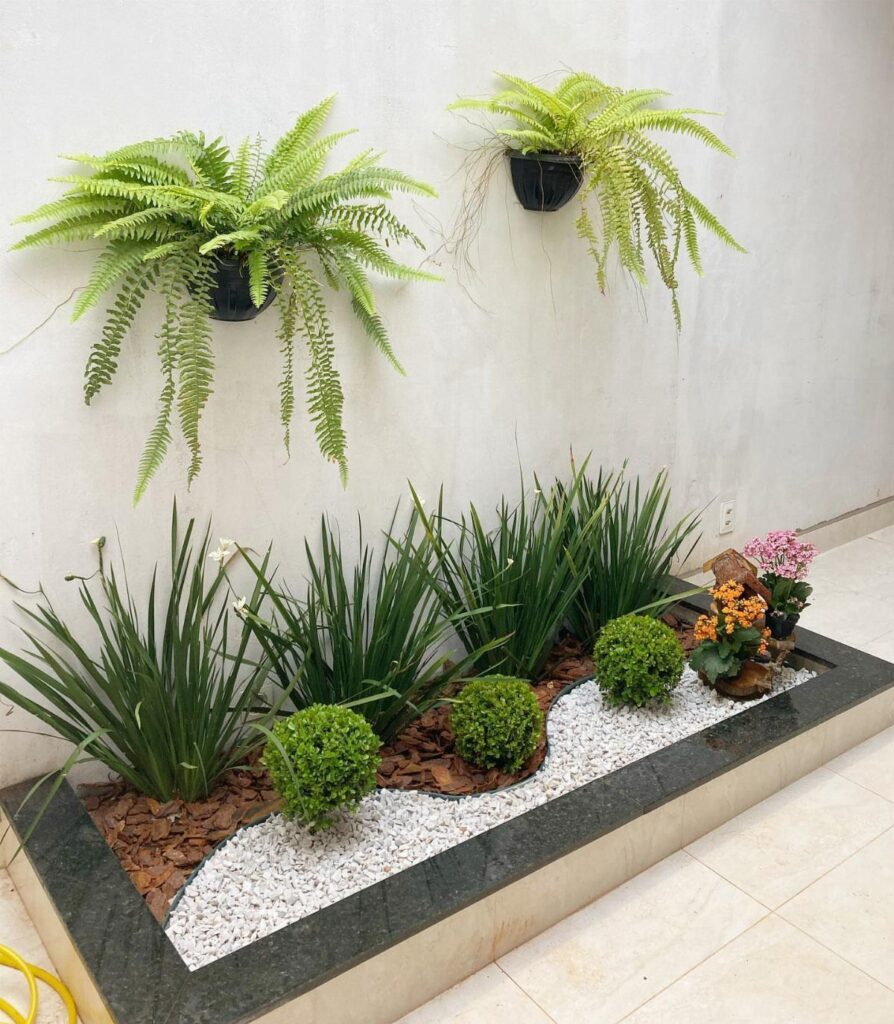
These ideas run from a weekend of building planters to a small plunge pool that needs excavation and plumbing, so the deciding factor is how permanent you want the change to be.
A portable fire bowl you can store tomorrow sits at one end; a pergola bolted to your house wall sits at the other.
A 24 to 30 inch round fire pit fits most tightly, if you are testing whether your yard earns its keep before committing to anything fixed.
[link-whisper-related-posts]1. Vertical Gardens
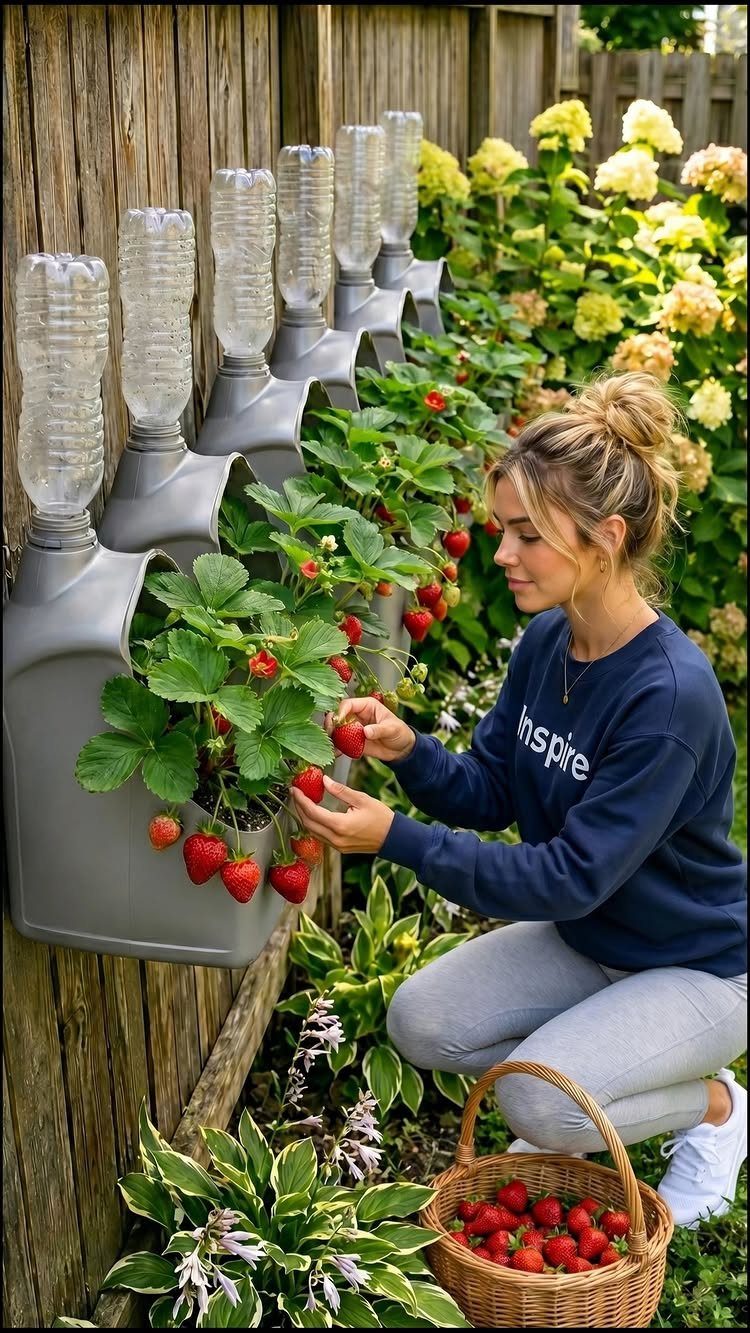
A vertical garden turns the one surface every small yard already has, a fence or wall, into growing space.
I have seen strawberries thriving in upcycled containers mounted on wood, and herbs do well in the same setup. Vertical planters work, but so do plastic containers, bottles, or tin cans with drainage punched through.
Trellises work for climbing flowers or vines. Top rows dry out faster, so check them daily in summer heat.

✅ Versatile Hanging Planters: Ourfence hanging planters or hanging strawberry planter are perfect for adding greenery to any space, whether it's your garden, balcony, or indoor living area.

2. Dwarf Trees and Compact Shrubs
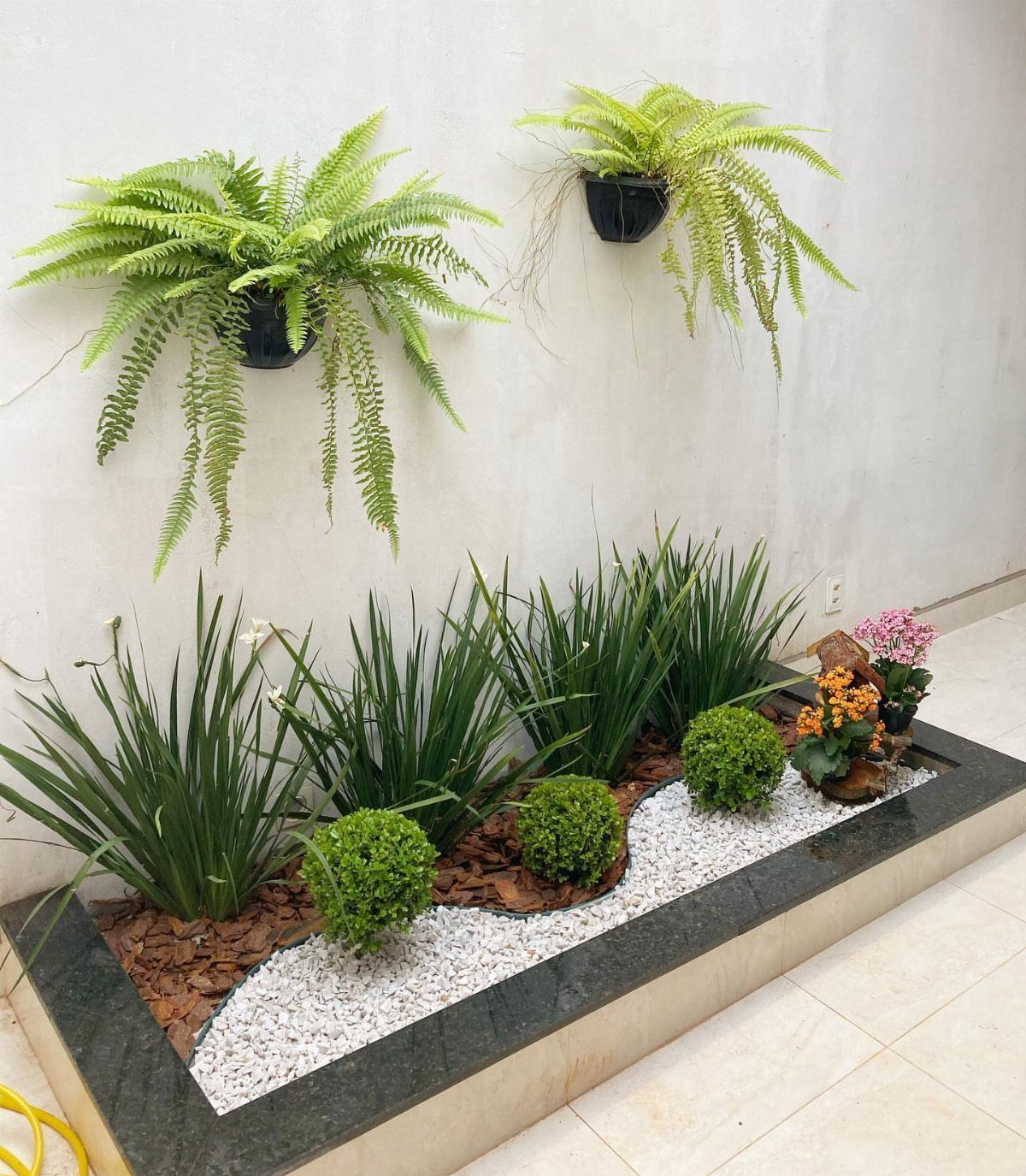
Dwarf trees and compact shrubs keep a small backyard from feeling swallowed by green. Standard varieties outgrow their welcome in a few seasons; the compact forms stay proportionate without constant fighting.
Blue chalk sticks and other low succulents work in tight spots. Native plants to your area need less water and care, which matters when you are fitting garden time around weekends.
Prune to shape, not just size; a compact shrub that stays round by habit needs less intervention than one you are always battling back.
3. Ground Covers
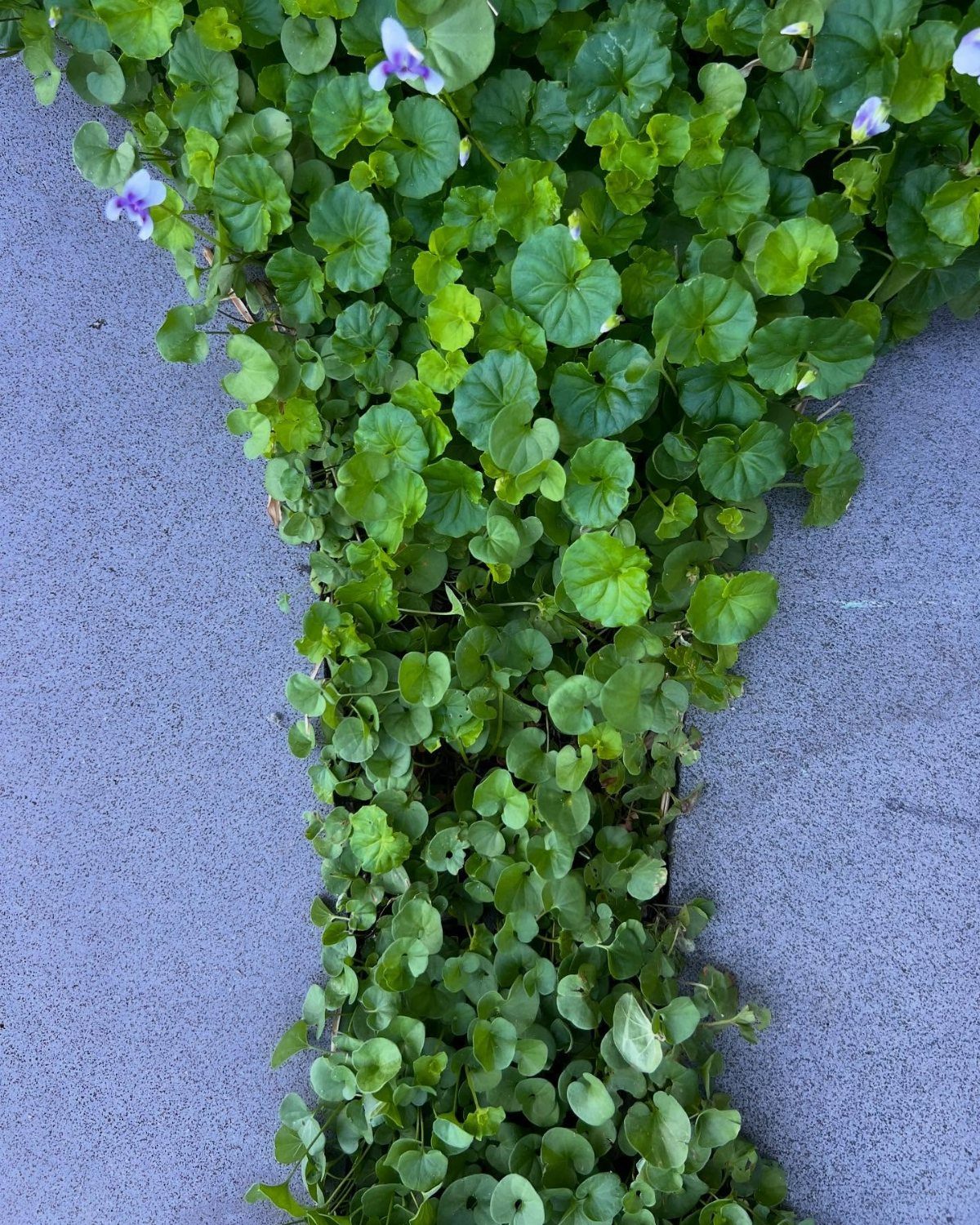
Ground cover between pavers or across a bed eliminates mowing strips too narrow for a machine to handle.
Native violet spreads low, flowers in purple and white, and takes foot traffic without complaint. Set it between concrete pavers and you get a path that softens as it ages, the plants knitting together over seasons.
Less maintenance does not mean none; you will still weed until it fills in. Choose a species suited to your light and soil, not just your zone on the map.
4. Benches with Storage
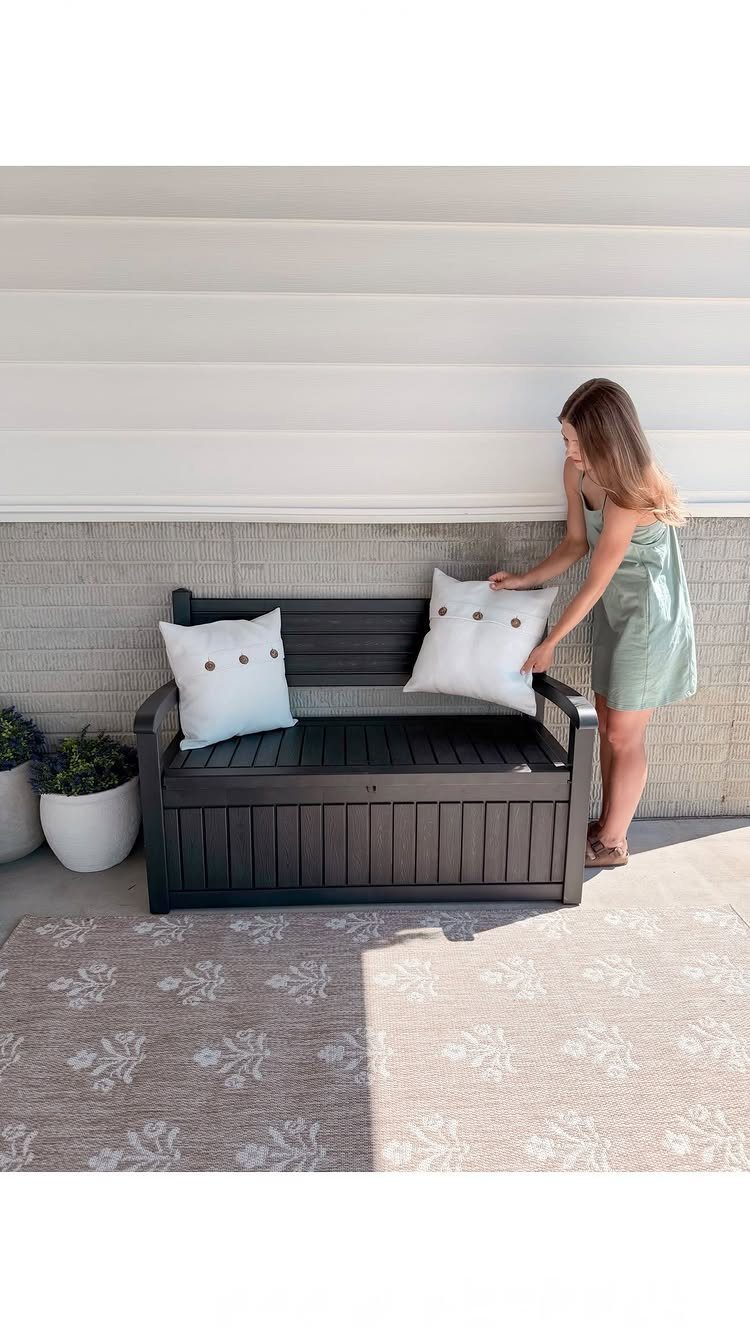
A bench with storage earns its floor space twice over, seating plus a place for cushions, tools, or the toys that otherwise migrate across the patio.
The dark wood versions hide dirt and read as furniture, not container. Size it to your typical gathering; too large and it becomes another surface to navigate around.
I would check that the lid seals well before leaving anything fabric inside through a wet season. Position it against the house wall for back support and to keep the center of the space open.

ALL-WEATHER DURABLE RESIN – Made from high-quality, weather-resistant resin that won’t rust, peel, fade, or rot, ensuring long-lasting outdoor performance year-round.
5. Wood and Stone
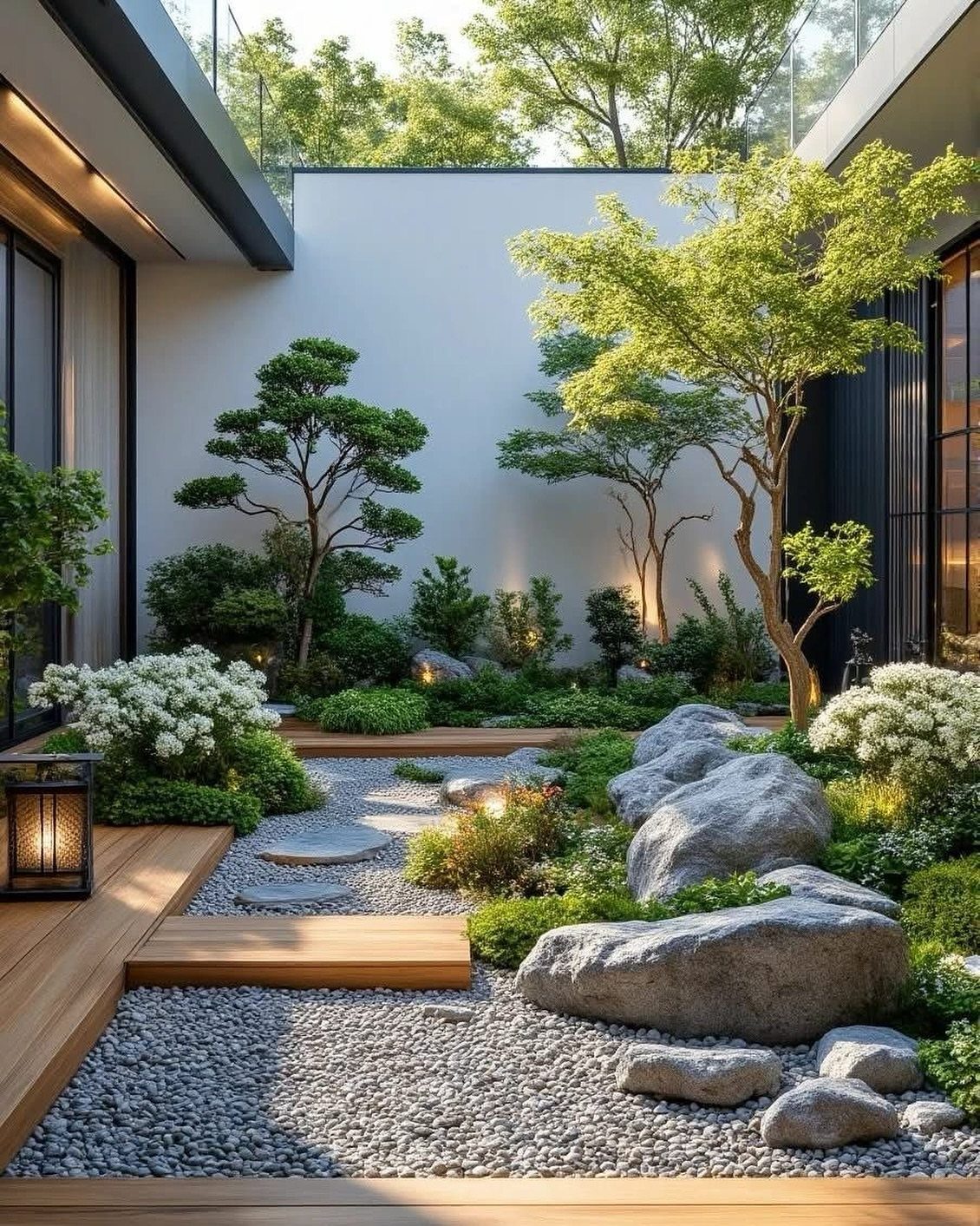
Wood decking, stone, gravel, and green together keep a small yard from feeling busy.
Limit materials to two or three, not every option that caught your eye. Large natural boulders anchor the space visually; small scattered stones read as leftover.
Clear pathways matter more in tight quarters, so plan how you move from door to seating to any gate before you place anything permanent. A minimalist palette of wood, stone, and metal unifies; too many textures and the yard shrinks.
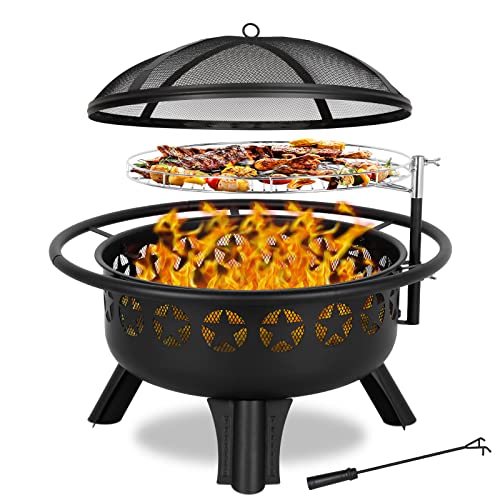
【2 in 1 Outdoor fire pit with grill】: 31” Dia x 24” H, this wood burning fire pit features a multi-functional design ideal for outdoor heating or grilling. The fire pit with cooking grate is designed with an outer ring around the central fire area allowing for easy movement. The creative pentagram vents help increase airflow for the firewood and brings a brighter flame. Air circulation burns longer and vigorously, and a mesh cover can prevent from flying sparks.
6. Create a Reading Nook
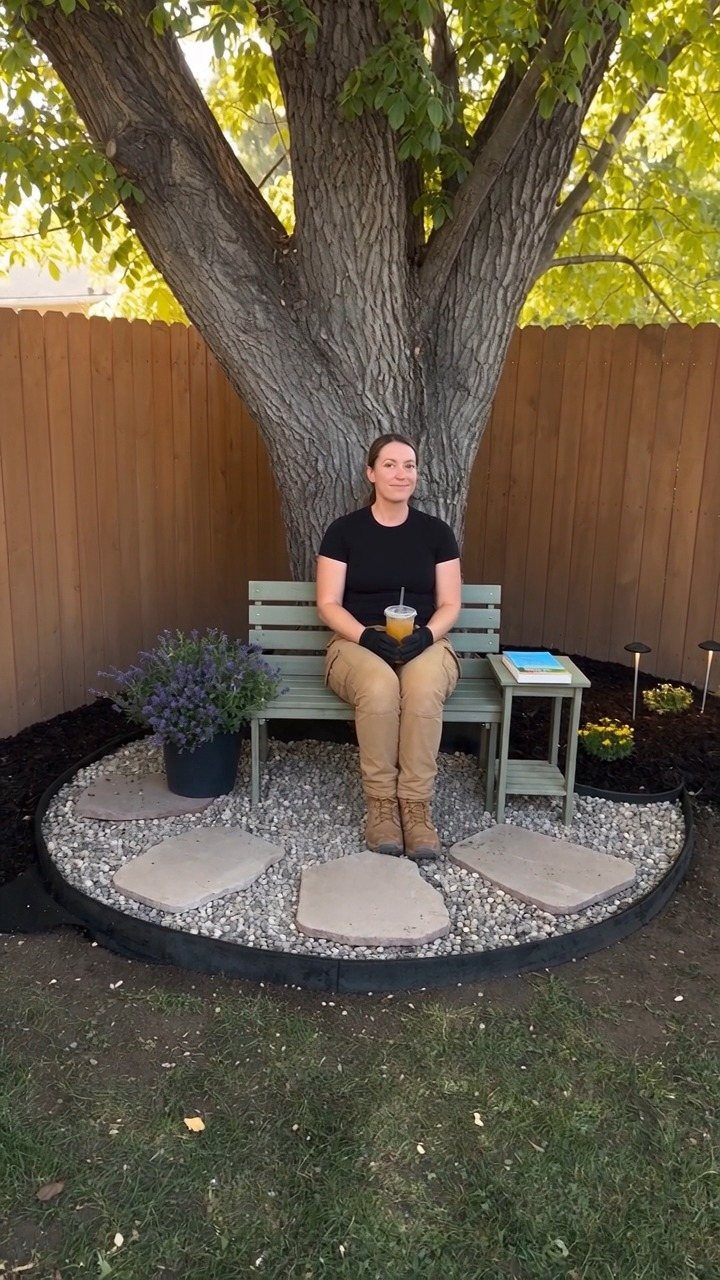
A reading nook needs only shade, a seat you can stay in for an hour, and somewhere to set down a drink.
A full sofa would overwhelm most small yards; keep the scale tight, like a bench under a tree. Position it where afternoon light filters rather than blasts.
A side table at elbow height saves you from bending to the ground. If your usable shade is in the front yard, use it there; a quiet corner matters more than which side of the house it sits on.
Define the zone with a rug or a shift in ground material so it reads as purposeful, not leftover space.

Innovative Space-saving Design: maximize your gardening potential with our stackable wall planter system; Each piece measures 9.45" x 5.71" x 5.51" and features two pockets, The overall dimensions are 47.5"x33"x5.5" offering ample growth space for a variety of plants; Nice for Fence Balcony Wall Decor, these vertical wall planters change limited spaces into gardens effortlessly

PREMIUM MATERIAL & WATER-PRESERVING REAR DESIGN - The hanging garden growth bag is made of high-quality and environmentally friendly felt. Practically, this growing bag retain a moderate water level for perfect growing conditions for your plants, such as herbs, strawberries, flowers, vegetables and so on. The rear water-preserving layer of the growing bag effectively protects the wall without stains, and the leakproof design of the bottom does not make your floor dirty.
7. Fine-Textured Plants
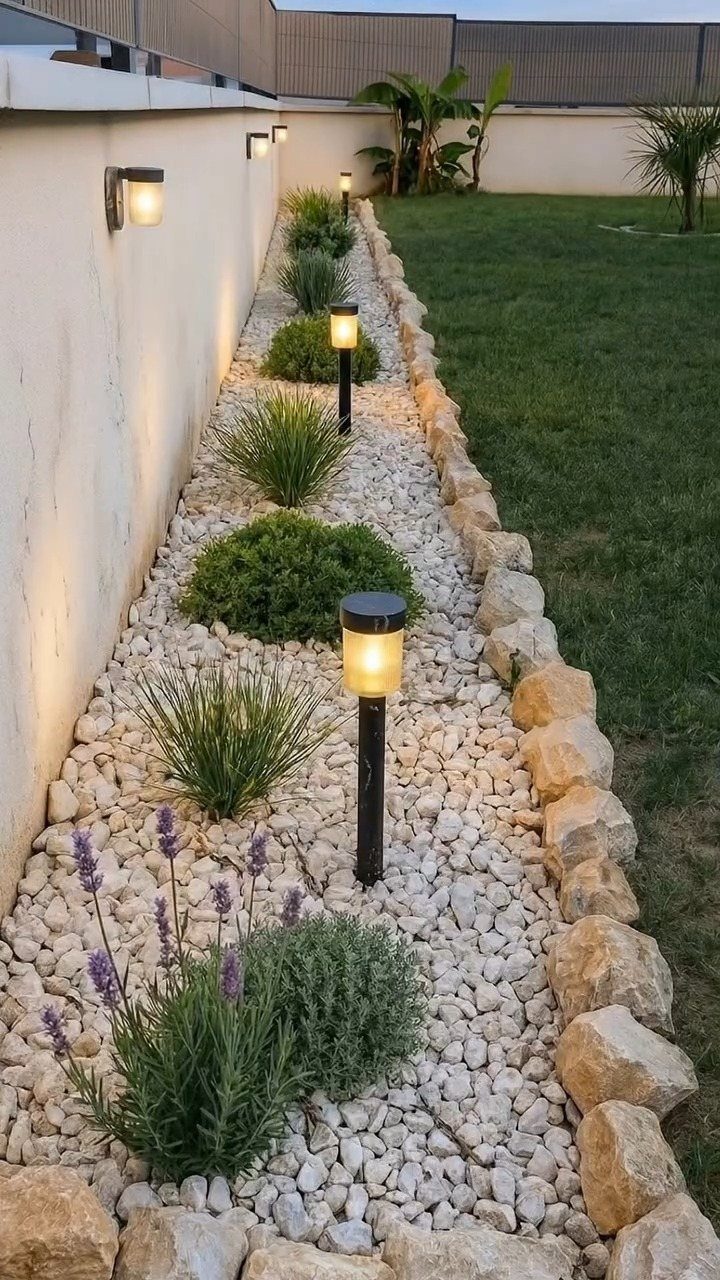
Fine-textured plants read as airy, so a small bed feels deeper than it is. Grasses, sedge, and tall verbena draw the eye upward and let light pass through, where broad leaves would stack into a wall.
I would mix heights rather than crowd one level; the layering is what stretches the space. Keep them proportionate to the bed so you are not pruning to force a fit.

🌿 Lush & Decorative Greenery: Live fruit trees bring fresh, vibrant foliage and compact beauty to your home or garden. Perfect for patio planters, backyard landscaping, or as a natural accent indoors.

🌿 Lush & Decorative Greenery: Live fruit trees bring fresh, vibrant foliage and compact beauty to your home or garden. Perfect for patio planters, backyard landscaping, or as a natural accent indoors.

🌿 Lush & Decorative Greenery: Live fruit trees bring fresh, vibrant foliage and compact beauty to your home or garden. Perfect for patio planters, backyard landscaping, or as a natural accent indoors.
8. Courtyard Oasis
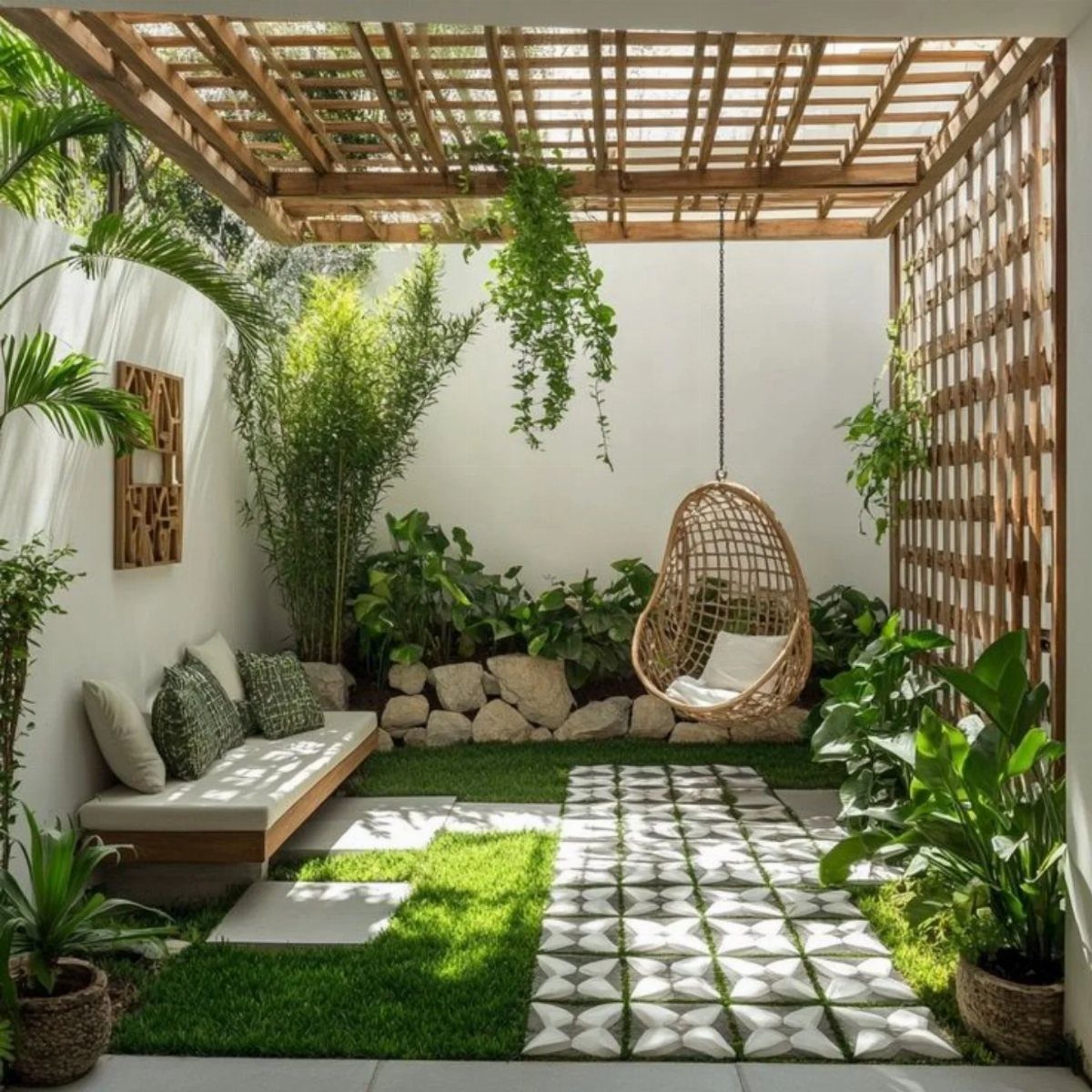
A courtyard oasis turns fully enclosed space into a private room with sky for ceiling. A pergola overhead frames a sitting area without boxing it in; a hanging chair and low bench give you 2 ways to settle.
Before building one, check whether your walls are yours to drill into or whether a freestanding pergola suits your setup better.
Front yards work too if the back is too exposed; a swing or grouped chairs under a tree can serve the same function with less construction.
9. Install a Fire Pit
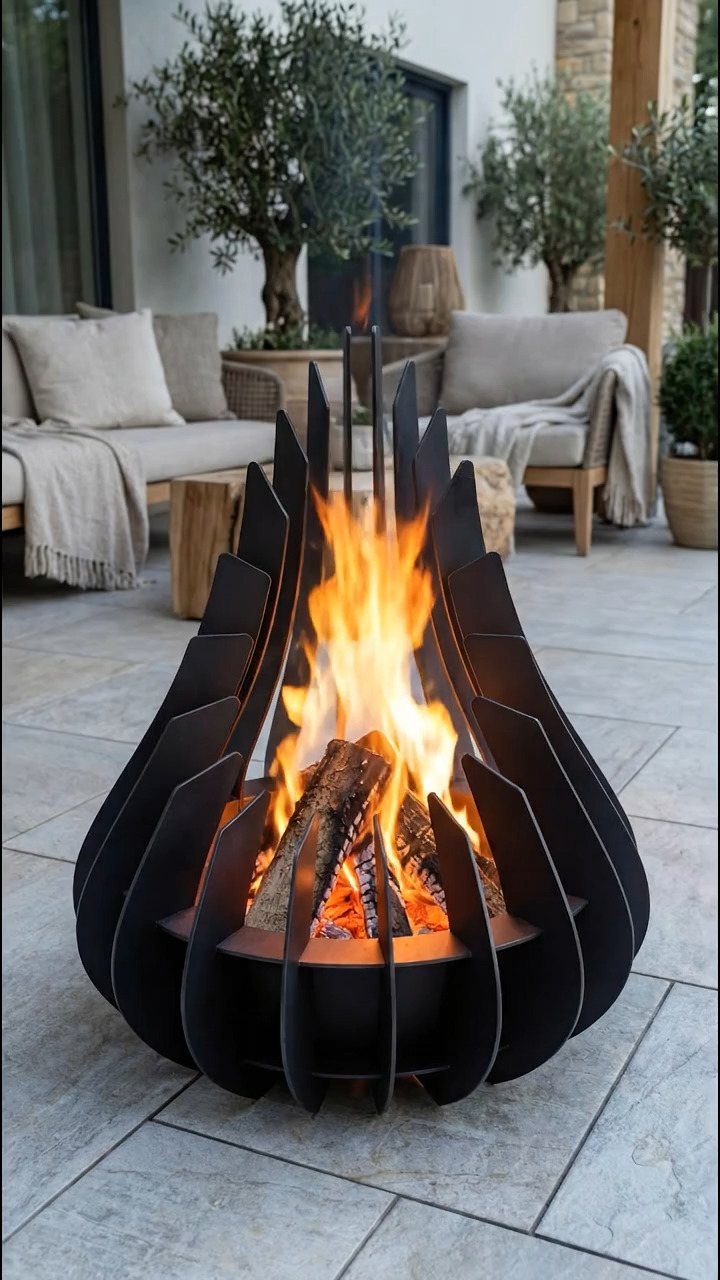
A fire pit gives a small yard a center people drift toward without you planning anything.
Corner placement keeps paths clear and defines a zone without walling it off. A round pit 24 to 30 inches across handles a compact setting; built-in looks finished, but a portable bowl lets you reclaim the floor space when you need it.
Check local burn rules first, and position seating close enough to feel the heat without crowding the flame.
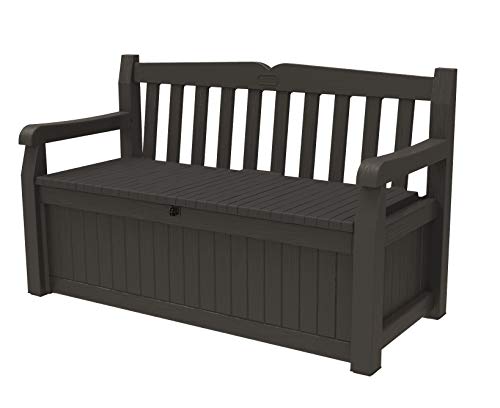
IDEAL SIZE: Exterior: 54. 6 in. L x 23. 4 in. W x 32. 8 in. H / Interior: 50. 4 in. L x 19. 7 in. W x 15 in. H

EXTRA LARGE SPACE: Our YITAHOME outdoor storage box has a storage capacity of 120 gallons and dimensions of 52.1"L x 20.9"W x 24"H inside and 53"L x 22.7"W x 25.5"H outside

LARGE OUTDOOR STORAGE BOX: Fashionably store your outdoor furniture cushions, pool floats, and more. This outdoor storage bench offers lots of convenient, lockable storage space and has enough room to seat 2 adults.
10. Pergolas and Furniture
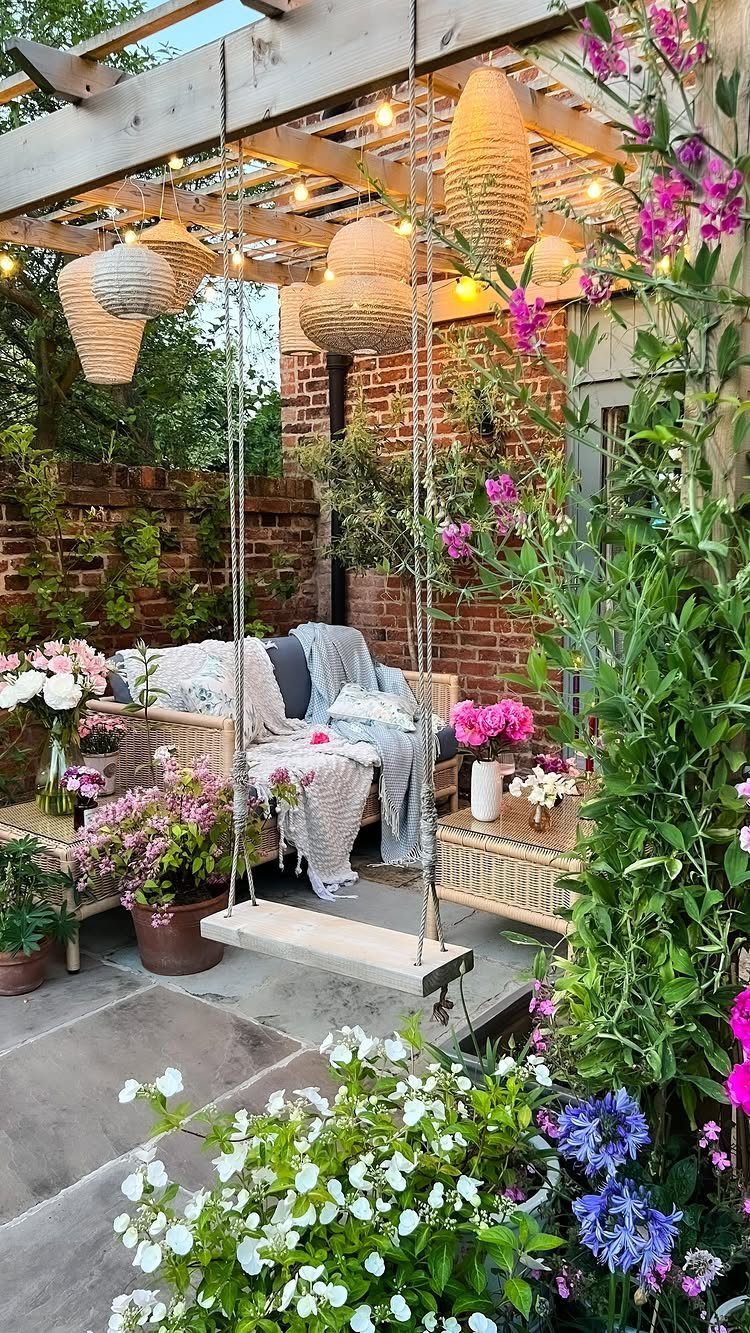
A pergola turns open patio into something between indoors and out.
Lanterns overhead and a rope swing mark separate zones under one roof; actual furniture finishes the room. I would ground the space with a rug or shift in paving so the boundary reads intentionally.
String lights extend usable hours without wiring. Choose furniture you can move; fixed pieces turn the layout rigid once guests arrive.

WOOD BURNING OUTDOOR FIRE PIT WITH SPARK SCREEN, BLACK: 22 inch round fire pit designed purely for warmth and cozy ambiance; heavy duty carbon steel construction; mesh spark screen blocks flying embers; 600 degree high temperature rust resistant paint; enjoy cozy evenings under the stars with family and friends

【Portable & Lightweight】For space-saving storage and quick organization, the charcoal camping grill with compact size (13" x 10.5") is ideal. Equipped a carring case, making them compact and easy to take outdoor for bonfire, picnic, BBQ in the courtyard or garden.

Sturdy and Reliable: This outdoor fire pit is crafted from high-quality powder-coated and heavy-duty steel, providing rust and corrosion resistance. It's lightweight yet durable.
11. Raised Beds for Vegetables and Herbs
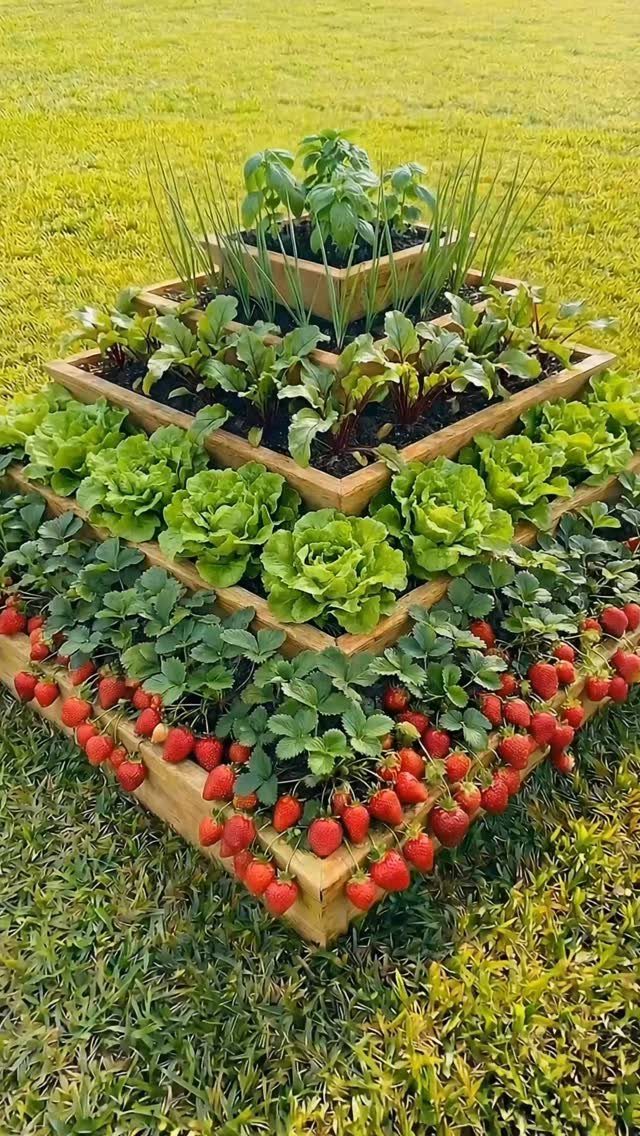
Raised beds lift vegetables and herbs out of soil you may not trust and into reach you can weed without bending.
A tiered pyramid squeezes multiple crops into a footprint smaller than flat ground would need. Strawberries cascade, lettuce fills mid tiers, herbs take the top.
Site it where the sun hits strongest and water sits within hose distance. A fence is worth adding if deer pass through your neighborhood; they will clear a bed overnight.
12. Small Plunge Pool
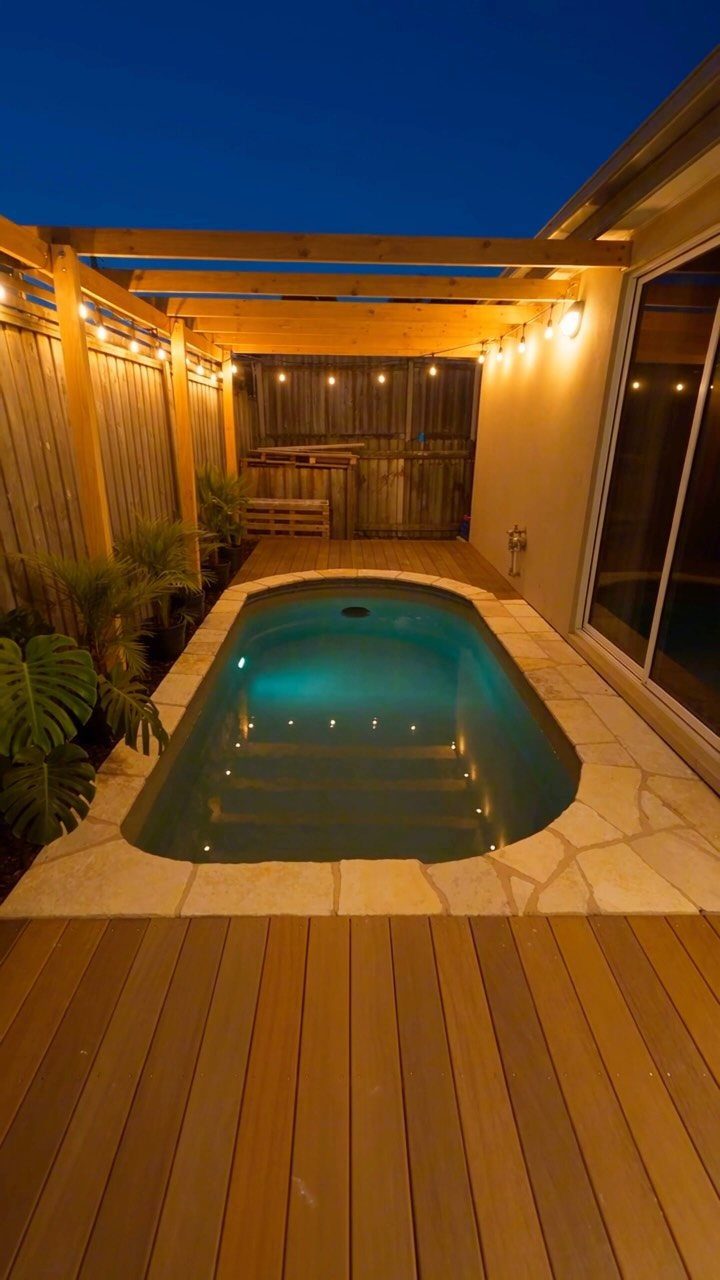
A plunge pool fits where a full pool would not, and running it at night with lights stretches the usable hours. Stone coping and decking right up to the edge keep the surrounding space functional rather than swallowed by water.
Build off an existing patio or house wall to save excavation and plumbing runs. Water gardens trade the swim for lower maintenance and less depth if your priority is sound and sight over laps.
Prioritize Functionality
Start with how you actually move through the yard. A path from door to grill to seating that flows without doubling back saves more space than any plant choice.
Map it on paper before buying anything; a base plan marks property lines, utility locations, and existing pavement so you know what is fixed.
Scale matters in tight quarters. A tree that frames the house at planting can outgrow its welcome fast; compact shapes stay proportionate without rescue pruning.
Balance does not mean symmetry, it means no single zone hogs the visual weight. One focal point, a fire bowl or a specimen plant scaled to the space, anchors the eye and lets the rest read as calm.
When considering landscaping ideas for a small yard, remember to leave space.
Visual Tricks for Space
Color and vertical lines stretch what the eye reads as distance. A vertical garden on the fence draws attention up and away from the floor line; the yard feels taller, not just planted.
Pocket planters for herbs or modular panels with ferns turn bare vertical surfaces into depth you can walk toward.
String lights or a pergola overhead draw the eye upward and give the space more room to breathe than the fence line suggests.
Cool tones recessed and warm tones forward read as receding space, though paint on a fence does more of this work than flowers that shift with the season.
The layering is what sells it: ground, mid-height, overhead, each level doing something different so the eye travels.
Consider Maintenance
Fewer materials and fewer plant species means less to maintain and less visual noise. Wood, stone, and metal together unify; adding a fourth or fifth texture fractures the space in a yard that cannot absorb it.
Ornamental grasses and succulents need little beyond cutting back once a season. Layer planting by height, tallest at the rear boundary, shortest forward, so the bed reads as depth rather than a flat strip.
Lavender, compact hydrangeas, or columnar fruit trees earn their ground by doing more than one job: scent plus bloom, or structure plus harvest.
Clear paths you can walk without brushing plants on both sides stay usable; overgrown edges make a small yard feel smaller.
Use Lighting Effectively
Light changes when you can use the yard, not just how it looks. String lights across a pergola or seating area give overhead ambient light; path markers or solar stakes along walkways keep you from guessing where the step is.
Task light near the grill or a reading seat lets you work or stay in a chair after dark.
LED spots aimed up at a tree or a wall feature pull the eye to deliberate points rather than flooding the whole space.
Warm white, 2700K to 3000K, keeps a compact area feeling enclosed and cozy; cooler or brighter tones read as exposed.
Layer the 3 levels, overhead, mid, and ground, and the yard gains depth at night it does not have with a single porch fixture washing everything flat.
Frequently Asked Questions
What to do with a small backyard?
Define zones for different activities and add vertical growing space on fences or walls.
Storage benches tuck tools out of sight while you sit, and a corner fire pit draws guests to one spot instead of spreading them across every path.
What are the golden rules for designing a garden?
Sketch your lot lines, utility boxes, and any concrete you cannot move; those lines are the frame everything else has to fit inside.
Scale matters: compact trees and shrubs stay proportionate without constant pruning, and one focal point anchors the eye so the rest reads as calm.
Is there an app where I can design my backyard?
Arcadium 3D offers a free browser-based tool where you input yard dimensions, drag and drop elements, and view a 3D preview. Modeling first lets you test plant placement, hardscape materials, and furniture arrangements without costly mistakes.