These vegetable garden ideas run from free repurposed tires to a pergola gate that needs a full weekend and lumber budget.
What separates one idea from another is not style but the ground you are working with: a rental patio, an existing lawn you cannot till, or beds you can dig.
The A-frame trellis turns one structure into two climbing faces, cucumbers on one side and cherry tomatoes on the other, which only works if you check your bed width before cutting any wood.
[link-whisper-related-posts]1. Container Gardening
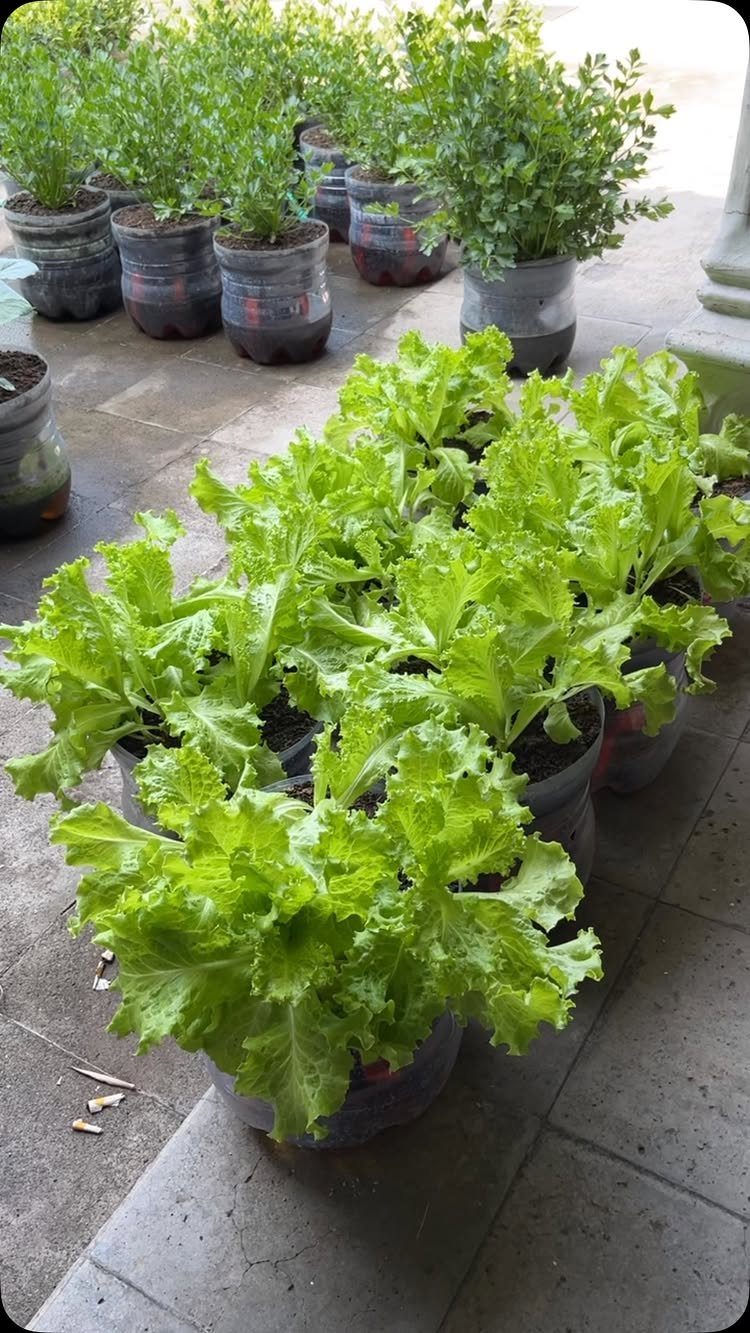
Container gardening lets lettuce and celery thrive on a stone patio in cut plastic bottles or any bin with drainage holes. I started with storage tubs I already owned, drilling holes in the bottom rather than buying new pots.
The freedom to move plants as the sun shifts matters more than I expected. My first tomatoes baked against a south wall; scooting the pot 3 feet east fixed it by noon.
Good lighting shapes everything here.
Outdoor setups need 6+ hours of direct sun; indoor ones need grow bulbs to reach full size. Containers fit balconies, windowsills, and rental patios where digging a bed isn’t an option.

Wide Mouth Design: Our premium reusable drink bottles feature a wide mouth opening that makes it easy to add ice cubes, fruits, and protein powders with ease. These food-grade plastic bottles are ideal for homemade smoothies, juices, and healthy drinks. Designed for convenience and everyday use.

PROFESSIONAL TAMPER-EVIDENT CAPS: Sell your beverages with confidence. Each bottle comes with a secure screw-on lid that creates a "crack-open" ring seal. This assures your customers that the drink hasn't been opened or tampered with since bottling—essential for farmers markets and delis. Note: Hand wash only; not dishwasher safe.

Spill-Proof Bottle: Designed for easy use, our salad dressing bottle ensures smooth liquid release, perfect for sauces, oils, and dressings.
2. Raised Garden Beds
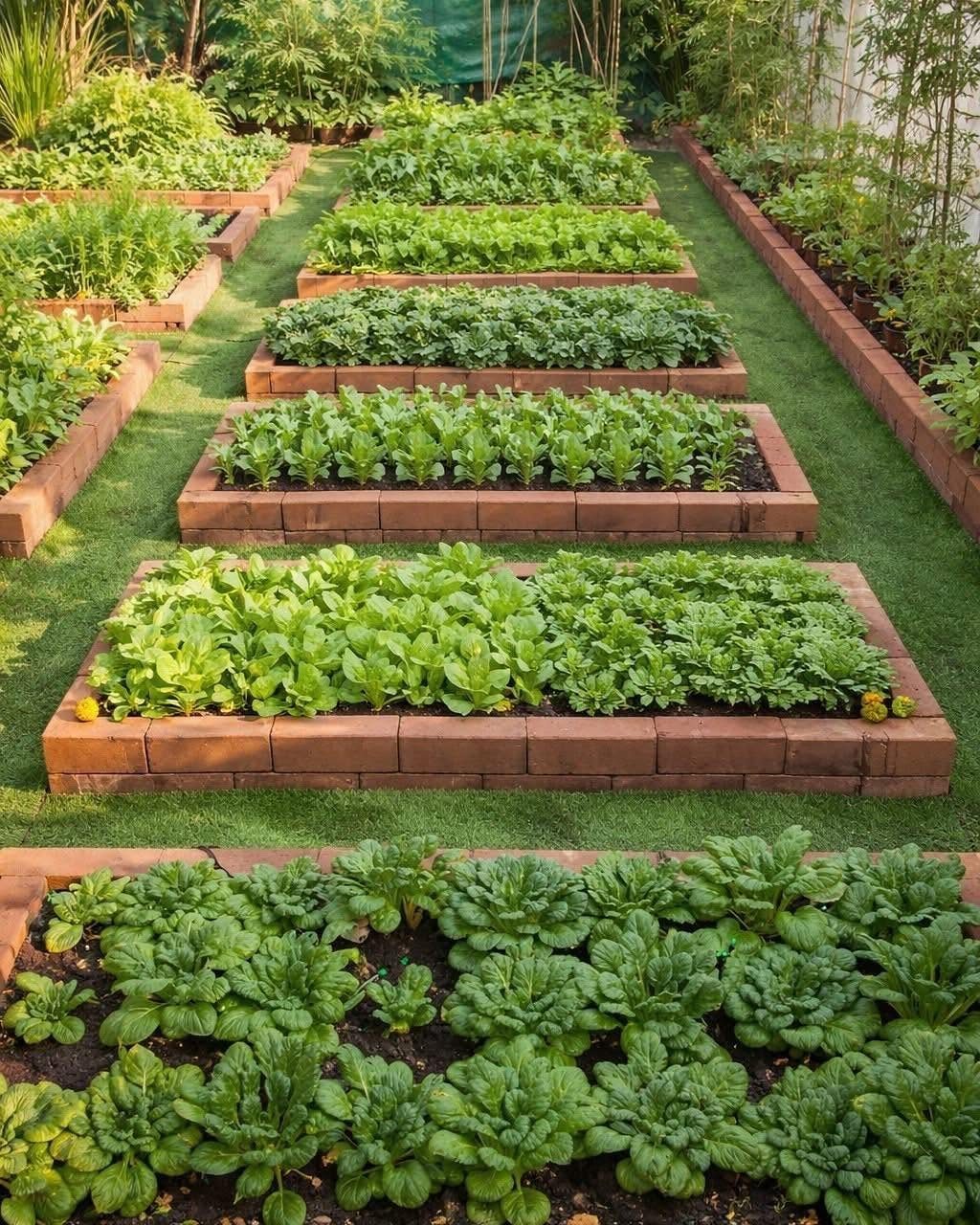
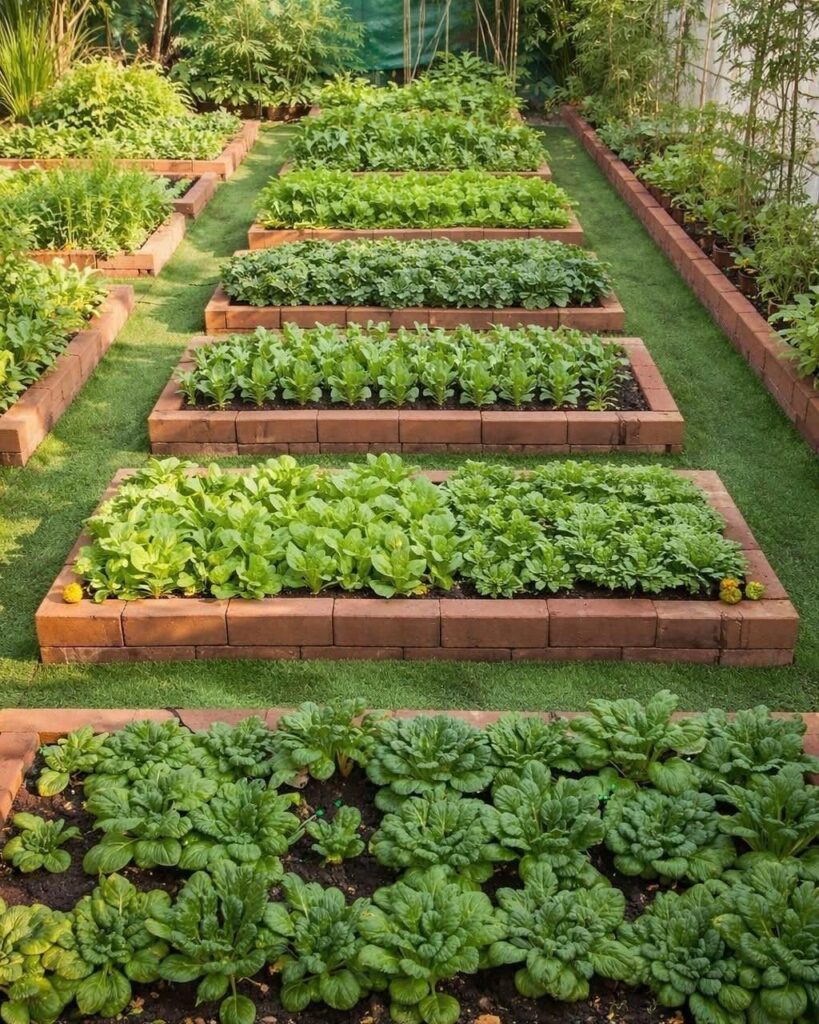
Raised beds built from brick, wood, or cinder blocks give you control over soil from day one. Brick beds can go right on top of grass, which means no tilling and no fighting whatever compacted dirt sits underneath.
I like brick for permanence and wood for cost, though cinder blocks stack fast if you need height fast. The elevation helps drainage and cuts down on bending; my back notices the difference after an hour of harvesting.
Pest control comes easier too, since you start with clean fill rather than whatever weeds and grubs live in your yard soil. Root vegetables grow straighter and cleaner in the looser soil mix a raised bed holds.

Realistic Faux Stone Texture: Our landscape edging boasts a lifelike stone texture with detailed surface patterns that add depth and a polished look to your outdoor space. It beautifully enhances garden beds, lawns, pathways and flower beds, bringing a natural, decorative touch to any yard.

STAYS IN PLACE - Our edging stays securely in place, keeping mulch and other materials from migrating into other areas of your landscape for a pollished look

Ergonomic Height: Standing at 30 inches tall, it reduces strain from bending and kneeling, promoting more comfortable gardening.
3. Paths in Garden
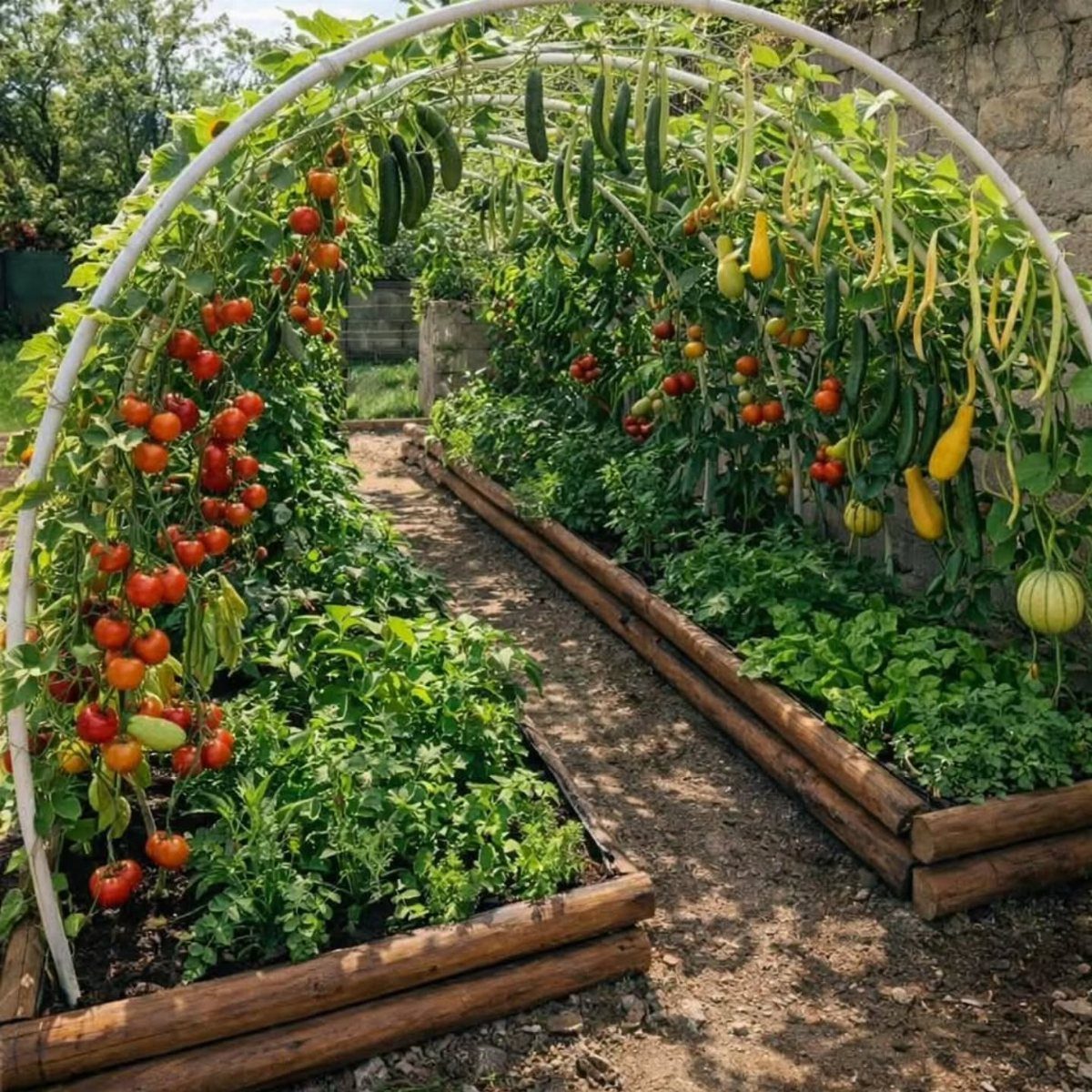
Dirt paths between raised beds keep your boots out of the planting soil and your harvest route clear. The arched trellis overhead turns that path into a tunnel of tomatoes, cucumbers, squash, and beans.
Without paths, you step where roots need to breathe. With them, you circle every bed for weeding and picking without packing down the soil around your plants.
Pea gravel or mulch over the dirt path keeps mud down in wet seasons; I learned that after one spring of clumping clay on my shoes.

【Tired of Constant Yard Maintenance? Keep Your Landscape Neat with Ease!】Tired of mulch scattering, gravel shifting, and spending weekends reworking your yard? End the frustration and skip the high-cost landscapers—Shabebe Mulch hold everything in place! This strong, fast-drying adhesive keeps mulch, pebbles, and pine straw perfectly positioned, so your garden stays flawlessly tidy without the hassle.

【PROFESSIONAL MULCH & ROCK STABILIZER】Keep mulch, pea gravel, decorative stones, wood chips, and small landscaping materials securely in place. Designed to help reduce shifting, scattering, erosion, and washout while creating clean, well-maintained garden beds, pathways, patios, and landscape borders.

STRONG ADHESION: Our mulch gravel glue offers a strong bonding effect, keeping mulch, wood chips, shells, sand, pine grass, small pebbles, hay and straw, small gravel, and even leaf piles securely in place and preventing shifting or erosion caused by wind or foot traffic. By forming a strong bond with the mulch, our rock pea glue also eliminates the hassle of frequent replacement or reapplication, ensuring a long-lasting and low-maintenance landscape
4. A-Frame Trellis
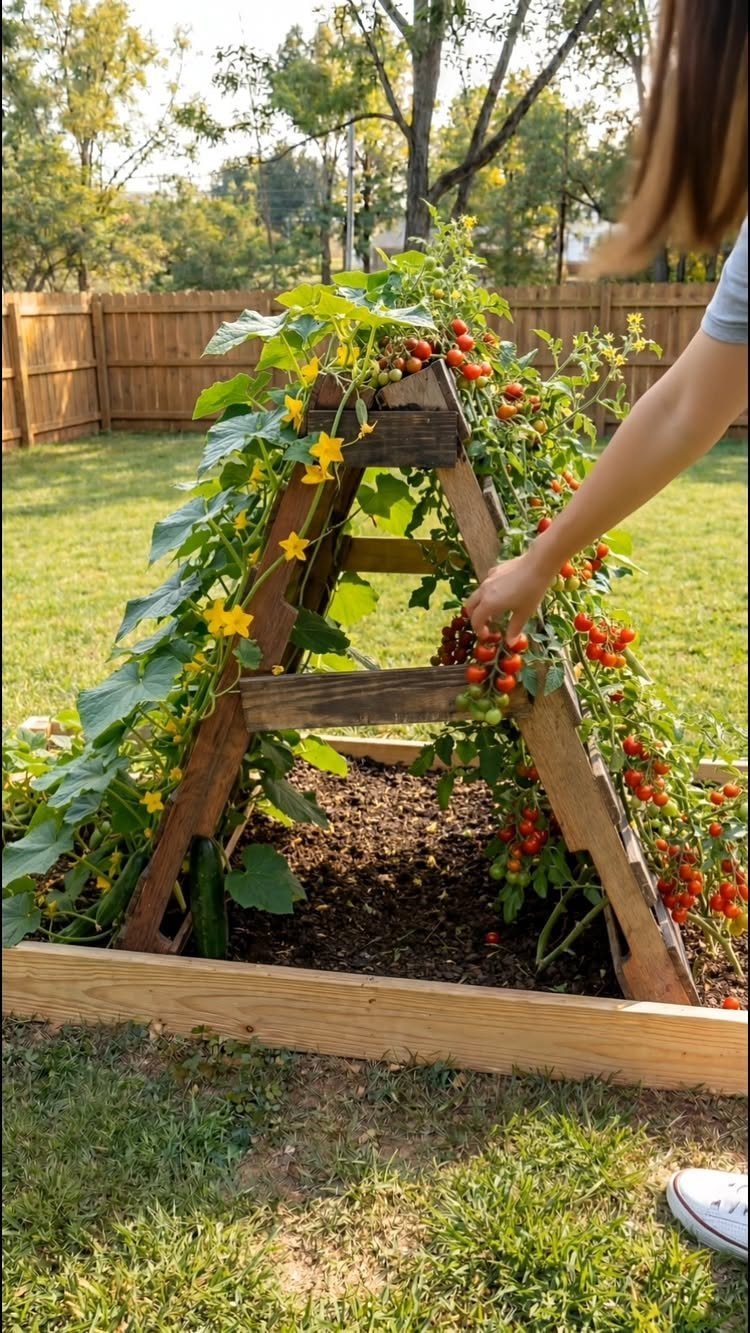
An A-frame trellis splits two crops up one structure, with cucumbers climbing one face and cherry tomatoes the other. The angle matters: too steep and vines slide; too shallow and the frame blocks sun onto itself.
Check your bed width before building. The feet need to sit inside the bed edges or anchor firmly outside them; a trellis that topples under August fruit weight teaches the lesson once.

【A-Frame Trellis】Our detachable Cucumber Trellis is widely used in gardens and backyards; It allows you to adjust the width as needed for compact storage; By utilizing vertical space, this Plant Grow Support elevates vines off the ground, maximizing sunlight exposure for better quality fruits and vegetables while boosting overall harvest and yield

Adjustable Height Trellis (17" to 50") – Perfect for Raised Beds & Tall Vines, grow Any Climbing Plant! DIY from Compact Seedlings to Towering Vines! Match your raised bed cucumber trellis needs: Start at 17" for young plants, then extend to 50" as they grow! Customize height—ideal for beans, peas, and tall outdoor climbing plants.

VERSATILE 17"-50" ADJUSTABLE HEIGHT :Stop buying multiple supports for different seasons! Our modular A-Frame trellis easily adjusts from 17" for young seedlings to a towering 50" for mature climbers. Whether you’re planting in raised beds, large containers, or open soil, this trellis provides the perfect tailored support for cucumbers, peas, beans, and flowering vines throughout their entire growth cycle
5. Recycled Tire Planters
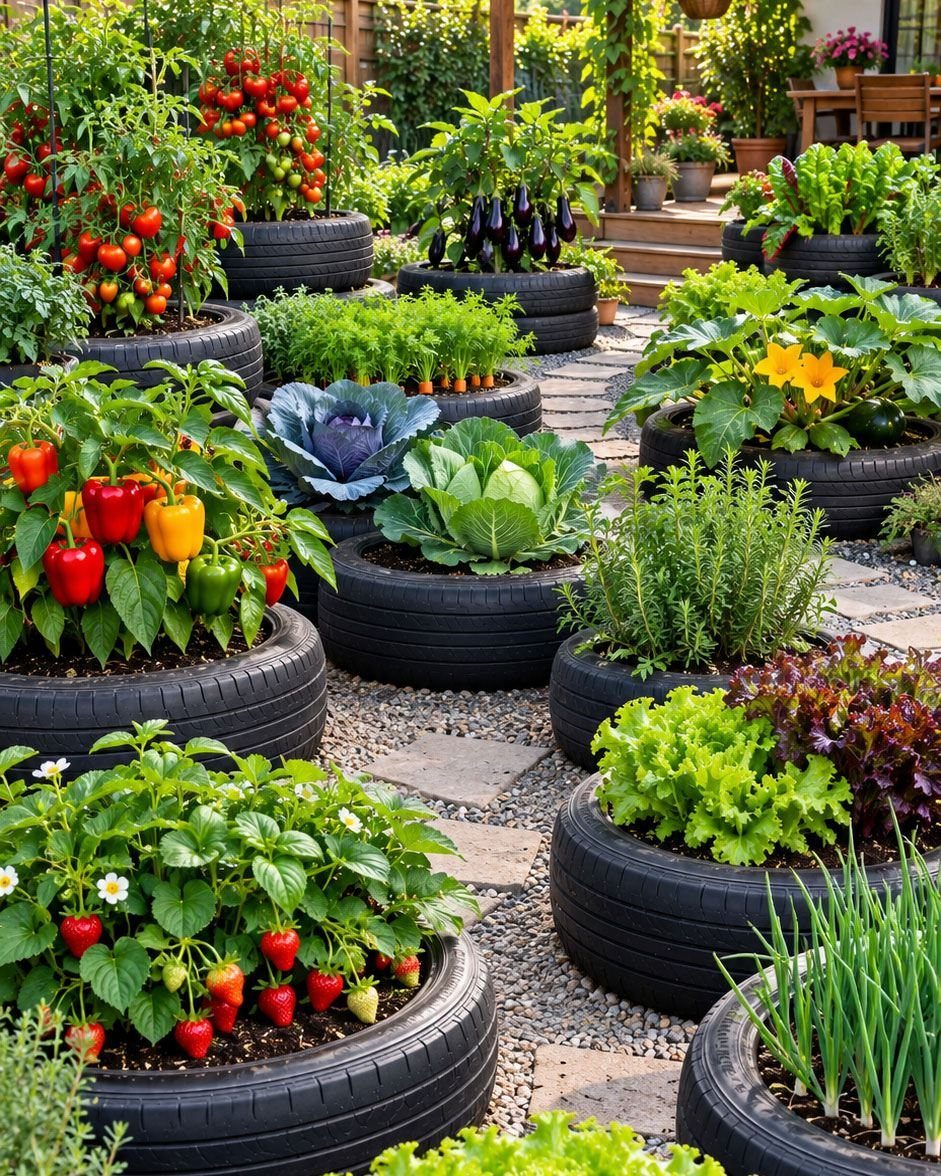
Old tires painted black or left raw become raised planters for tomatoes, peppers, strawberries, cabbage, and herbs. Lining them along a stone and gravel path keeps the setup neat and the drainage sharp.
Cutting the sidewall off opens more soil depth; leaving it on saves work and still suits shallow-rooted crops. I would check whether the rubber heats more than wood or brick in full sun, since root temperature changes how plants drink.

【 Vertical Raised Garden Bed with Trellis】Perfect for home gardening lovers, this herb planter outdoor with 4 garden boxes let you plant vegetables, herbs, and flowers in separate plant bed while the 11-inch trellis supports climbing plants like tomatoes, strawberries, vines, and peppers. The balcony raised garden beds outdoor with legs creates an optimal environment for your plants to thrive.
6. Arch Trellis for Vegetables
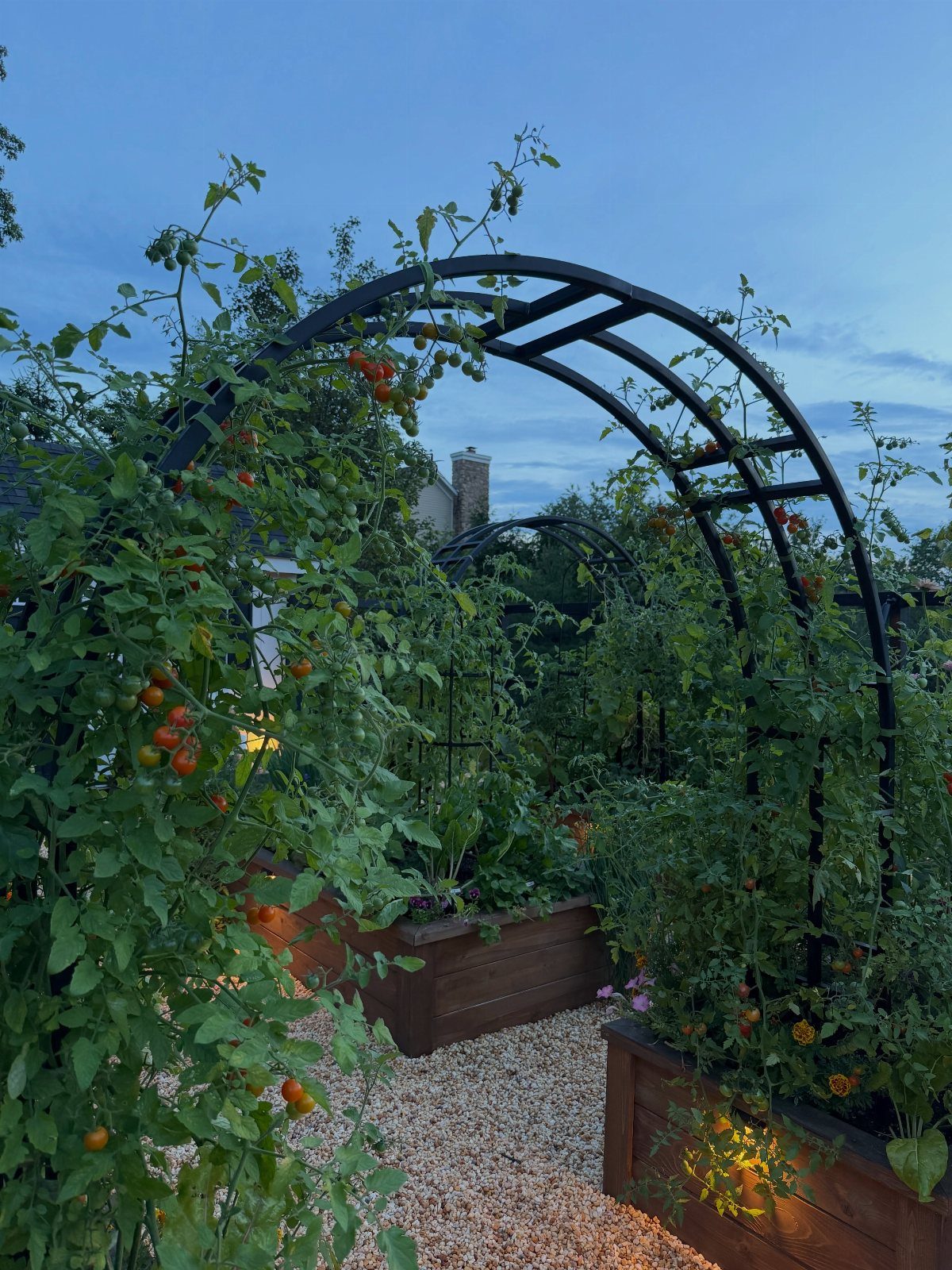
Black metal arches between wooden raised beds train tomato vines upward and turn a pea gravel path into a walkable tunnel.
The metal outlasts wood season after season, though it costs more up front and radiates heat on the hottest days.
Set arch width to match your bed spacing exactly, or the legs sit awkwardly in the walkway. Fruit hangs visible from both sides for picking, which matters once plants leaf out thick.
I would anchor the feet before vines climb; a loaded arch is heavy to adjust and tomatoes snap if you try.
7. Pergola Garden Entrance Gate
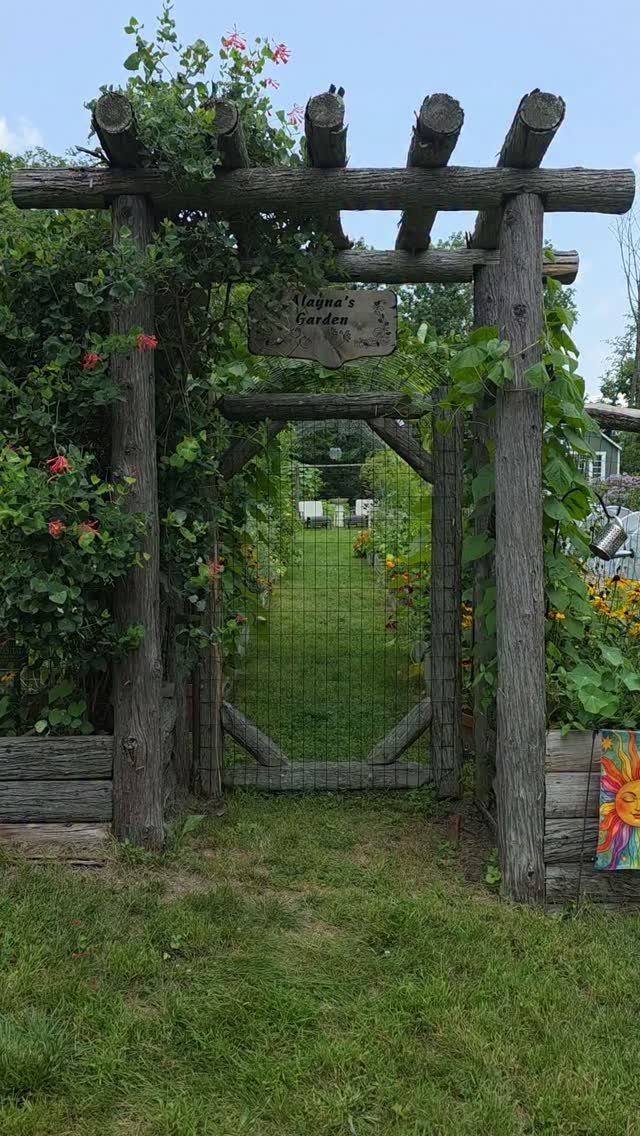
A log pergola gate marks where the garden begins and gives climbing beans or morning glory something to wrap around before you even reach the beds.
The structure needs to clear your head; anything lower and vines drop down to catch hair or hats.
Logs that still carry some bark look right with the vines, but check that the wood is pressure-treated or a rot-resistant species if you want it to last.
The sign is optional, though naming the space does make you more likely to walk out and weed it.
I would set the posts in gravel for drainage rather than concrete; a gate that shifts slightly with the ground heals its own cracks instead of splitting against rigid anchors.
Choosing the Right Location
Leafy greens manage with partial shade, but fruiting plants need all the sun a spot will give them.
Watch how shadows move across your yard from March through July before you commit a bed to a spot that looks bright at 10 a.m. and dim by 2 p.m.
Soil quality matters even in raised beds, though brick beds are the exception: they can go right on top of grass with no tilling and no fighting whatever compacted dirt sits underneath.
Test your native dirt for compaction and drainage; a bed built on hardpan stays soggy no matter what fill you pour in.
Size should match your maintenance appetite, not your ambition. A bed you can reach across from both sides feeds a household through summer if tended weekly; spread wider without adding paths and you harvest weeds.
Budget-Friendly Gardening
Pallets work for vertical planters if you check the stamp: HT means heat-treated and safe for edibles, MB means methyl bromide and belongs nowhere near food.
Storage tubs, old tires, and cut bottles all count as repurposed material; the common thread is drainage holes, not purchase price.
Raised beds on stilts cost more in lumber but save your back over years of harvesting. Racking makes the soil slide and the structure stress, so a level and a square matter more than the wood itself.
The cheapest bed is the one you already own the container for. Start there, then replace as you learn what size you actually tend.

【Multi-Function】 Tall Tomato Cage-Each tomato cage can be adjusted from 16inches to 47 inches in height,suit for different growth stages of plants, offering versatile supports for a wide variety of tomato plants, ensuring they grow tall and strong.

Strong Support for Climbing Plants: This 50"x17" A-frame cucumber trellis provides stable vertical support for climbing vegetables. The sturdy metal frame allows plants to grow on both sides, improving sunlight exposure and airflow while keeping vines organized and easy to harvest.
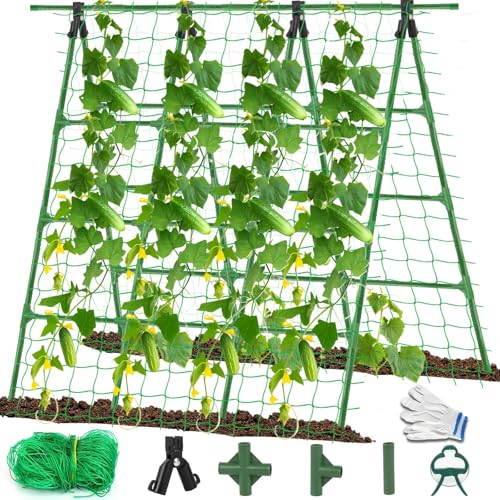
STURDY A-FRAME DESIGN & LARGE NETTING SUPPORT: This 5.2ft-tall x 4ft-wide(63”H x 47”W) cucumber trellis features a durable A-frame structure and a 6 x 12ft green netting to securely hold heavy vines like cucumbers, grapes, tomatoes, luffa, gourd, bitter melon vegetables and flowering vines
Maximizing Small Spaces
Vertical gardening uses trellises, stakes, arches, and A-frames to grow upward instead of outward. The same structures from the list, tomato tunnels and bean trellises, shrink a garden’s footprint without shrinking its output.
Herbs, lettuce, and strawberries do not care whether they grow from the ground or from hardware bolted to a wall. A balcony rail or fence panel becomes productive with the right bracket.
Containers let you chase the sun. A spot that starts perfect in April may sit in shade by August when trees leaf out; pots move, beds do not.

PERFECT FOR SMALL SPACES – Tiny Tim’s compact plants thrive on patios, balconies, or sunny windowsills, giving you fresh cherry tomatoes even without a traditional vegetable garden plot
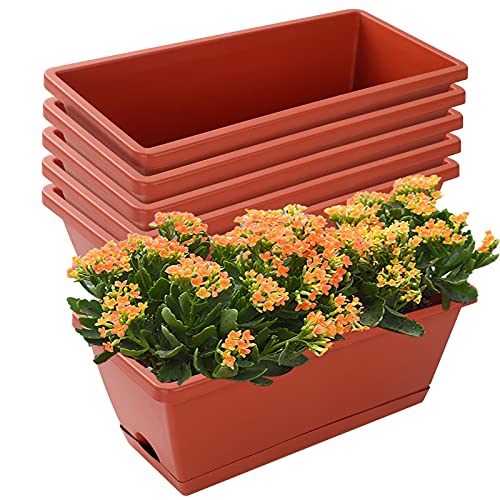
WINDOW BOX PLANTERS DIMENSIONS - Includes pack rectangular plastic planters. The size of plastic flower planters: L16.6 x W7 x H5.9 inches, large enough to support any projects and ideas. Great for herbs, flowers, foliage, grass, cactus, succulents, ferns, arborvitae and more.
Soil Quality and Preparation
Raised beds win on soil because you choose the fill. Looser mix means straighter carrots and easier pulling; drainage happens faster than in packed yard dirt.
Root crops especially need that looseness. The soil structure in a raised bed stays friable year to year if you add compost each season and avoid walking on it.
Container soil dries faster and needs more frequent water, but it also warms earlier in spring.
I would not use garden soil in pots; it compacts and starves roots. Bagged potting mix is formulated for the job, though mixing in compost stretches it.
Frequently Asked Questions
What are the easiest vegetables to grow?
Tomatoes, peppers, cucumbers, beans, and herbs are the hardiest starting choices.
They grow fast and adapt to containers, raised beds, or ground plots without fussing over perfect conditions. Leafy greens like lettuce also tolerate partial shade if your sun is limited.
What is the best layout for a vegetable garden?
Raised beds with paths between them beat traditional row plots for most home growers.
Raised beds let you build the soil yourself from the start, water runs off instead of pooling, and you can tend the plants without packing down the root zone.
Containers work for rentals or balconies where digging is not an option.