These ideas run from a free tin of damp paper towels to a three-tier hydroponic rack that costs noticeably more, and the single thing that sorts one from another is how much floor or counter you can give it.
[link-whisper-related-posts]1. Grow Herbs Indoors
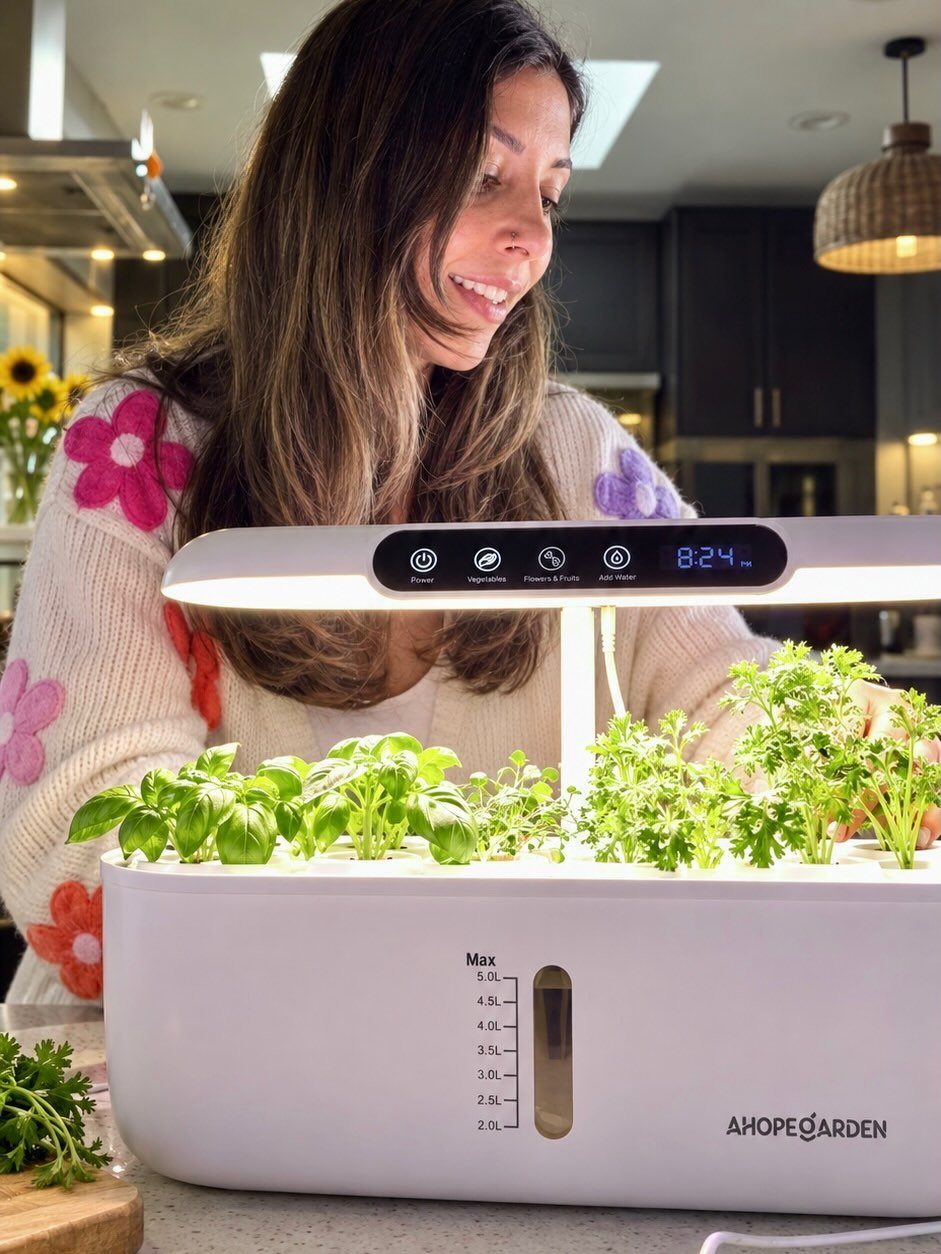
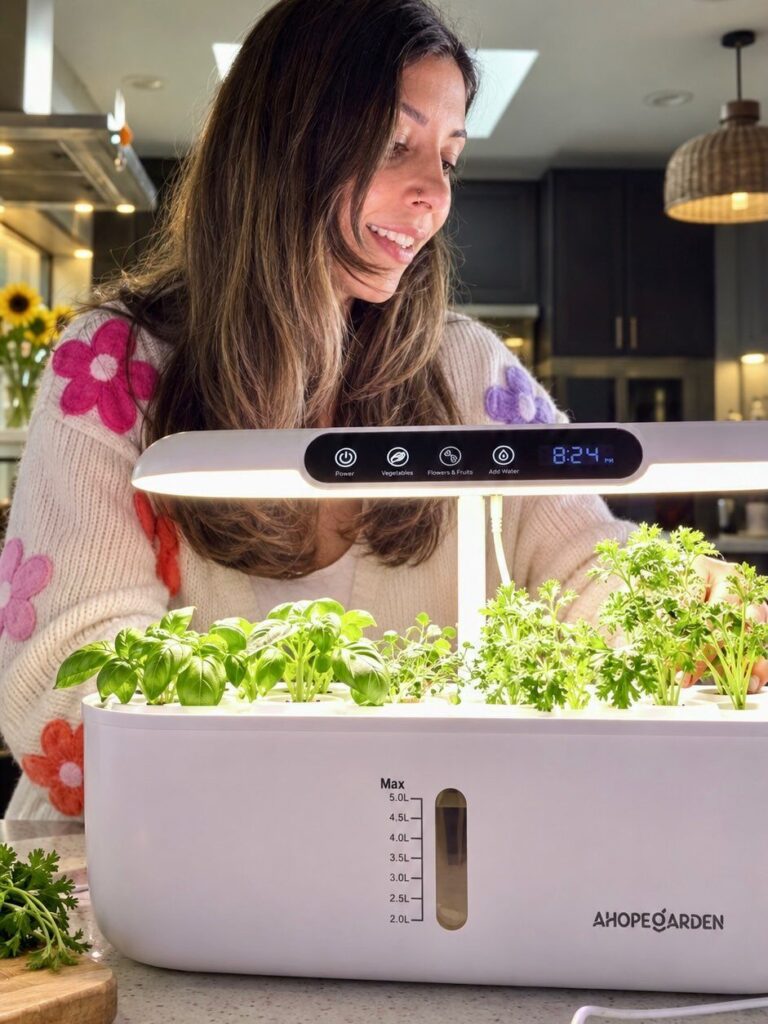
LED hydroponic units keep water levels visible and deliver light on a timer, which solves the 2 ways most indoor herbs die: drought and gray winter windows.
Basil and parsley are forgiving starters; rosemary is not, and I have killed enough of them to believe the warnings now.
If you are using soil instead, drainage matters more than pot size.
A pot with drainage holes beats a prettier one without. Place it close to your brightest window, and snip from the top to keep the plant bushy rather than leggy.
By far the easiest food to start growing are herbs. Growing herbs saves money, reduces waste, and ensures you always have the perfect amount on hand to complete your culinary creations.

12 Pods, Fast growth: This indoor garden system features 12 planting pods and a 3.5L water tank with a built-in pump ,The germination rate can be as high as 99% in,ensures peaceful indoor gardening, perfect for bedrooms or kitchens,The indoor plant growing system simulates sunlight,which create a good growth environment for plants,Its easy-to-clean water tank, sturdy design, and compact size make it both practical and elegant. Bring joy and greenery to your loved ones' lives, providing fresh ingredients, purifying the air

PATENTED SMART HYDROPONIC SYSTEM: Take your indoor gardening to the next level with our patented smart hydroponic system, featuring the exclusive LetPot app. With just a few taps on your phone, you can effortlessly adjust the 0-24 hours LED lighting schedule to provide your plants with the perfect amount of light and precies on/off time. Our innovative reminder system also ensures you never forget to water your plants again, making growing healthy and vibrant plants easier than ever before.

EFFICIENT & INTELLIGENT: LED Grow Lights are a better alternative to sunlight in terms of stability and planting results, even surpassing natural light in terms of stability and planting results. Soil-grown planters with full-spectrum grow lights are often more efficient than traditional planters.
2. Peppers
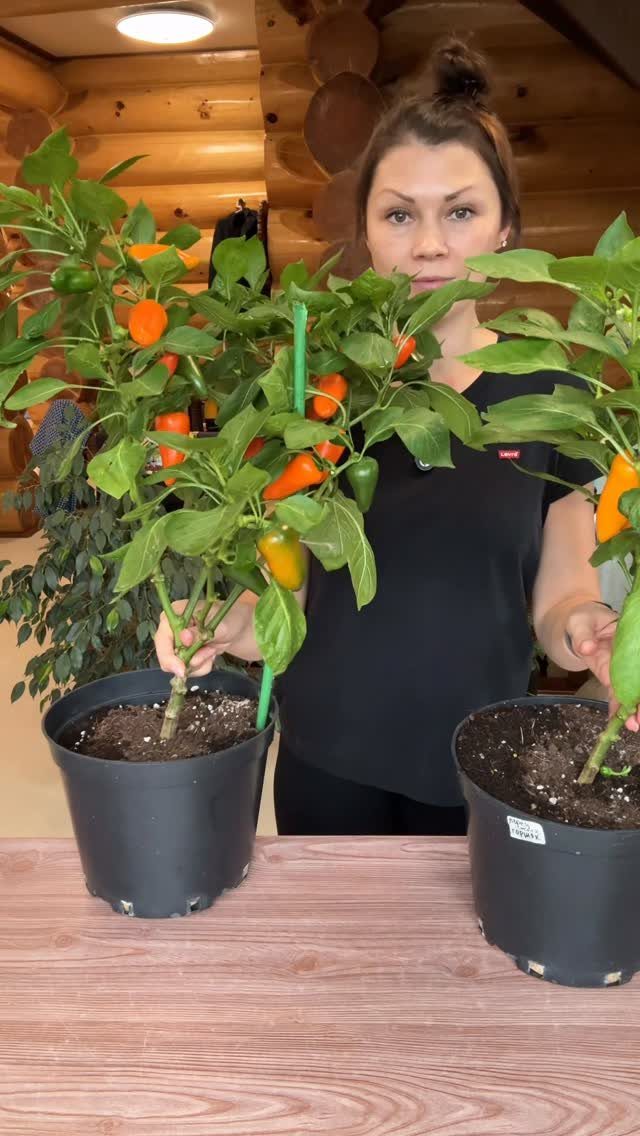
Peppers need more root room than herbs and more patience than greens. A 12-inch pot, 5 gallons or close to it, is the minimum for a plant that will bear fruit indoors; anything smaller stunts the harvest before it starts.
Smaller varieties fit apartment life better. Shishitos, serranos, and anchos all fruit in compact pots and adapt to pots more willingly than bells.
Full sun or a strong grow light, water when the top inch dries, and feed every 2 weeks once flowering starts. Indoor peppers need the same discipline: consistent light, restrained watering, and patience for fruit that colors up inside.
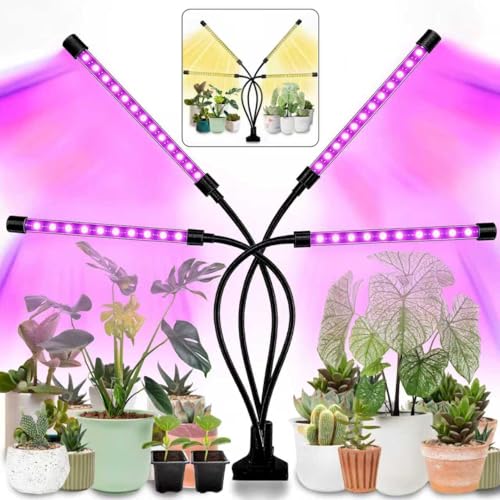
🌻Efficient LED Combination: This LED lamp has grow lights made up of 80 efficient growing LEDs ( 32 red lights, 12 blue lights,20 yellow lights and 16 white lights). It meets the conditions of plant growth without sunlight. 1--Full Spectrum(380nm-800nm): Suitable for all plants to root and sprout. 2--Red(660nm)+BLUE(460nm) Spectrum: for blooming and fruits. 3--Red+Blue+Full Spectrum: A mix of Red+Blue+Warm White is best to fuel the growth of your plants.

【Newest Grow Light】The appearance of the lamp head adopts patentable mold technology and incorporates exclusive design concepts. The back plate has a unique pattern and premium texture which is not easily scratched. The holes in the back are specially reserved for heat dissipation space, saying goodbye to the heating problem during the use of the lamp.

214 Full-Spectrum LEDs: Featuring one light head with 214 high-performance LEDs, this grow light delivers a broad 380–780 nm full spectrum that closely mimics natural sunlight. It provides bright, uniform illumination to support efficient photosynthesis and healthy plant growth. Especially suitable for seed starting and seedling development, it is an ideal supplemental light source for indoor plants.
3. Microgreens
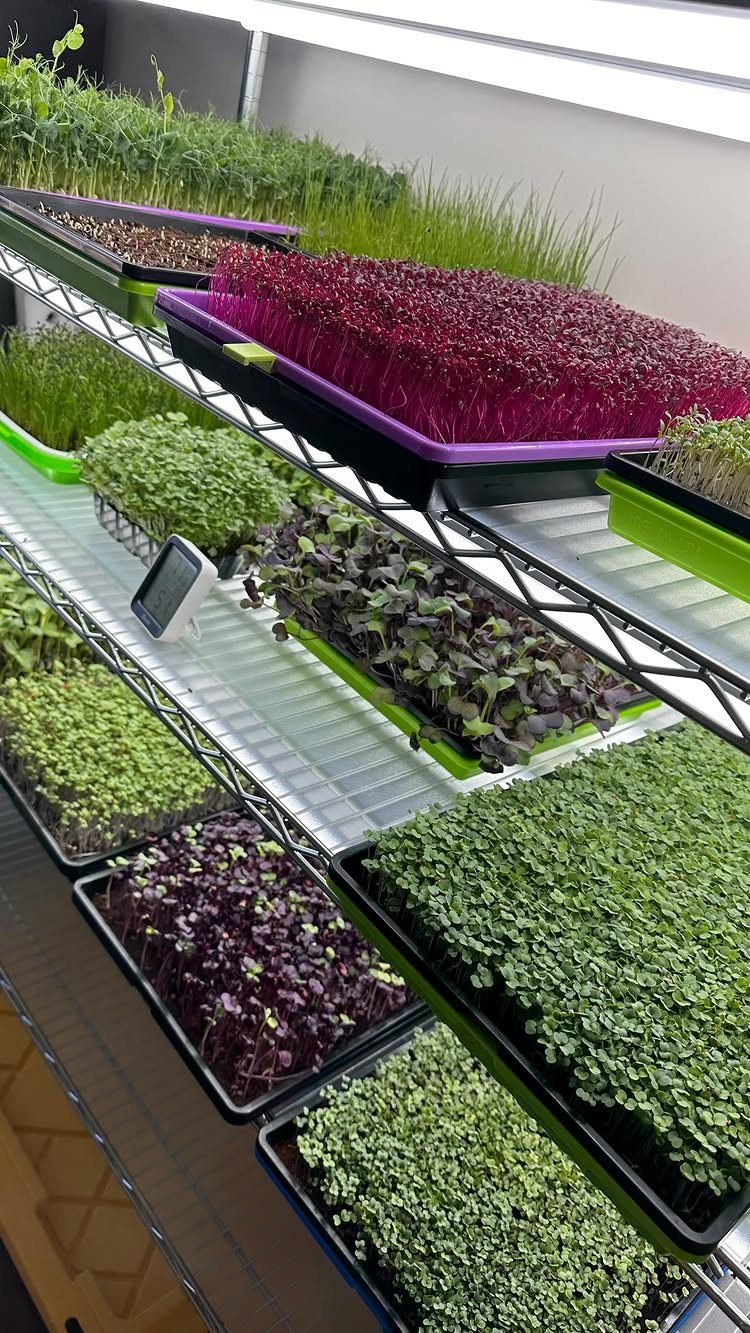
Microgreens are not baby greens; they are seedlings harvested small, before true leaves form, and they go from seed to cutting fast enough to make a weekly habit.
Shallow trays on wire shelving under dedicated lights work well, with a thermometer nearby because these small plants cook fast if heat builds.
You eat the whole sprout, stem and all, so flavor is intense and nutrient density runs high.
Arugula, kohlrabi, and red-veined sorrel are common choices for first trays. Check your light height daily; too close burns, too far slows growth, and either mistake costs you a week.
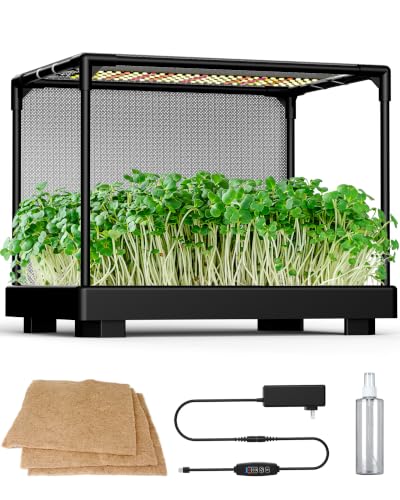
All-in-one complete indoor microgreens growing kit comes with all supplies you need: growing tray, 3 reusable grow mats, transparent humidity tent, shade cloth, 250ml spray bottle, full-spectrum LED grow light, auto timer and matching power adapter. Just add seeds and water to harvest fresh nutrient-rich microgreens in 7–10 days, no extra gear to purchase

Higher Output & Brighter Grow Light Panel---192 High Quality LEDs and 12W Actual Power per panel. 3x Brightness to other low price and messy wires panel grow light. Help your indoor plants growing better and healthier. 4Pack is Born for common plant shelves.

4. Tiered Plant Stand by Window
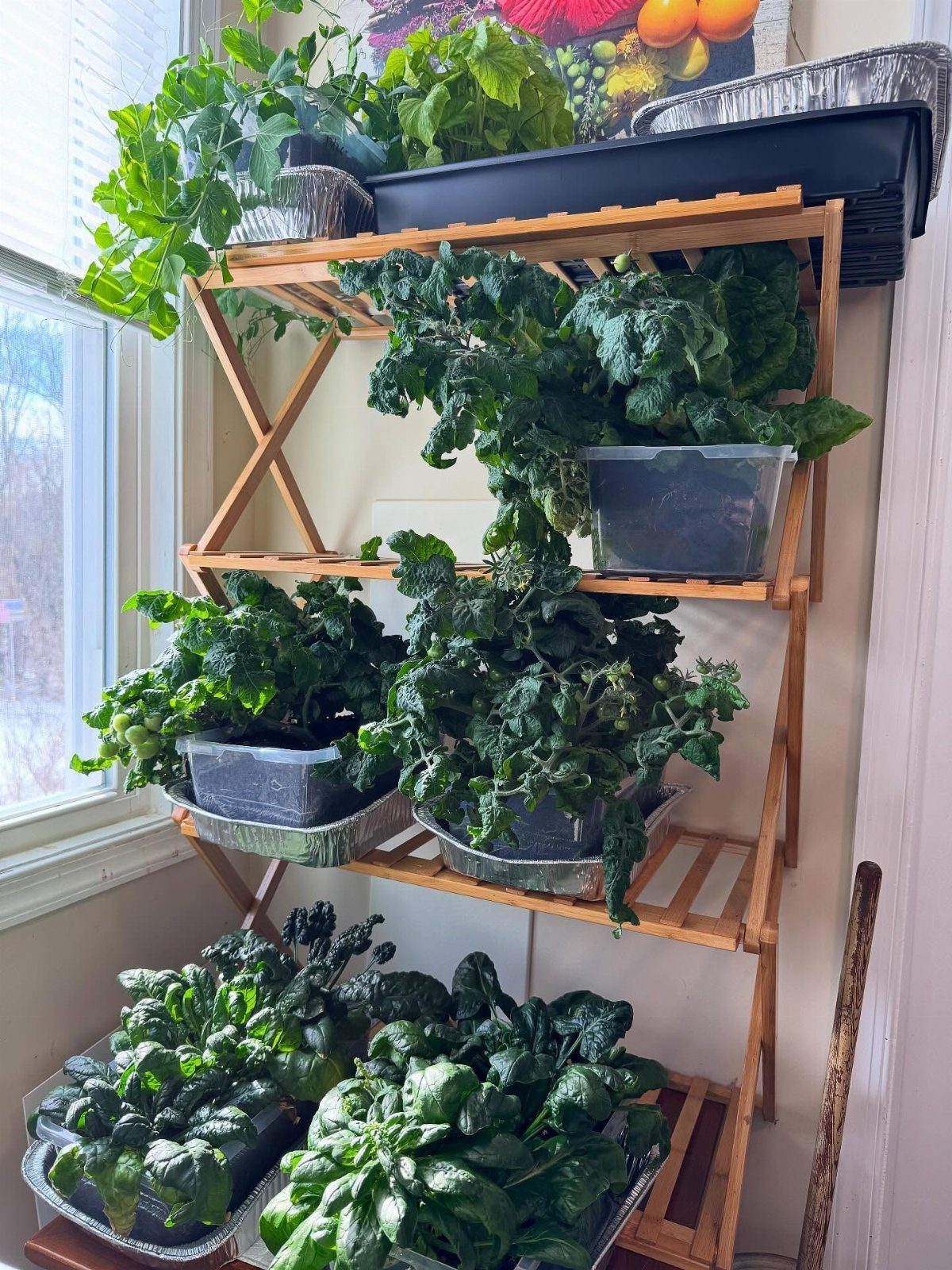
A south-facing window with a wooden tiered stand turns about 4 square feet of floor into growing space for 6-8 containers. Indoor tomatoes fruit on their own schedule, slower than a July garden but steady if the light holds.
Leafy greens do better on the lower shelves where light is weaker; tomatoes and peppers claim the top.
Rotate containers weekly because window light arrives from one side, and uneven growth shows fast indoors. The stand itself is ordinary furniture; what makes it work is placement and the discipline to move plants as they size up.

Combination of 150cm High Shelf and Grow Light: 15.7"L x 11.8"W x 59.1"H 5-tier plant stand indoor and 4-pack 40W (4 x 10W) plant light panels. Suitable for growing or displaying your indoor plants. It's a professional Barrina ull spectrum grow light for seed starting, hydroponics, succulents, flowers, Veg & More
5. Regrowing Veggie Scraps in Water
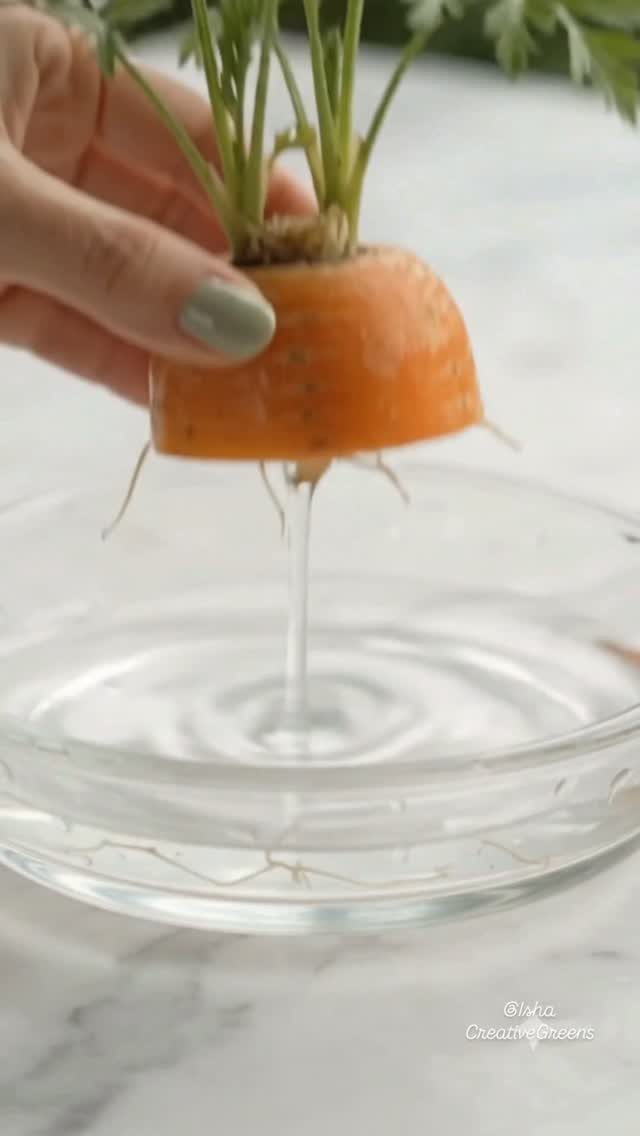
A carrot top in shallow water sends down thin white roots and grows lacy leaves; the greens work in pesto or as garnish.
It is growing greens: edible, slightly bitter, useful for pesto or garnish if you are honest about what they are.
The cut surface sits in just enough water to stay wet, not submerged.
Change the water often or it sours. Most scraps regrow leaves once, slowly, and the harvest is modest.
This suits someone curious more than someone hungry. If you want carrots, start seeds; if you want a windowsill experiment that costs nothing, this is that.
6. Sprouting Seeds on a Windowsill
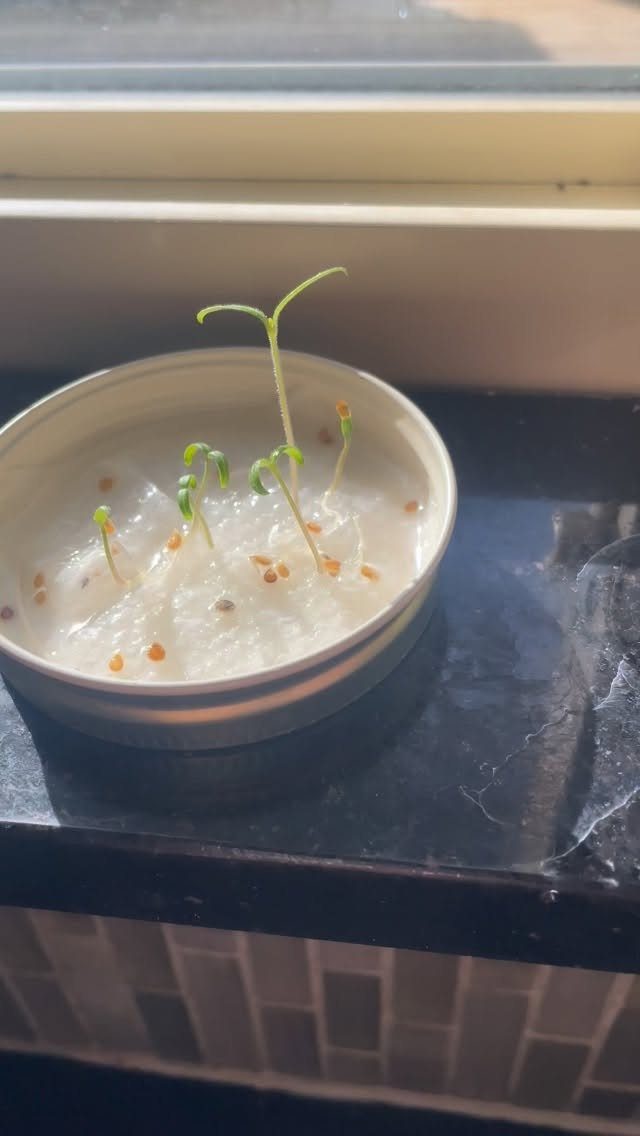
Damp paper towels in a shallow tin, set on a windowsill, is the lowest-tech germination test there is. Seeds that sprout there will sprout in soil; seeds that rot or stall saved you a failed planting.
The paper stays wet, not swimming; the tin needs no drainage because there is no soil to drain. Basil and mint both start this way, and the white roots that appear in about 10 days transplant easily into compost.
Keep the tin covered loosely at first to hold humidity, then open it so seedlings do not mold before they green up.

High planting efficiency: Start an indoor herb garden with the Ahopegarden hydroponic growing system, which includes a water reservoir, an overhead LED grow light, and a circulation system that keeps the water fresh. The hydroponic setup and lighting systems allow plants to grow up to faster and healthier in controlled conditions. Simply add plant seeds, water, and nutrients to the reservoir and watch the plants grow
7. Hydroponic Cherry Tomatoes
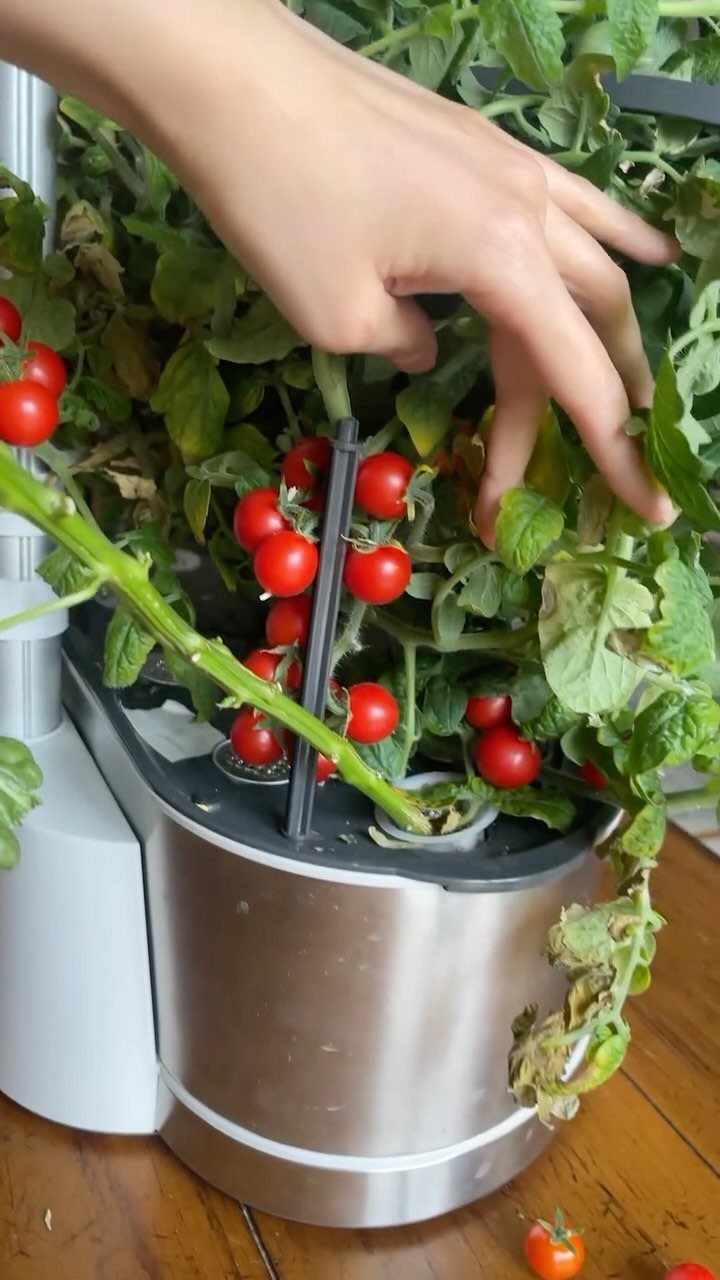
Cherry tomatoes are the indoor tomato to choose: determinate varieties stay compact, and the small fruit ripens faster under lights than full-size slicers.
A countertop hydroponic unit keeps roots fed and watered on a timer, which matters because tomatoes drink heavily once fruit sets.
Cherry tomatoes fill a small unit leaf to leaf; most countertop models run about the size of a large cutting board.
If you are buying a system, check that the light hood adjusts upward; tomato vines grow fast once they start.
Transplant to first ripe fruit takes longer than summer outdoors but stays steady year-round. Feed at the strength the manufacturer lists; tomatoes are hungrier than lettuce and show pale leaves fast if the nutrient runs low.
This suits someone with counter space and patience more than a windowsill gardener looking for instant greens.
8. Multi-Tier Hydroponic Shelving System
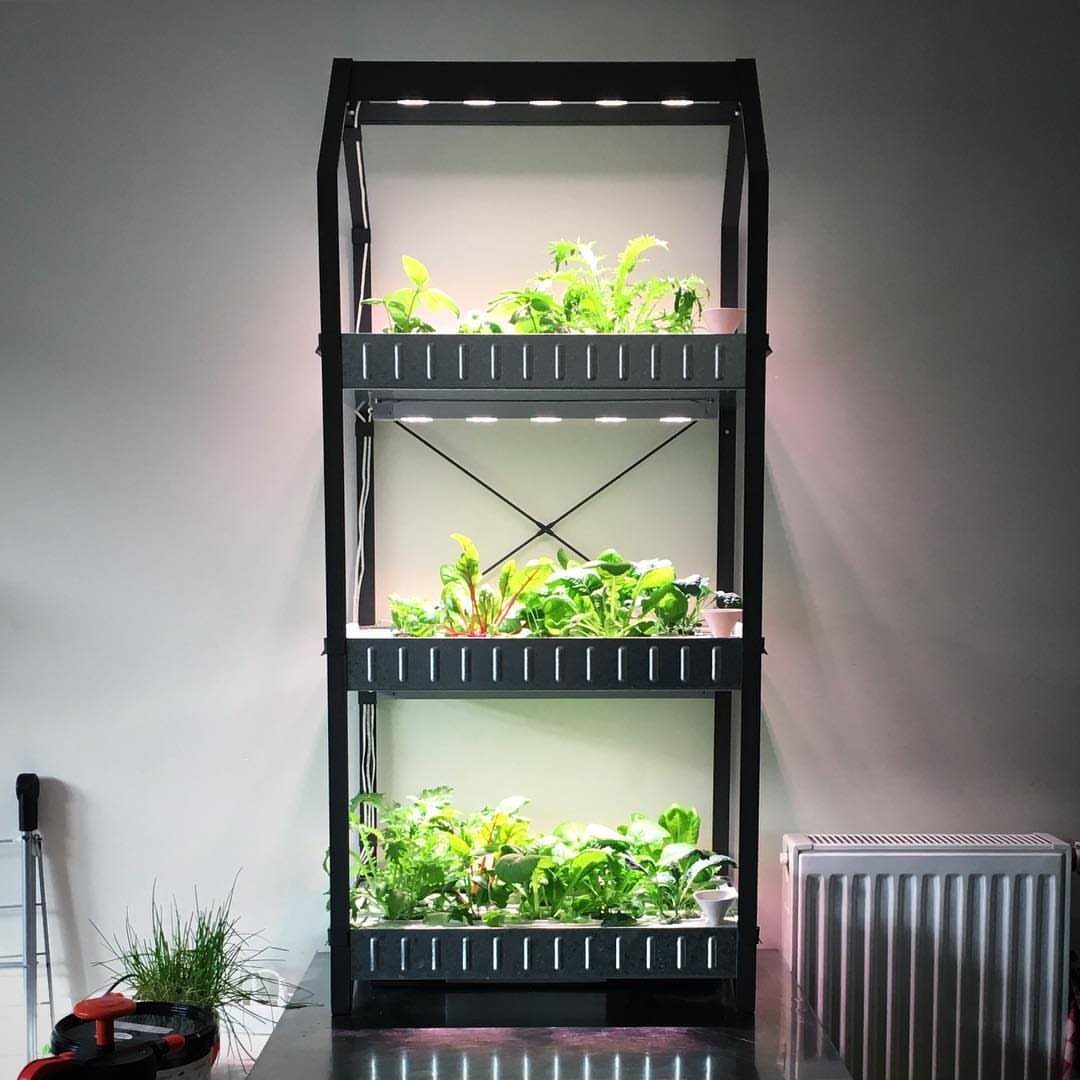
A three-tier hydroponic rack with built-in LEDs turns a wall or counter into vertical growing space without relying on window light.
A black metal frame standing next to a radiator is workable only if heat does not rise directly into the bottom tray; check leaf edges for browning if your setup sits near a heat source.
Integrated lights mean no clamping or balancing fixtures: the unit is the whole system. Run the lights on a schedule that matches what you grow, and the reservoir needs topping every few days.
Cost runs higher than a stand with shop lights, and the footprint is taller than it is wide.
This fits renters who cannot modify wiring or count on south-facing windows, and who want leafy greens in quantity rather than one pepper plant at a time.
Choosing the Right Containers
A container without them holds water against the roots, and root rot sets in before the leaves show trouble.
Shallow containers suit lettuce because its roots spread wide rather than deep. Looseleaf, butterhead, and romaine all grow well in limited depth, which makes them practical for windowsill rows where headroom is tight.
Pot size scales with the plant. Herbs manage in small pots; peppers need 12 inches or about 5 gallons minimum.
Indoor potting mix beats garden soil, which compacts and holds water too long in a container. Soilless mixes drain more predictably.
Watering Techniques
Soil should stay moist, not wet. The top inch drying out is the signal to water again, not a calendar date.
Sunny spots dry faster, especially near windows where glass amplifies heat. Check daily in those locations; a pot that needed water Tuesday may still be damp Thursday in a darker corner.
For soil growers, the finger test works: dry to the first knuckle means water, still damp means wait.
Pruning and Harvesting
Pruning shapes the plant and extends its useful life. For basil, pinch the top two leaf sets once the plant has six sets total; cut just above a leaf pair to force branching.
Parsley and mint both respond to cutting back long stems above a leaf set, which redirects energy into new growth rather than woodiness.
On herbs like parsley, I take the outer leaves and let the center keep growing.
For chives, cut to about 2 inches above the base. Sharp scissors matter; torn stems invite disease.
Stagger planting schedules for lettuce and you get maturity in waves rather than one flush. A plant harvested leaf by leaf keeps producing longer than one stripped bare.
Indoor Gardening Benefits
Year-round growing means no off-season gap and no need to preserve a summer glut. You harvest as you cook, not from storage.
Vertical setups and shelving compress the footprint. Plants grown indoors often live longer and yield more per plant, so fewer total plants feed the same habit.
Hydroponic systems allow tighter spacing than soil beds; roots do not compete for the same nutrient patch. The trade is equipment cost and the discipline of monitoring reservoirs.
Frequently Asked Questions
What is the easiest food to grow indoors?
If you want the lowest barrier to entry, start with leafy herbs or lettuce.
Basil and parsley will grow in a yogurt cup on a windowsill, and lettuce only asks for a few inches of soil and whatever light you already get.
Microgreens go from seed to harvest in about a week under simple lights.
What vegetables can I grow indoors?
Lettuce, peppers, cherry tomatoes, and microgreens all grow well inside with the right setup. Leafy greens manage on lower shelves with weaker light; peppers and tomatoes need top placement and stronger lamps or a south-facing window.
What vegetables should not be started indoors?
Large, fruiting vegetables with extensive root systems or high light demands struggle in typical indoor conditions.
Full-size tomato slicers ripen slower than cherry types under lights and need more space than countertop units allow. Squash and similar vining crops outgrow most apartment setups before they bear.
What are common mistakes when starting seeds indoors?
Overwatering ranks first: soil should stay moist, not wet, and the top inch drying is your signal to water again, not a calendar date.
Too little light makes seedlings leggy; weak window light needs supplementing, and grow lights placed too far slow growth while lights too close burn leaves.