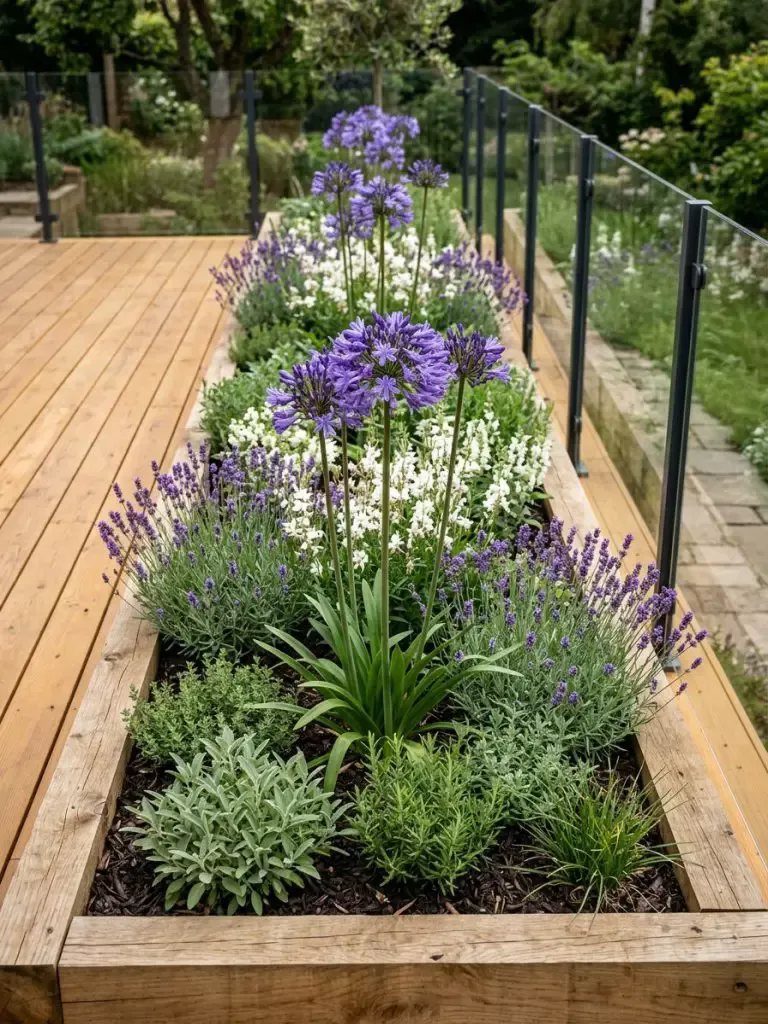
These ideas run from free pallets and a bag of hardware up to cedar and corrugated metal, and the one that fits depends on whether you own the ground beneath it or might need to roll the whole thing to a new patio next year.
The concrete block bed with its onion-filled holes sits at the cheap end; the bottomed box on concrete, with slats for drainage and feet to keep water off the slab, is the one built for renters.
[link-whisper-related-posts]1. DIY Raised Garden Beds
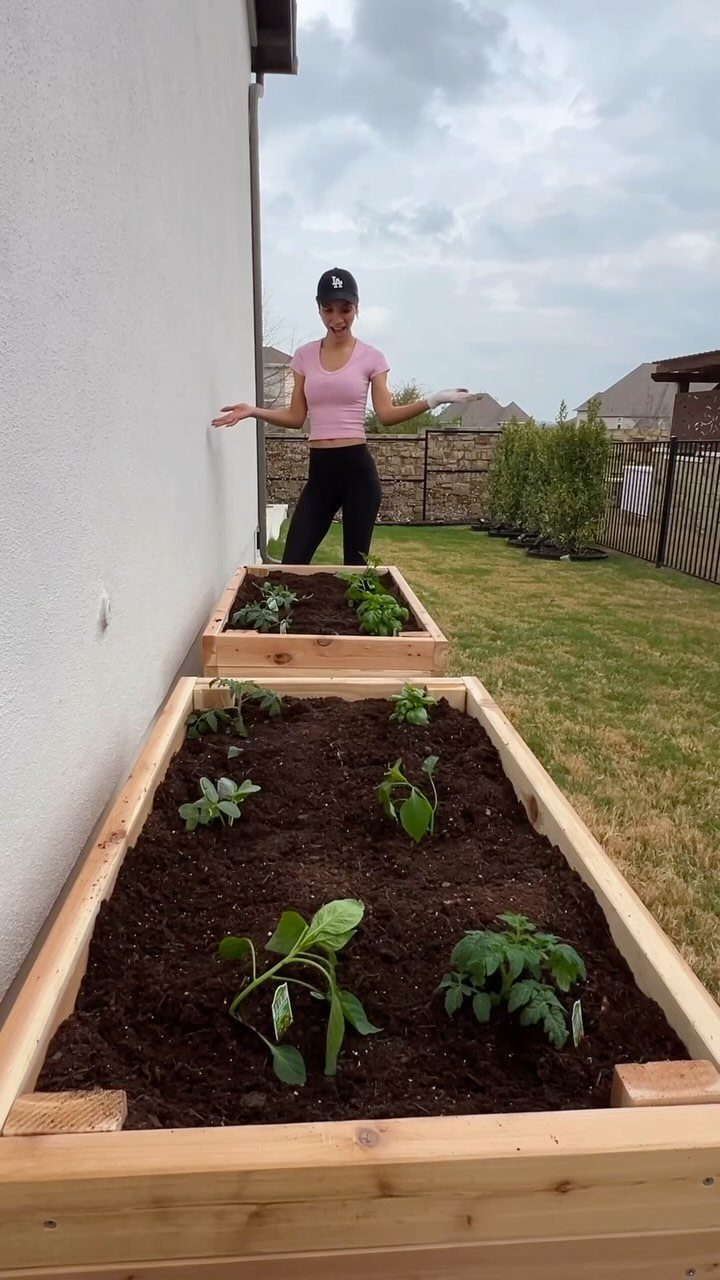
2 cedar boxes against a house wall give a narrow lawn a purpose without eating the whole yard.
Redwood or cedar last longer than pine and weather to a soft grey instead of rotting the way cheap wood does. I line the bottom with hardware cloth against moles, then fill with a mix of topsoil and compost.
A knee-high bed saves the back and keeps rabbits out. A Saturday of cutting and screwing, plus Sunday morning to level and fill, and you are planting by afternoon.

Elevate Your Garden - Opt for a brilliantly engineered raised garden bed to revolutionize your gardening. Its spacious design, measuring 48x24x30 inches, allows for the cultivation of multiple vegetable varieties alongside a plethora of herbs, optimizing your gardening space for ease and diversity.

SPACIOUS GROWING SPACE WITH EXTRA PLANTING DEPTH:Measuring 91.5" L × 47.3" W × 22.06" H, this galvanized raised garden bed holds approximately 412 gallons of soil, providing generous planting space and extra depth for vegetables, herbs, flowers and fruits. The spacious design allows roots to grow naturally while supporting tomatoes, peppers, cucumbers, broccoli, beans, lettuce, carrots, potatoes and other popular garden plants. Ideal for backyard gardening, raised vegetable gardens and outdoor planter box projects.

Each raised metal garden bed size: 4×2×1ft ,7.14Cu
2. Space-Saving Layouts
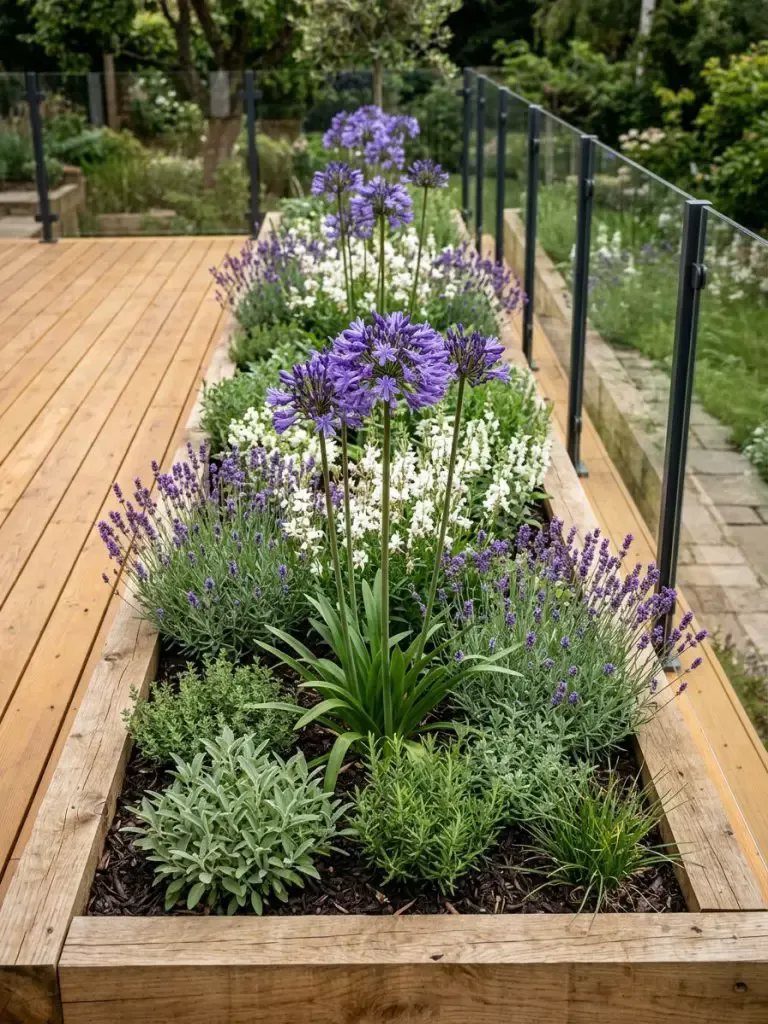
A long, narrow bed tucked against a deck railing turns dead space into productive growing room in a small yard.
Running a trellis along the inside angle gives tomatoes or pole beans sun from 2 sides without shading the lower greens.
I would put the path on the long side, not wrap it around; you lose some bed space but gain a place to kneel and harvest without stepping in.
Vertical growth doubles what a flat bed yields, and the gravel between stays clean even in wet springs.
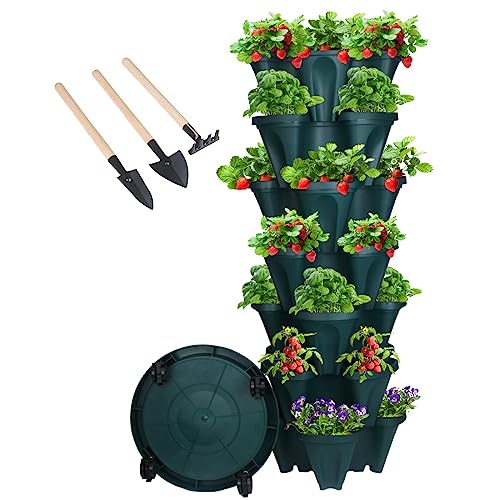
SAVE FLOOR SPACE - Stackable vertical planter tower

Space-Saving : This strawberry planter maximizes your gardening space by stacking 5 layers to grow more plants in a compact area. The strawberry tower planter is ideal for patios, balconies, or indoor use.

Larger Capacity for Bigger Growth: This large vertical planter tower offers increased planting volume and root space, making it ideal for serious gardeners, backyard food production, and high-yield growing.
3. Vertical Gardening
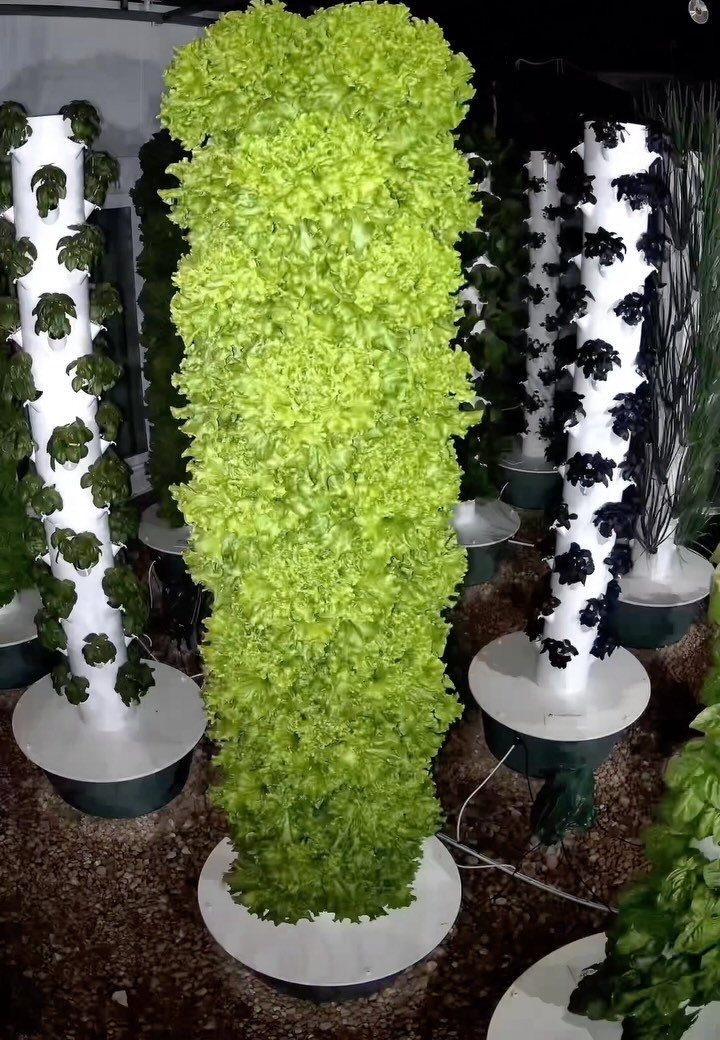
White towers packed with lettuce and basil make sense when ground space is a balcony or a sliver of patio. Hydroponic setups work on the same principle as soil-based vertical planters: water from the top, let it trickle down.
Trellises against a wall do the job cheaper; cucumbers and indeterminate tomatoes need the support, and you train them up twine instead of letting them sprawl across paths.
Vertical soil dries faster than ground level, so you end up watering more often. I would add a drip line if I were gone weekends.
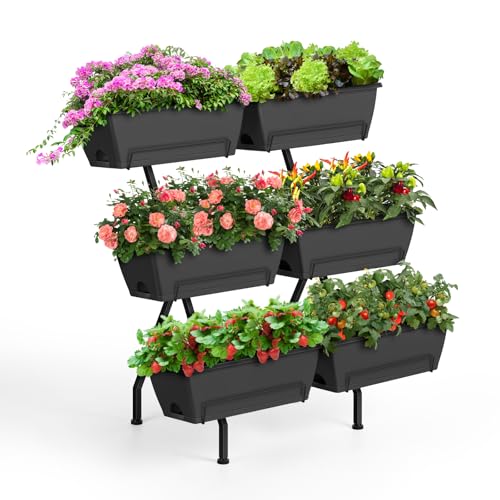
【Space-Saving Vertical Garden System】 Six stackable planters transform tight spaces into lush gardens – perfect for urban balconies, small patios, or indoor greenery. Strategically alternate herbs, flowers and vegetables across tiers to create your perfect mini ecosystem.

【SIZE】: Vertical garden planter size: 33.1*18*28.7 inches.

5-Tier Large Growing Space: 5 staggered planter boxes, this vertical garden planter maximizes capacity and saves space. Each box offers room for herbs, flowers, vegetables, strawberries. The layered design ensures every plant gets sunlight, airflow, and space to thrive
4. Tiered Planters
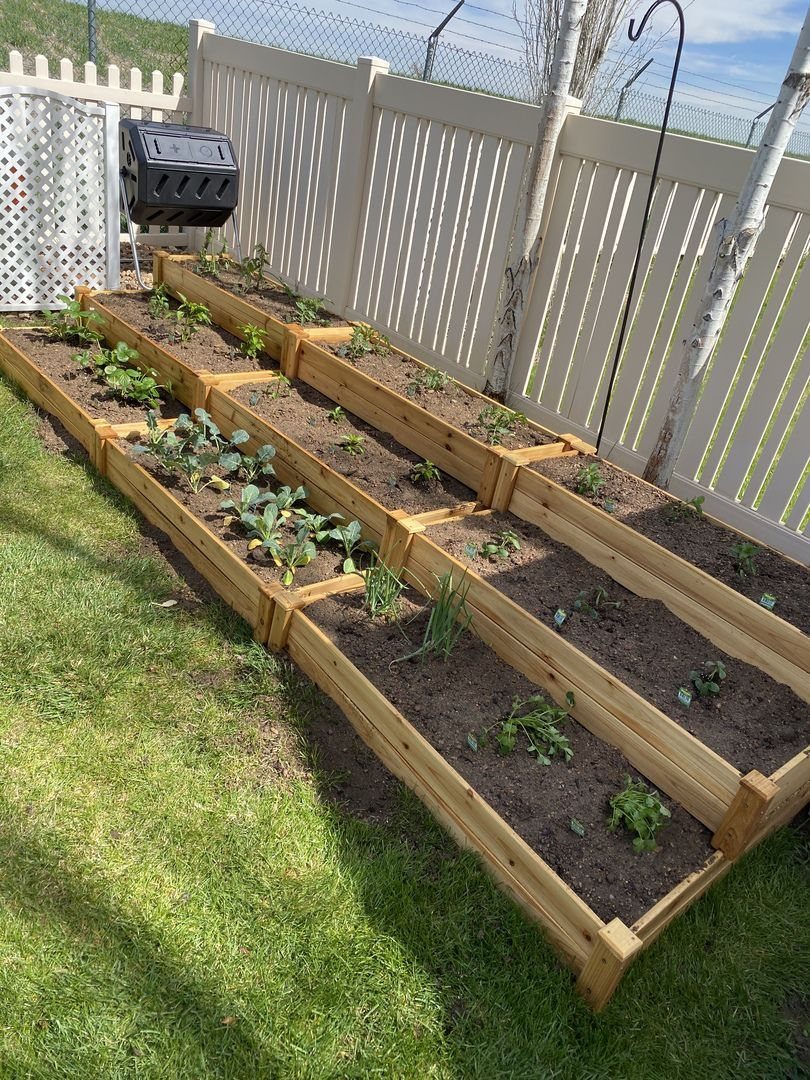
Three stacked levels step down like a small stadium, so each row gets sun without shading the one below. A tiered frame against a fence can hold herbs and young vegetables in wood, galvanized steel, or stacked stone.
Shallow-rooted greens go on top, medium-rooted peppers and bush beans in the middle, and deep-rooted tomatoes or carrots in the fullest soil at bottom.
You build it as one box with internal shelves, not three separate planters; that saves wood and keeps moisture even between levels. A compost tumbler sitting nearby is a good pairing: this bed eats organic matter and rewards the habit.
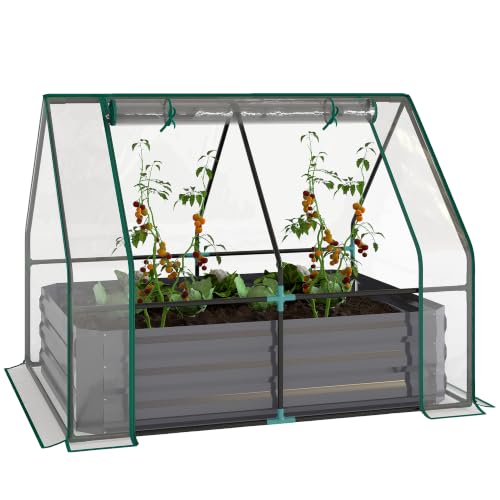
2-in-1 Raised Planter Greenhouse: This outdoor garden bed set includes a raised planter and a garden greenhouse you can use as a cover. Provide vegetables twice the help or use either separately.

【Maximize Yields with Large-Scale Vertical Planting】The 6x3x1FT raised bed with trellis offers ample space for vegetables such as tomatoes, cucumbers, and beans. When paired with a trellis (arch-shaped or wall-mounted), the planter for outdoor plants transforms traditional flat planting into vertical growing—guiding vines upward to improve airflow, improve airflow to help fruits stay dry, and maximize yields

2-in-1 Raised Planter Greenhouse: This outdoor garden bed set includes a raised planter and a garden greenhouse you can use as a cover. Provide vegetables twice the help or use either separately.
5. 4×4 Feet Raised Garden Beds
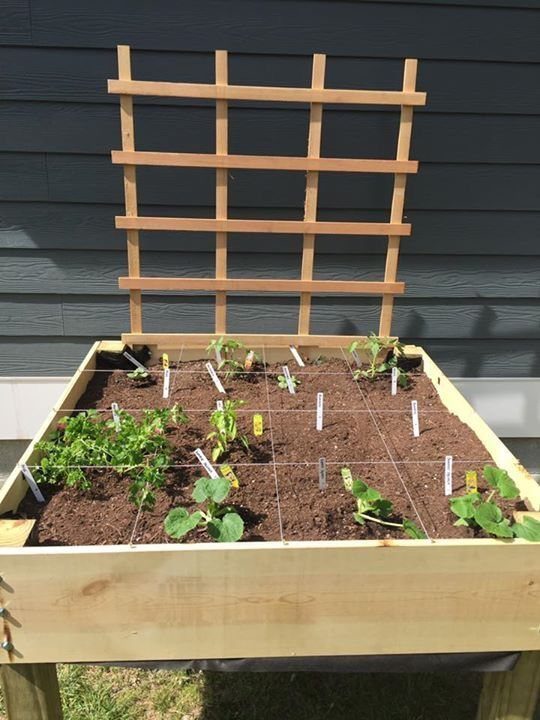
A 4×4 foot square is the size one person can reach across from any side, which means no path through the middle and no soil compaction from stepping in.
A taller version against a wall, probably waist height to the soil line, puts planting and weeding at counter height.
I would add a bottom only if setting this on concrete or a deck, with slats spaced for drainage and landscape fabric to keep soil in.


Upgraded package includes : 4 sets of 65" tomato Cage include 84 connecting rods, 12 pointed rods , 12 three-way connector, 36 four-way connector, one bundle of twist ties, and one installation manual.

Tomato Cage Ample Space for Healthy Growth: Reaching up to 48 inches in height, these tomato cage offer generous room for seedlings and starter plants to grow strong. The package includes 54 steel core stakes, 54 connecting arms, 36 connecting pipes, 10 large plant clips, 10 small plant clips, and 165 feet of twist ties. The green color of the components blends well with the plants, and the abundant parts can meet all your assembly needs, ensuring bountiful harvests and beautiful blooms
6. Raised Garden Beds for Growing Herbs
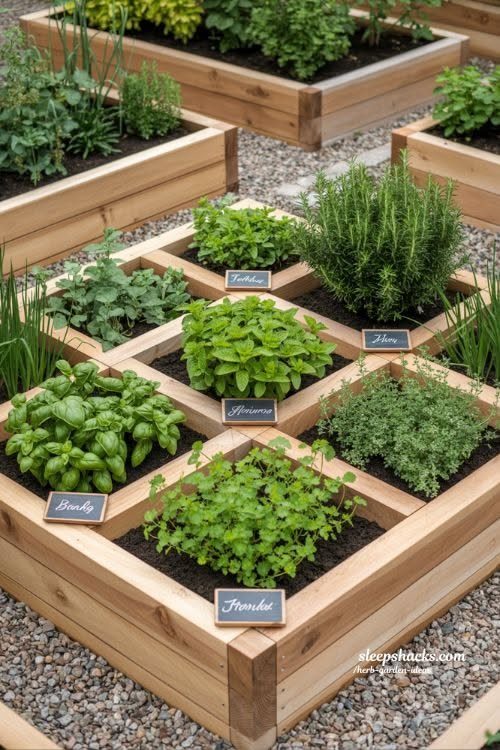
Small chalkboard signs marking basil, rosemary, and mint in separate compartments of one square bed keep the mint from invading everything else.
Herbs want sharp drainage and less fertility than vegetables, so I would mix sand into their soil and not overfeed.
A dedicated bed lets you harvest by the kitchen door without crossing the yard in bare feet, and the woody perennials, rosemary and thyme and sage, stay put year to year while annual basil rotates through its corner.
A gravel courtyard around the bed means no mud, no weeds creeping in from lawn edges.

DIMENSIONS: 48 in. W x 48 in. D x 29. 12.6 in. H

Size: The garden bed measure is 46"L x 23.6"W x 17"H. The planter box provides ample space for planting vegetables, fruits, flowers and other plants.

Size: 144"(L) x 48"(W) x 12"(H),Planter raised bed provide outdoor sufficient space to grow vegetables,flowers,galvanized garden bed
7. Wooden Pallets Raised Garden Beds
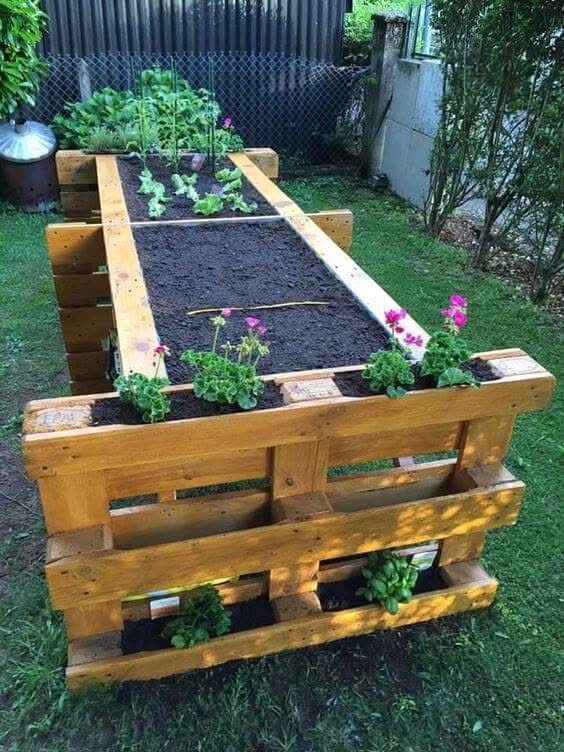
Shipping pallets stack into a rectangle with the slats running horizontal, soil held by the inner faces while the outer ones keep the shape.
Heat-treated pallets are the ones to ask for; the stamp "HT" on the block means no chemical bath that leaches into lettuce roots.
I would line the interior with landscape fabric to stop soil washing through the gaps, and screw corners together rather than trusting nails that work loose in wet wood.
The side slats hold shallow-rooted herbs or strawberries where the main bed runs tomatoes. Free material cuts the build cost to hardware and an afternoon.

High-quality Product: Thick, high-quality PP materials can be used repeatedly without fading, not easy to crack even in summer; Suitable for garden or indoor use
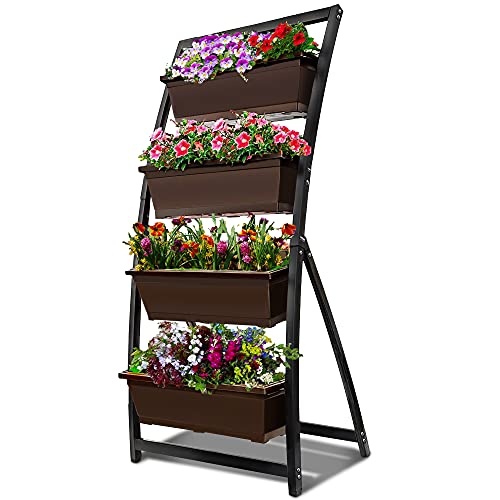
✓ EASY TO ASSEMBLE w/ PERFECT TIGHT SPACE SOLUTION - with easy to follow instructions included, the assembly of your garden planters will be quick and simple. Each hanging plastic box container is 27"; provides adequate room for your plants without wasting precious space in a small apartment, balcony, or any outside area. Grow a variety of herbs, seeds, flowers, succulents, or vegetables in just a single area at home.

The GreenStalk system is proud to be designed and manufactured completely in East TN. Made with high quality, BPA-free, UV-resistant plastic with a 5 year warranty
8. Narrow Beds Along Walkways
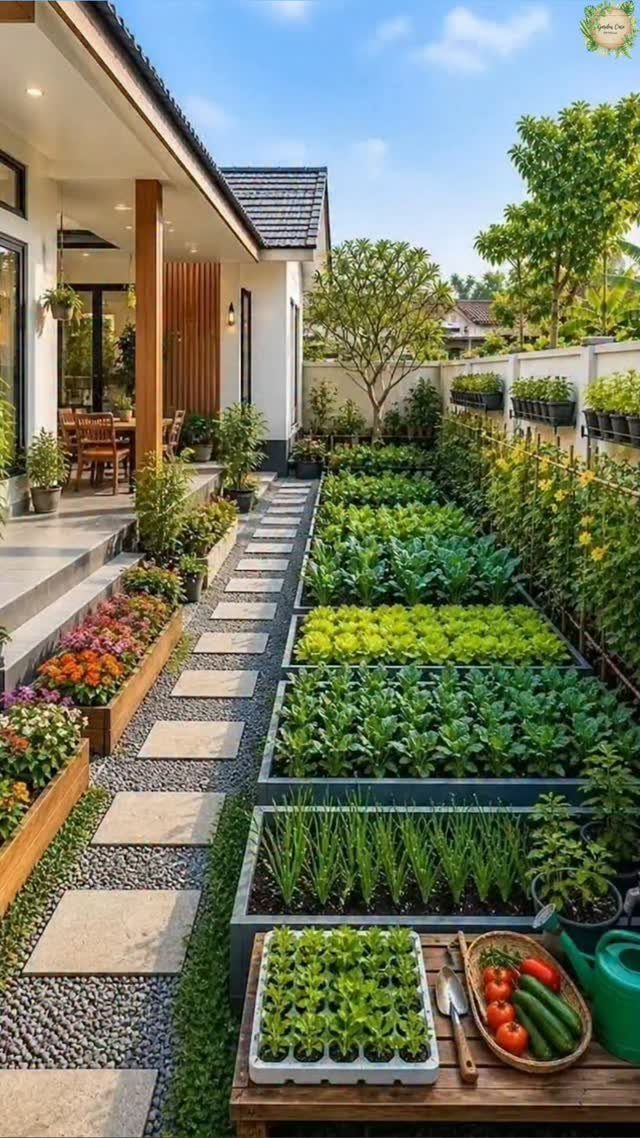
A narrow bed leaves room for shoulders and a harvest basket on a path that already exists. Running the long edge against the wall gives plants the southern exposure and keeps the path clear for wheelbarrows.
I would build these in cedar or the same redwood as earlier entries to keep the look consistent; pressure-treated lumber is cheaper but not where I handle salad greens every evening.
Depth can stay shallow, since most walkway-side plantings are greens and herbs rather than taprooted carrots. The trade is access: one side only, so plant low stuff on the path edge and tall against the wall.
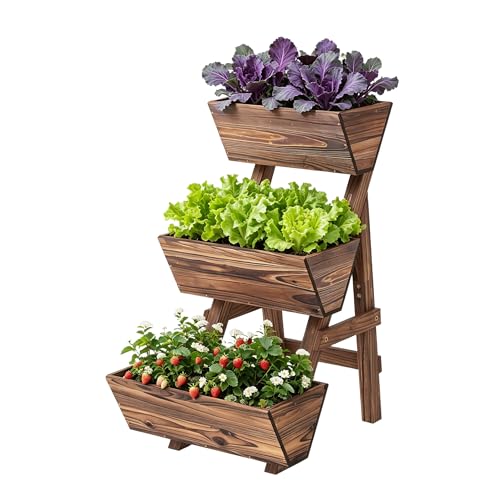
【Space-Saving 3-Tier Design】: The 3-tier planter box design will not take up too much floor space, which can separate and organize the sections as well as grow different kinds of plants. The trapezoidal design allows all plants to enjoy full sunlight for better growth. The box bottom of each tier is equipped with drainage holes to help drain excess water and prevent root rot

[Food-Safe Materials] Designed for reliable stability and everyday outdoor use.The frame is crafted from rust-resistant powder-coated steel with weather-resistant properties,greatly ensuring the long-term stability and durability of the entire garden bed.It also comes with reinforced triangular brackets and two extra bottom stabilizing rods to enhance the safety and security of the planters.This premium raised vertical planter is specifically designed to withstand typical outdoor conditions,the high-quality vertical raised garden boxes are made of durable,100% food-safe PP material.They are strong enough to bear the weight of soil and plants,safely supporting wet soil without cracking.

【Solid Stability Triangular Frame】 Engineered with a heavy-duty triangular metal frame and dual-column construction, this vertical gardening system outperforms flimsy single-pole stands. The reinforced joints and crossbar supports prevent swaying - even when fully loaded with soil and climbing plants like tomatoes or ivy. Perfect for outdoor vegetable planters or vertical indoor gardens.
9. Concrete Block Raised Beds
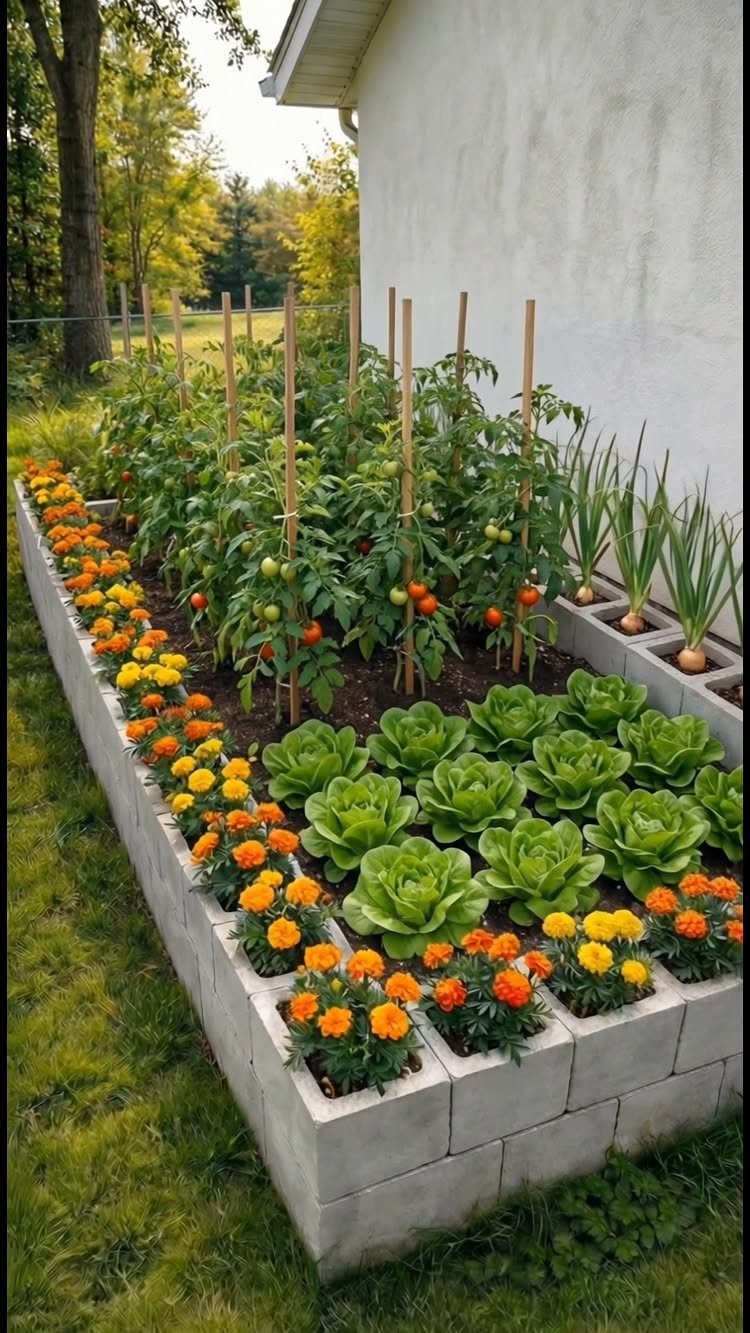
Cinder blocks stack dry, no mortar, into a rectangle 2 courses high; the holes fill with soil for marigolds or onions while the core holds the main bed.
Grey block against a wall reads utilitarian, which some yards already are. I would sweep a bed of coarse sand under the first course so the row stays level without shimming every block; a rubber mallet taps them flat.
The holes drain poorly, so mix grit into their soil or treat them as cachepots with plastic nursery pots slipped inside.
Concrete blocks run cheap if you haul them yourself, and a simple bed frame costs less than a bag of premium potting mix. Sharp corners scrape knuckles during harvest; gloves are not optional here.

Ergonomic Height: Standing at 30 inches tall, it reduces strain from bending and kneeling, promoting more comfortable gardening.
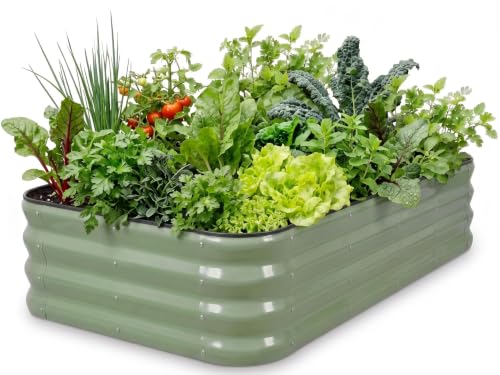
【Fully Customizable Garden Solution】-Create the perfect raised garden bed layout by connecting multiple units into squares, rectangles. This modular planter raised bed system adapts to any space, making it ideal for both small balcony garden boxes and large backyard flower beds.

2-in-1 Raised Planter Greenhouse: This outdoor garden bed set includes a raised planter and a garden greenhouse you can use as a cover. Provide vegetables twice the help or use either separately.
10. Raised Beds on Concrete Patio
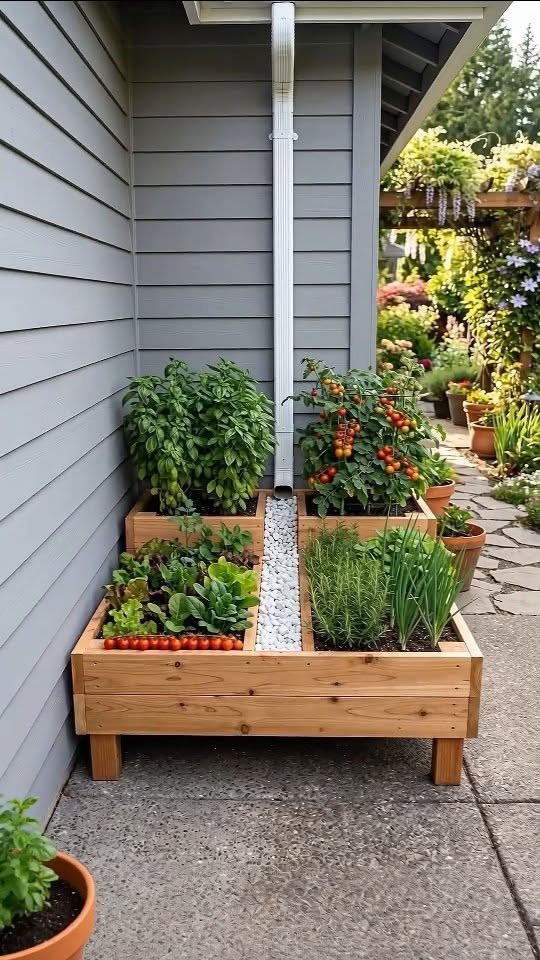
A bottomed box on concrete needs slats or a few drilled holes for drainage, and feet or blocks to let water run out rather than pool against the slab.
Corrugated metal lining the interior reflects heat and keeps cedar siding dry; it also means the wood frame can be thinner and cheaper.
A patio bed moves with you, theoretically, though filled with damp soil it takes real effort and a hand truck. Start with herbs; their shallow roots match the soil depth that keeps weight manageable.

【Rust-Proof Sturdy Tomato Cages】Built with heavy-duty thickened metal steel core (not solid metal ) and protective plastic coating. The plastic coating resists rust and prevents overheating, protecting climbing vines from scorching summer sun. Our metal square tomato stakes combine high strength and stability with a sleek, practical design, delivering long-lasting durability to support your plants.
Benefits of Raised Beds
The drainage advantage matters most where native soil holds water like clay.
A raised bed lets water move through instead of pooling at root level, and the soil inside warms faster in spring because it sits above the cold ground plane. That combination buys you early growth in zones with short seasons.
Easier access is not just about backs. Harvesting at knee height means you spot pest damage sooner, catch fruit before it overripens, and pull weeds when they are small enough to pinch.
The box edges also define the planting zone, so you are not guessing where the bed ends and the path begins.
Materials for Raised Beds
Depth is the choice that shapes everything else. Match the board height to what you plant, not to what looks proportional against the fence.
Recycled wood works if you know its history; pressure-treated lumber from decades past likely carries chromated copper arsenate, and even modern treatments are not where I would plant salad greens I handle daily.
Newspaper at the bottom suppresses grass without blocking drainage the way solid plastic does. Layer it with compost and brown matter, and the bed starts feeding itself as the paper breaks down.
Plant Selection
A single bed packed only with tomatoes fails twice: the roots compete for the same nutrients, and the foliage creates a humid tunnel for blight. Mixing plant types breaks those patterns.
Herbs with sharp drainage needs sit at the edges where soil dries faster, leafy greens fill the middle ground, and a few marigolds along the corner holes of a block bed draw pollinators and confuse pest scent trails.
Flowers are not decoration here.
Nasturtiums and calendula draw aphids away from beans, and their petals are edible if you want the harvest to read as intentional rather than sacrificed. The diversity also spreads risk: if one crop fails, the bed still yields.
Maintenance Tips
Pest checks work best as habit, not reaction. Morning coffee with a lap around the beds catches cucumber beetles before they strip seedlings, and the squash bug eggs wipe off with a thumb while they are still clustered.
Water needs shift with the season: a bed that wants daily watering in July may need none in a wet spring, and vertical plantings dry faster than ground level ones.
Soil amendment is not annual replacement. Top-dress with compost in fall, let winter settle it, and test every few years if growth slows.
Frequently Asked Questions
What are the downsides of using raised garden beds?
Raised beds cost more than planting in native soil, and the frame needs checking every season for loose screws or rotting corners.
Vertical gardens and wall-mounted planters lose moisture to the air on all sides, so the soil checks dry by mid-afternoon in July, and a bed with a solid bottom parked on a patio or driveway weighs enough that relocating it means sliding a dolly underneath and hoping the casters hold.
Is it cheaper to build a raised bed or buy one?
Building one usually costs less, especially with free material like shipping pallets or cheap concrete blocks you haul yourself.
Stacking cinder blocks without mortar costs about what you’d spend on a single compressed bale of peat, and if you have cedar fence pickets left from a neighbor’s tear-down, you’re out maybe $12 for exterior screws and an afternoon of cutting.
What is the optimal layout for a raised bed garden?
Running the access path down the length of the bed, not boxing it in on all 4 sides, leaves you room to drop a knee pad and reach the center row without compressing the soil you just loosened.
A corner L-shape eats up the triangle where nothing else fits, and running a cattle-panel arch across the inside corner puts morning sun on the east-facing climbers and afternoon sun on the west ones while the lettuces underneath stay in open shade.