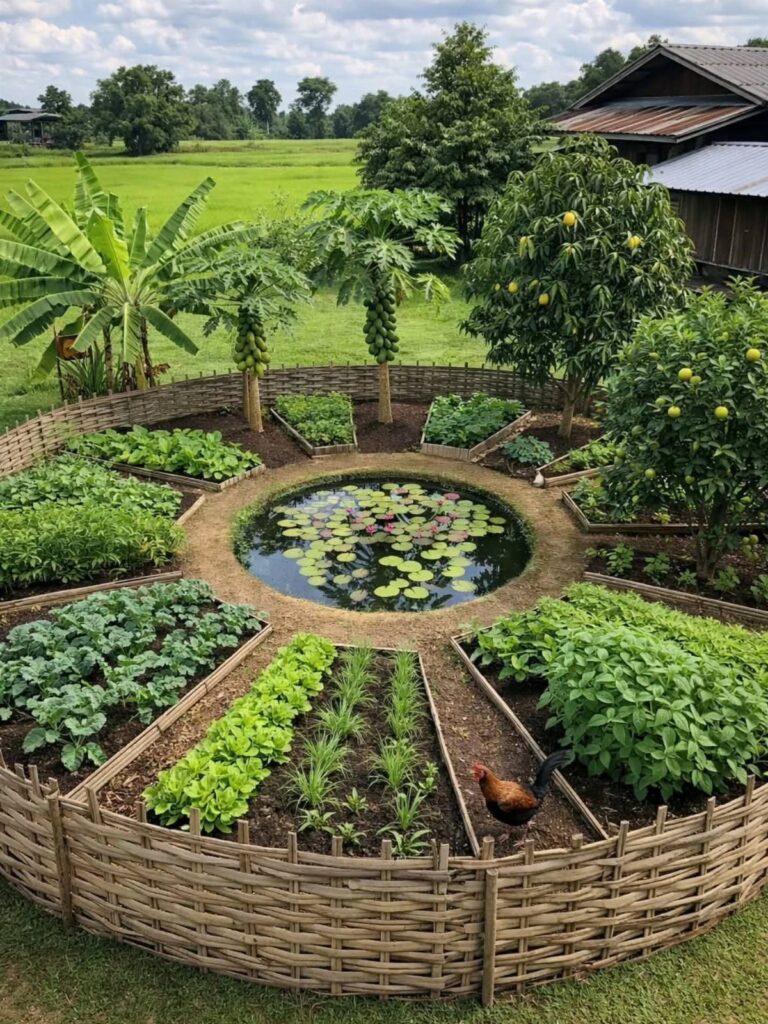
These ideas run from a bag of meadow seed to a multi-level deck that needs engineered footings, and the right one depends on whether you are filling an hour on a Saturday or committing the next few weekends.
The low-voltage path lights run on wire you bury yourself; that single detail tells you which end of the range this list starts from.
[link-whisper-related-posts]1. Low-voltage Lighting Along Paths
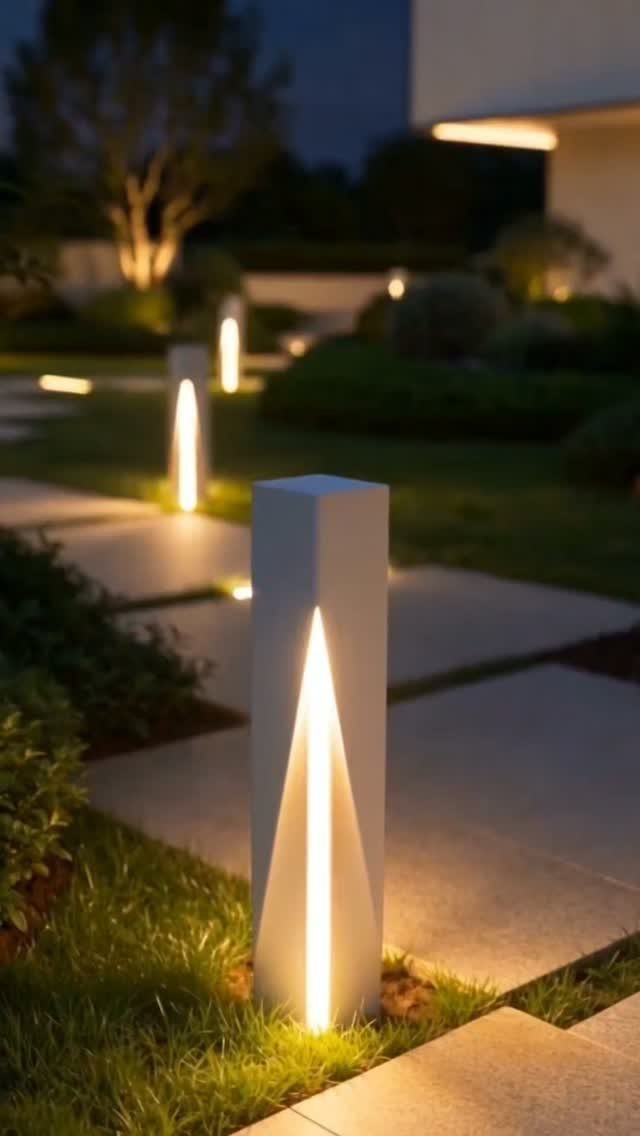
Low-voltage lighting turns a path into something you actually use after sunset. On a large property, that matters more than it does on a small lot, where porch light spill covers most of the ground.
I would start with bollards or path luminaires along the routes you walk most: driveway to door, patio to garden shed, back door to trash bins.
Uplighting on specimen trees draws the eye up after dark, and accent lights on pergolas or water features extend the usable hours. Fixtures mounted high overhead cast light downward like moonlight over a seating area.
The wiring is 12-volt, so you can bury cable yourself without an electrician in most areas.
A transformer near an outdoor outlet steps household current down. Check local code before you dig.
2. Outdoor Living Areas
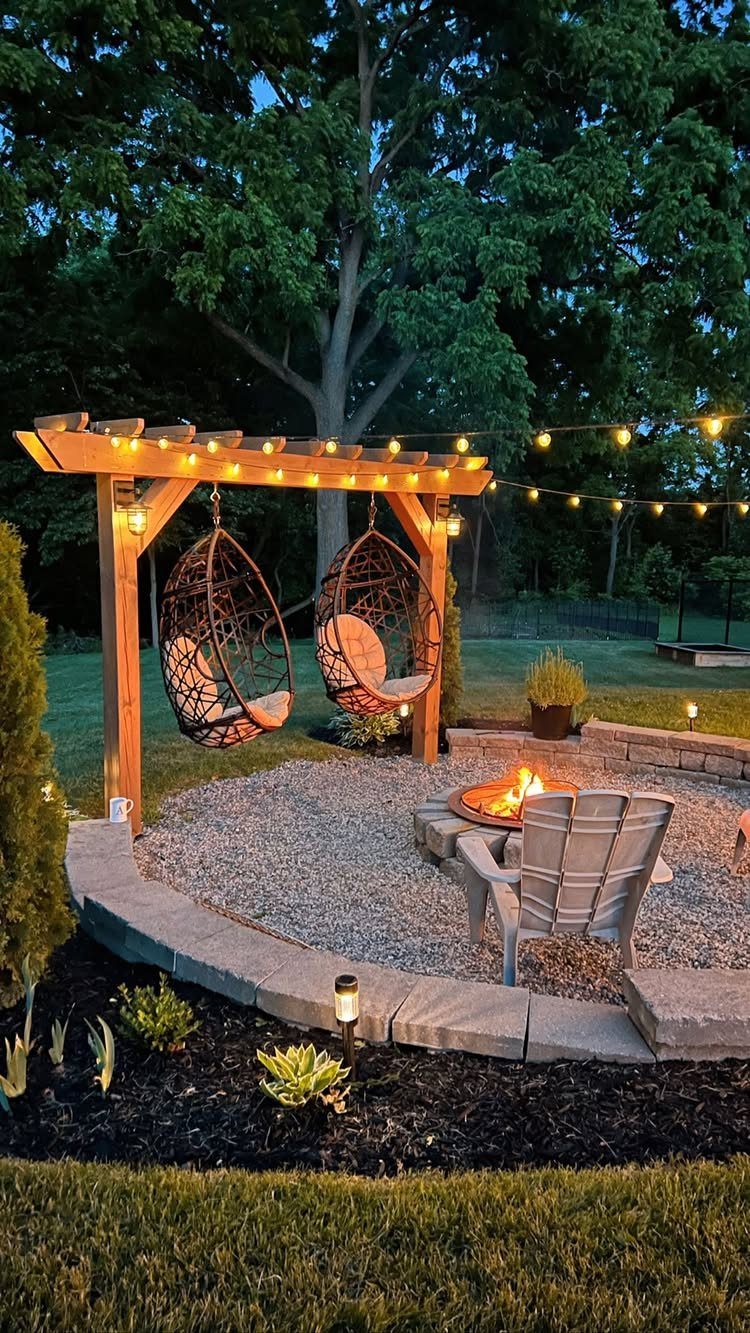
A fire pit with real chairs around it gets more use than a patio with theoretical use. Gravel underfoot drains fast and stays level; a wooden pergola overhead carries string lights for when the fire dies down.
On acreage, you have room to separate zones instead of cramming everything against the house. A cooking area with counter space and a grill can sit apart from a lounge zone with deep seating and its own fire feature.
Cover matters more than people think: a pergola buys you spring and fall evenings that an open patio won’t.
I would build the fire pit first and live with it a season before adding the kitchen. You learn where people actually gather, where smoke blows, and whether you need more shade or more windbreak.
3. Walking Paths
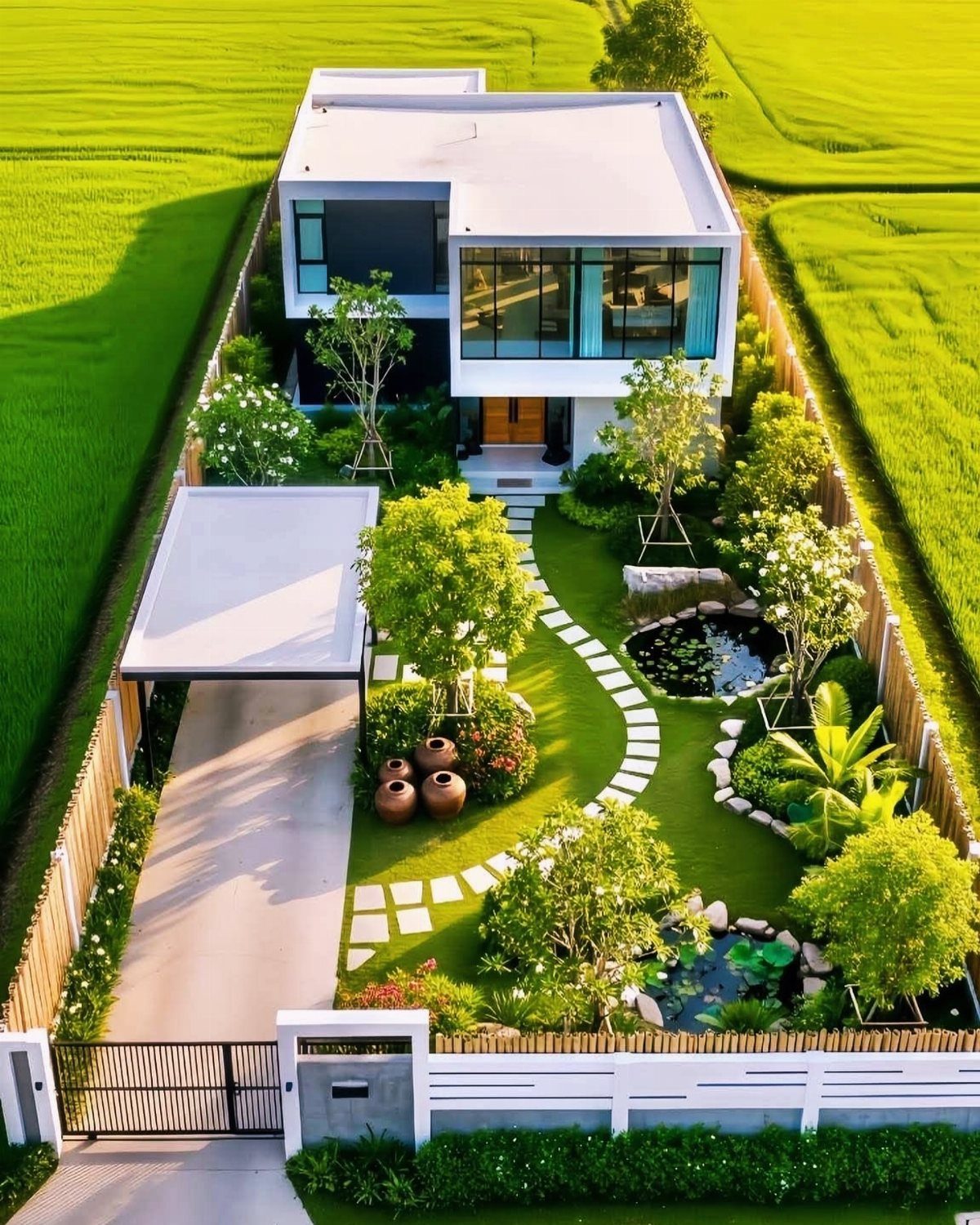
Gravel paths cost less than pavers and look more at home on large land. Stone set in lawn looks formal, but crushed gravel handles water better and costs less to maintain on long acreage routes.
A width that handles wheelbarrows also lets two walk side by side without stepping off the path. Landscape fabric under crusher run or decomposed granite keeps weeds down; these materials bind and stay put underfoot, unlike loose pea gravel.
Edge with rock or metal if the path curves through planting beds, or let grass encroach for a more informal line where it crosses lawn.
Connect the places you actually go: garden to compost, garage to back door, house to the spot with the good sunset view. A path that goes nowhere gets ignored and weedy.
4. Drip Irrigation

Drip irrigation saves water on large plots by putting it exactly where roots are. Bottles and tubing can feed young plants in rows until a permanent system goes in.
A proper system starts with zones. Divide your property by plant type and water need: vegetable beds on one valve, lawn on another, shrubs on a third.
For beds, run 1/2-inch poly tubing as the main line, then punch in 1/4-inch micro-tubes with small sprinklers or drip emitters at each plant.
For lawn, bury PVC with pop-up heads spaced for full coverage; an irrigation supply store can map this for you.
Smart controllers and soil moisture sensors help, but manual lever valves work fine if you check the ground before you turn anything on.
5. Water Features
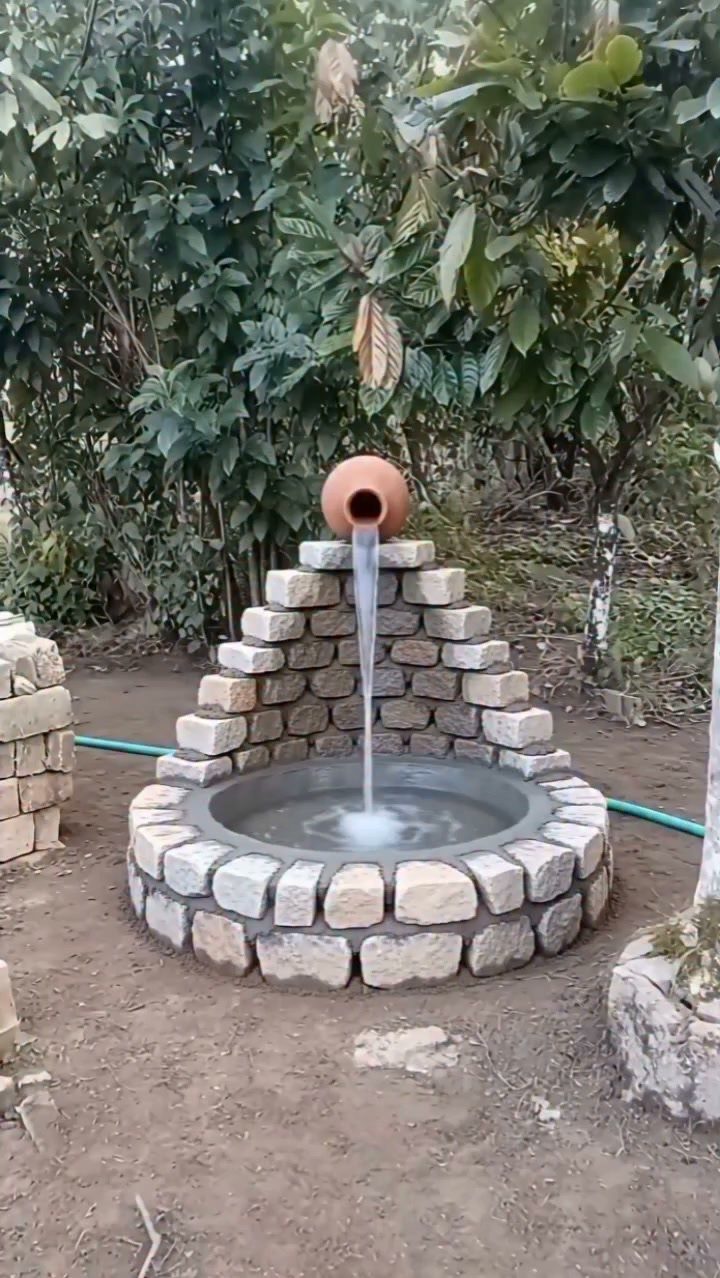
A fountain or pond gives large land a center of gravity, something the eye travels to across open space. A recirculating pot pouring into a stone basin needs no plumbing tie-in, just a small pump and a grounded outdoor outlet.
Ponds can start as drainage solutions. One property owner I read about hit an artesian well while excavating for fill dirt; the resulting pond now feeds a creek running through the land.
If you have wet low spots, a constructed wetland or reflecting pool can handle runoff instead of fighting it.
I would build above grade before I dug. A lined basin with a recirculating pump is easier to maintain than an earth-bottom pond, and you move it if the first location turns out wrong.
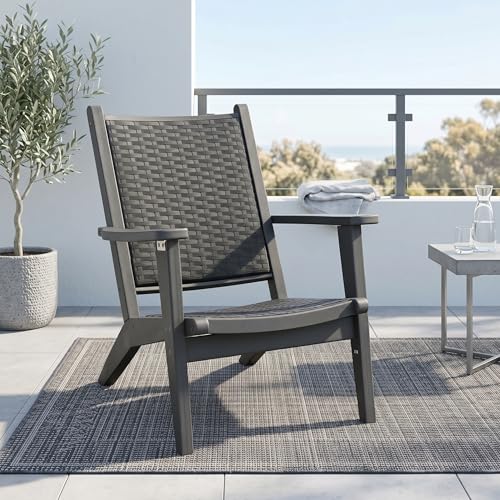
【 Complete 2-Piece Set – Chair + Matching Side Table】This set includes one oversized wicker adirondack chair and one HDPE side table (same durable material). The table is the perfect height to hold drinks, books, or a fire pit snack tray. No need to buy separately – ideal for creating a cozy outdoor conversation nook on your patio, deck, or balcony.

🍧【HEAVY DUTY】Our outdoor backless benches for fire pits are made of heavy-duty iron with a smooth, non-toxic coating. The T-shaped structure makes the fire pit benches more sturdy, with a maximum weight capacity of up to 300 lbs.
6. Shade Gardens
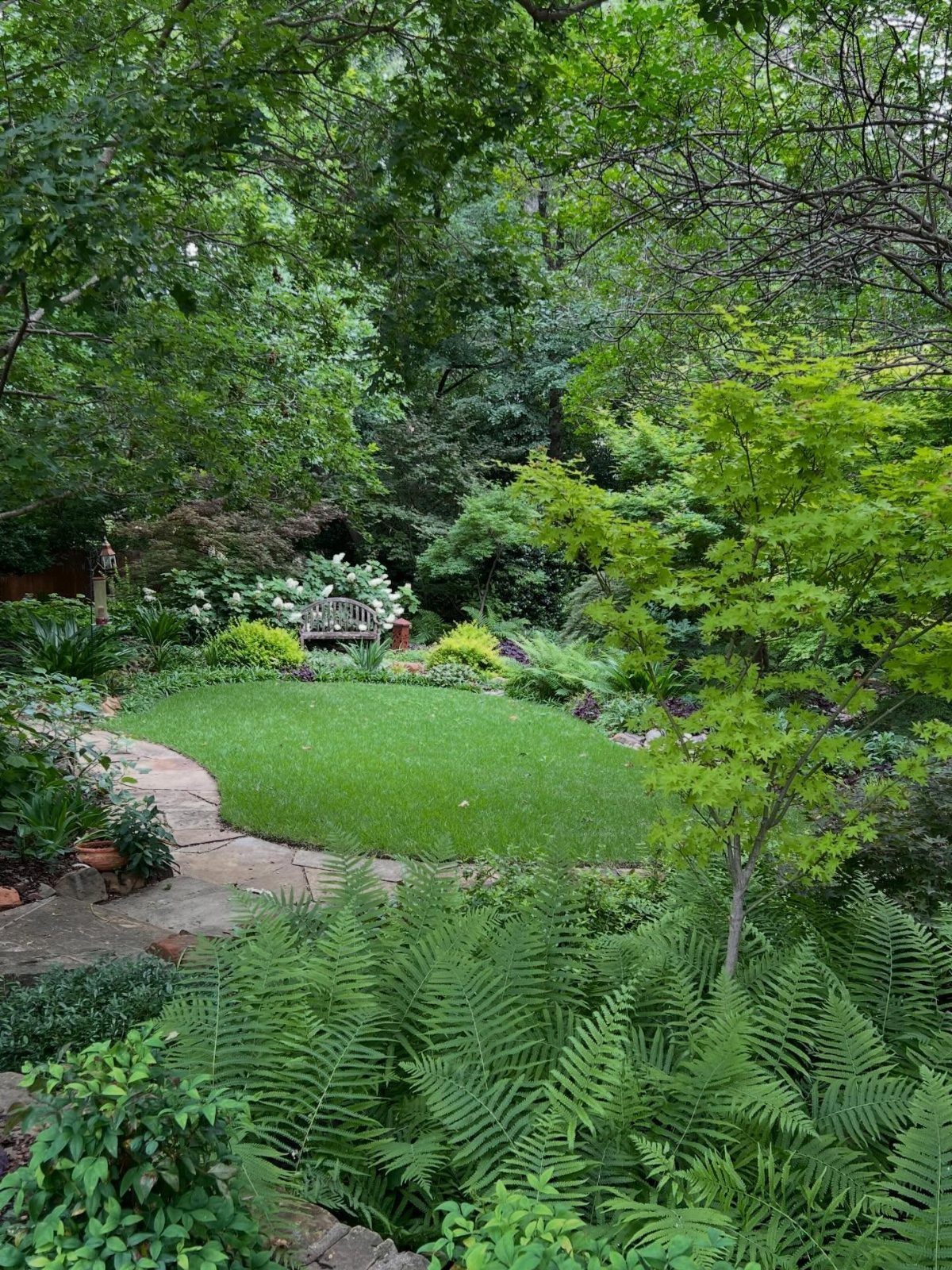
Shade is not a problem to solve but a condition to plant for.
Shade-loving perennials need less water than full-sun plantings, which matters on acreage where you may not hand-water daily.
Ferns, hostas, and woodland asters build layers under existing trees without the turf struggle that comes from trying to grow grass where light is thin.
I would walk the property in mid-afternoon and mark where shadows fall in summer. Those are your shade garden sites.
Improve soil with compost before planting; tree roots compete for nutrients and water, and new plantings need a head start. A bench placed where you already stop to rest makes the garden feel finished before it is.
7. Swimming Pool

A pool on acreage can anchor the outdoor space the way a fireplace anchors a living room.
In-ground concrete or gunite lasts decades and takes any shape, but above-ground models with a built-in deck cost less and move with you.
A natural swimming lagoon, filtered by plants instead of chemicals, needs more square footage but less mechanical upkeep; it suits land that already holds water or slopes toward a wet bottom.
I would map summer sun patterns before breaking ground. A pool in full afternoon sun stays warmer but needs more chlorine; partial tree cover cuts both cooling and leaf litter.
Check setback rules and utility lines early. Rural counties often allow more flexibility than city code, but well placement and septic fields still constrain where you dig.
8. Native Gardens
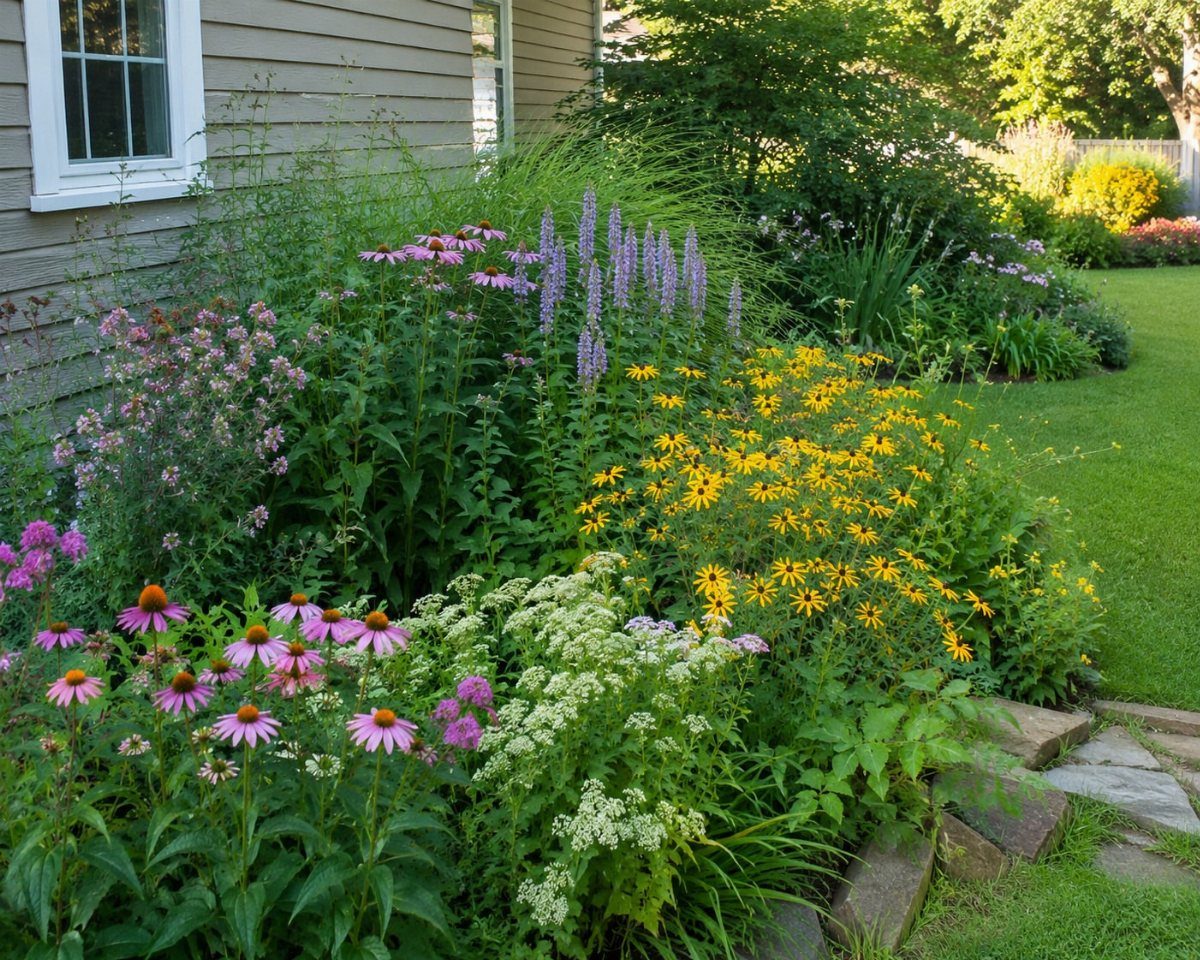
Local plants handle local weather without the fuss of imports that need soil amendments, extra water, or winter protection.
Coneflowers, black-eyed Susans, and native lavender relatives feed pollinators through summer and return each spring from established roots.
Grouped in masses of one species, they read as intentional even when the maintenance is minimal. A stone edge keeps lawn grass from creeping in and gives the bed a finished line without formal pruning.
Privacy planting with native shrubs or fast-growing evergreens creates a living screen where a fence would look industrial. Layer tall canopy trees, mid-story understory, and ground cover so the border reads as woodland edge, not hedgerow.
Match the plants to your specific soil and light, not just your USDA zone. A county extension office lists what grows wild nearby.

Low-Voltage Transformer with Photocell Sensor: ETL-certified 300W low-voltage transformer safely converts 120V AC to 12/14V AC, ensuring stable power for outdoor LED and halogen lights, including path, spot, deck, and string lights, enhancing outdoor night-time charm

[APP & Voice Control] Effortlessly manage your landscape light transformer with DEWENWILS APP; utilize Alexa and Google Assistant for automated lighting via smartphone or voice commands; No hub needed (supports 2.4GHz only)
9. Wildflower Meadows
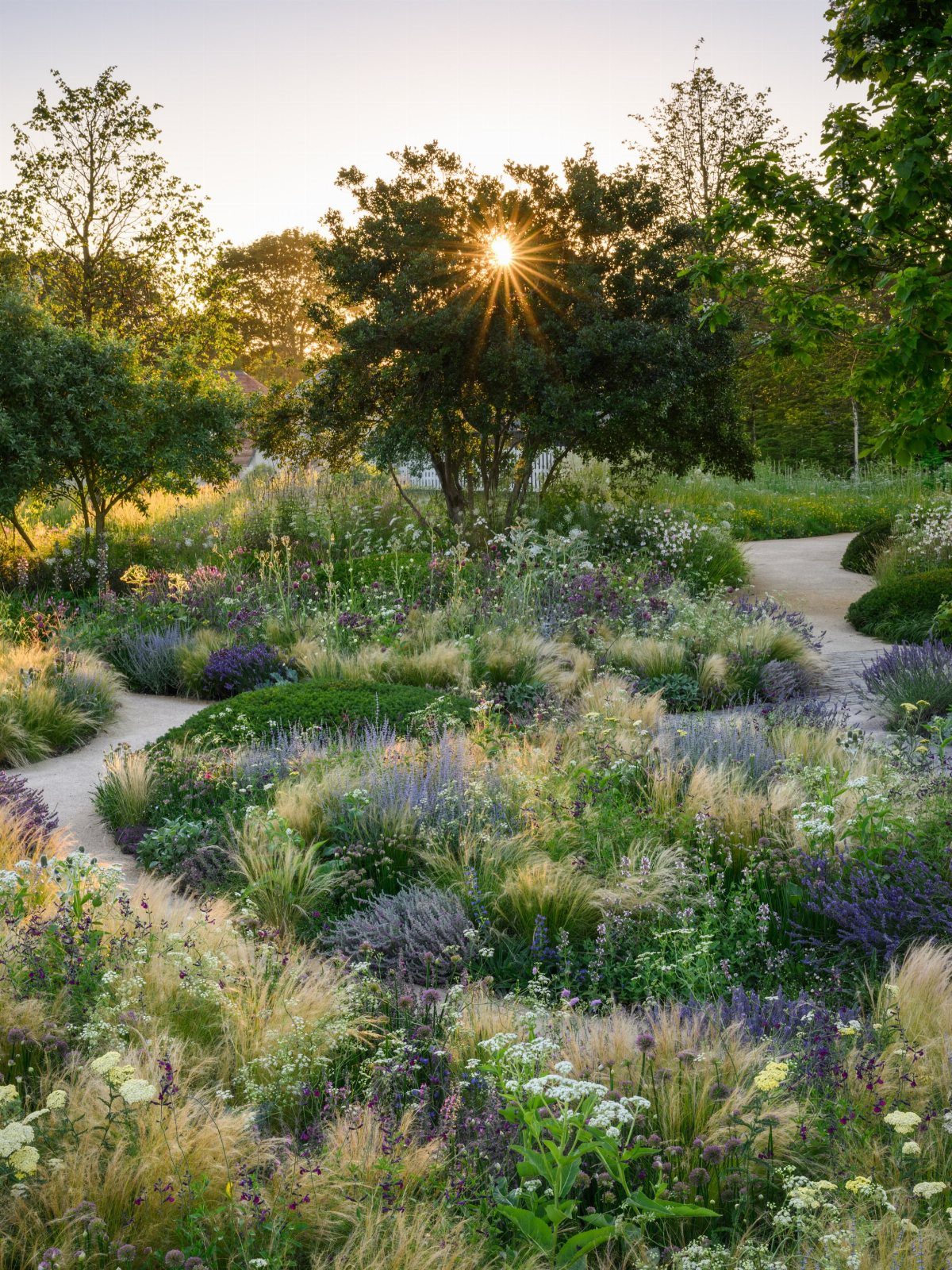
Meadows suit the parts of a large property you do not walk daily: the far slope, the buffer along the road, the zone between lawn and woods.
A mix of native grasses and perennial wildflowers takes time to establish, then needs only one cutting late in the season to knock back woody seedlings.
Curved paths mown through the planting let you move through the space without maintaining it as lawn. The grasses provide structure after blooms fade; little bluestem or Indian grass hold their shape through winter.
Order seed by the pound from regional suppliers, not generic "wildflower mix" packets.
Local ecotypes germinate more reliably and support the insects that birds feed their young. Scarify the soil lightly, sow in late fall, and accept that year one looks weedy before the perennials establish.

Each pack includes 10 steel edging panels (40 inch length each, covering 33 feet total), including 2.5 inch underground stakes for strong anchoring, leaving 2 inch above ground for a clean landscape edging.

Generously Size:Measuring 6FT in length and 17 inches in width,these garden walkway provides a full 6' of length to let you cover more ground in an instant,brings sufficient area for you to walk through!This is the most convenient and cost-effective tool to create the elegant and exotic hardwood deck that you have always dreamed of!Design a multifunctional pathway,or charming landscape decor with our roll-out wood garden walk-way,add instant and rustic touch to your outdoor surroundings

Easy DIY Landscape Upgrade: Create garden paths, backyard walkways, patio access, and outdoor play areas with lightweight Redu-material stepping stones that install quickly without digging or tools.
10. Fruit Trees
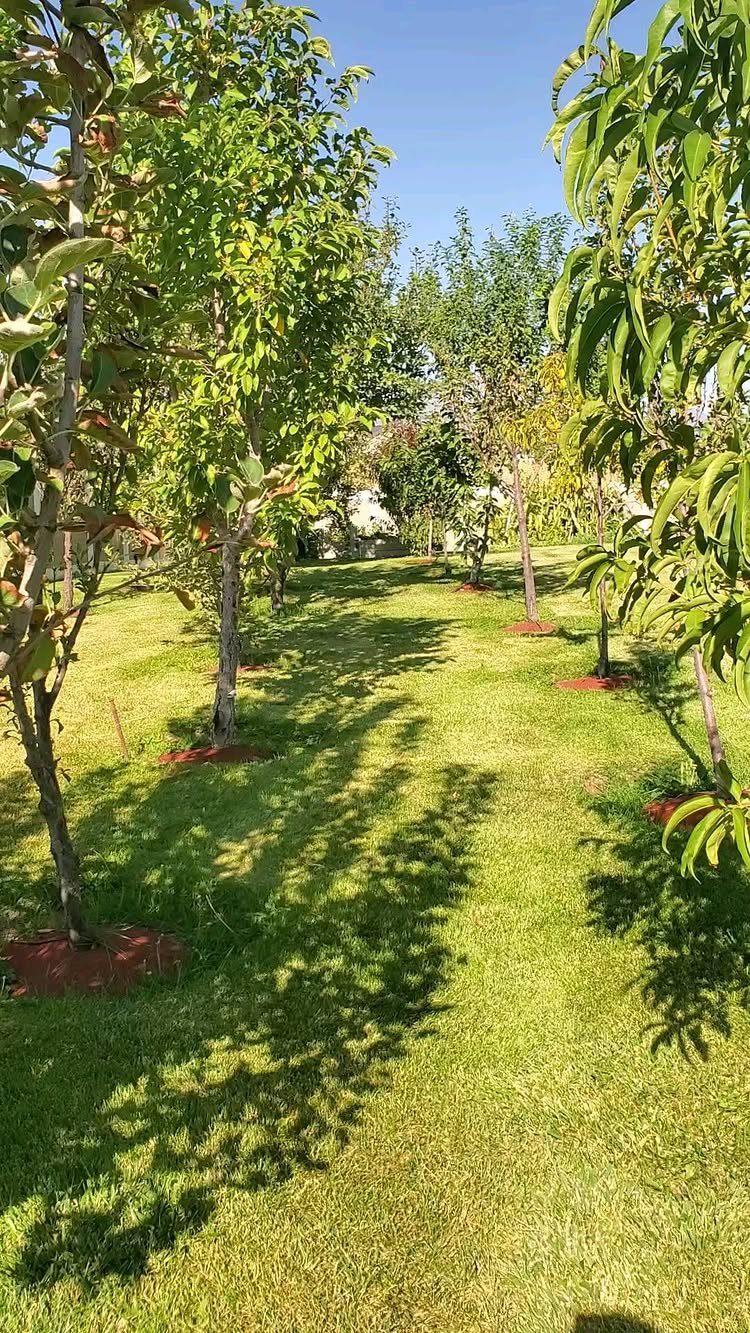
Fruit trees give spring bloom, summer shade, and fall harvest on the same plant.
Apple, pear, and Asian plum handle most continental US climates; figs and citrus need winter protection outside the South.
Two varieties of the same species, or a compatible pollinator, set more fruit than one tree alone. Crabapples flower as heavily as any ornamental and feed birds with small fruit you are not picking.
Space trees for mature width, not nursery size.
Standard apples need serious room; dwarfs on Malling rootstock stay compact and fruit sooner. Mulch rings keep mowers back and hold soil moisture through dry spells.
I would plant for succession: early cherries, mid-summer peaches, late apples, so something is always ripe.

STURDY & DURABLE: FOOWIN Adirondack chairs are crafted from high-quality, upgraded HDPE (High-Density Polyethylene). They feature colorfastness, fade resistance, waterproofing, and corrosion resistance, making them unaffected by harsh weather conditions. This ensures they remain beautiful and durable for many years to come.

Durable and Eco-friendly Material:Made from high-quality HDPE material, our Adirondack chairs are built to withstand all four seasons and extreme climates, including scorching sun, heavy snow, torrential rain, salt spray, and strong winds. They outperform chairs made of PS or wood in terms of durability and resistance to wear, and they are not prone to fading, chipping, cracking, peeling, or rotting, making them perfect for outdoor use.

ALL-WEATHER PERFORMANCE: Constructed from Genuine POLYWOOD infinitely recyclable lumber, ClimateTuff durable material that stands up to moisture and temperature extremes and isn't prone to cracking, peeling, or chipping. Perfect for a firepit.
11. Hanging Baskets
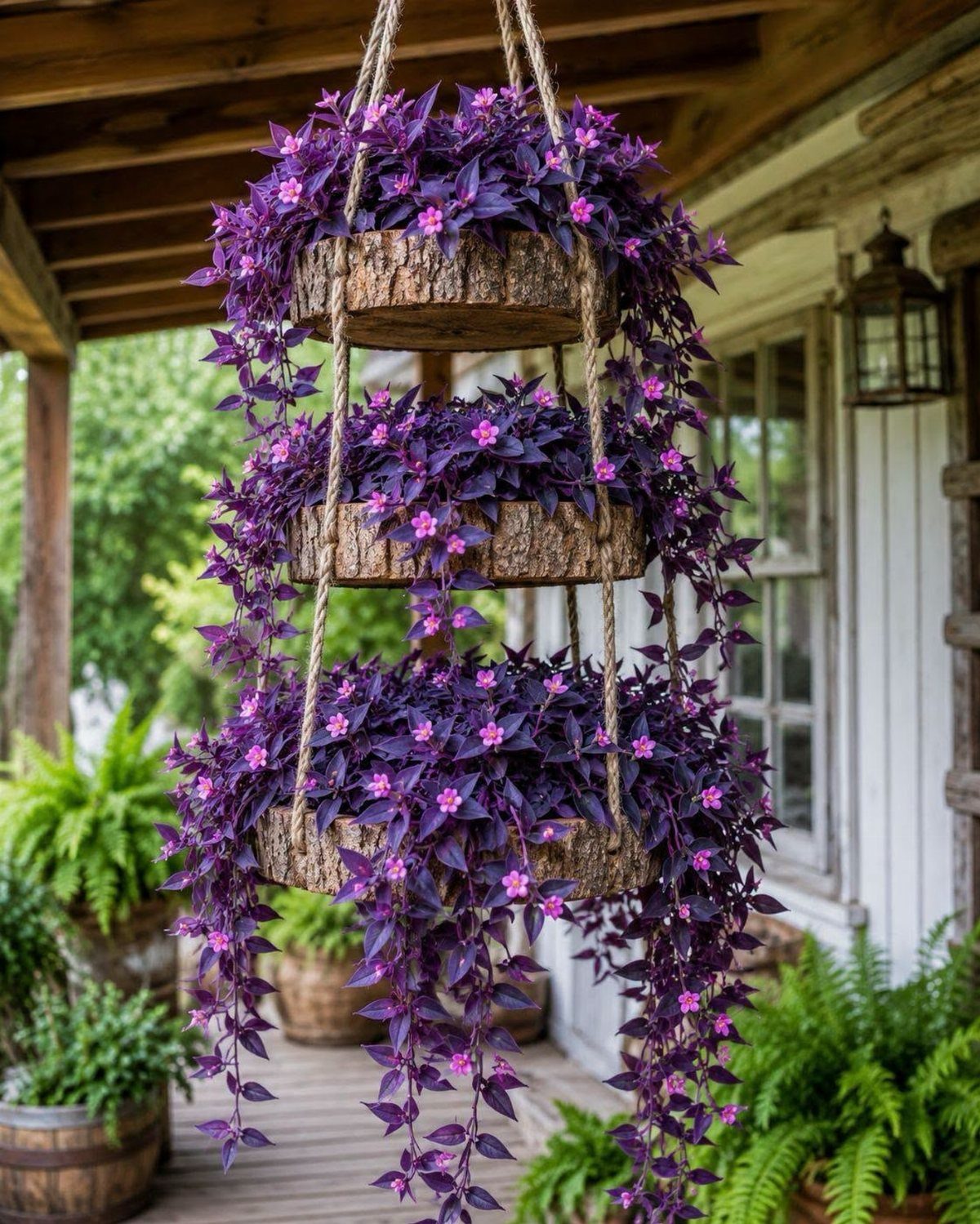
Log-slice planters suit rustic porches; wire or ceramic versions match cleaner architecture.
The mechanics matter more than the material. A basket dries from all sides, so liner choice controls how often you water: coco fiber breathes but loses moisture fast, plastic or impermeable liners hold it longer.
Trailing plants spill downward and soften the container edge; a mounding center plant fills the top. Dead-heading spent blooms weekly extends the show, and every-other-day watering in summer heat is non-negotiable.
Hanging planters draw the eye to doors, windows, or posts you want noticed. Clustered between porch posts, they create rhythm the way fence pickets do; one large basket at the peak of a gable reads as punctuation.
12. Multi-level Decks
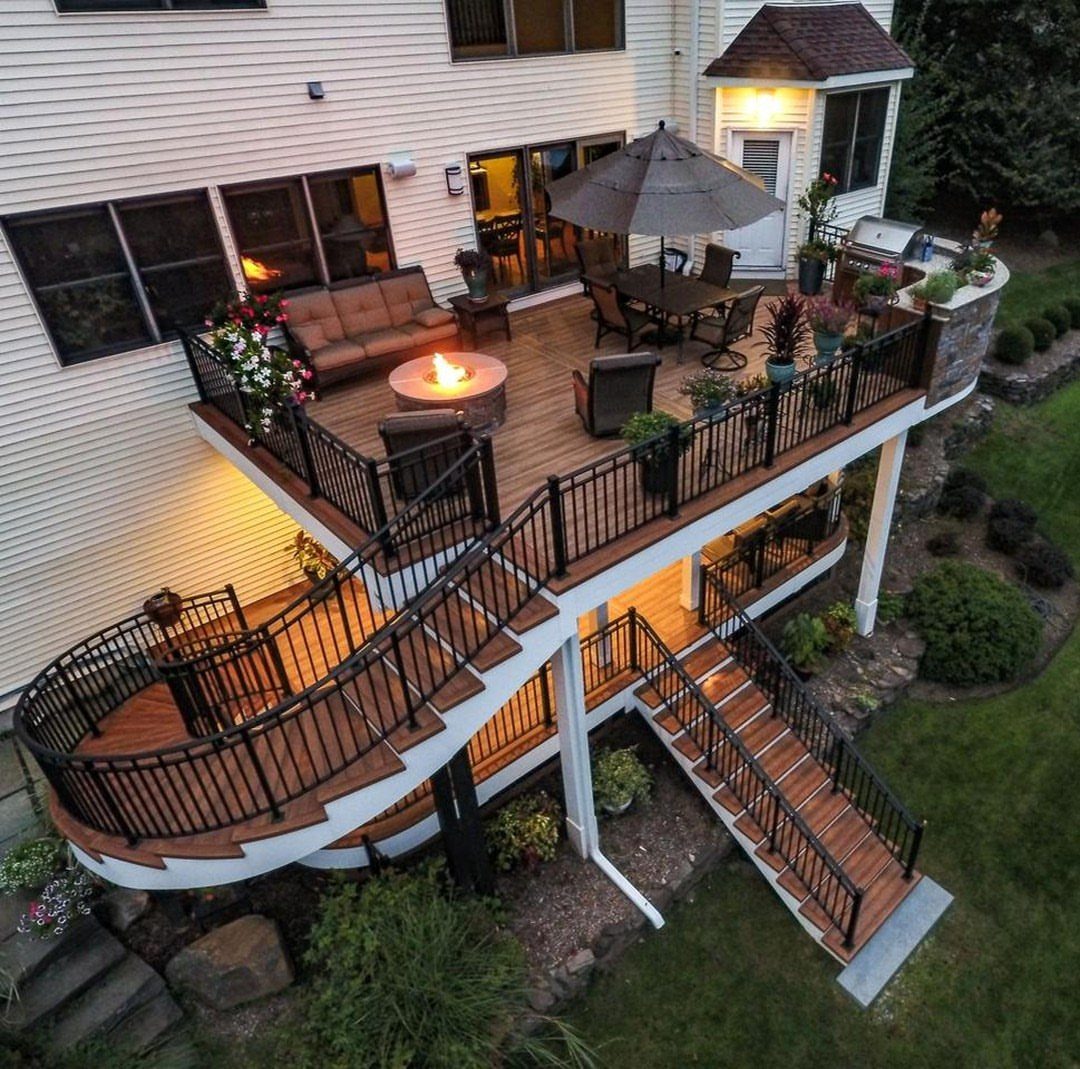
2 levels split a large deck into rooms without walls.
The upper tier catches breeze and view, with room for a dining table, fire pit, seating, and grill; the lower level grounds the space for quieter moments away from the heat and smoke.
Wide stairs between them function as extra seating when parties spill over. Black railings disappear visually and meet code without blocking sightlines.
Pressure-treated framing with composite decking boards skips the annual staining cycle. Footings must reach below frost line; on sloped acreage, that means varied pier depths and possibly a retaining wall on the downhill side.
A covered zone under the upper deck needs planning during construction: proper flashing, slope for drainage, and enough headroom for comfortable use. Adding it later means dismantling decking.
13. Palm Tree Garden Beds
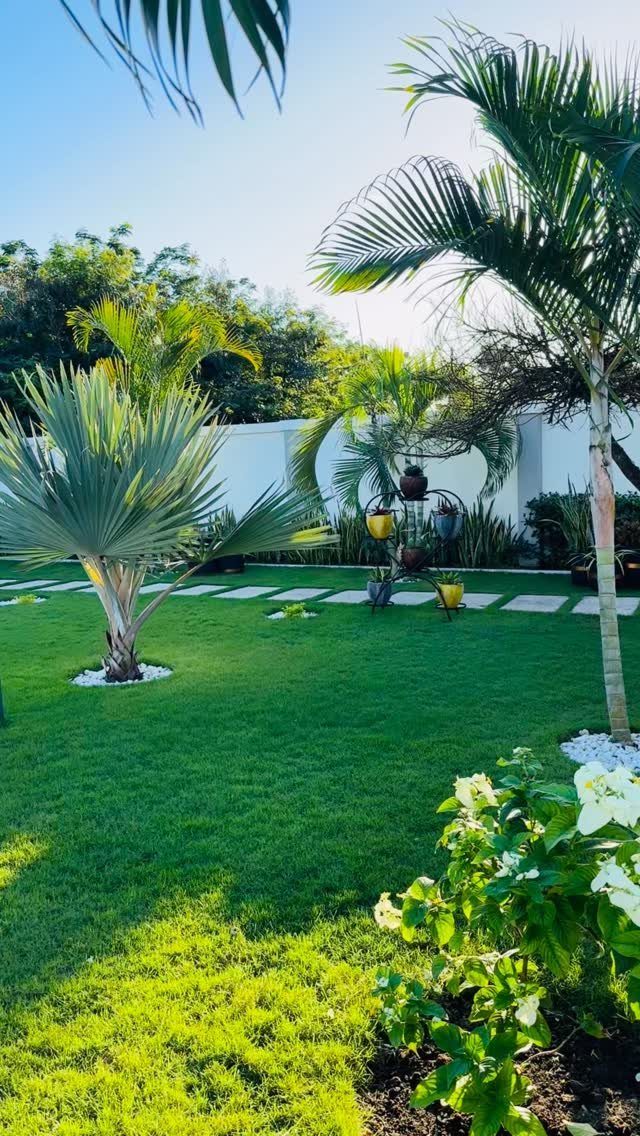
White pebble rings around palm trunks keep mowers back and let air reach the root flare. On acreage, this reads as intentional without the maintenance of flowering beds at every tree.
Check your palm species for cold hardiness before you plant; most need zone 8 or warmer, and winter protection for younger trees is not practical at scale.
The pebble layer should sit shallow, just deep enough to cover the soil, and open at the trunk so moisture does not collect against bark.
Stepping stones through the lawn let you walk the space without wearing paths in the grass.
14. Mulched Mixed Shrub Borders
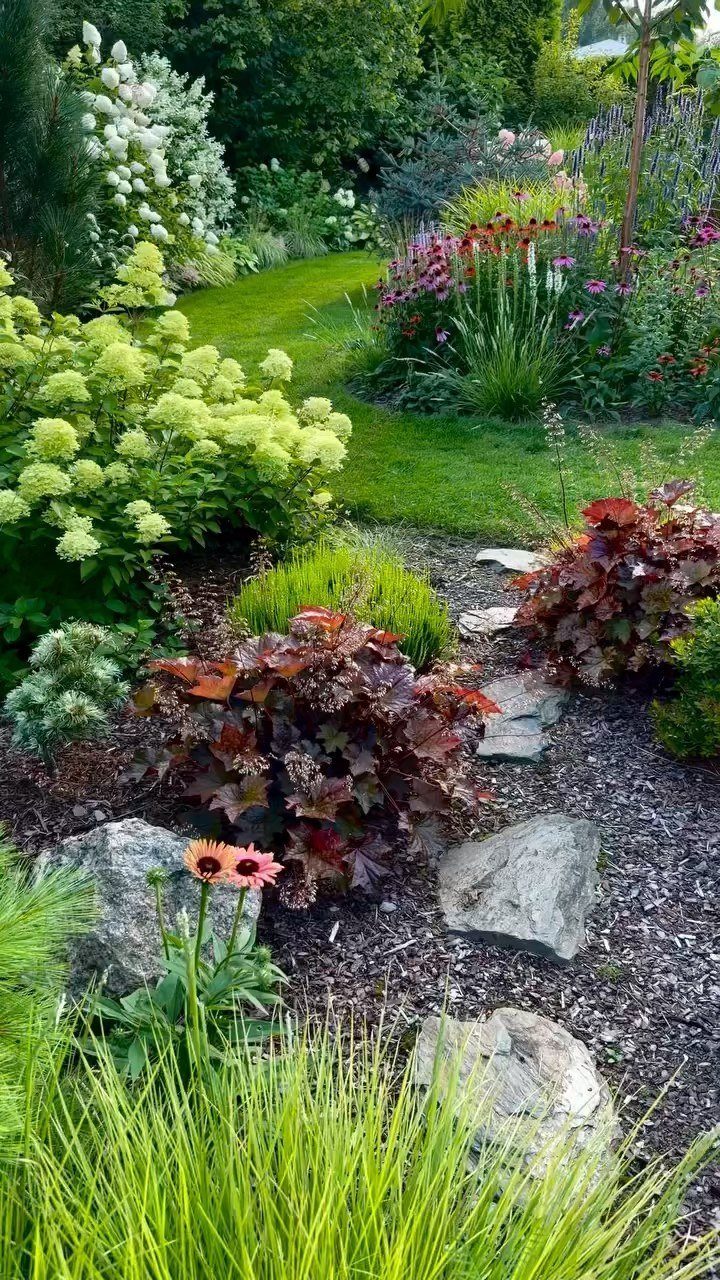
Dark wood mulch over a wide border suppresses weeds and unifies mixed plantings into one statement. Large rocks placed among shrubs break up the mulch expanse and give winter structure when flowers are gone.
Heuchera, hydrangea, coneflower, and grass blend foliage texture and staggered bloom without demanding a formal plan.
The curve follows the lawn line; a hose laid on the ground lets you test the shape before you cut. Replenish mulch every other spring, and let shrubs grow to their natural width rather than shearing them into submission.
15. Dedicated Cut Flower Garden

Rows of ranunculus in a dedicated bed give you flowers to cut without stripping the landscape beds that face the road.
Plant corms in fall for spring bloom, 2 inches deep and spaced well apart in well-drained soil.
The bed wants full sun and, on acreage, protection from the worst wind; a fence line or the lee of a shrub border works. Succession plantings at regular intervals stretch the harvest window.
Cut stems in early morning when buds are colored but not fully open; they last longer in a vase that way. Let foliage yellow before you pull it, or the corms will not size up for next year.
Planning in Phases
Start with the ground closest to your door and push outward one season at a time. On acreage, the temptation is to scatter projects across the whole map, but disconnected beds and half-finished paths read as neglect from the house.
A finished zone near the home gives you somewhere to rest visually while the next phase waits.
I would mark the year’s boundary with temporary stakes or a line of cheap annuals, so the unfinished ground looks intentional rather than forgotten.
Each phase needs its own irrigation rough-in before you backfill; running pipe across established lawn or meadow is harder than doing it while the soil is open.
A phased plan spreads the work and the cost across several years instead of cramming it into one season.
A fire pit and its seating circle might be year one. Paths to connect it to the house, year two.
The meadow or orchard you can see from that new seat, year three. The view pulls you outward, but your labor should not.
Maintenance Strategies
Acreage divides into maintenance zones the same way it divides into planting zones.
Near the house, where you walk daily, beds need the same attention they would on a city lot. Farther out, meadow and woodland edge can run on intervention only when something invades.
Ride-on mowers and brush cutters handle the middle distances that would break a walk-behind in an afternoon.
For very large parcels, hiring out periodic mowing or tree work beats buying and storing machines you only run a few times a year.
I would budget for outside help on tasks that need specialized equipment or safety gear you do not already own.
Rotate seasonal tasks instead of loading everything into one month.
Leaf removal, bed edging, and pruning spread across fall, winter, and early spring. Regular inspection for pests and invasive species matters more on large land, where problems can establish across a season before you notice them from the house.
Soil Health Improvement
Mulch does more than tidy the surface.
Spread broadly under trees and through beds, it holds soil moisture, suppresses weeds, and breaks down to feed the structure beneath. On acreage, where hauling water by hand is not practical, that moisture retention matters.
Wood chips or shredded bark applied 2–3 inches deep need replenishing every other spring. Do not pile against trunks; the root flare wants air, not rot.
Soil testing every few years catches what mulch cannot fix. County extension offices run basic tests cheap, and the results tell you whether to add lime, sulfur, or specific nutrients.
Acreage soil varies across the property, so sample from zones separately: the vegetable ground, the shrub border, the area you are considering for fruit trees. Amend where the test says to, not blanket-application across land that does not need it.
Avoiding Common Mistakes
The common mistake is planting for the day of installation, not for year ten. A nursery shrub looks right spaced 3 feet from its neighbor, but at mature width those same plants crowd the foundation and block windows.
Open space in front of the house lets the architecture read against the land instead of disappearing into green bulk.
Work with the slope and soil you have. Regrading acreage is expensive, and creative planting around a wet low spot or a rocky rise usually outlasts the engineered solution.
Consider the aerial view.
Neighbors, drones, and passing aircraft see pattern and mass from above; clashing shapes or scattered, tiny beds read as noise. Plant in larger blocks than you would on a small lot.
Most importantly, build in maintenance you will actually do.
A design that needs hand-watering daily or shearing weekly looks good until June, then goes feral. Drip zones, meadow seeding, and the other choices here are picked to survive without a crew.
Frequently Asked Questions
What is the 3-5-7 rule in landscaping?
The 3-5-7 rule is about grouping plants in odd numbers for visual balance, not about spacing them at set distances. This spacing gives each plant room to reach mature width without crowding.
The 3-5-7 rule means spacing fruit trees for their mature width and letting shrubs grow to natural size rather than shearing them: plan for the plant at year ten, not the day it goes in the ground.
What are some good landscaping ideas for a 5-acre yard?
Start with a master plan that maps your land into functional zones and connects them with gravel or decomposed granite paths.
Divide the property into layered planting zones such as meadow, woodland edge, formal garden, and orchard, each with its own character but tied to the overall plan.
Use transition buffers of shrubs or grasses to soften the edge between maintained areas and wild land, and frame key sightlines toward ponds, hills, or treelines.
What are the garden design trends for 2026?
Sustainable practices, native plantings, and outdoor living enhancements are shaping garden design.
Native gardens that handle local weather without soil amendments or extra water, drip irrigation that puts water exactly where roots are, and outdoor living areas with fire pits and covered pergolas that extend usable hours into spring and fall.