An indoor green house room can mean an aquarium rescue or a glass-walled addition with permits and structural engineering.
Your space and light are what narrow it down. A 70 x 70 x 80 cm grow tent folds flat for off-season storage; a full conservatory is a room you already have or one you budget years for.
[link-whisper-related-posts]1. Greenhouse Cabinet
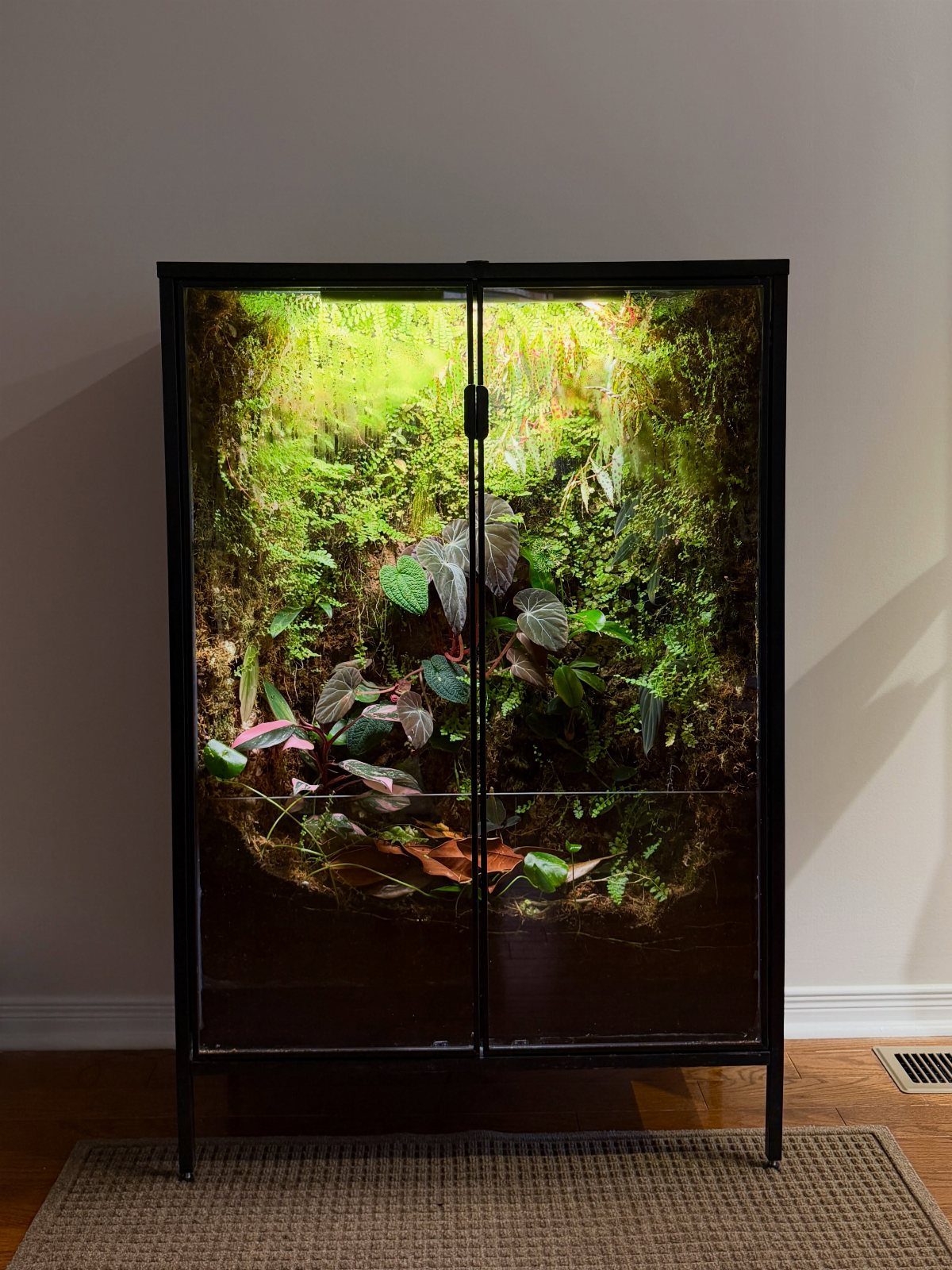
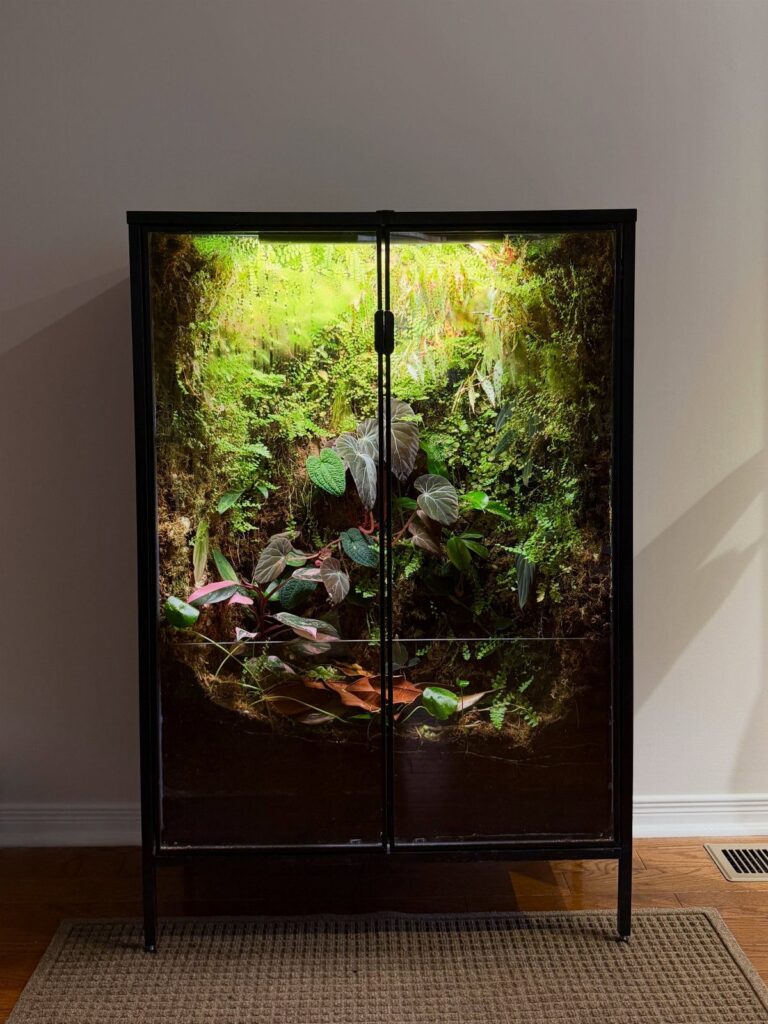
A glass-front cabinet with grow lights on each shelf turns storage furniture into a self-contained plant room.
I like this route for renters because the footprint stays the same; you are not asking a landlord to let you build anything in.
The only must-have is that glass front, so plants get light from the fixture and from the room. Secondhand cabinets work fine if the shelves hold the weight of pots, soil, and lingering water.
Line the interior with plastic sheeting or a shower curtain cut to fit; humidity will climb inside and you do not want it reaching the wood or the wall behind.
Small fans keep air moving so mold does not settle on leaves.
This version reads as decor from across the room. Guests see a cabinet; you know it is a greenhouse.
Well, such indoor glasshouses are back in vogue—no corsets required this time around—making way for year-round greenery. Having plants inside your living space creates a calming environment, purifies the air, and brings in nature.
2. Wall-Mounted Shelves Vertical Garden
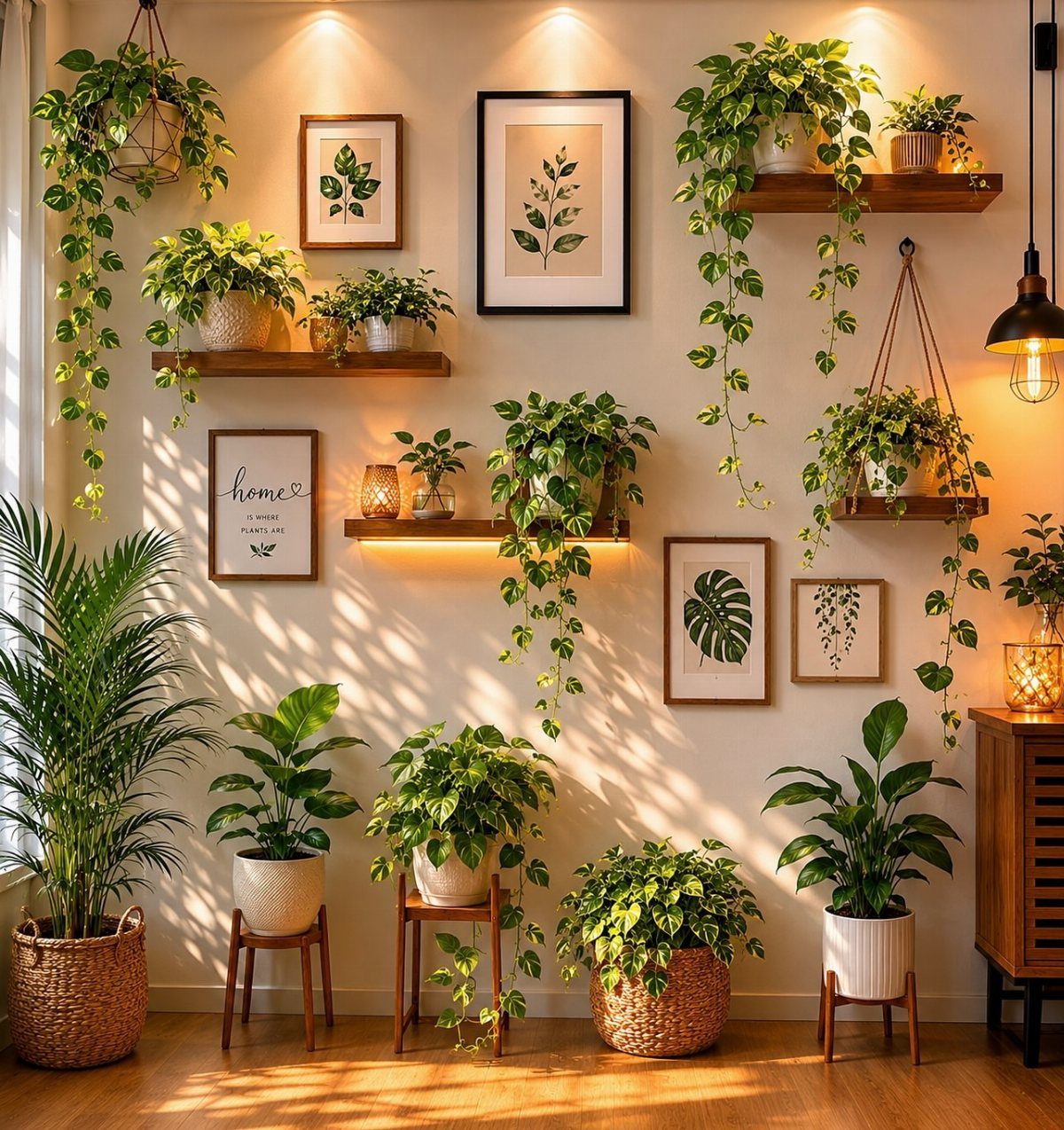
Wall-mounted shelves let a plant collection climb instead of spreading across floors and windowsills you do not have. Wood brackets, mixed pot sizes, and greenery at several heights let the wall itself do the garden work.
For renters, this is friendly damage.
A shelf at stud depth with a proper anchor holds more than you would guess, and when you move, you patch small holes instead of explaining a built-in. Hanging planters beside the shelves fill gaps without adding depth.
I would cluster plants by water need if you are the type who forgets which got drenched last.
A shelf of ferns and a shelf of succulents means no one sits in standing water or bone-dry soil because of a neighbor.
3. Aquarium Greenhouse
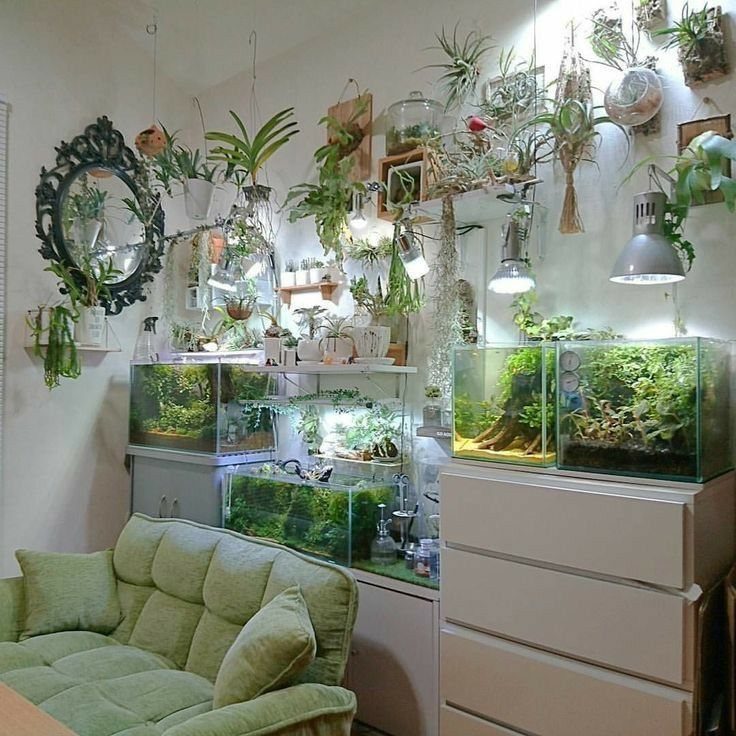
Old aquariums turn up free or nearly free because people buy them, empty them, and realize the thing is heavy and useless. That is your entry cost handled.
Clean it hard first; leftover fish scum is not a nutrient, it is a smell waiting to happen.
A layer of pebbles at the bottom gives drainage the glass cannot provide, then soil, then plants that like humidity and do not mind a view from all sides. Ferns and small begonias look right in there.
The plexiglass top is worth the hardware store trip.
It holds moisture in, and an aquarium with open water surface evaporates fast in heated rooms. Rocks and shells make paths or height if you want the terrarium look; simpler plantings work too.

Space-Saving Wall Plant Holder: This wall mounted plant holder frees up floor space while adding greenery to your living room, bedroom, kitchen, bathroom, balcony, or garden. Perfect for plant lovers who want a clutter-free, vibrant home
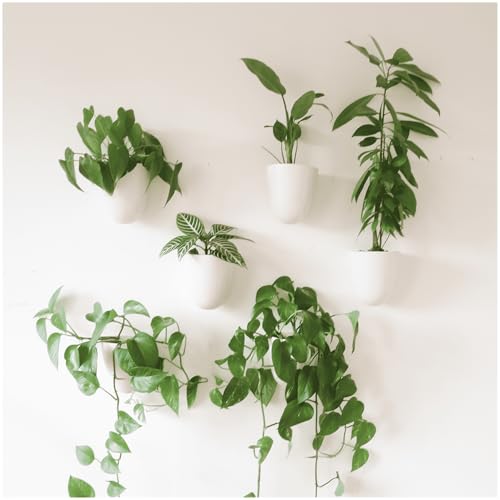
Self-watering system means you can often go weeks without watering plants
4. Shelf-Style Mini Greenhouse
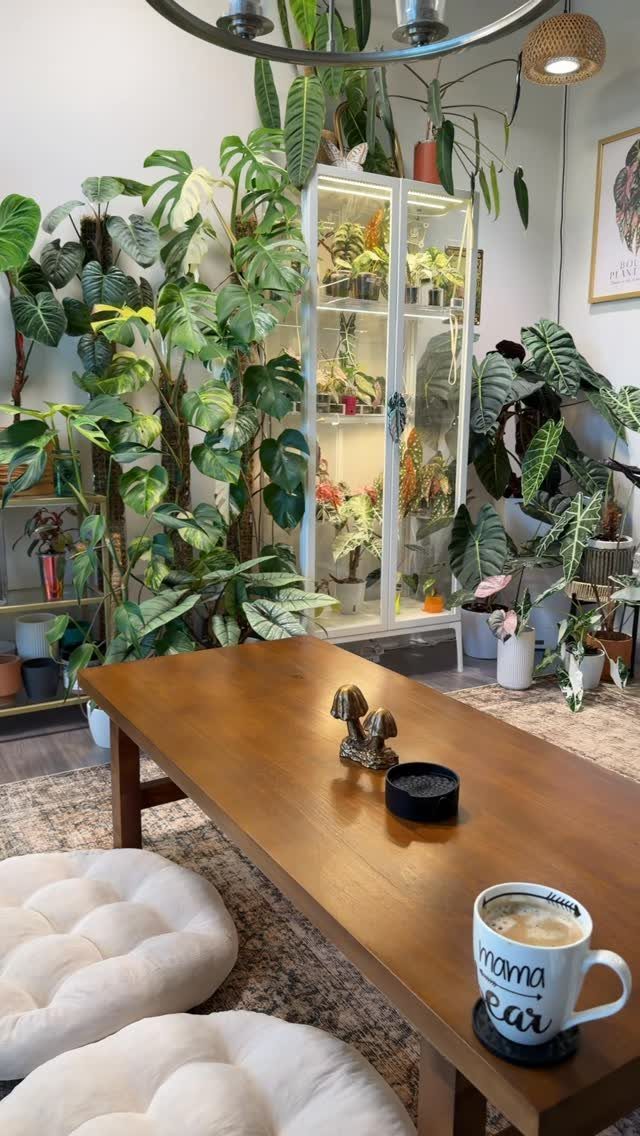
A glass-door cabinet is the budget indoor greenhouse: the enclosed shelves hold humidity around seedlings or herbs while the glass lets light through and the rest of the room stays normal.
The glass doors are the piece that turns storage into greenhouse. Without it, you have a plant stand; with it, you have a pocket of greenhouse climate you can roll up or remove.
I see this most often for starting vegetables when outdoor planting is still a ways off, or for keeping basil alive through a dry winter.
The tiers matter.
Seedlings on top under the light, hardening plants below, tools and pots on the bottom. Everything stays in one vertical column instead of spreading across the one windowsill that gets sun.
5. Glass Conservatory Sunroom Lounge
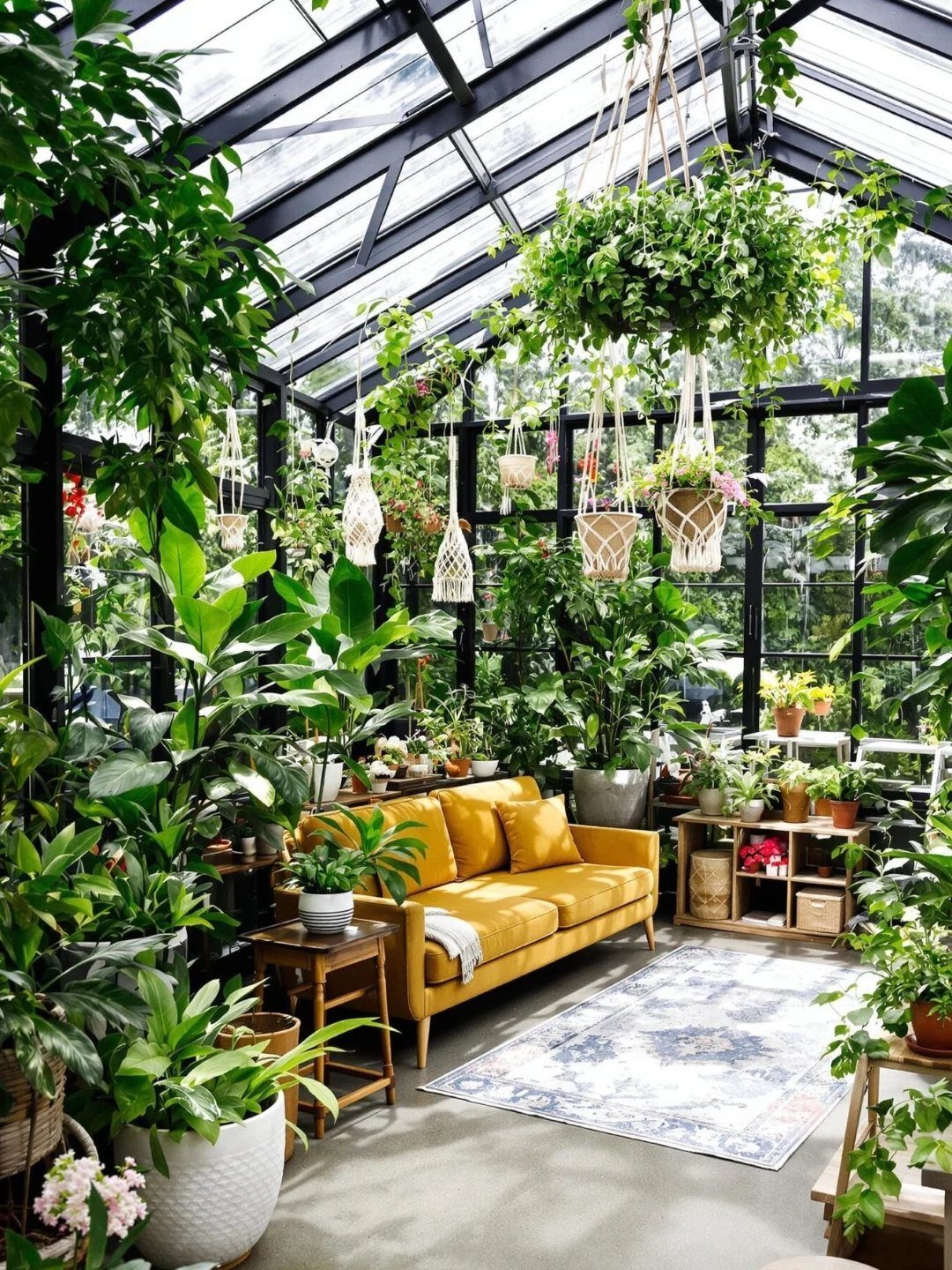
A glass conservatory sunroom lounge is the idea taken to architecture: glass walls, a glass roof, and enough floor space for a sofa to sit among the plants.
The result is a room that is greenhouse first and living room second.
This is not a weekend project. It is a room you have, or a major addition you budget for, with permits and structural load for the roof glass and the condensation that collects on it.
Before you commit, check whether your climate means that glass bakes in July and freezes in January; passive solar gain is a real factor in cooling and heating bills.
Some owners add retractable shades or vents, which changes the look but saves the plants and the utility budget.
6. Full Living Plant Wall
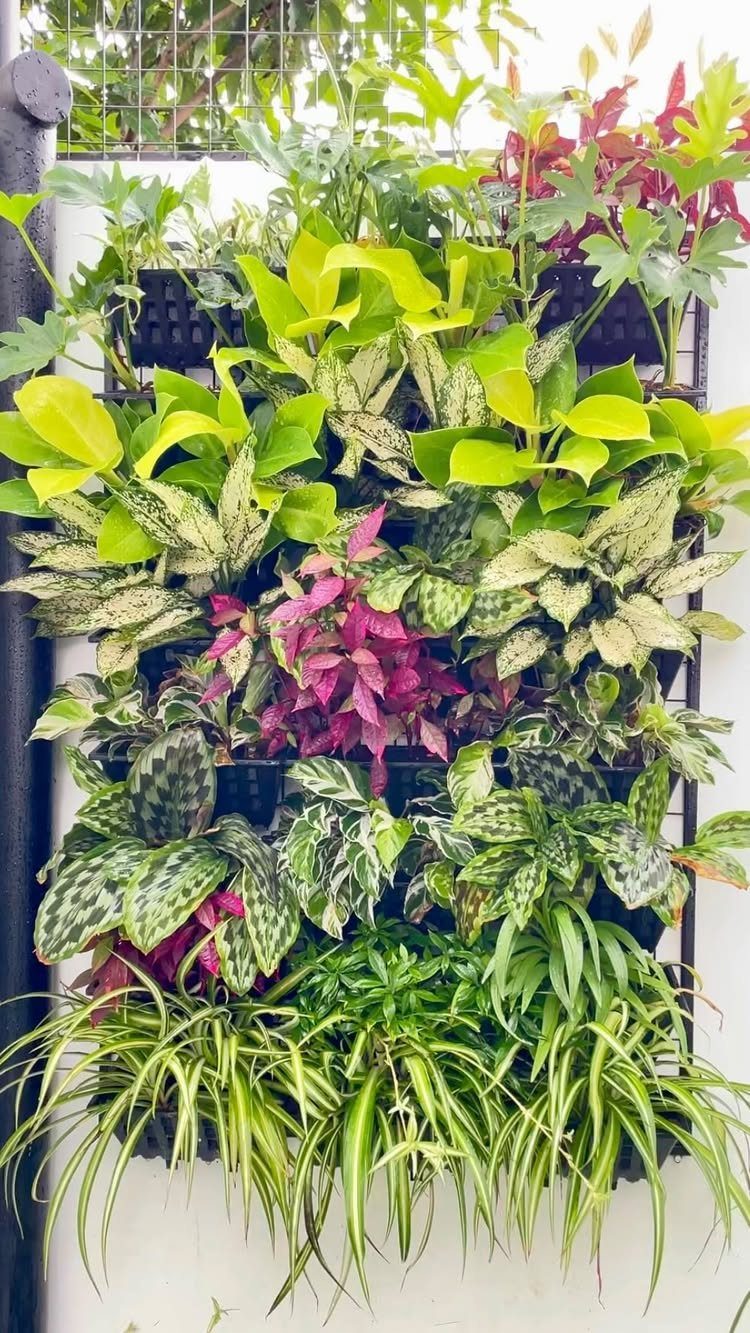
A full living plant wall mounts planter pockets to a frame and fills them densely so the wall itself reads as foliage. Black fabric pockets with tropical plants: spider plants trailing, aglaonema holding color, philodendrons filling gaps.
The weight is the first check. Saturated soil in that many pockets adds up fast, and the frame needs to hit studs or a purpose-built support, not drywall anchors.
Watering is the ongoing job; top pockets dry faster than bottom ones, and drip lines or a handheld wand with patience both work.
I would plan for plant replacement too, because interior light shifts with season and some pockets will underperform. The look is dramatic when it works, and maintenance is part of what keeps it working.
7. Indoor Courtyard Light Well
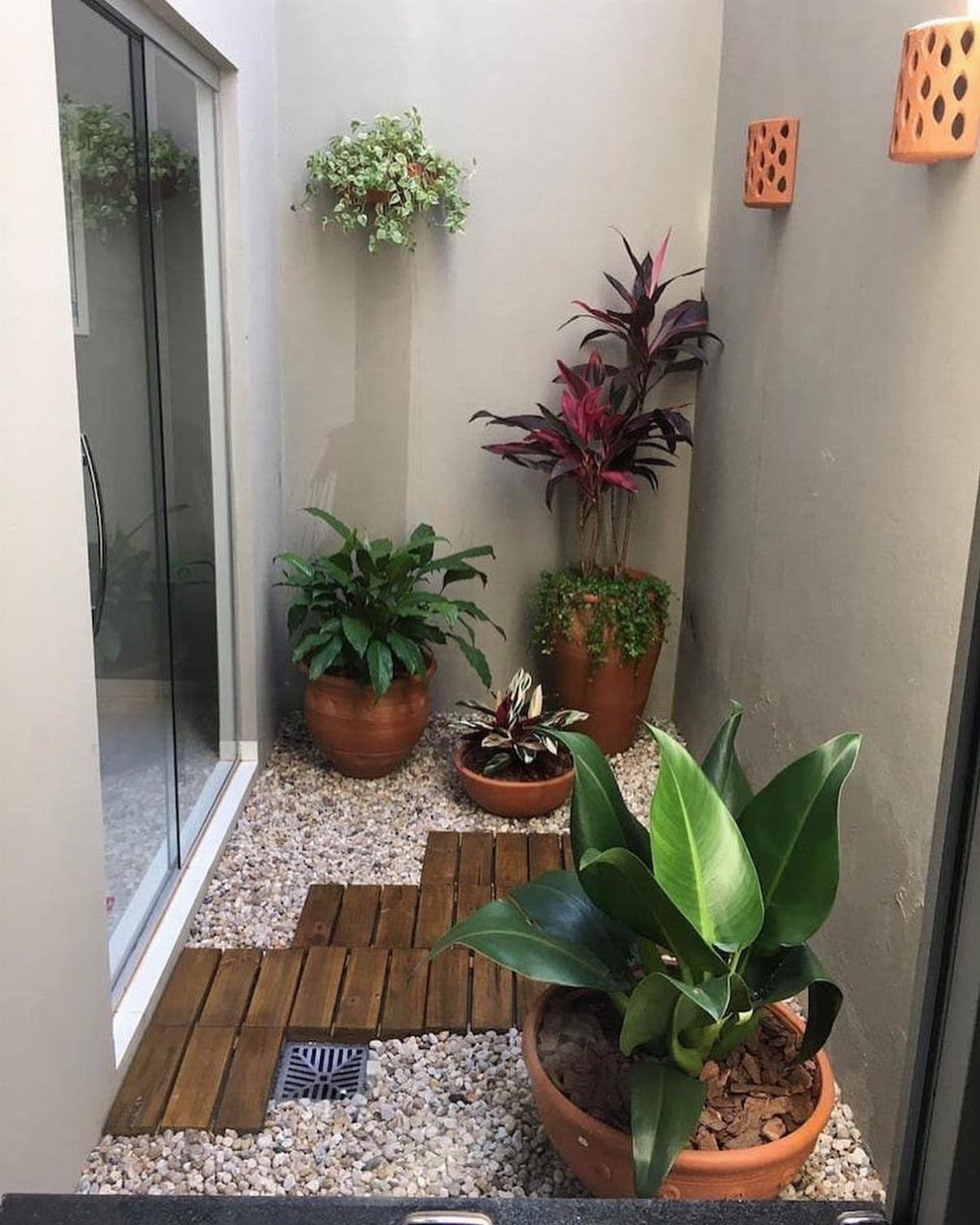
Gravel flooring and wooden deck tiles turn a light well into a small indoor courtyard you can walk through.
The drain beneath the tiles matters more than the tiles themselves; water has to go somewhere when you overwater or when humidity condenses on the walls.
Potted tropical plants keep the layout flexible, which you want in a space that may need reconfiguration for access or cleaning.
Check whether your light well has any daylight at all before choosing plants; ferns and trailing pothos handle lower light than succulents, and a dark shaft will starve anything.
No daylight means grow lights on a timer, and that changes the budget from landscaping to electrical.
8. Wooden Trellis Living Wall
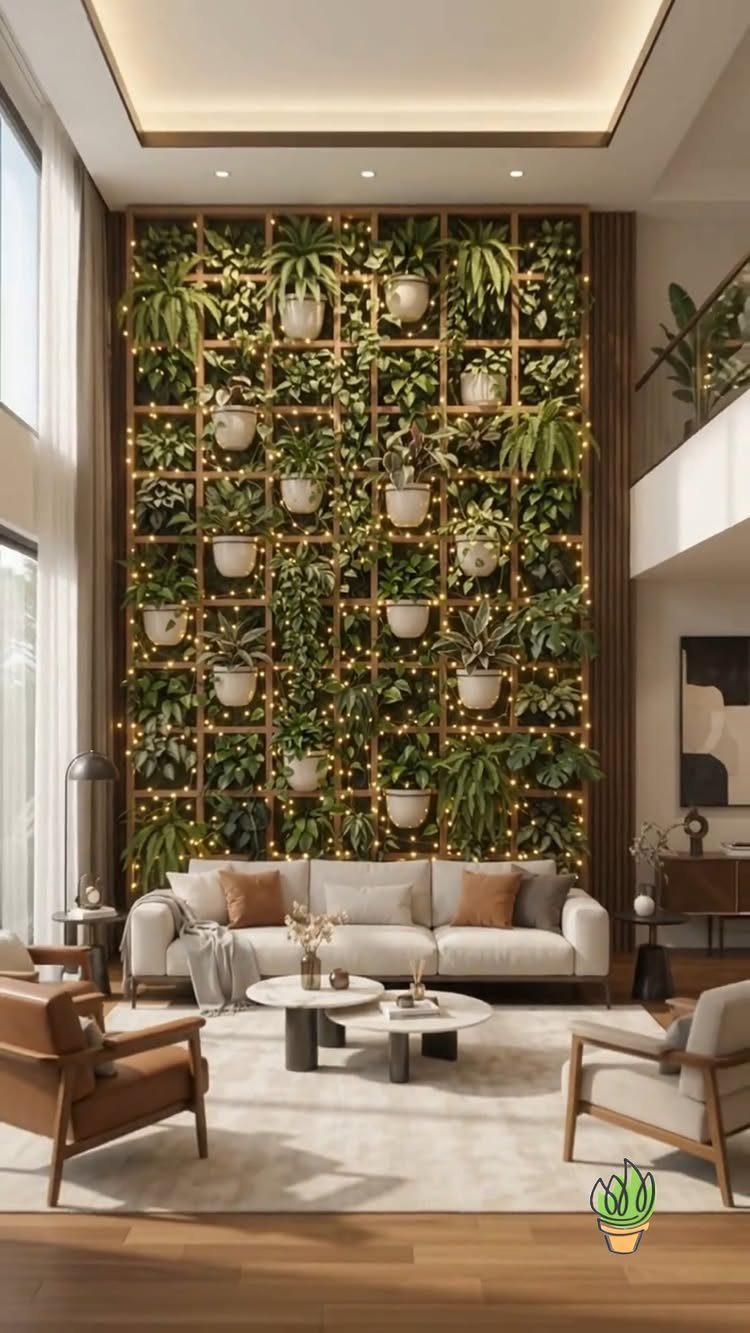
A floor-to-ceiling wooden grid gives potted plants a vertical structure without the weight of soil-filled pockets. Each pot sits in its own cell, so individual plants come out for watering or replacement without disturbing neighbors.
The fairy lights are optional but the grid spacing is not; pots need to clear the wood on all sides for air circulation.
Behind a sofa, this reads as architecture rather than storage, though you still need access for the inevitable drooping or dried plant.
I would mount the grid to studs, not the wall surface, because filled pots in a grid this size pull downward and outward.
Check whether your ceiling height makes the top rows unreachable; a trellis that tall is only useful if you can maintain it.
9. Window Plant Room Jungle
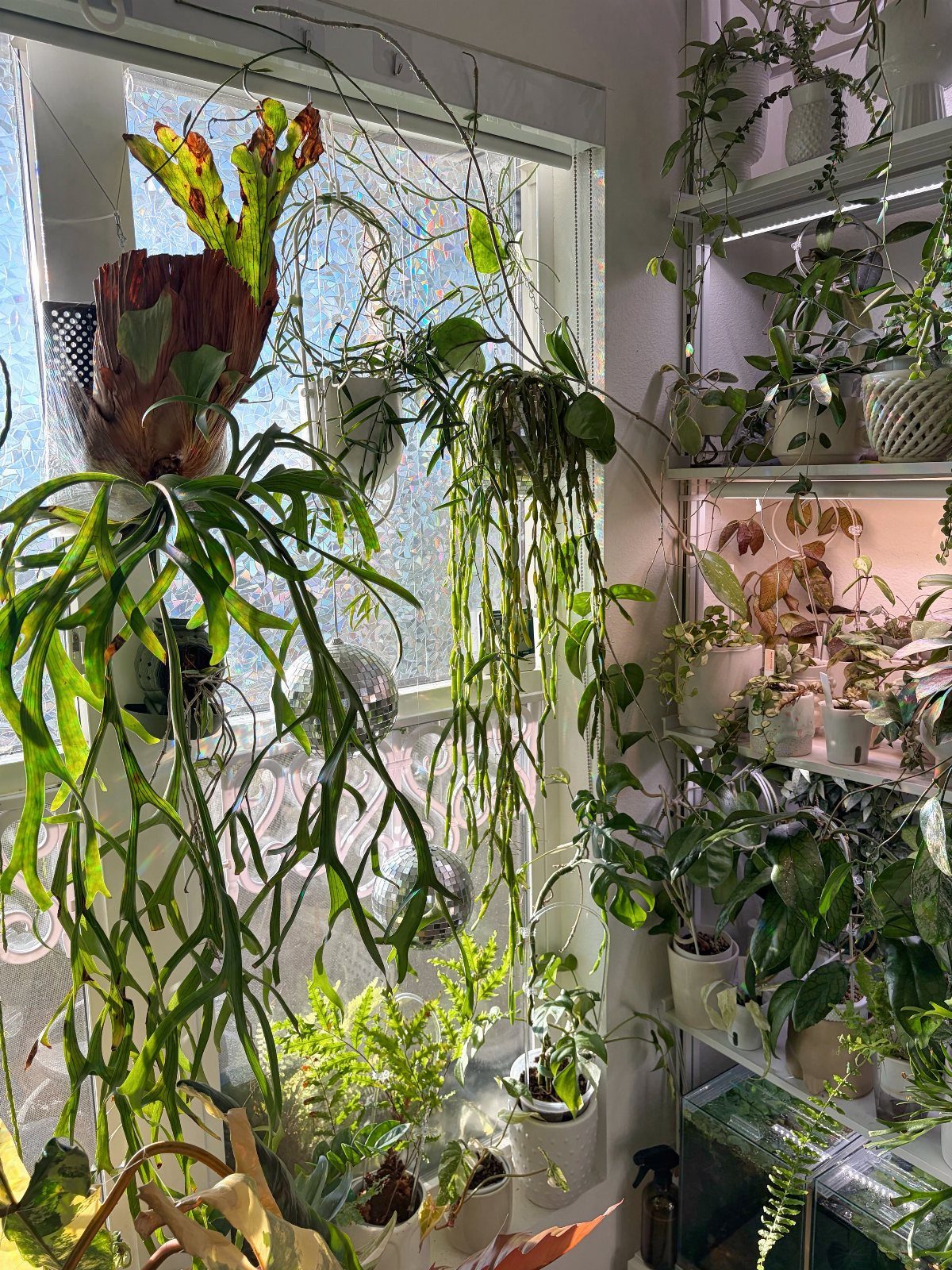
Dense layering on shelves and hanging hooks turns a bright window corner into something that earns the word jungle. The white shelving keeps the visual weight from overwhelming the room; without that contrast, the plants would read as clutter.
Trailing vines near glass get more light than shelf plants below, so placement by growth habit matters more than aesthetics. Staghorn ferns hung high want different humidity than pothos on a middle shelf; grouping by need keeps the routine simple.
Watch for drafts in older windows, because tropical foliage sitting close to single-pane glass in January may show damage the glass itself does not.
A micro greenhouse cloche works here for seedlings or herbs you want to keep separate from the main collection.
10. Indoor Grow Tent Setup
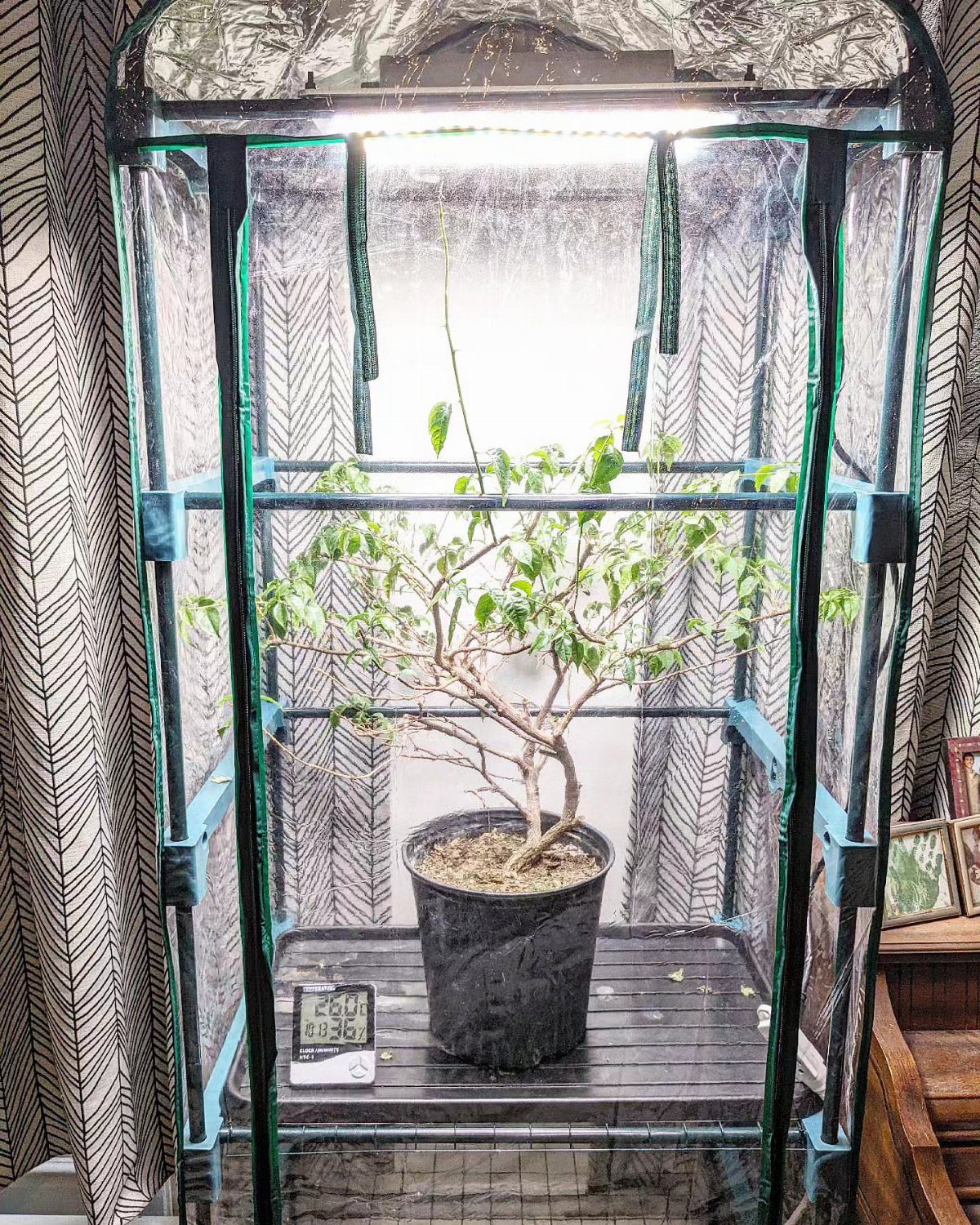
A clear or black grow tent with an overhead light and a digital thermometer-hygrometer gives precise control in a footprint you can fold flat. The 70 x 70 x 80 cm size fits a closet corner or the dead space beside a washer.
PVC transparent panels let daylight through if the tent sits near a window, though the overhead grow light does the real work.
The digital monitor is the piece that separates this from a plastic shelf cover; you are watching humidity and temperature numbers, not guessing.
Folded storage when not in use matters for renters and for anyone whose project calendar has off-seasons. I would still plan for air movement inside; a small fan prevents the stagnant pockets that tents create.
11. Countertop Hydroponic Garden Unit
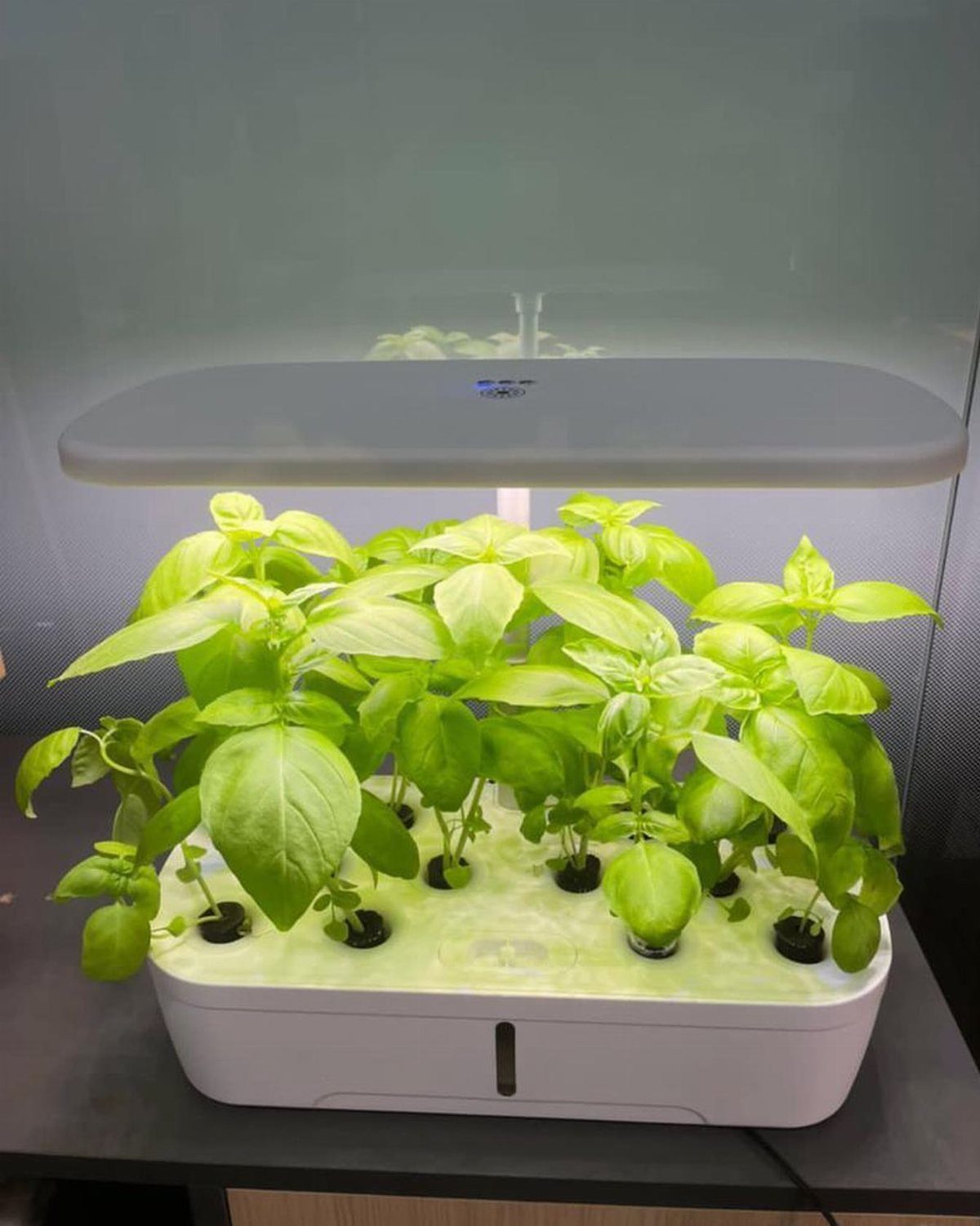
A white countertop unit with integrated LED grow lights runs clean because no soil means no fungus gnats, no mold, and no smell of damp peat. Hydroponics strips out the organic matter that causes most indoor growing problems.
Basil and leafy herbs do well in this format; root vegetables and tall tomatoes do not.
The unit sits where a toaster might, drawing power instead of daylight, so the counter needs an outlet and the room needs tolerance for a small appliance that glows.
I would calculate the pod or seedling cost against grocery herb prices if the goal is savings; the payoff is more reliable year-round supply than cash.
A mason jar connector offers a lower-tech version if you want to test hydroponics before committing to a unit.
Temperature Management
A space heater or heat mat fills the gap when the ambient temperature drops below that range.
Hot air gathers at the top shelf and cold air pools near the floor, so the temperature inside a greenhouse cabinet or tent is not uniform.
Keep the unit away from radiators and drafty doors; the swings do more damage than a steady number a few degrees off.
Airflow Importance
Air movement is what separates a working indoor greenhouse from a mold incubator. Leaves that stay still let fungal spores settle; stems that never bend grow weak enough to snap at their first real breeze.
One fan is the minimum. A larger tower fan moves air through the whole space, and small clip-on fans reach corners the main current misses.
The clip-on style plugs in anywhere, which matters when your greenhouse is a cabinet or a tent with limited entry points.
Position so the leaves shiver, not thrash. The goal is constant motion, not windburn.
Common Mistakes
Overwatering is the mistake I read about most often, and the easiest to make in an enclosed space where moisture has nowhere to go.
Soil dries slower inside a greenhouse cabinet or tent than on an open windowsill. Check before you water, especially in winter when plants use less.
Regular household bulbs do not replace grow lights. Weak lighting stretches stems and fades color long before it kills anything; the plant looks wrong for weeks while you blame something else.
Stale air brings fungus, mold, and gnats. Ventilation is not optional, and neither is looking close now and then.
Spider mites and aphids find indoor plants too. Inspect leaves, especially undersides, before the colony spreads.
Best Plants for Indoor Greenhouses
Herbs, leafy greens, and compact vegetables are the practical choices for an indoor greenhouse. Basil, parsley, mint, oregano, cilantro, and chives all work.
Spinach, arugula, lettuce, and kale handle the lower light better than fruiting plants. Cherry tomatoes, peppers, and dwarf beans need stronger lights to produce anything worth eating.
For ornamentals, tropical houseplants suit the high humidity best: aroids, ferns, orchids, philodendrons. These are the plants that struggle in dry heated rooms and perk up inside a cabinet or glass enclosure.
Large plants and root vegetables are poor fits. A tomato plant bred for a garden bed will outgrow any shelf setup, and a carrot needs depth no countertop unit provides.
Frequently Asked Questions
Can you have a greenhouse indoors?
Yes. An indoor greenhouse can be as small as a glass-front cabinet with grow lights or as large as a dedicated room with glass walls.
The key elements are a way to hold humidity, a light source, and air movement so mold does not form.
What is an indoor greenhouse called?
Names vary by size and style. A small one may be called a mini greenhouse, a terrarium, or a greenhouse cabinet.
Larger setups might go by indoor garden, grow tent, or conservatory. The function is the same: a contained space where humidity and light stay higher than the rest of the room.