These ideas run from a single weekend of raking gravel to a years-long hedge-and-canopy system, and the right one depends on whether you are maintaining an established yard or building structure from scratch.
A mulch ring keeps weeds down and moisture in, but it needs topping off once a year once it compresses to about an inch.
[link-whisper-related-posts]1. Mulch Rings for Trees
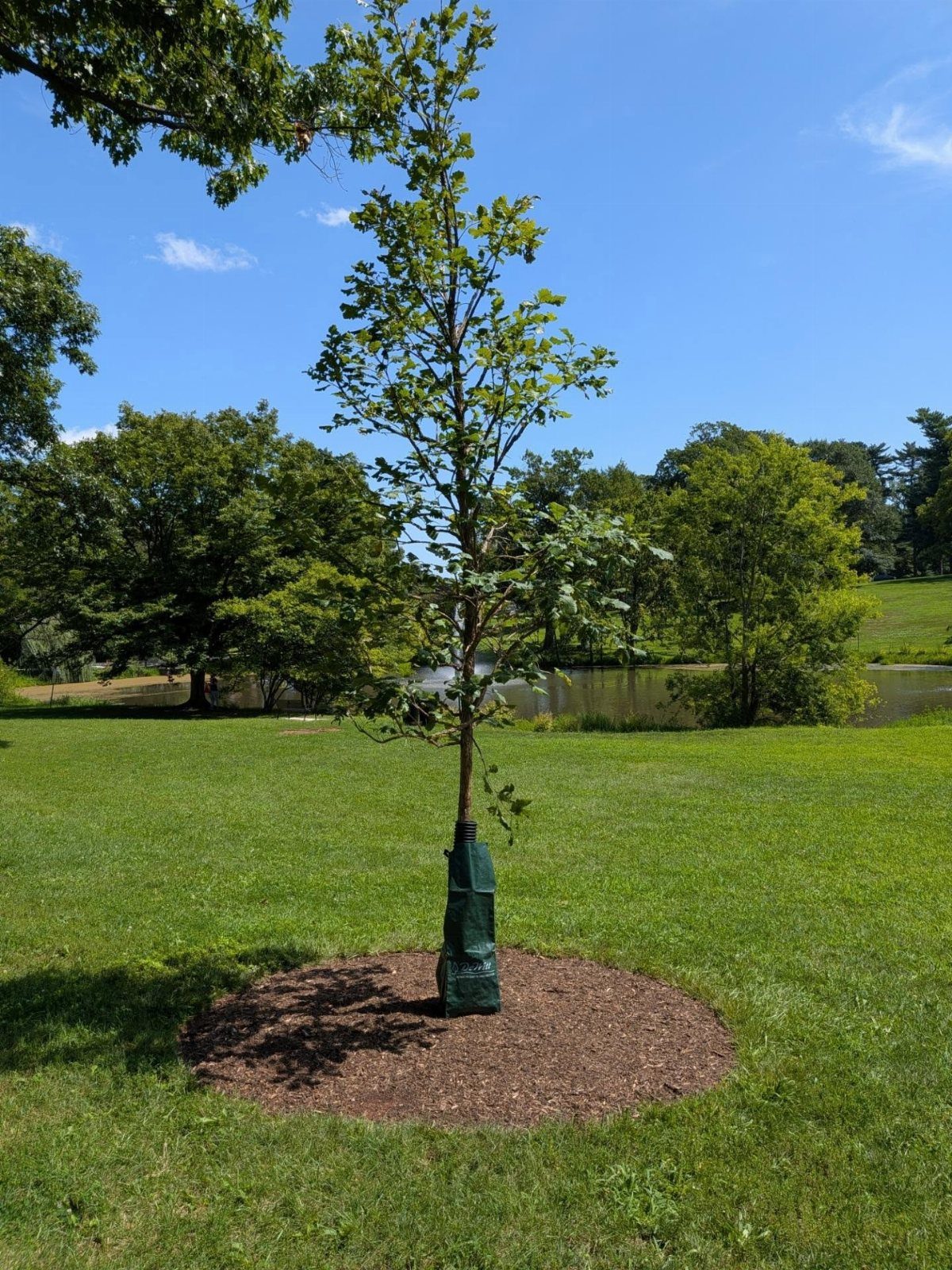
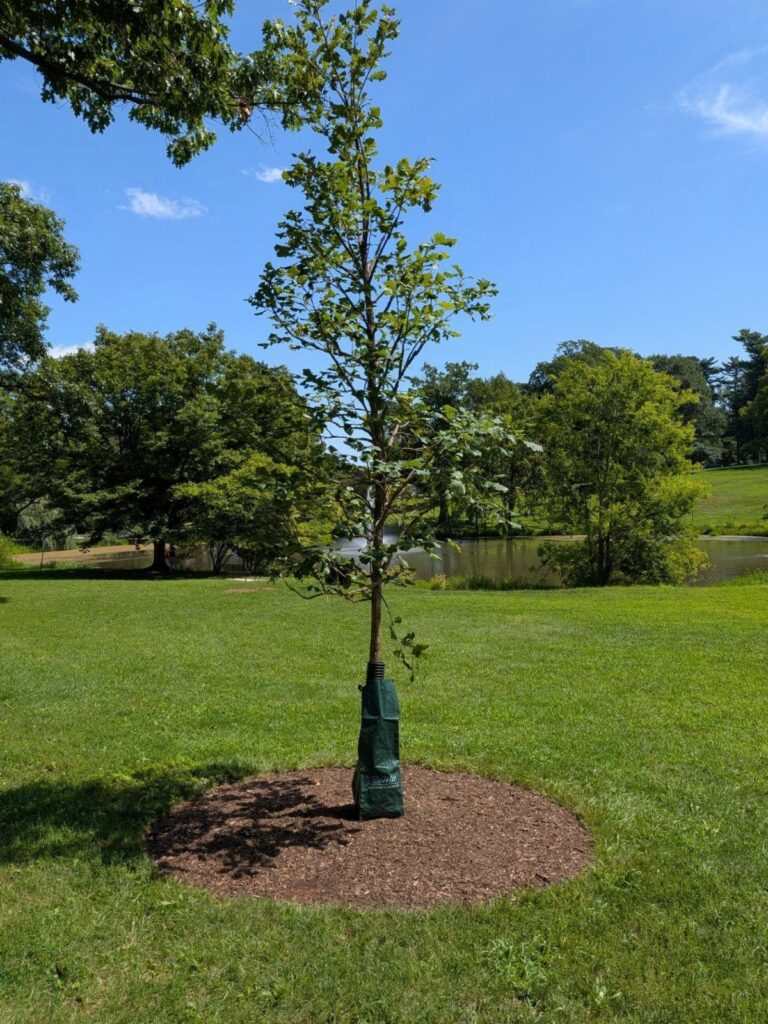
A fresh mulch ring around a young tree does more than tidy the base.
It insulates roots against hard freezes if you lay it down before the ground locks up in late fall, and it feeds the soil as it breaks down.
I refresh mine when the color has faded to gray and the layer has flattened to an inch or so; that timing usually lands in October, before the first real cold.
A watering bag sits on top of the mulch without trouble and saves me from daily hose duty while the tree establishes.
This suits anyone who has planted a single specimen and wants to protect the investment without building a structure. Yearly attention matters; skip 2 seasons and the ring thins enough that weeds push through and frost can reach shallow roots.

High-Quality Non-Woven Fabric: Crafted from top-tier felt, these tree ring mulch mat offer long-lasting performance, ensuring optimal care for your trees.Before purchasing, please be aware of the hardness of this type of non-woven felt mat, which is different from the wooden tree ring

【Biodegradable and Long-lasting】: These non woven tree rings are made of high-quality high-density thick non-woven fabric, which is durable and saves resources. Tree-based covering non-woven fabrics naturally degrade over time, reducing waste and the need for constant replacement.

WATER DEEP - GROW HEALTHIER ROSES, TREES, & VEGETABLES – Directs water to the deep root zone for AMAZING results.
2. Shrubs as Property Markers
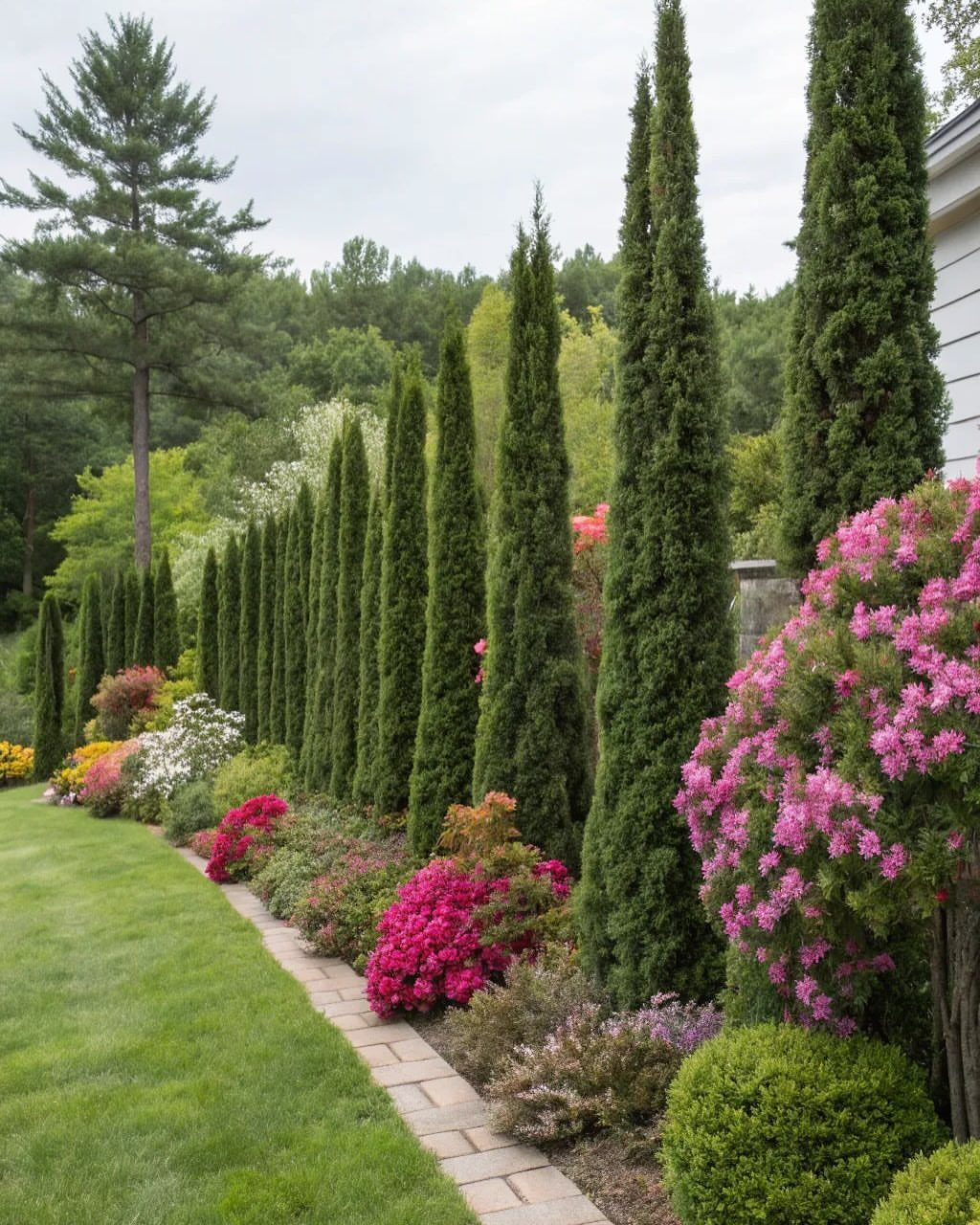
A row of boxwoods or upright evergreens along a property edge reads as a fence without the permit or the upfront cost.
On flat lots, a stone border keeps the line crisp and mowing simple; pink and white flowering shrubs break the green and soften the formality.
Columnar varieties keep a narrow footprint, important on smaller parcels where every foot of usable lawn counts.
What to check first: your local setback rules. A living boundary planted too close to the line can become a dispute if it spreads, and some associations restrict height.
A dense hedge muffles some road noise and holds soil on a slope, though I would not plant primarily for either; a busy road still gets through.

Package Include: You will receive 8 pack slow release tree watering bags, these are suitable for planting saplings in the arid areas or in the dry wheater, they can increase survival rate of saplings in the dry season well.
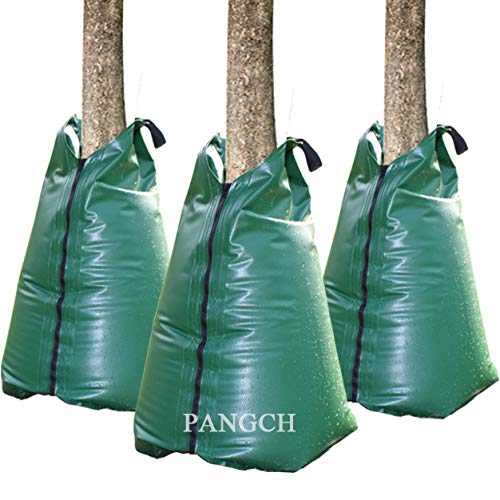
DEEP WATER SATURATION IS KEY - PANGCH tree watering bags deliver water deep below the soil surface, encouraging strong root growth, helping to reduce the effects of transplant & drought shock.Compared to conventional methods, tree watering bag can greatly reduce your watering frequency and save money by eliminating tree replacement and reducing labor costs.

Engineered for Approx. 12-Hour Slow Release – Ideal for overnight watering and much longer-lasting than common short-duration options.
3. Colorful Mixed Shrub Border
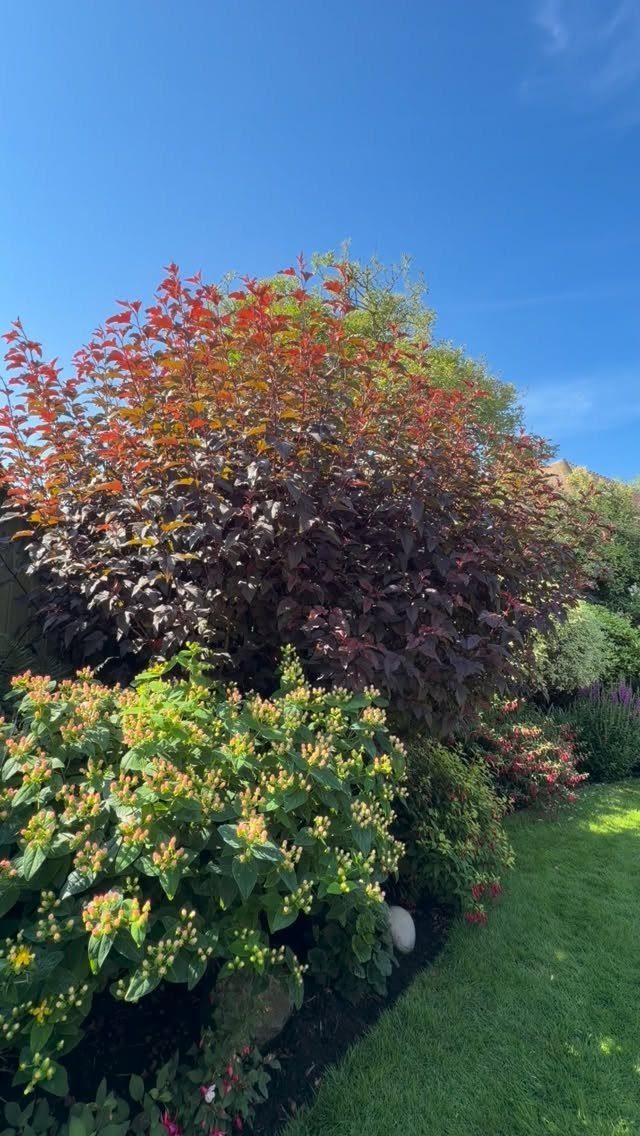
A mixed border of reddish-purple and green shrubs gives a lawn edge more interest than a single variety could manage.
The key decision is spacing for mature width, not the size at the nursery. I have crowded plants early and spent years pruning to keep peace; give each shrub room to billow without overlap.
Check your light. The colors here need sun to hold, and the contrast depends on both tones getting enough to thrive.
If one side of your bed sits in shade for half the day, shift to varieties that stay strong there or the composition goes lopsided by year three.

💚This Live Wintergreen boxwood shrub is shipped with a specially blended plant food and grow guide so you can get the absolute most out of your hardy little plant! This shrub is extremely low maintenance and can fill a plethora of uses in landscaping and gardening.

Thrives in USDA zones 5-9

VIBRANT EVERGREEN FOLIAGE: The Franklin's Gem Boxwood is celebrated for its small, glossy green leaves that maintain their rich color year-round. This live shrub provides a consistent, structural presence to your outdoor landscape across all seasons.
4. Gravel Mulch Shrub Bed
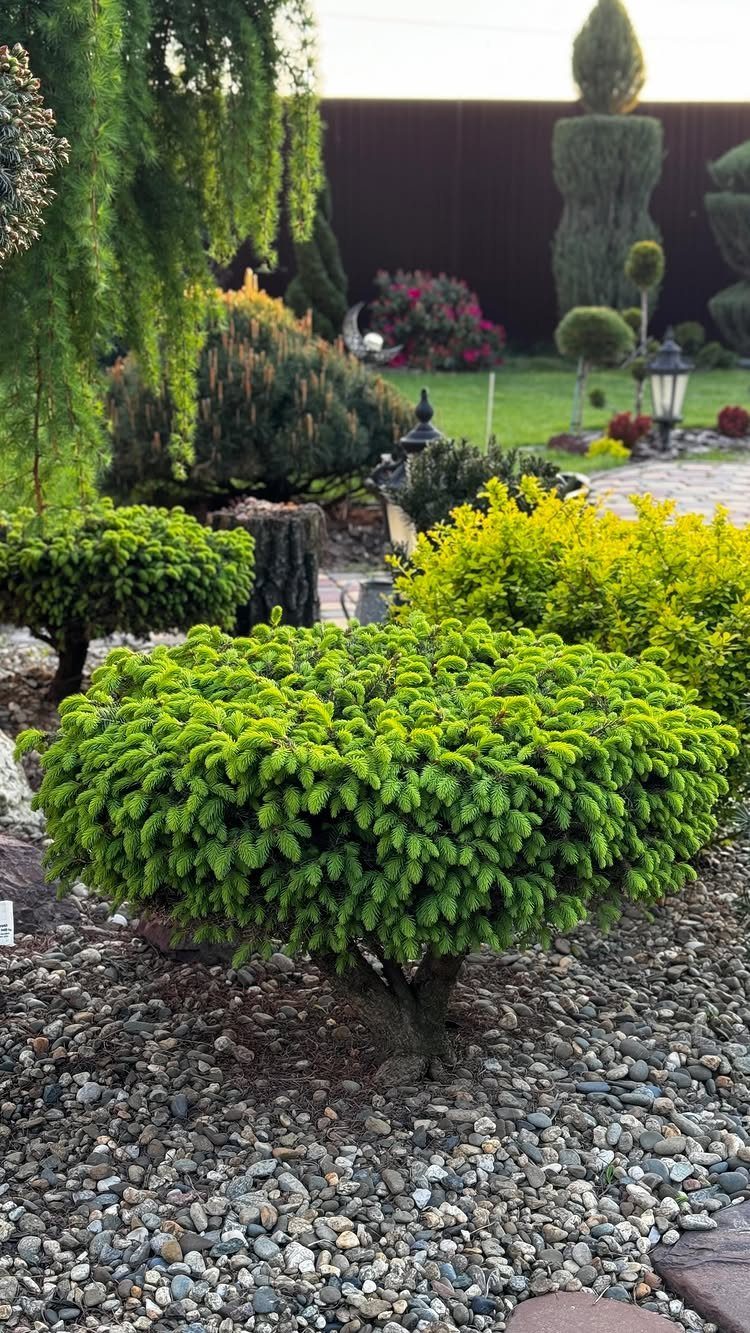
Grey river gravel around a mounded evergreen skips the yearly refresh that bark mulch demands. Lay the gravel thick enough to suppress weeds, and prune the shrub to a clean dome that sheds debris and keeps the stones visible.
I would rake it clear of fallen leaves in late fall, since decaying matter works into the gaps and builds soil where you do not want it.
Before you commit, check your climate.
Gravel mulches heat up in full southern sun and can stress shallow roots; in those zones I would size the bed wider to give the root zone some shade from its own foliage, or switch to a lighter stone.
Delivery cost for enough river rock to cover a bed this size usually runs higher than the equivalent bark, but the long-term math often flips.
5. Layered Hedges and Trees
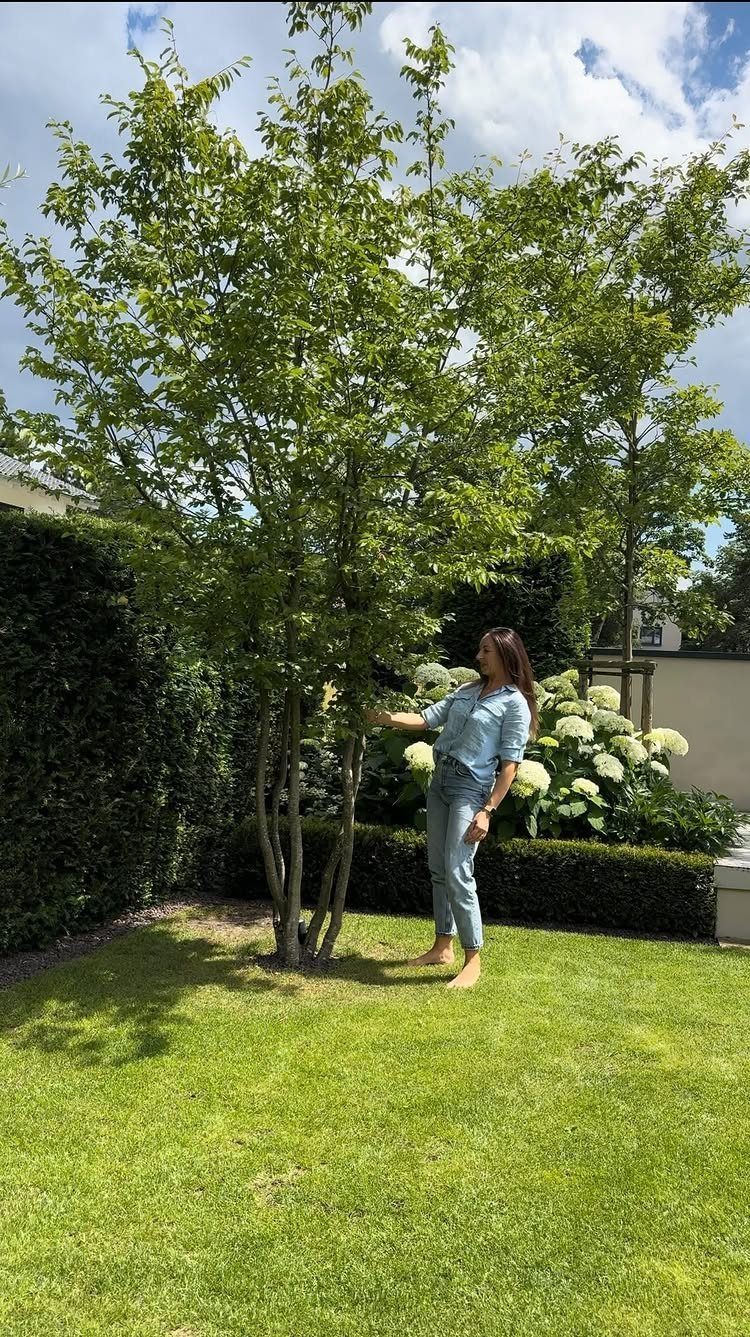
Slender deciduous trees in front of a dense hedge give 2 layers of privacy: the lower wall blocks at eye level, and the upper canopy filters sight lines from upstairs windows.
Space the trees well apart, each standing as its own column rather than a grove; that spacing keeps the lawn passable and the maintenance sane.
The hedge behind needs shearing at least twice a season to stay flat, and the trees will drop leaves into it.
Layered hedges and trees work best on a level yard; on a slope, the layered effect reads from only one angle and the back rows can turn leggy reaching for light.

LANDSCAPE LOCK: Holds mulch, pea gravel, rock, pine straw, and bark in place so wind, rain, and foot traffic do not scatter your groundcover across lawns and walkways.

LANDSCAPE LOCK: Holds mulch, pea gravel, rock, pine straw, and bark in place so wind, rain, and foot traffic do not scatter your groundcover across lawns and walkways.

Thickened 1" diameter yard rake with rustproof&skidproof old school polish and paint spraying is stronger for heavy yard duty without snaps.
6. Waterfront Willow and Shrub Garden
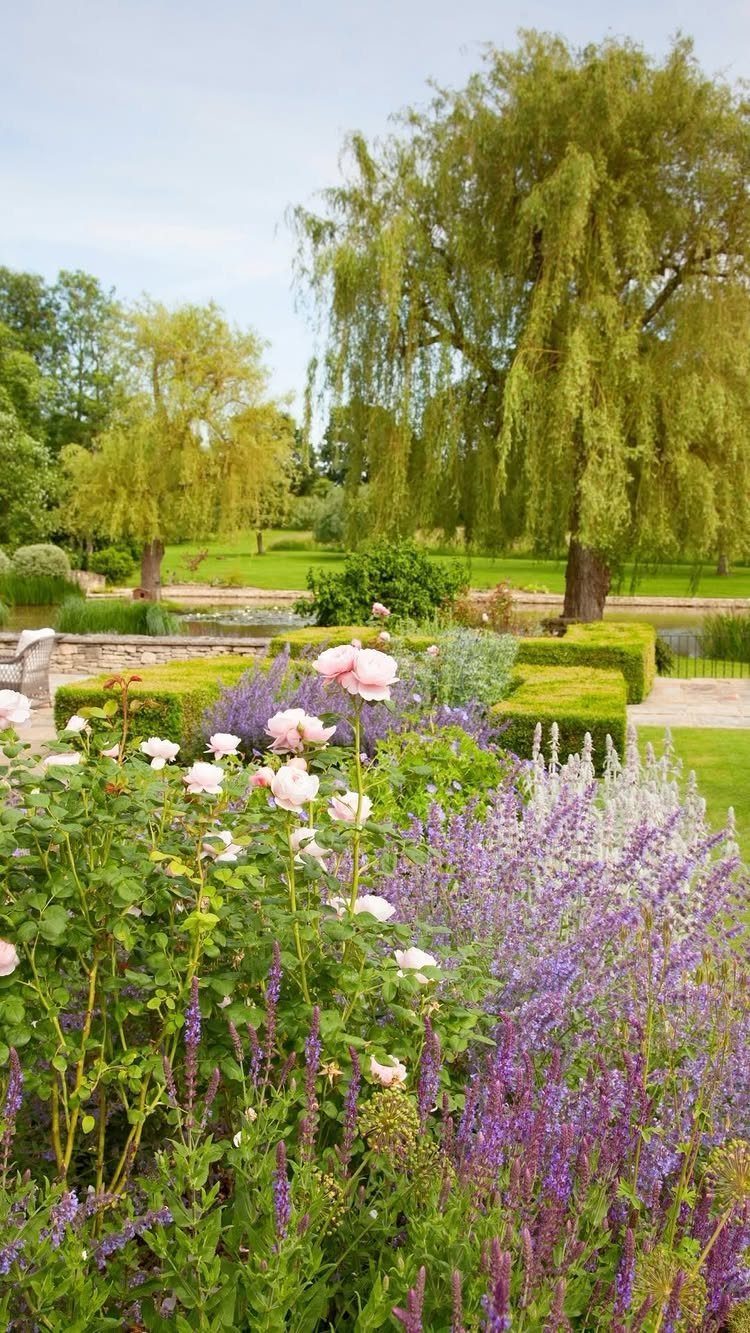
Low boxwood hedges, mid-height roses and salvia, and weeping willows at the water’s edge build a garden in 3 distinct planes.
The willows want the wet feet that a pond or stream provides; plant them too dry and they sulk, drop branch litter, and invite disease. A gentle slope toward the water gives the lower shrubs drainage without drought stress.
I would check hardiness on the flowering varieties before ordering; a border this exposed can sit in a frost pocket if the water is still, and late freezes will brown the first flush of bloom.
The formal hedges need clipping to keep their line, but the willows and perennials can run softer; the contrast is what makes the composition hold.

What You Get: Landscape edging kit included a 20ft edging coil 4 inch tall, 30Pcs metal staples. More staples help you design more professional landscape

【Create Clean Landscape Borders with No Dig Installation】Create neat, professional-looking edges around flower beds, lawns, pathways, and garden features without trenching or heavy digging. Simply position the edging and secure it with the included spiral spikes for a fast DIY landscape upgrade.
Importance of Seasonal Care
Seasonal care for trees and shrubs runs on a calendar that does not wait for weekends.
In my yard, fall is the window that matters most: that is when roots take up nutrients before the ground freezes, and when a layer of fresh mulch still has time to settle.
Skip that timing and the plant enters winter hungry, with thin insulation against freeze-thaw cycles that heave shallow roots.
Spring growth can mask problems until they are already established. Warm weather brings out aphids, mites, and scale insects in a hurry, and the ragged cuts left by dull shears the fall before are where fungus tends to start.
I check new growth weekly in April and May; early damage stays small, late damage spreads while the plant is trying to leaf out.
Uneven growth is harder to fix than to prevent. Sunlight differences across a bed will always favor one side, so I rotate the shape of my pruning cuts rather than repeating the same pattern.
Regular trimming keeps a shrub from developing the dense outer shell that starves its own interior.
Winter is the best time to prune deciduous fruit trees such as apple, peach, and plum. Appropriate pruning helps prevent disease and breakage of branches as well as encourages healthy fruit production.
— University of California Agriculture and Natural Resources

Durable Material: Made of durable PVC waterproof material, the slow release tree watering bags can stably resist the ultraviolet rays of the sun, and it is durable and waterproof; Designed with water release hole and double sturdy carry handles suitable for long time use

✔️ 【20 Gallon Slow Release Tree Watering Ring/Bag】Holds up to 20 gallons of water and delivers a slow, even release over approximately 6–8 hours. Deep root watering helps reduce runoff, minimize evaporation, and support healthier tree establishment.

Package Include: You will receive 4 slow release tree watering bags, these are suitable for planting saplings in the arid areas or in the dry wheater, they can increase survival rate of saplings in the dry season well.
Professional Tree and Shrub Care
Some of the work I do myself.
Deep-root fertilization is not one of them. Store-bought products sit near the surface and feed what is easy to reach; a professional rig gets the nutrient stream down to the root zone where the tree can actually use it.
The difference shows in color and growth rate by the second season.
Pest prevention is another place where an extra set of eyes pays off. I have walked past early scale on a magnolia because the spots looked like bark texture; a scheduled inspection caught it before the honeydew started dripping.
The same goes for soil compaction and girdling roots, problems that build for years before the canopy thins enough to notice.
If your property is new to you, or if you have just added several specimens, a single professional visit can set a baseline.
They will mark what is healthy, what needs watching, and what you can safely handle with hand shears and a watering schedule. That information is worth more than any product they might apply.

🌱Also known as the littleleaf boxwood, the Japanese boxwood makes a terrific Small to medium sized Hedge. This hardy shrub is known to be one of the larger of the boxwood variations.

DENSE EVERGREEN FOLIAGE: Chicagoland Green Boxwood features lush, dark green leaves that retain their color year-round, adding beauty to any landscape.
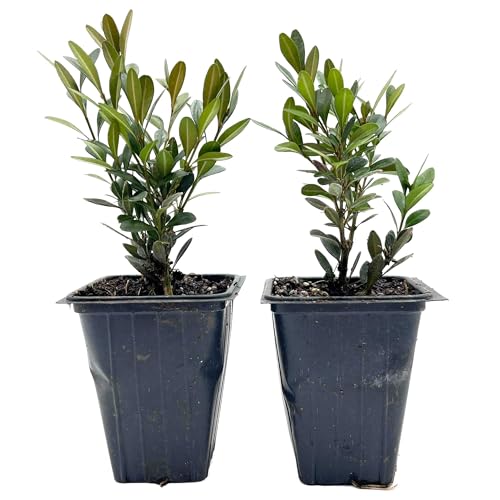
READY TO PLANT: Includes 2 Green Gem Boxwood (Buxus sempervirens ‘Green Gem’) starter plants in 3.5″ cubes. Each plant is well-rooted and ready to thrive. Natural variations in size, color, or seasonal appearance may occur.
Common Tree and Shrub Issues
The problems that matter most start small and quiet. Aphids cluster on tender new growth in spring, often on the undersides of leaves where casual glances miss them.
Mites are smaller still; stippled foliage and fine webbing are the signs I look for once June heat settles in. Scale insects do not move at all, which makes them easy to mistake for part of the branch.
Fungal issues follow moisture and poor air circulation. A dense interior that never dries out after rain is asking for trouble; I prune for openness even when the outer shape looks fine.
Preventive treatments work best when they go on before symptoms spread, not after the branch is already flagged with browning needles or spotted leaves.
Uneven growth has simpler causes than most people guess. A shrub planted against a wall gets half the light and leans away; one at the bottom of a slope gets runoff and grows lusher on the wet side.
Regular trimming can correct some of that asymmetry, but only if you start before the woody structure sets.
Aesthetic Benefits of Trees and Shrubs
Well-kept trees and shrubs do the finishing work that hardscaping cannot. A front yard with crisp lawn edges still looks temporary until something vertical gives it scale and repetition.
Shrubs provide that at eye level; trees lift the eye and frame the house against the sky. Together they add the structure that reads as intention rather than accident.
The curb appeal is practical, not decorative. A hedge along the property line defines where your maintenance responsibility begins and ends, and it does so without the permit a fence might need.
Evergreen screening blocks sight lines year-round; deciduous layers let winter light through where you want it. Either choice looks polished only when the shearing stays consistent.
Noise reduction and slope stabilization are real effects, but they depend on density and placement. A single row of shrubs will not silence a busy road; a staggered double row with mixed heights does more.
On a slope, roots knit slowly, so I would plant for erosion control before the soil starts moving, not after the first gully opens.