The ideas below run from a single terracotta pot to a row of white cylinders heavy enough to anchor a corner, and the right one depends on whether you own your spot or will need to lift it onto a truck next year.
A half wine barrel needs drainage holes drilled and stays put once full, while a tiered metal frame on casters chases sun or dodges frost.
[link-whisper-related-posts]1. Cottage Garden Planters with Flowering Plants
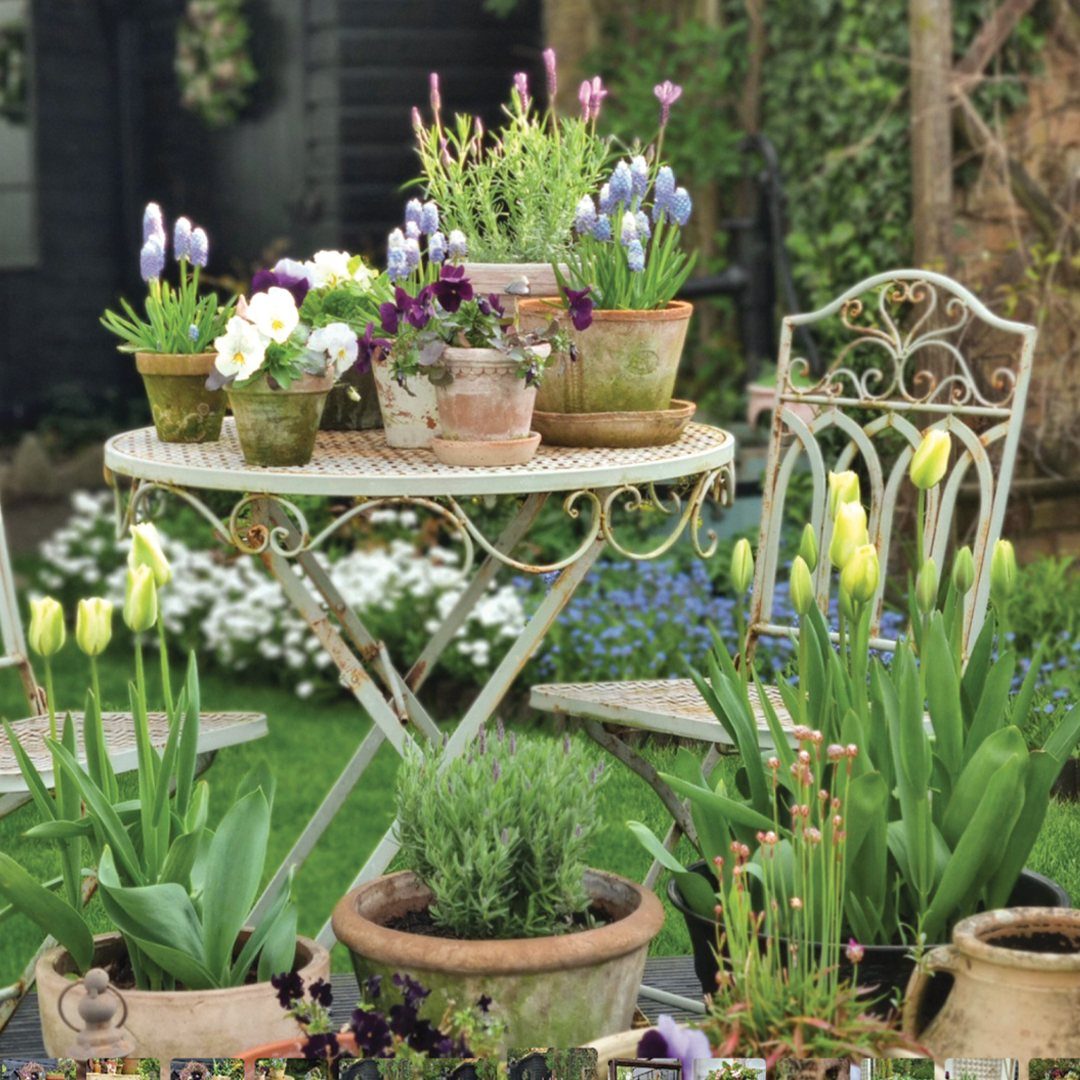
Cottage garden planters work best when you stop trying to match anything. I mix flowering plants with herbs in terracotta and ceramic pots, set at different heights on a table or the ground itself.
Tulips, pansies, muscari, lavender, all jumbled together without a plan, and that informality is exactly what makes it work.
For a true cottage feel, tuck a few pots into spots that look almost accidental, like they landed there on their own.
This style suits renters especially because nothing is planted in the ground. You can rearrange or take the whole garden with you when you leave.

Premium Quality: These terra cotta pots are constructed of high-quality clay, which allows more water and air to circulate freely within the pots while yet maintaining their structural integrity. It's an excellent choice for cactus, succulents, and other plants that thrive in dry soil, and it's also appropriate for areas with lower temperatures. The high air permeability of the pot walls helps the soil to dry out more quickly

✨ Unique Artistic Design & Complete Set: Each set includes two beautifully embossed planters featuring charming forest animal scenes (Fox with Rabbit, Owl with Bear). They tell a story and add a touch of nature's magic to your home or garden decor.

Package Contents: you will receive 12 tortoise terracotta cement pot feet, which can easily elevate a variety of plants or pots, whether indoors or outdoors, this set of pot feet can meet the needs of plant placement; Note: do not place overly large flower pots
2. Wooden Barrels
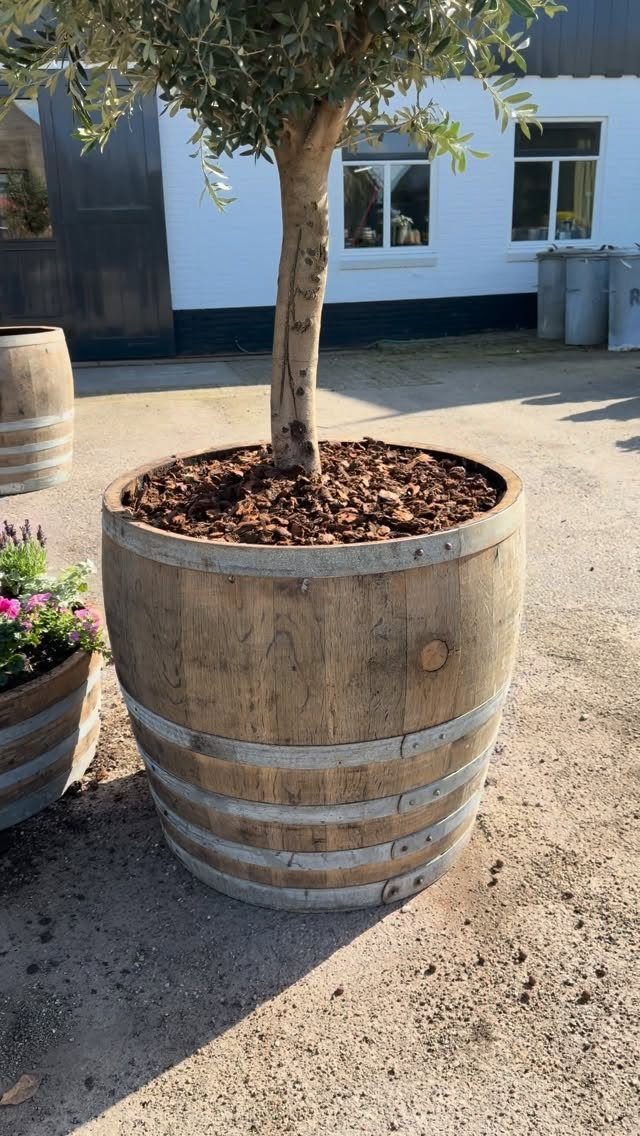
A half-barrel planter carries instant history that new fiberglass cannot fake. I look for wine or whiskey barrels at garden centers and farm supply stores, checking that the staves still hold tight and the bands aren’t rusted through.
They need drainage holes drilled, and the wood will gray and crack over time, which is part of the appeal. A small olive tree or any single specimen with presence fills one without looking sparse.
The weight is real: an empty full-size barrel is heavy enough that you will not want to move it once it is full, so place it before you add soil.
Metal tubs work the same way if you prefer a cleaner line.

BUILT FOR RESISTANCE: The wooden barrel planter is made from high-quality resin, offering excellent weather resistance. Moreover, the wood planter is waterproof, preventing issues like cracking, fading, and leaking, ensuring long-lasting durability.

Authentic Bourbon Heritage: This genuine, vintage whiskey barrel planter is reclaimed from a real bourbon barrel, its antique oak staves and iron bands carrying real char and warm tones, unlike resin or plastic imitations.

HIGH-QUALITY ACACIA WOOD CONSTRUCTION: Our garden boxes outdoor raised are crafted from durable Acacia wood; The unique wood grain enhances your space, ideal for decorating or growing plants
3. Thriller Filler Spiller Planting Method
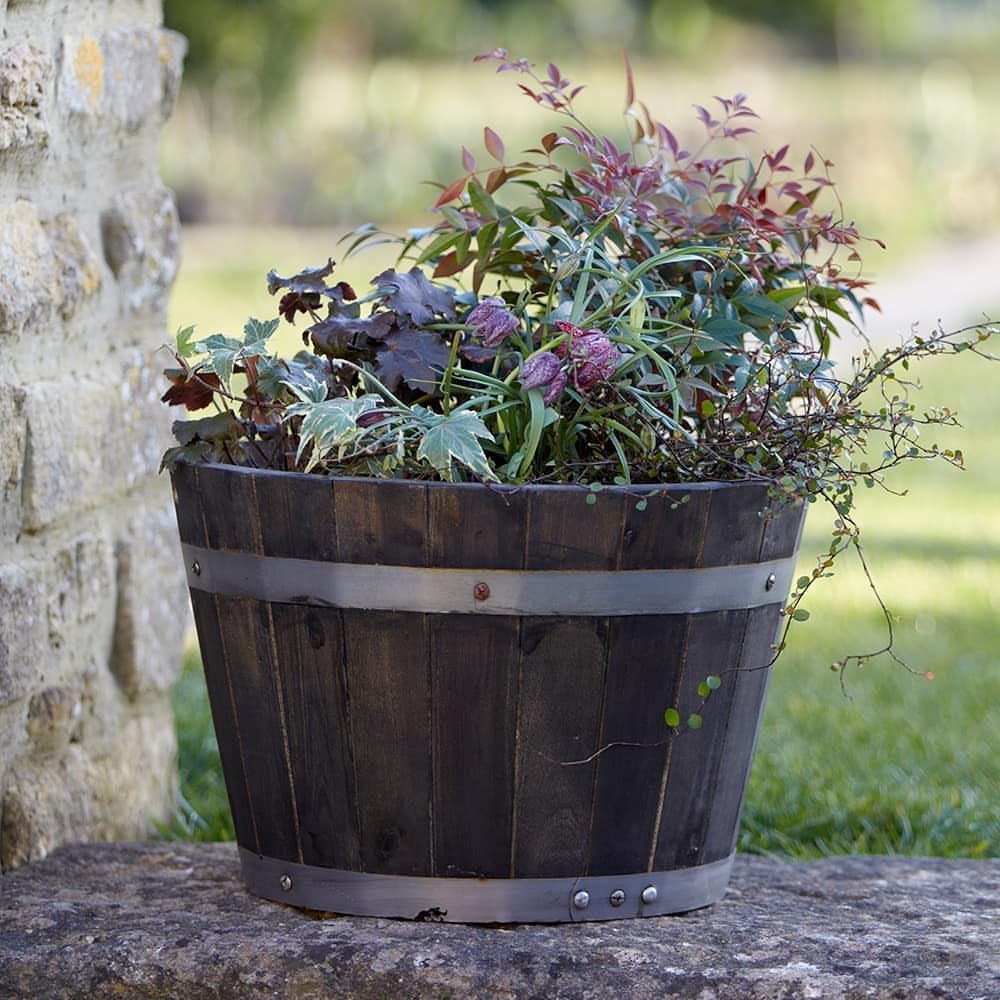
The thriller-filler-spiller method is the only planting formula I use without modifying.
Tall vertical interest goes in the center or back: a grass, a spike, a fritillaria. Medium mounding plants fill the middle space and carry the color load.
Something trailing breaks the pot’s hard edge and softens the whole composition. I pick my thriller first, since it sets the height and light requirement, then match fillers and spillers to those conditions.
Three plant types minimum, though I often use more than one of each. The method works in any container size; the proportions stay the same whether you are working with a small pot or a whiskey barrel.

Wall Pocket Planter: Rustic metal wall planter in antique blue color for home, office, business use decor


CERAMIC PLANTER WITH DRAINAGE HOLE: This premium durable ceramic planter features a practical drainage design to prevent root rot, with a 6.11-inch size that fits small to medium indoor and outdoor plants perfectly.
4. Color Schemes
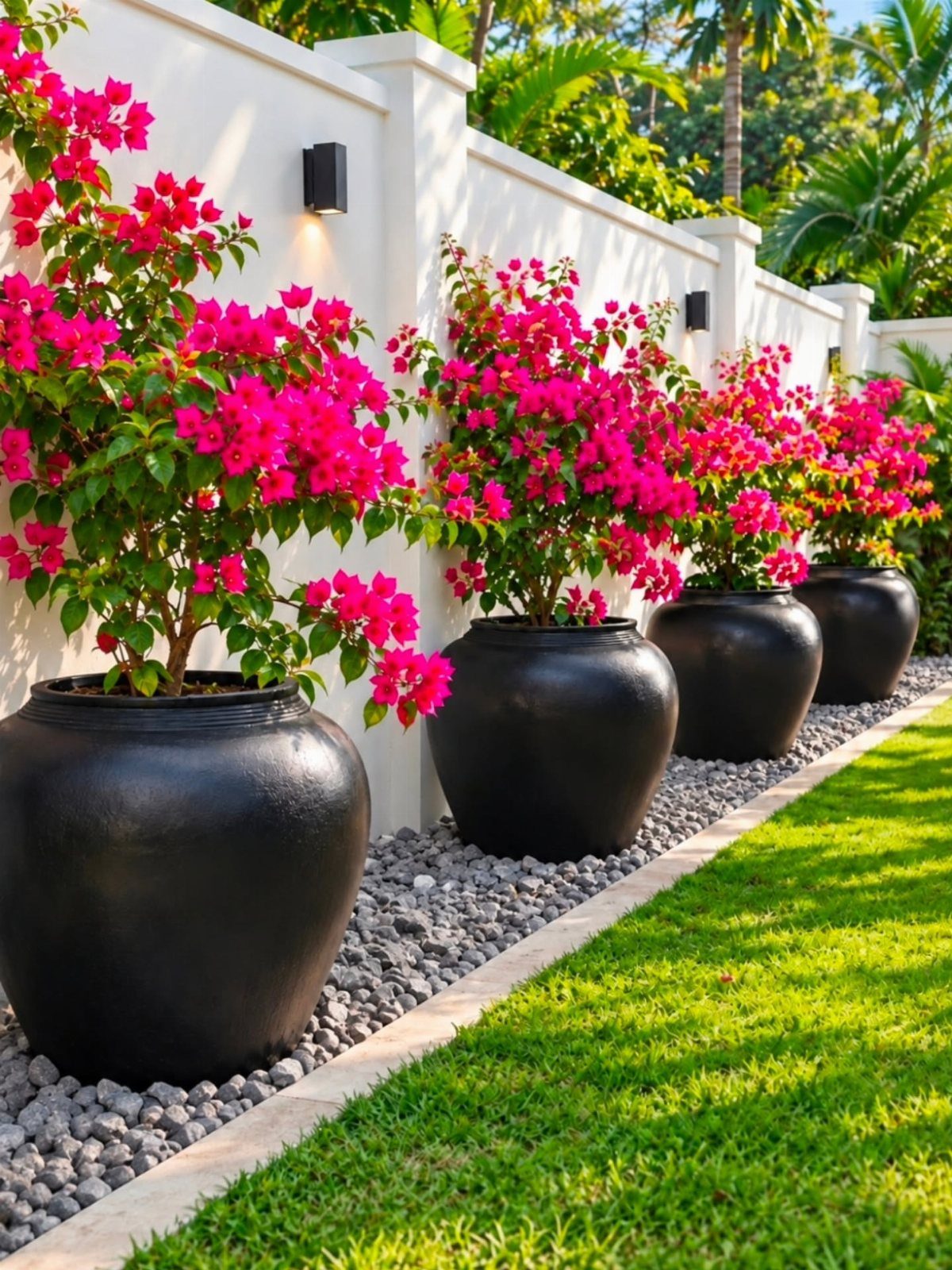
Color in container gardening is not about the flowers alone. The pot itself is part of the palette: black planters against a white wall make pink bougainvillea read even brighter.
I plan around what I already own or what my landlord installed. Pinks, blues, and purples blend without clashing; reds, oranges, and yellows need space to breathe or they fight.
White, silver, pale yellow, and chartreuse go with almost anything and rescue combinations I doubt. One season I tried to match my geraniums to a birdhouse stake and learned that repetition beats complexity every time.

An Easier Life: Plant caddy with wheels can help you to freely move plants around to best suit the design of your home and your garden. Very convenient move flower pots without lifting them, save time and effort.
5. Window Boxes
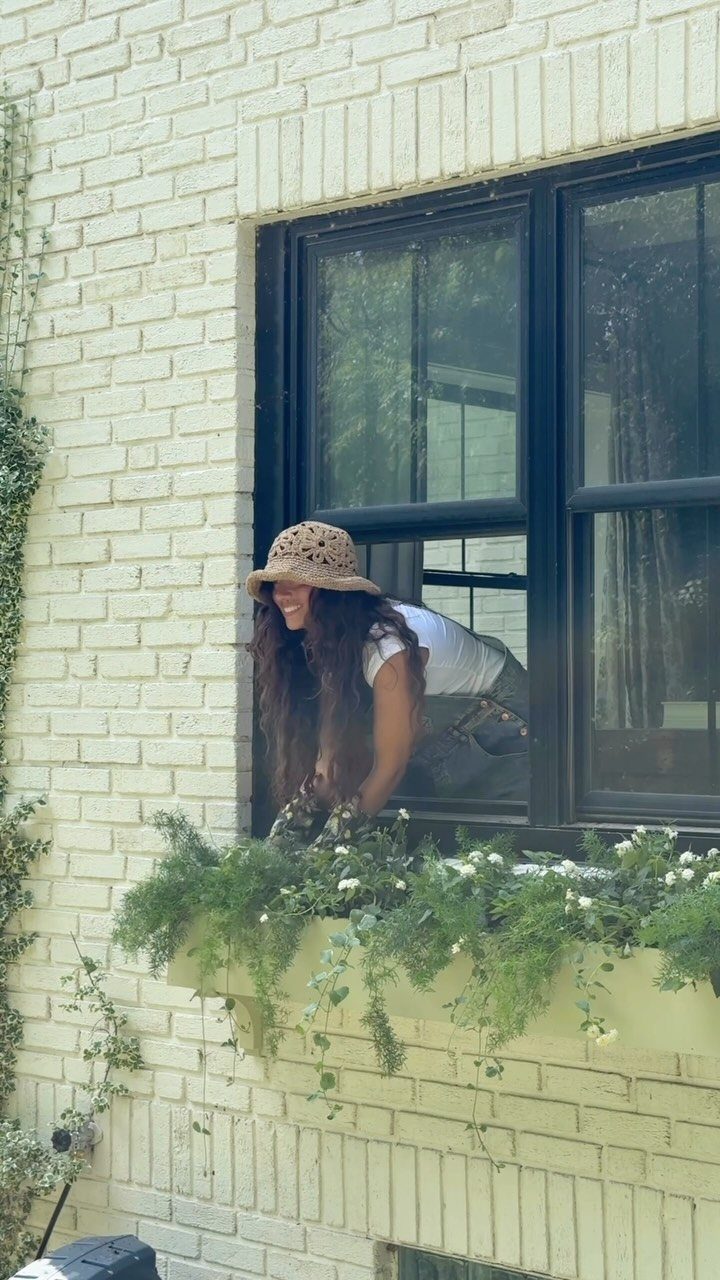
Window boxes reward the small effort of opening a window to water.
I replace mine every few years; the last wooden one lasted five years before the rot showed, and the current PVC version is self-watering, which matters on a south-facing wall in July.
Measure twice: a 7-foot box where you need 8 feet leaves an awkward gap that planting cannot hide.
I fill mine with whatever handles the light the spot actually gets, full sun or shade. For renters, a window box is often the only planting space offered, and it delivers curb appeal without yard access or landlord negotiation.
6. My Favorite Fall Outdoor Planters
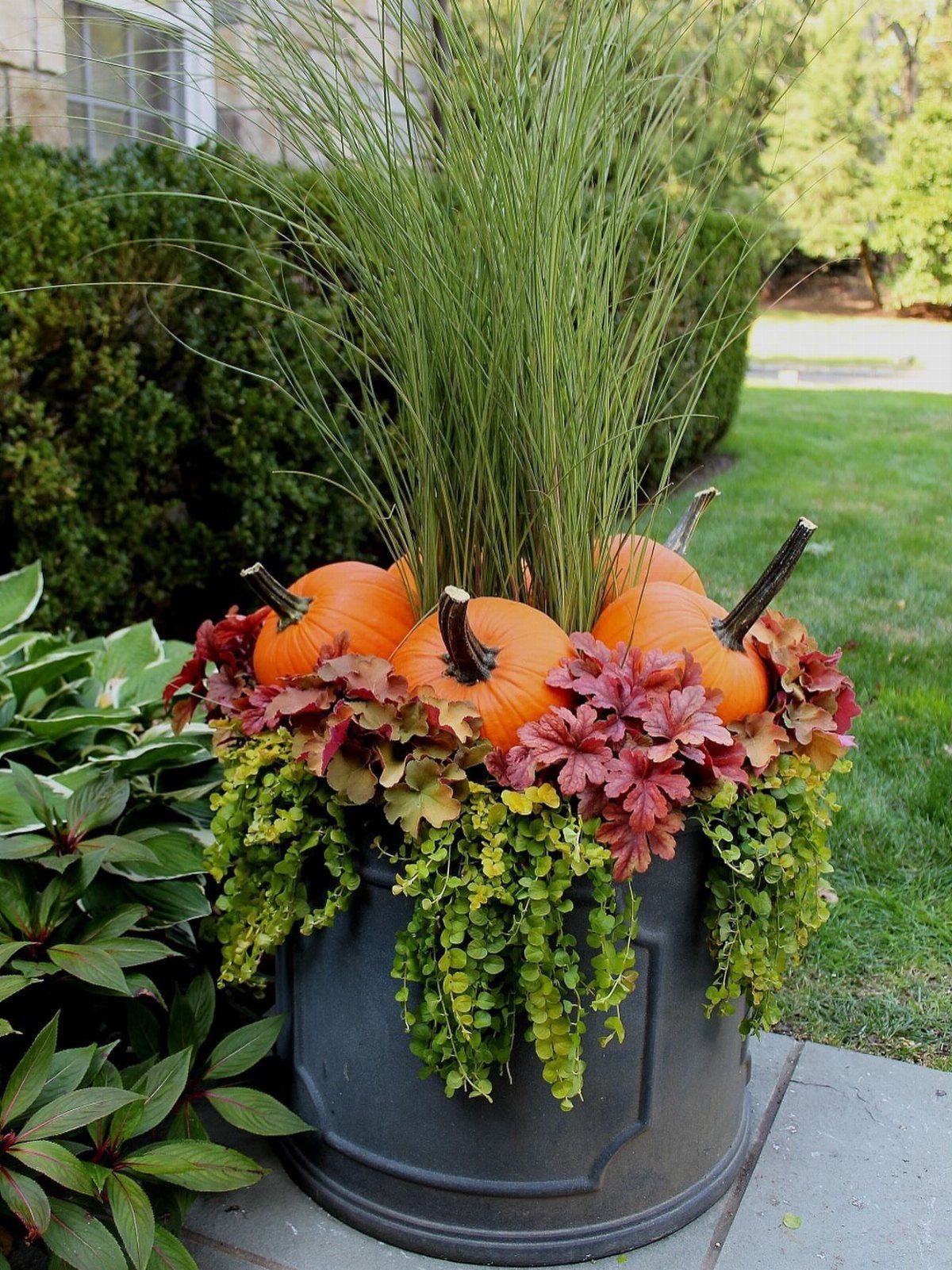
Fall containers let me reuse what I already grew. The purple fountain grass that read as tropical all summer dries to copper and becomes the thriller for October.
I tuck in small pumpkins, gourds, and mums, plus heuchera for leaf color that outlasts any bloom. Creeping Jenny still trails from the summer planting; I leave it until frost kills it back.
The whole swap takes a weekend and costs little if you grew the grass yourself. Painting a plain pot black and white the year before gave me a container that now reads as intentional rather than leftover.
7. Vertical Planting
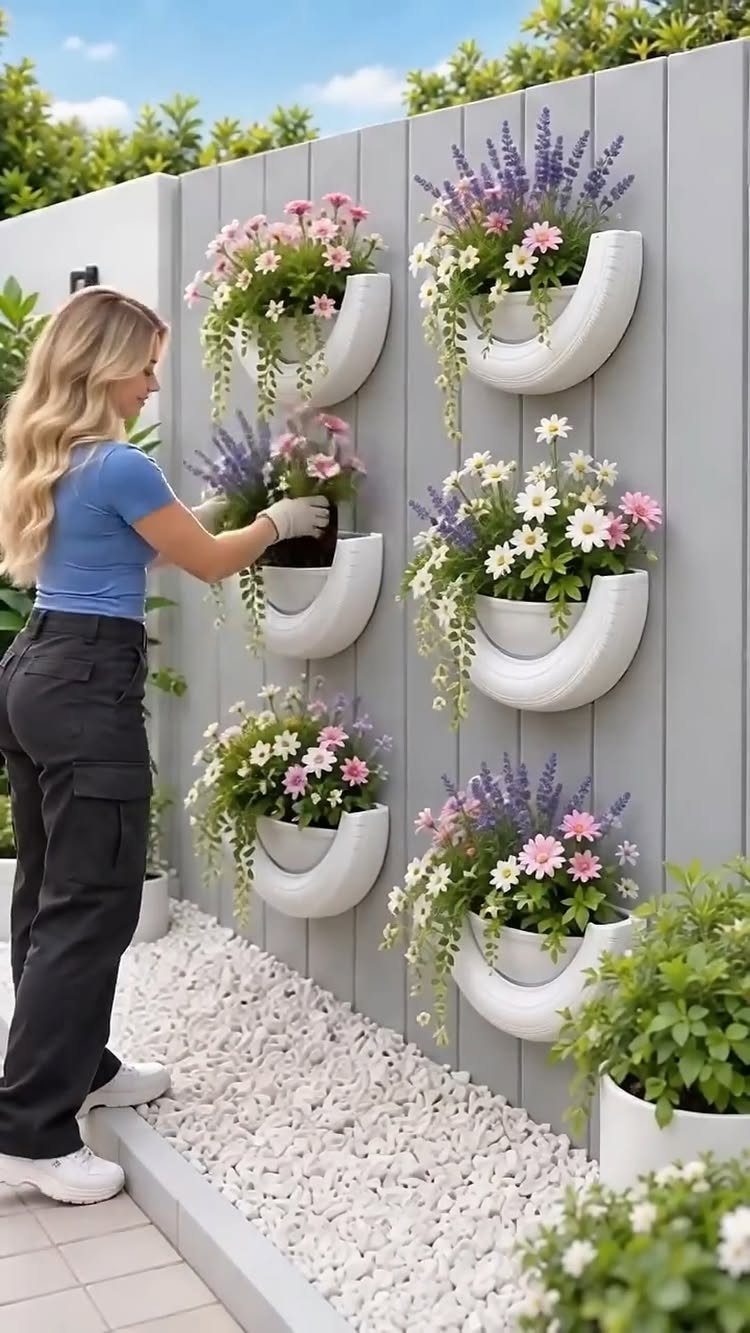
Vertical planting turns a fence or wall into growing space you did not know you had.
Curved white planters mounted in a column make each level a pocket for soil and roots, and the effect is more sculptural than any ground-level arrangement.
I look for systems with built-in drainage channels; trapped water rots wood fences and stains siding fast. These work best for annuals and shallow-rooted edibles like lettuce or strawberries, since the soil volume is small and dries quickly.
A south-facing fence in my yard would need watering twice daily in July, so I would place this where it gets some afternoon shade or rig a simple drip line.
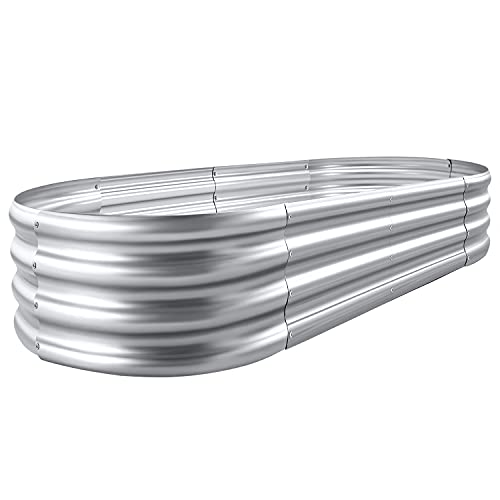
Each raised metal garden bed size: 4×2×1ft ,7.14Cu
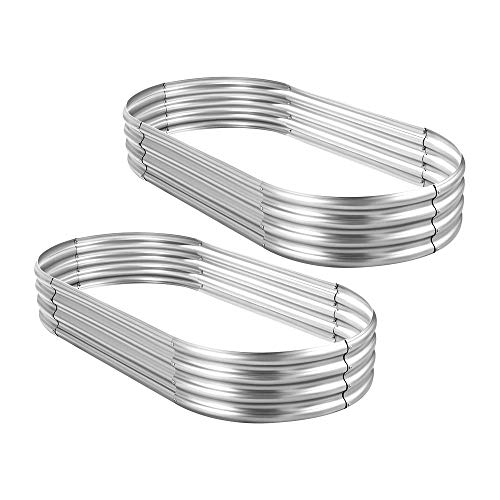
Each raised metal garden bed size: 4×2×1ft , 7Cu
8. Herb Containers
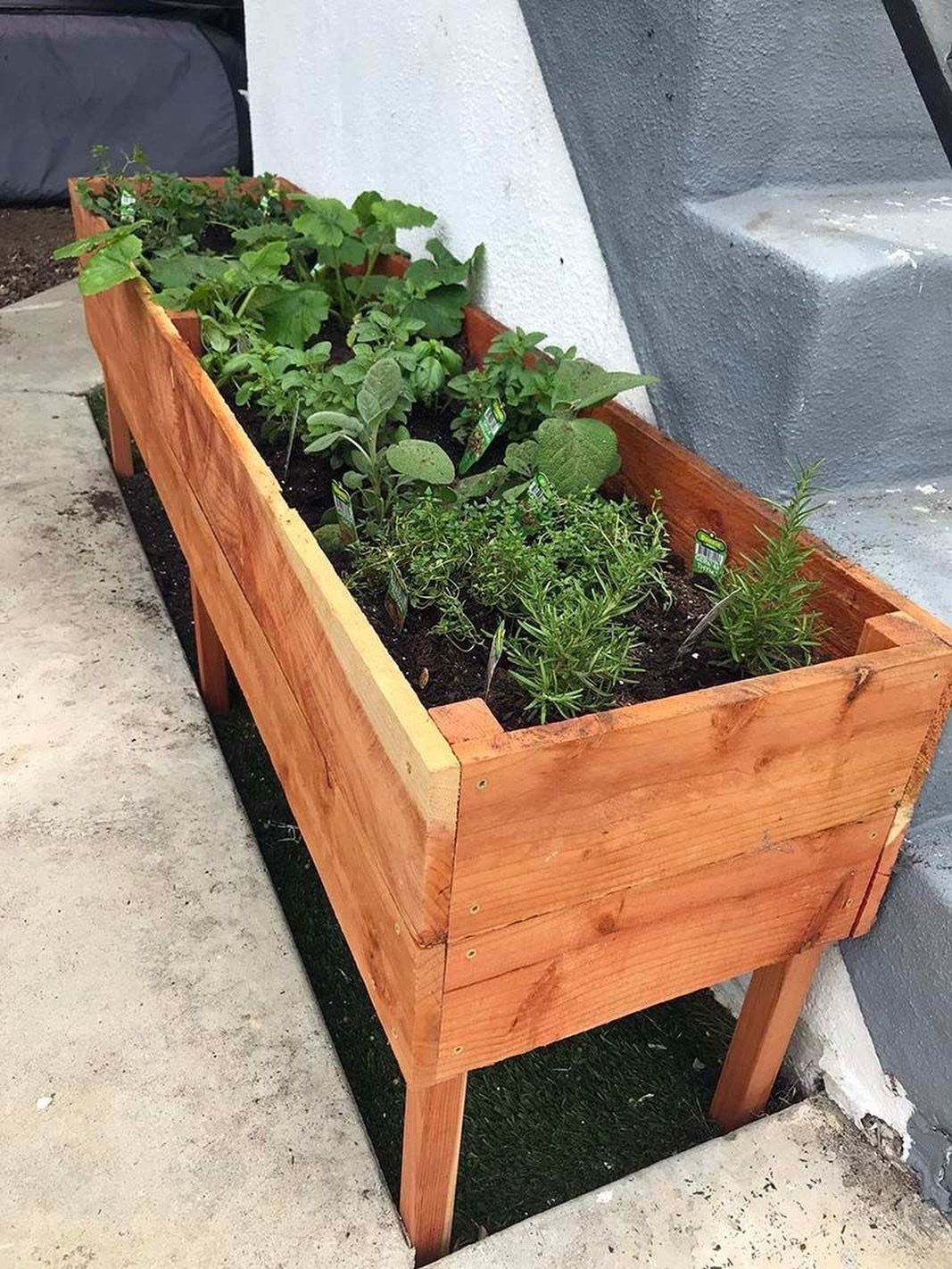
Herbs in containers stay within arm’s reach of the kitchen door, which means they actually get used.
A long wooden box beside concrete stairs catches sun and radiated warmth, both of which Mediterranean herbs need. I use potting mix, never garden soil, which compacts in a season and suffocates roots.
Rosemary, thyme, and sage share the same dry-footed preference, so they tolerate the same watering schedule. Metal tags or painted rocks keep varieties straight when everything looks alike from above.
A box this size holds enough for daily cooking without becoming a farm; refresh the soil every spring, since most herbs will take what you give them and run.
Another major perk of container gardening is control. Pots allow you to tailor soil, drainage, and sunlight to individual plants without overhauling your entire yard.

Set of 6: You will get a package that has 6 packs of 14 inches metal plant caddy with 4 noiseless wheels, and 6 packs of 12 inches clear plant saucers. Each of the plant pot movers has 4 plastic PU wheels; 2 locking wheels to keep your heavy plant pots in direction.

MATERIAL-This Plant Caddy is made of pine wood, which is corrosion resistant ,sturdy and not easy to wear. It can withstand the test of time and outdoor.

Sturdy Structure: plant stand with wheels is made of iron and load up to 200 lbs, you can easily move your large indoor and outdoor plant pots.The rolling plant stands with wheels coated with black baking paint, which provides excellent water resistance
9. Colorful Succulents
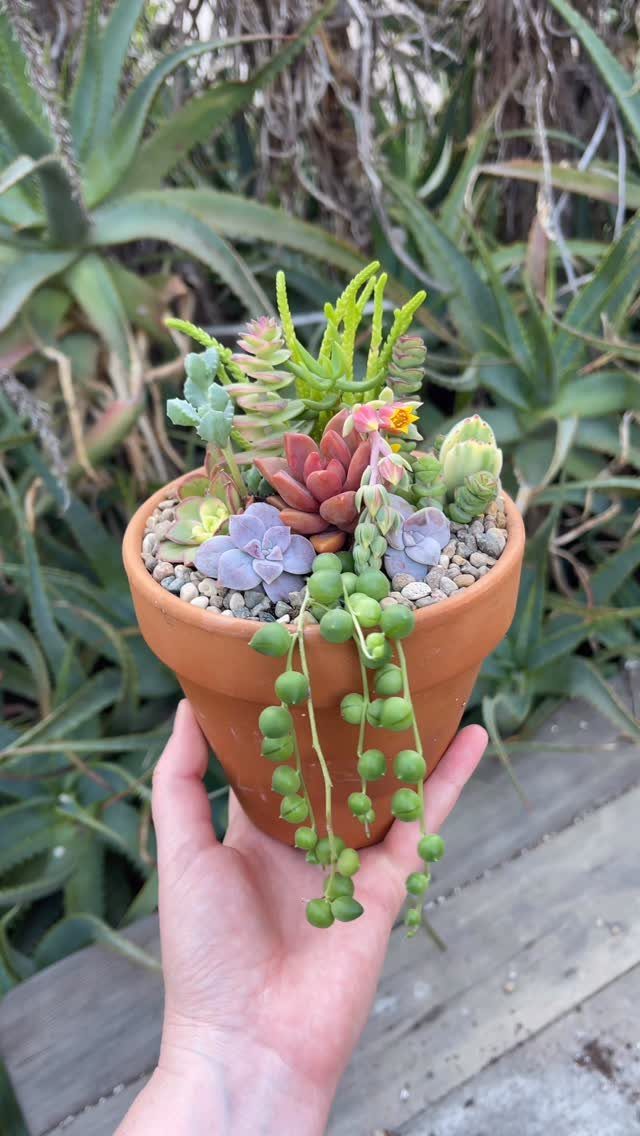
Succulents carry color in their leaves, not their brief flowers, so the display lasts all season without deadheading. Terracotta holding echeveria in blue-green and coral, plus string-of-pearls trailing over the edge, uses warm clay to set off cool tones.
I use unglazed terracotta because it breathes, which matters more for succulents than for most plants; wet roots kill them faster than dry ones. A shallow container works, since their root systems are small.
I water deeply and then let the soil dry completely before the next round, which suits my schedule and their biology equally well. For something larger, a birdbath or galvanized tub drilled for drainage handles the same planting at scale.

🌿 Complete Set of 6 Wall Planters: This hanging wall planter set includes 6 terracotta hanging planters and 6 black metal wall rings for displaying flowers, herbs, succulents, or trailing plants. Each clay wall flower pot measures 3.3 x 3.3 x 3.1 inches, and each metal wall plant holder measures 3.3 x 3.3 x 3.1 inches, making them ideal wall mounted planters for indoor and outdoor spaces.

ROOM FOR STATEMENT PLANTS — Includes 2 tall planters measuring 15.75"D x 21.65"H and 2 round planters measuring 14.76"D x 12.48"H. The tall pots work well with compact shrubs, ornamental grasses and container-suitable small ornamental trees, while the round pots suit shrubs, flowering plants and fuller greenery.
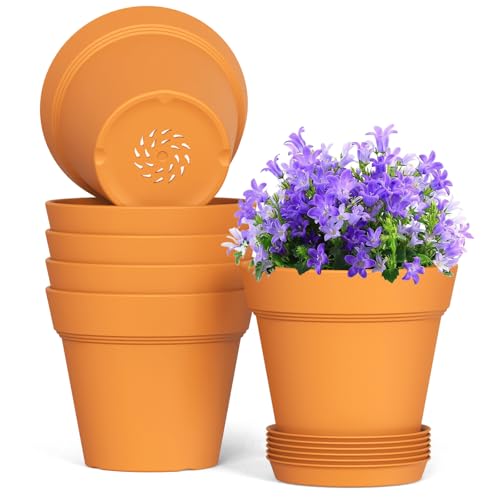
【DIY Friendly】Enjoy creative DIY fun by decorating these nursery pots with your kids — turn each planter pot into a meaningful keepsake! You can also grow a variety of small plants indoors or outdoors with your children, such as succulents, houseplants, mint, thyme, rosemary, basil, herbs, vegetables, cactus, and plant propagation
10. Hanging Baskets
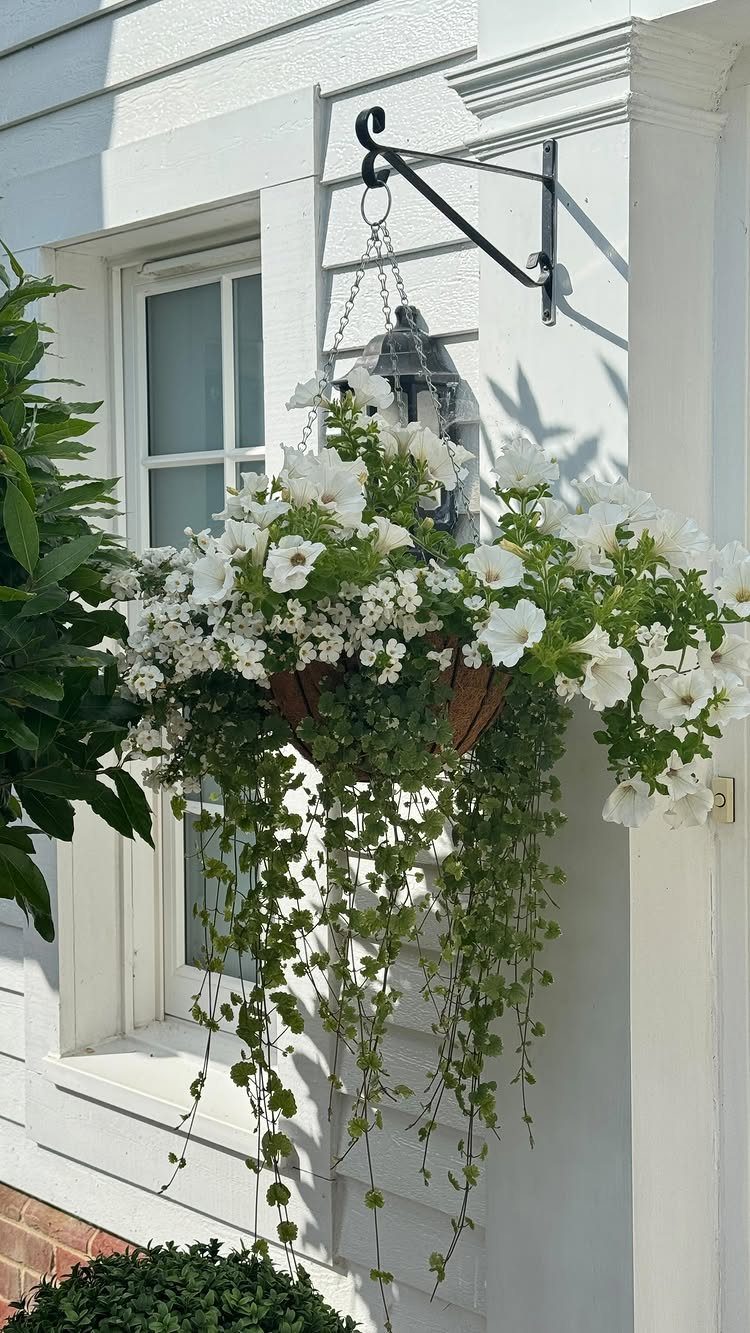
Hanging baskets lift color to eye level and free the floor for chairs, paths, or nothing at all.
White petunias spilling over a black bracket get half their effect from the contrast of pale bloom against dark metal. I choose self-cleaning petunia varieties so I am not pinching spent flowers off a ladder.
A three-tiered suspension adds depth on a high porch, though I would keep the weight in mind; wet soil is heavy, and the hardware needs to be rated for it.
Small spaces without ground access, like a balcony sandwiched between buildings, depend on baskets like these. Ivy, verbena, or miniature dahlias handle the lower light and still read as intentional, not apologetic.

【Unique Design】-Whiskey barrel planters with rustic touch,Imitation wine barrel planter design of retro style to but also reflects the texture of the whiskey barrel planters,so that you can feel the quiet rural comfort when garden or front yard planting.

BUILT FOR RESISTANCE: The wooden barrel planter is made from high-quality resin, offering excellent weather resistance. Moreover, the wood planter is waterproof, preventing issues like cracking, fading, and leaking, ensuring long-lasting durability.

US Seller - Made in Vietnam: Proudly crafted with precision and care in Vietnam, offering top-tier products directly from a trusted US-based seller; You can expect fast, reliable service and great customer support, backed by global craftsmanship
11. Large White Cylindrical Planters
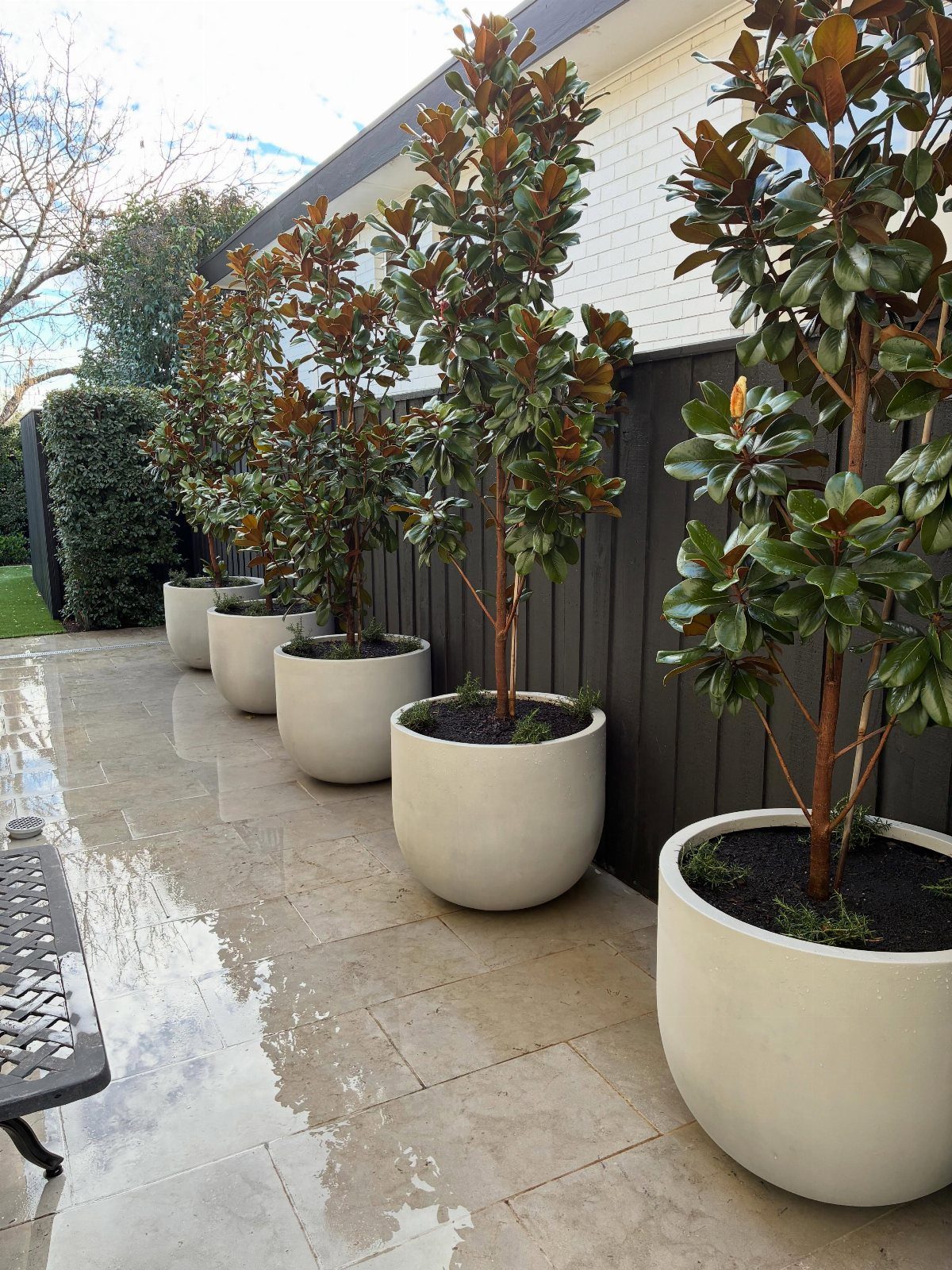
A row of identical large planters turns a dark fence into architecture. Smooth white cylinders hefty enough to hold small magnolia trees without tipping rely on scale; skimping reads as mistake rather than minimalism.
I would set them on casters before filling if I needed to move them for cleaning or winter storage, though empty they are already more than I can lift alone.
Stone or high-fired ceramic lasts, but fiberglass imitates the look for less weight and less money; check that the finish is UV-stable so it does not yellow.
The uniformity asks for a single plant type repeated, not a mixed display that fights the clean lines.
12. Ceramic Strawberry Pedestal Planters
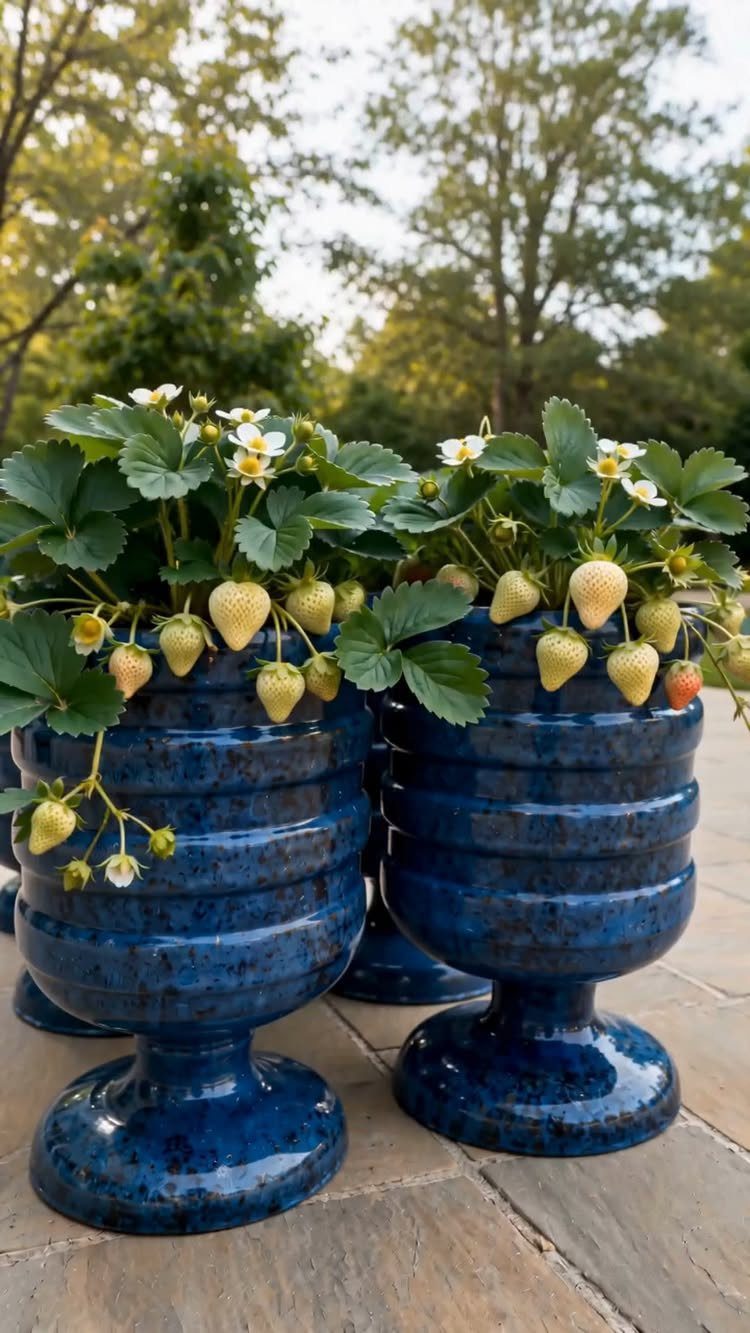
A ceramic strawberry planter on a pedestal brings fruit to patio height, where you can watch berries ripen without bending.
Dark blue speckled glaze hides soil splash and water spots better than pale colors would, which matters on a surface you eat from.
Check that the pedestal base is wide enough; top-heavy pots tip in wind, especially once fruit loads the stems.
I would ask whether the glaze is food-safe, since some decorative finishes leach metals, and whether the single planting pocket shown is typical or if there are side openings I cannot see.
Strawberries need renewal after a few seasons, so plan for how you will extract and replace the plants without shattering the pot.
13. Black River Stone Textured Pots
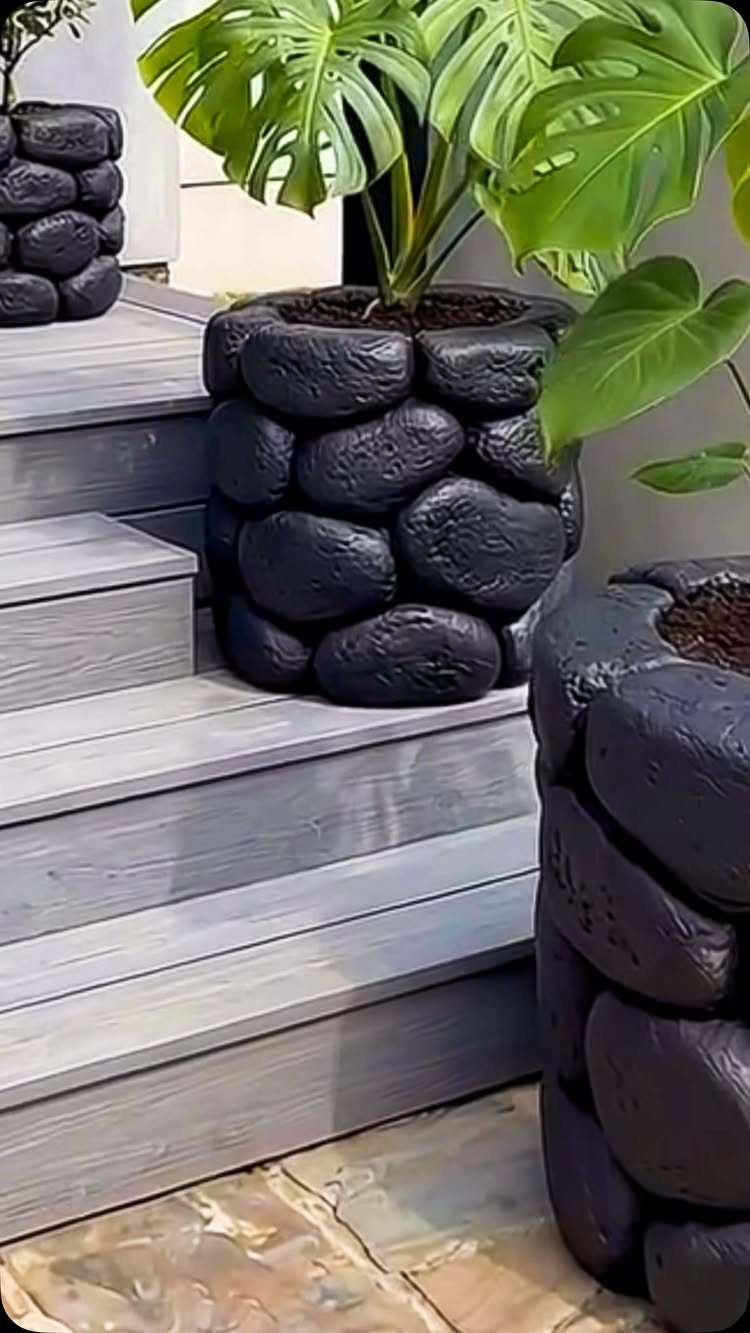
Black river stone texture turns a fiberglass planter into something that weighs like plastic but reads like quarry work.
The stacked-stone surface catches light unevenly, so the black shifts between matte and gloss depending on the hour. A 19.25-inch height handles a single specimen with presence, like the monstera it holds here, without the planter disappearing beneath it.
I would check that the texture is molded, not applied, since glued-on stone veneer flakes off in freeze-thaw cycles. The weight stays manageable; one person can lift it empty, which matters on steps where placement is trial and error.
14. Illuminated Outdoor Planters
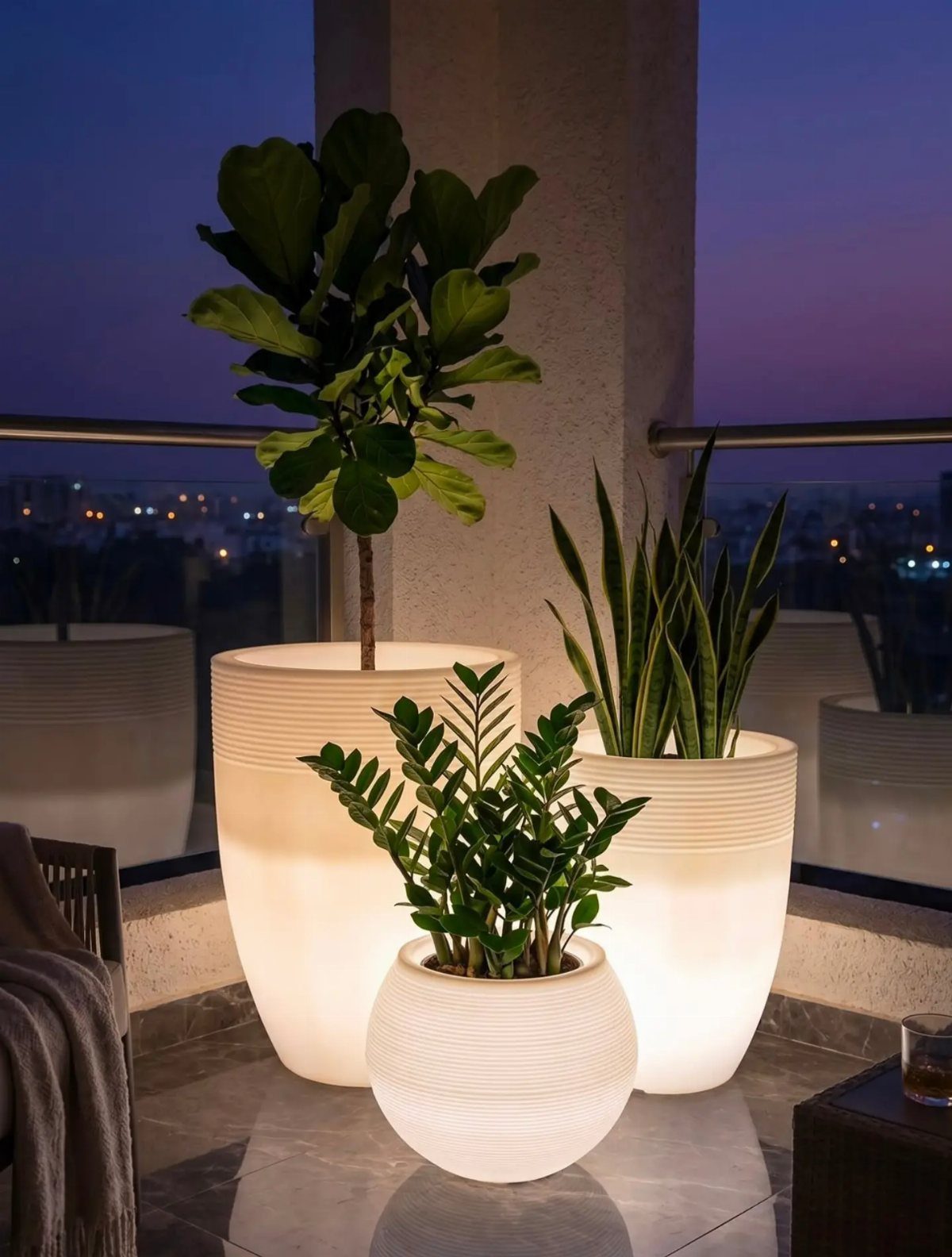
A planter that lights itself removes the need for stake lights or string wiring across a balcony floor. The glow comes from within, through ribbed white walls that diffuse it into a lantern effect rather than a bare bulb glare.
These run on solar, battery, or line voltage depending on the model, and the choice matters more than the plant inside.
Solar fails on a north-facing balcony or one tucked between buildings; line voltage needs outdoor-rated cable and a plan for rain.
I would place this where the light serves the space after dark, not just the plant, since that is what you are paying for.
15. Modern Rectangular Trough Planters
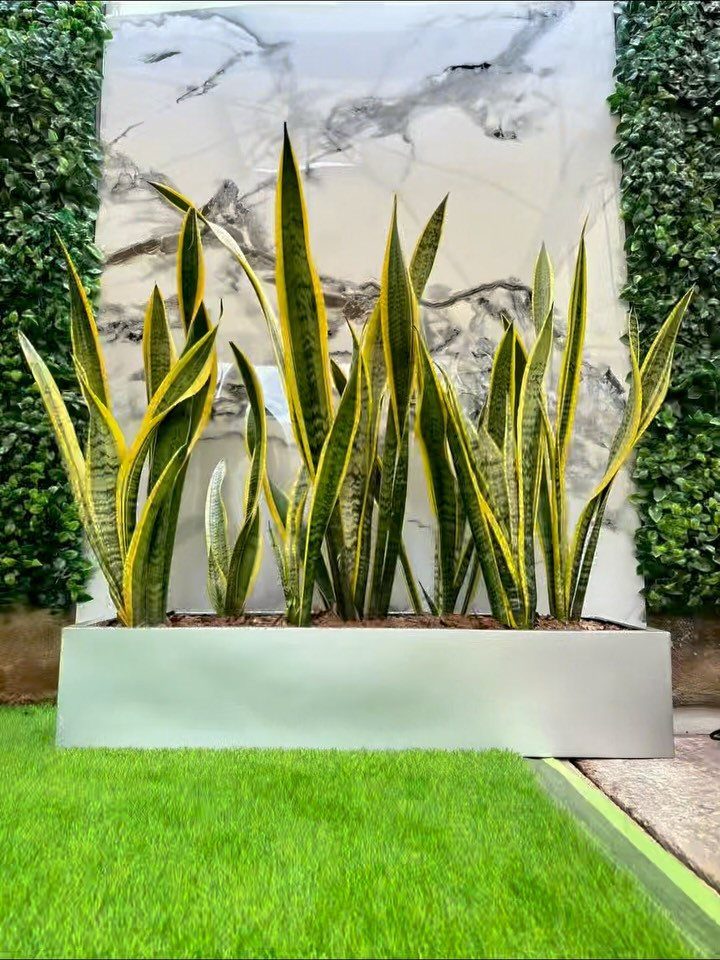
A long rectangular trough in brushed metal or pale composite reads as architecture, not gardening. Snake plants suit it because they stay vertical and need little root depth; the trough’s shallow soil volume becomes a match instead of a limit.
Check that the finish is powder-coated or anodized, not paint, since raw metal salts roots and painted metal peels at the waterline.
Casters or feet matter on artificial turf or deck surfaces; trapped moisture stains both. This is a planter for a single species repeated, not a mixed display that fights its clean line.
16. Vibrant Yellow Balcony Pots
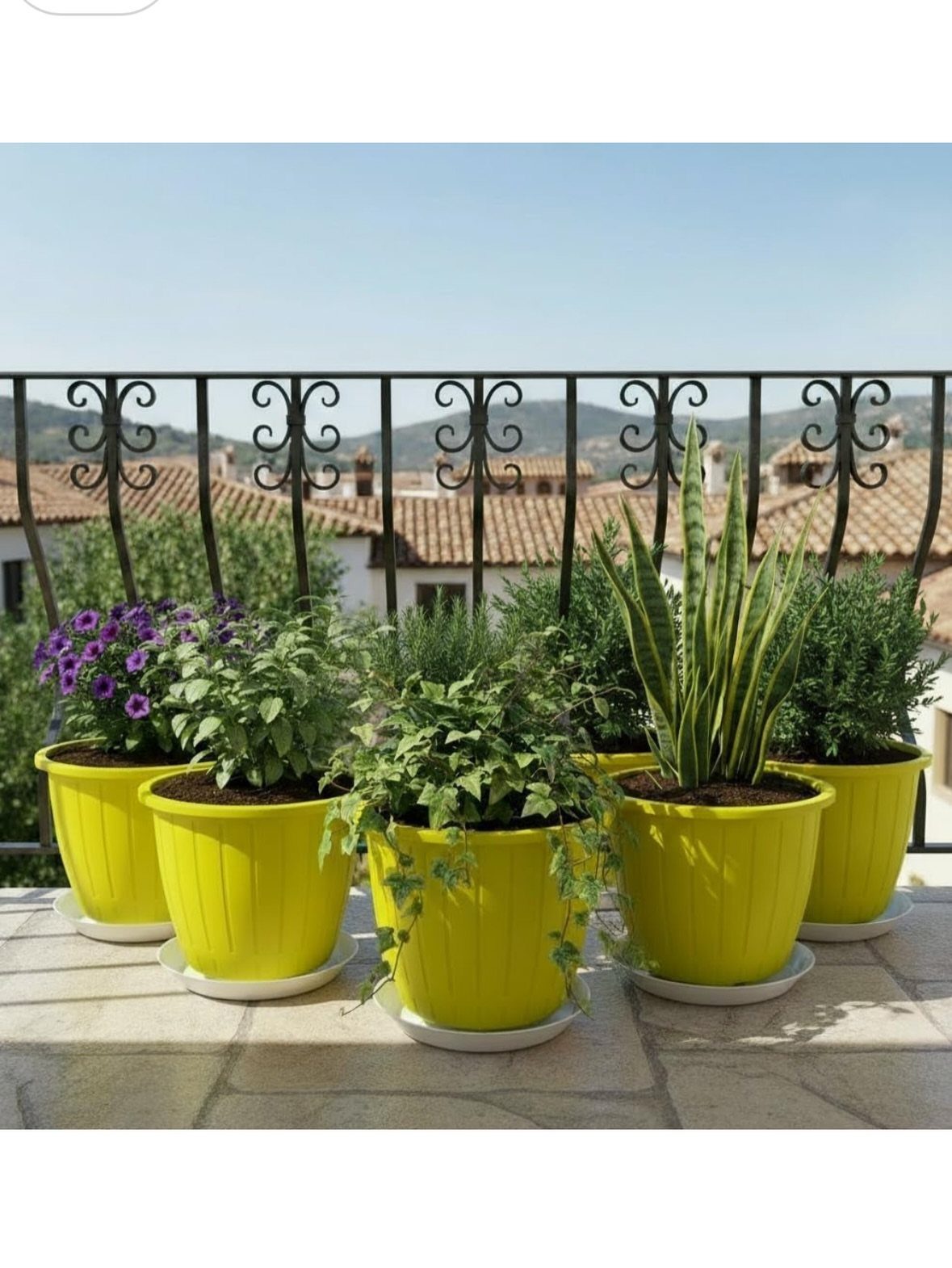
Yellow this saturated turns a row of simple cylinders into a deliberate gesture against stone and ironwork.
The glaze needs to be through-body or high-fired; painted terracotta fades to mustard in one season of sun. Pots in a line demand identical plants or a strict alternation; random planting reads as accident.
I would decide the spacing before buying, since a pot too wide for its center leaves a gap that planting cannot fill, and tight spacing traps moisture against the railing.
Balcony weight limits matter: wet ceramic is heavier than it looks.
17. Rustic Terracotta Pot Displays
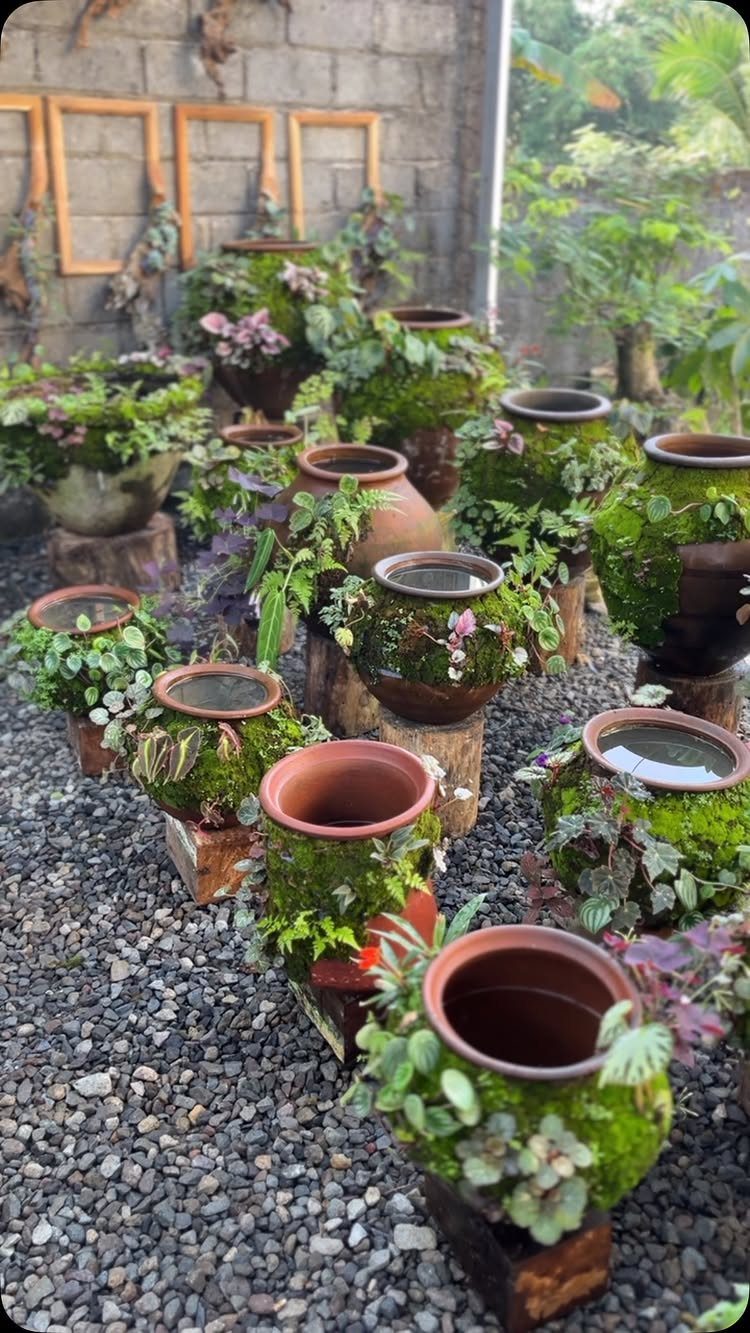
Moss on terracotta is not a failure here; it is the finish, softening the clay into something that belongs on gravel and wood.
The pots sit at different heights on stumps and blocks, which saves buying stands and lets drainage run free. Unglazed terracotta breathes and dries fast, so plants that like steady moisture need more frequent watering than they would in plastic.
I would cluster by water need, since a thirsty fern on a tall block is hard to reach and easy to neglect.
The aged surface means new pots will not match; collect over time or buy all at once from the same source.
18. Spring Bulb Ceramic Planter
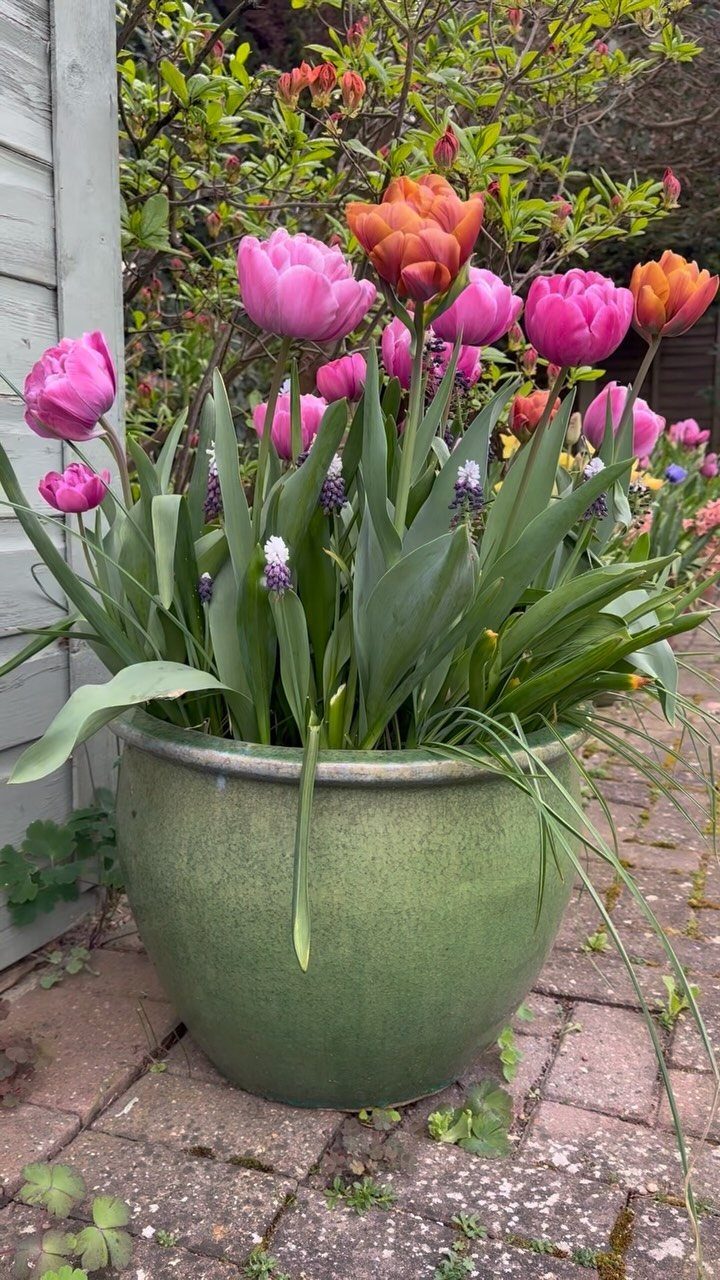
A single large ceramic pot for spring bulbs lets you force the season on a patio or against a shed wall.
Glazed green holds its color against the brick without competing with the tulips, and the weight keeps it upright in March wind.
The tulips and grape hyacinths here are planted in layers, bulbs stacked at different depths for successive bloom, though a single variety at one depth is simpler and still effective.
After flowering, the bulbs need a bed in ground or a cool dry summer storage; a glazed pot this size is too heavy to move twice a year, so plan where it sits for the long term.
19. Tiered Metal Frame Planter Stand
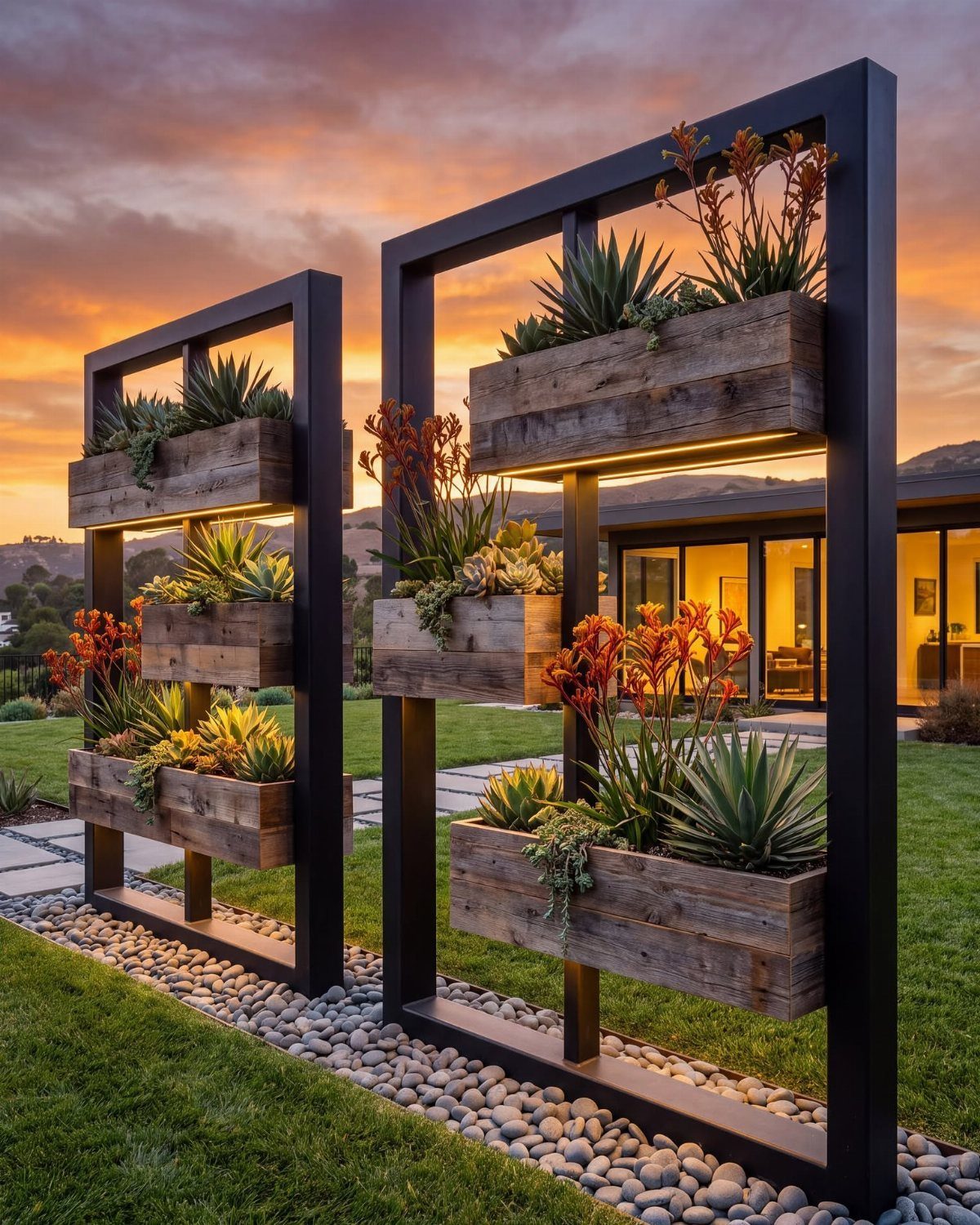
Tiered metal frames let you garden at knee height, waist height, and shoulder height without bending or reaching. A stepped metal frame keeps each wooden box visible and sunlit instead of letting one shade the next.
I would check whether the legs are separate from the boxes or welded as one piece; bolted boxes can be swapped out when the wood rots, which it will.
A set with the largest planter standing 31 inches high gives enough lift to work seated, and casters on the base let you chase sun or dodge frost.
The pebble trench underneath drains splashed water and keeps grass from growing where you will kneel.
Fill the top tier with trailing succulents that do not mind drying out, the middle with mid-height blooms, and the lowest with something that handles spillover. Weight adds up fast; place this before you fill it.
20. Tropical Leaf Patio Planters
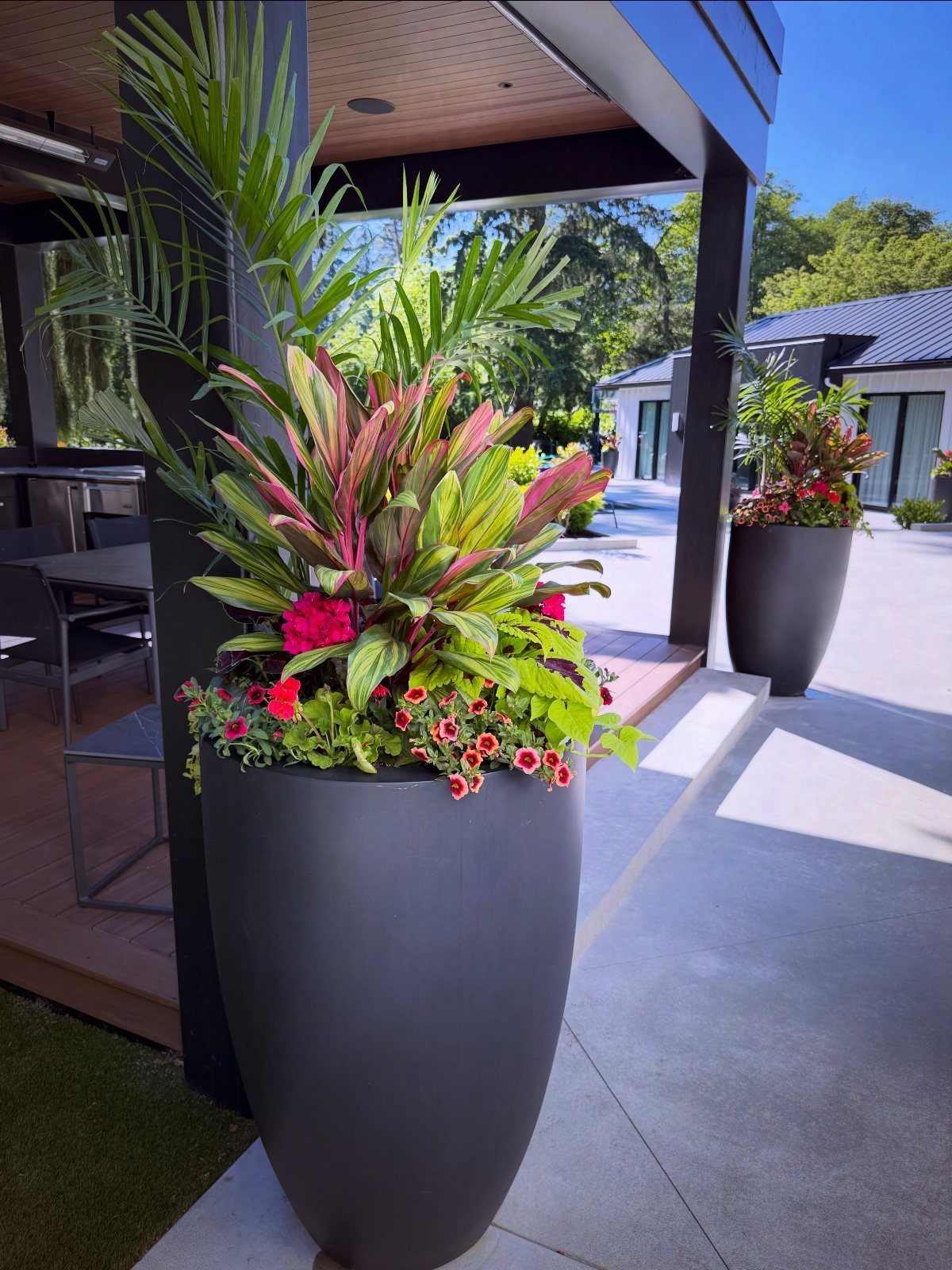
Broad tropical leaves read as expensive even when the plants are not. Cordyline with its pink stripe, palm fronds, and scattered hot-pink blooms fill these dark gray planters, a combination that needs warmth and humidity but no rare skill.
Cannas give the same vertical drama for fewer dollars than a palm; they branch wide by August and carry bloom on the same stem.
Pair them with supertunias in violet or coral, which spill and fill without deadheading, and let coral bells anchor the base with leaf color that lasts past any flower.
The dark planter recedes so the foliage advances; light or terracotta would compete.
This needs a sheltered patio or covered area in zones below 8, since tropicals blacken at the first frost.
Move the pots inside, or treat the planting as a summer rental and replace in spring. Water stays heavy in soil this deep; check that the planter bottom is open or drilled, not sealed decorative.
Watering Tips
Small pots lose water fast; the soil inside heats on all sides and the wind pulls moisture straight off the surface. In July heat, that can mean daily watering.
A watering wand or a can with a long spout sends water to the roots without splashing the leaves, which is where trouble starts.
A soil moisture meter removes the guesswork if you are unsure whether the pot is dry below the surface or just up top.
Drip irrigation solves the reliability problem for vacations or weeks when you cannot get to every pot. Run it on a timer, and the plants stay on schedule even when you do not.
The built-in reservoir in a self-watering box, like the PVC window box mentioned earlier, handles the same problem for a single container. Choose the method that matches how many pots you keep and how often you leave them.
Soil Recommendations
Garden soil belongs in the ground. In a pot it compacts, drains poorly, and suffocates roots.
Light, airy mix lets roots spread and water exit. Two I have used are Miracle-Gro Potting Soil with Moisture Control and Espoma Organic Potting Mix; both are common enough to find at garden centers, hardware stores, or grocery stores.
The organic route works if you prefer it.
Structure matters more than brand name. Potting mix is designed for confinement; garden soil is designed for open earth, and the two do not swap.
Fertilizing Needs
Every watering washes nutrients out the bottom of the pot. Container plants run a deficit that garden soil does not.
Small weekly doses beat heavy, infrequent applications. The plant uses what you give it and the rest does not sit there burning roots.
If weekly feeding sounds like a schedule you will not keep, slow-release fertilizer is the honest alternative.
A single application at planting or season start releases gradually, and the plant stays fed while your attention is elsewhere. Organic or synthetic slow-release both work; the difference is in your preference, not the plant’s survival.
Monthly feeding is the rough standard if you prefer a calendar mark to remember. Feeding once a week does more good than once a month, though monthly still beats skipping it.
Choosing the Right Plants
Match light requirement first.
A plant tagged for full sun will sag and thin in shade, and a shade-lover will fry on a south-facing railing. "Part sun" means about half that direct exposure; "shade" means none, or only gentle morning light.
Match water need second. Group plants by how often they want a drink.
Size the plant to the pot, and the pot to the plant. Fast growers need room or you are repotting before the season ends.
Slow growers in too-large pots look lost and stay wet too long. The tags are there for a reason; read them before you buy.
The best container arrangement is the one where every plant wants the same conditions you actually have.
Frequently Asked Questions
What are some DIY plant pot ideas?
Half-barrels from garden centers or farm supply stores carry instant history that new fiberglass cannot fake. Metal tubs, galvanized buckets, old milk cans, washtubs, teapots, roasting pans, and watering cans all work as planters if you add drainage.
What are the best plants for containers?
Annuals, herbs, dwarf shrubs, succulents, and ornamental grasses all work well.
How often should I water container plants?
Small pots can need daily watering in July heat because the soil heats on all sides and wind pulls moisture off the surface.
Check with a soil moisture meter or your finger; if the top inch is dry, it is time.
Can I use garden soil in containers?
No.
Potting mix is designed to stay loose and drain; it is the only thing I use in containers. Herbs are heavy feeders once established, so refreshing that potting mix every spring matters even more for them.